Old City Philadelphia is not just a neighborhood. It’s the square mile where America was invented. The debates, the decisions, the dissent, all of it happened here, on these same cobblestone streets that visitors still walk today. That’s not a marketing line. It’s just what this place is.
Old City centers around 5th and Arch streets and forms the heart of Philadelphia’s Historic District. But saying it’s “historic” undersells it completely. This is where the Declaration of Independence was signed. Where Ben Franklin lived, worked, and is buried. Where the first flag got sewn. History lovers don’t just visit Old City. They move through it differently than everyone else. Slower. With more pauses. More “wait, this is that spot?” moments.
Here’s a curated list of the 10 best things to do in Old City Philadelphia if you’re serious about history. Not a surface skim. The real stuff.
Groups visiting with EE Tours can explore all of this on a guided Philadelphia history tour that covers the highlights without the guesswork of planning it solo.
1. Independence Hall
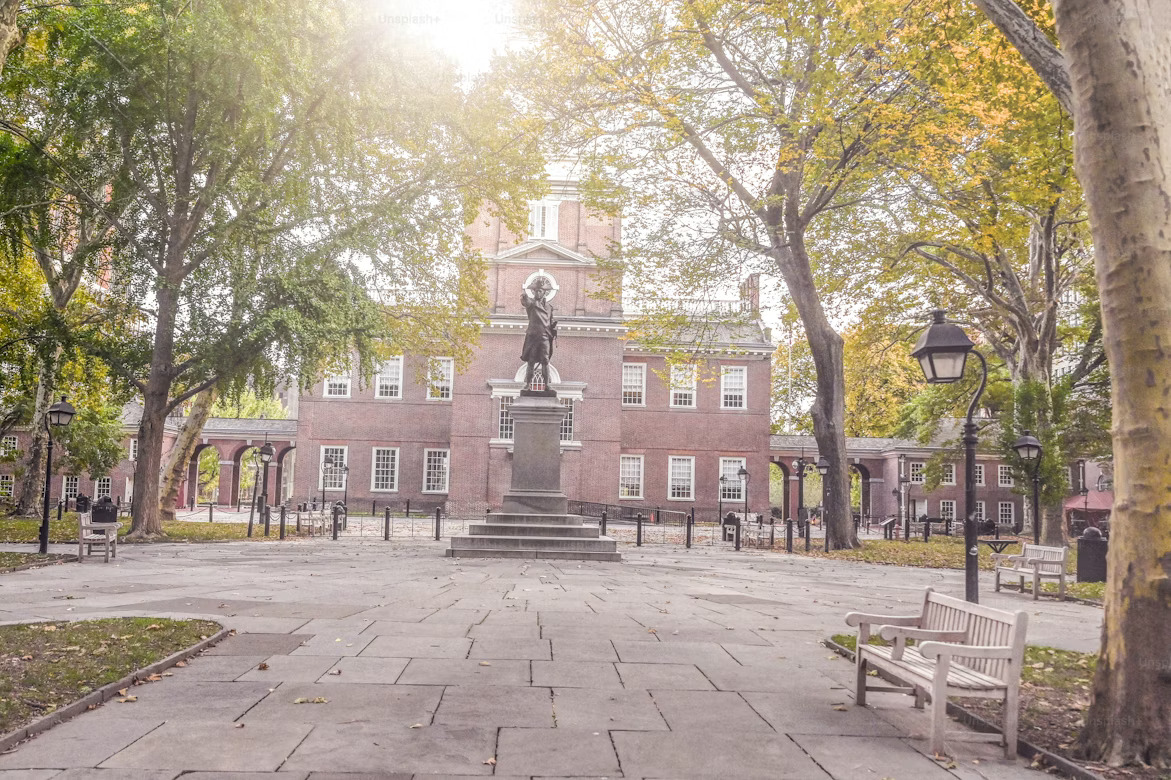
No list of things to do in Old City Philadelphia starts anywhere else.
Independence Hall is a UNESCO World Heritage Site where the Declaration of Independence and the U.S. Constitution took historic form. Think about that. Two of the most consequential documents in world history were written and debated in one building. The room where it all happened still exists. You can stand in it.
Tours are free but require timed passes, especially in peak season. Book them through the National Park Service website before you go. Walk-ups do get turned away. Honestly, the guided rangers here are exceptional. Don’t rush through this one.
Quick tips:
- Free admission, passes required.
- Tours run daily except Christmas and New Year’s Day.
- Get there early, passes go fast in summer.
2. The Liberty Bell Center
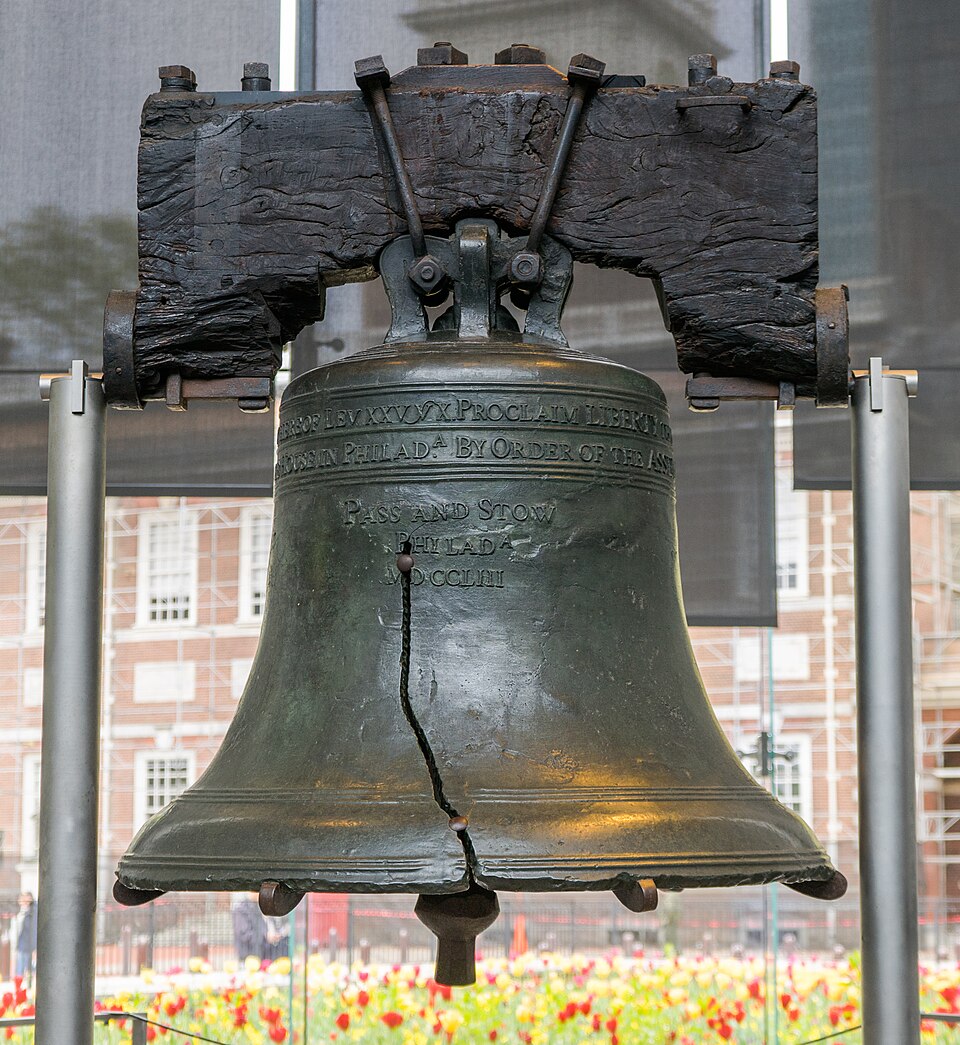
It’s smaller than most people expect. That surprises nearly every first-time visitor.
The Liberty Bell was ordered in 1751 and originally cast in England. It cracked during testing, was recast in Philadelphia, and was later hidden by horse and wagon to keep it from British hands during the Revolution, who would have melted it down for ammunition. That story alone is worth the visit.
The center is free, no tickets needed. It’s right across from Independence Hall, so visitors naturally walk between the two. But don’t just breeze past the exhibits. The full story of the bell, its role in the abolitionist movement, why it got the name “Liberty Bell” in the first place, all of that context is in the displays. It takes about 45 minutes if done properly.
3. Museum of the American Revolution
This one genuinely shocks people. In a good way.
The museum spans 118,000 square feet, holds an expansive collection of art, manuscripts, and printed works from the Revolutionary Period, and features ten theaters throughout to help tell the story of the Revolution. One of those theaters, the Battlefield Theater, puts visitors on the front lines of the Continental Army during a British attack. Gunshots erupt, the floor shakes, strobe lights flash, and smoke fills the room. Which is insane for a history museum. In the best way possible.
The cornerstone of the collection is General George Washington’s Revolutionary War tent, the actual field headquarters where he slept and made decisions that changed the course of history. Plan for at least two hours here, more if someone in the group is a real history nerd.
Admission highlights:
Visitor Type | Cost |
General Admission | Standard ticket (book online) |
Children under 5 | Free |
Active/Retired Military | Discounted |
SNAP/EBT holders | Free (Museums for All program) |
School and student groups looking for a structured civics experience will find this museum pairs naturally with EE Tours’ History and Civics tour packages, which are built around exactly this kind of hands-on American history immersion.
4. Elfreth’s Alley
Most people walk past it and have no idea what they’re looking at.
Elfreth’s Alley is the oldest continuously occupied residential street in America, dating back to 1702. The narrow two- and three-story brick houses were modest row homes rented by craftsmen, including cabinetmakers, silversmiths, and pewterers. People still live there today. That’s the part that stops visitors cold. These aren’t museum recreations. They’re actual homes, occupied for over 300 years straight.
The Elfreth’s Alley Museum includes two homes restored by the Elfreth’s Alley Association, featuring authentic furnishings and a Colonial kitchen. In early June, residents celebrate Fete Day, when some of the 30 homes open for public tours with guides in Colonial garb. If the timing lines up, that Fete Day visit is worth planning a trip around.
5. Christ Church and Christ Church Burial Ground
Two separate stops. Both are worth doing.
Christ Church is nearly 300 years old and once counted presidents and signers of the Declaration of Independence among its worshipers. George Washington, Ben Franklin, and others sat in these pews. The church educators stationed inside know their material deeply. Ask them questions. That’s what they’re there for.
The burial ground is a short walk away at 5th and Arch. It’s the final resting place for many notable figures, including Benjamin Franklin, his wife Deborah, and five other signers of the Declaration of Independence. People toss pennies onto Franklin’s grave. It’s a Philadelphia tradition, and yes, the pennies go toward maintaining the site.
6. The Betsy Ross House
No trip to Old City Philadelphia would be complete without a visit to the iconic Betsy Ross House, where the first American flag is said to have been sewn. Step inside to talk with a Betsy reenactor about the history of the flag and explore her 1740s home.
The “allegedly” matters here. Historians debate whether Betsy Ross actually sewed the first flag. But the house itself is fascinating regardless of that debate. It’s a fully restored 18th-century home with period furniture, a working kitchen, and staff who know the material well. Visitors can also see a replica of the flag Ross is said to have sewn.
It’s on Arch Street, right across from a great flag shop called Humphrey’s, which is worth a five-minute stop on the way out.
7. The President’s House
This one hits differently than the others on this list.
The President’s House memorializes the paradox of slavery and freedom at the site of the nation’s first executive mansion, where Presidents George Washington and John Adams lived during their terms and where nine enslaved people served the first president.
The building no longer stands. But this open-air exhibit in its original footprint commemorates the nation’s first executive mansion and, more importantly, tells the stories that hid behind its walls.
It’s free. It’s outdoors. And it reframes everything else visitors see in this neighborhood. Go here after Independence Hall, not before.
For groups visiting Philadelphia, EE Tours builds this stop into their DC and Philadelphia itineraries because it reframes the whole day in a way that sticks.
8. Benjamin Franklin Museum and B. Free Franklin Post Office
Franklin is everywhere in the Old City. But this is his actual block.
On Market Street, between 3rd and 4th streets, is where Benjamin Franklin lived. His house is gone, but the post office he owned and operated, the B. Free Franklin Post Office, still stands and still operates. Mail a postcard from here, and it arrives with Ben Franklin’s signature as the canceling stamp. That’s a genuinely cool detail.
The Benjamin Franklin Museum sits nearby and goes deep on his life as inventor, diplomat, writer, and city builder. It’s a favorite underrated stop among locals and Philadelphia regulars. Admission is modest. Give it an hour.
9. The Second Bank of the United States
Most visitors skip this. That’s a mistake.
Inside the Second Bank, there’s no currency or monetary history. Instead, this space that looks like a classic bank building is actually an art gallery featuring an extraordinary collection of 18th-century portraits of the movers and shakers of 1700s Philadelphia. The most remarkable element is over 100 portraits by noted artist Charles Willson Peale.
It’s free. The building itself is Greek Revival architecture, striking from the outside. And on a rainy afternoon, it’s one of the better quiet spots in the whole neighborhood.
10. Carpenters’ Hall
Undiscovered by most tourists. Worth knowing about.
Carpenters’ Hall hosted the First Continental Congress in 1774, a full two years before the Declaration of Independence. Delegates from twelve colonies gathered here to coordinate a response to British policies. It’s the meeting that made Independence Hall possible.
The building is still owned by the Carpenters’ Company of Philadelphia, which is the oldest trade guild in America. Admission is free. It doesn’t get the crowds of Independence Hall, which actually makes it a better experience for serious history lovers.
Practical Info: Planning Your Day in Old City Philadelphia
Old City is walkable. Nearly all of these sites sit within a few blocks of each other. A full day covers most of this list if planned well.
Item | Good to Know |
Best entry point | Independence Visitor Center, 6th and Arch |
Parking | Underground garage at the Visitor Center, reasonably priced |
Free sites | Liberty Bell, Second Bank, President’s House, Carpenters’ Hall |
Must-book in advance | Independence Hall passes (NPS website), Museum of the American Revolution |
Transit | Market-Frankford Line stops at 2nd and 5th Street |
The subway stops at 2nd Street and 5th Street on the Market-Frankford (Blue) Line. If driving, set the GPS for the Independence Visitor Center and park there for the day.
One More Thing Before Going
Old City doesn’t reward rushing. The best things to do in Old City Philadelphia reveal themselves to people who slow down, read the plaques, talk to the guides, and actually look at what surrounds them.
Walk Elfreth’s Alley twice. Ask the ranger at Independence Hall a real question. Toss a penny at Franklin’s grave. These aren’t tourist moves. They’re the actual experience.
For visitors coming from out of town and looking to pair a guided tour with these sites, a local expert makes the whole day click into place in a way solo wandering just can’t match.
FAQs
1. What are the top things to do in Old City Philadelphia
Key attractions include Independence Hall, the Liberty Bell, the Museum of the American Revolution, and Elfreth’s Alley.
2. How much time is needed to explore Old City Philadelphia
A full day is ideal to comfortably explore major historic sites without rushing.
3. Are the Old City Philadelphia attractions walkable
Yes, most attractions are within walking distance, making it easy to explore on foot.
4. Do you need tickets for Independence Hall
Yes, timed entry tickets are required and should be booked in advance.