Tribeca feels different the moment you step into it.
The streets are wider. The buildings look older but somehow more polished. And the crowds? Noticeably thinner than most parts of Manhattan.
It almost feels like a secret pocket of New York that not everyone rushes into.
People searching for the Best things to do in Tribeca usually expect a short list. Maybe a couple of restaurants, a park, and that’s it.
But spend a few hours here, and things start to unfold. Art. Food. Film history. Quiet streets that suddenly lead to something interesting.
Honestly, that mix is what makes Tribeca worth exploring.
Why Tribeca Stands Out in New York City
Tribeca stands for “Triangle Below Canal Street.” It used to be an industrial area filled with warehouses.
Today, those warehouses have turned into loft apartments, galleries, and high end restaurants.
Visitors exploring the Best things to do in Tribeca often notice
- Cobblestone streets that add character
- Fewer crowds compared to Midtown
- A mix of historic and modern architecture
- A strong food and arts scene
Look, it is not flashy like Times Square. But that’s exactly why people enjoy it.
Walk the Cobblestone Streets and Just Absorb the Architecture
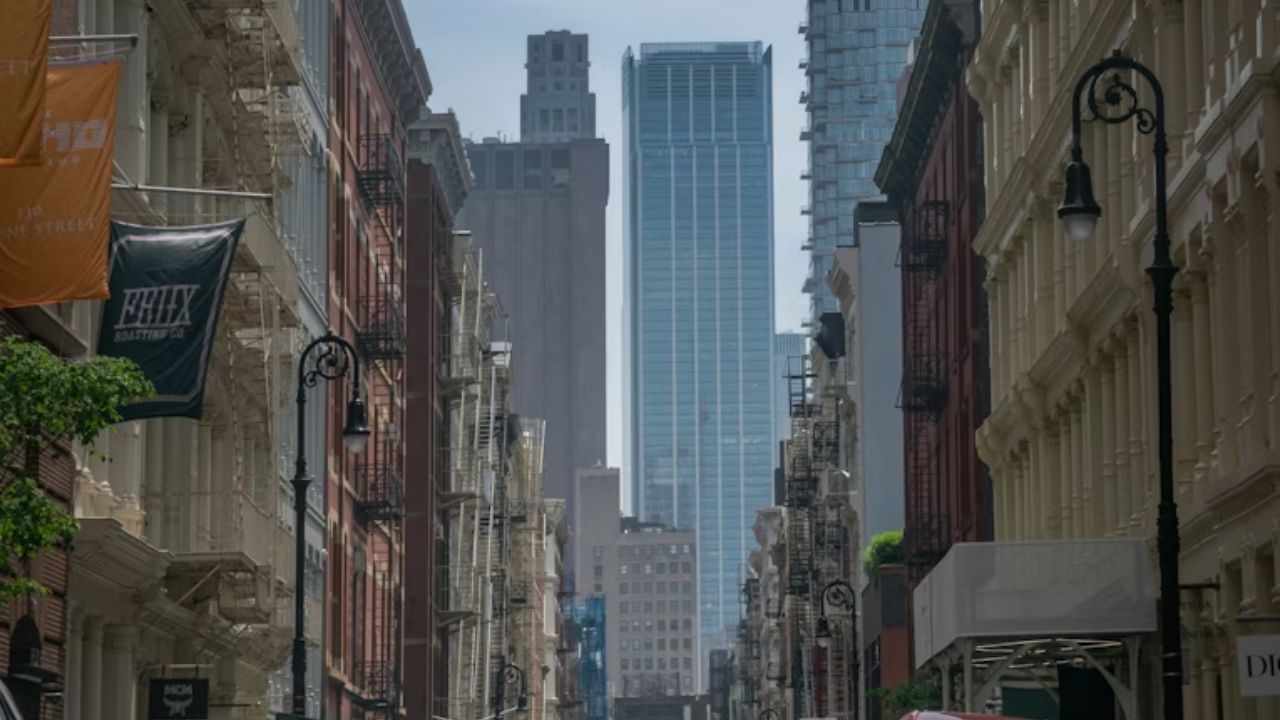
Honestly, one of the best things to do in Tribeca costs absolutely nothing. Walking around the neighborhood is an experience
The neighborhood’s cobblestone streets are lined with wonderful historic architecture, and nearly every block feels like something out of an old New York photograph. The buildings here were originally warehouses and factories from the 1800s, many of them now converted into million-dollar lofts. That industrial-to-luxury transition is visible everywhere, and it’s fascinating.
A few specific spots worth stopping at:
- Harrison Street Houses: These famous row houses were built between the 1790s and 1820s in the Federalist style, made of red brick, and are among the oldest surviving residential structures in downtown Manhattan. Several were actually relocated from Washington Street in the 1970s to preserve them. They now sell for many millions of dollars, which is wild considering how modest they look.
- Staple Street Skybridge: This cast-iron bridge was built in 1907 to connect two buildings owned by New York Hospital. One housed an emergency room, the other a laundry facility. The hospital eventually closed, but the skybridge stayed put. Today it’s one of Tribeca’s most photographed spots, and rightfully so. Three stories above the sidewalk, connecting two buildings that seemingly have no reason to be connected anymore. Very New York.
- The Jenga Building (56 Leonard Street): Designed by Swiss architecture firm Herzog and de Meuron, the building’s floors jet out into the sky in a staggered pattern, resembling the popular block-stacking game. At 60 stories, it’s the tallest skyscraper in Tribeca. The penthouse reportedly sold for around $45 million. Just a normal Tuesday in Manhattan.
Visit the Ghostbusters Firehouse
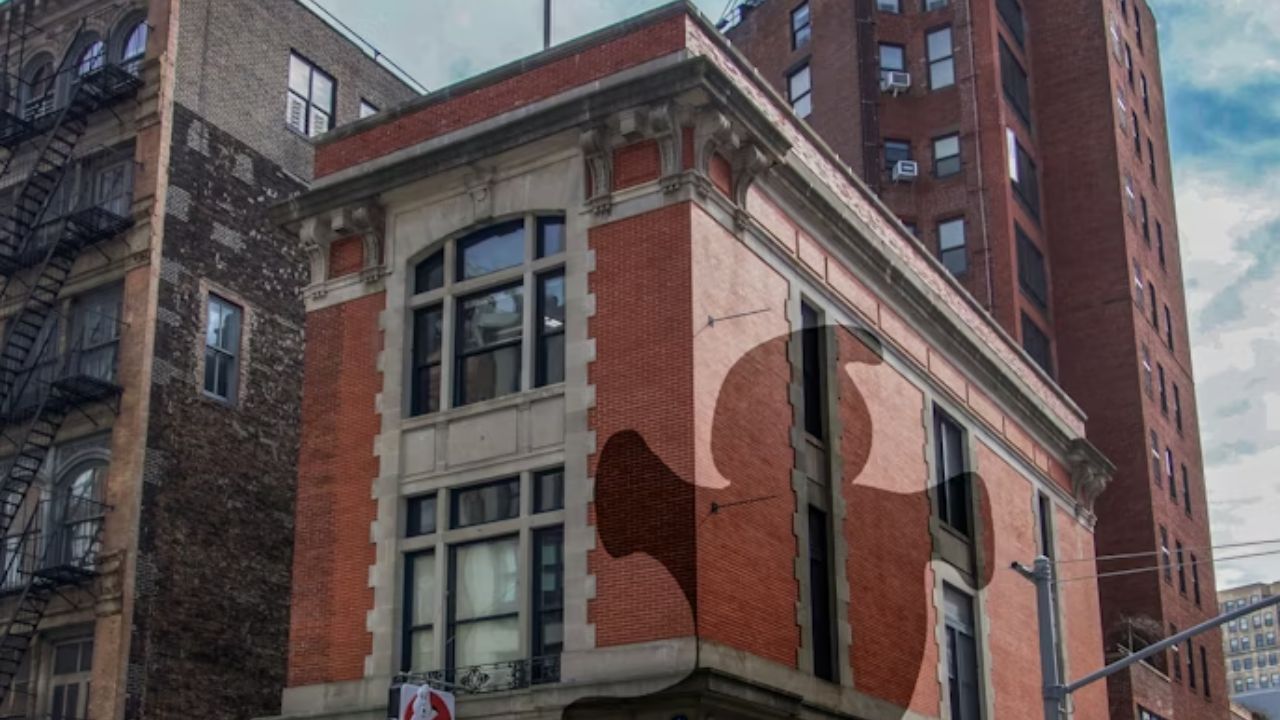
This one surprises people. The fire station at 14 North Moore Street served as the exterior of Ghostbusters Headquarters in the classic 1984 film. The bright red doors of Hook and Ladder Company 8 have served as a backdrop for thousands of photos over the years.
And yes, it still functions as an actual, working firehouse. So be respectful, but absolutely stop and get the photo. It also appeared in Seinfeld, Hitch, and How I Met Your Mother, which means it’s basically the most famous working firehouse in the country.
Explore the Art Scene
Tribeca has a real gallery culture that doesn’t get nearly enough attention. One Art Space showcases emerging and established artists with an intentional focus on equity and aesthetic diversity, featuring international and local contemporary work right in the heart of the neighborhood.
And then there’s MmuseumM. This museum is dedicated to “Object Journalism” and tells the tale of modern society through carefully curated everyday objects. It’s located in an alley, which is perfectly on brand for Tribeca. Quirky, thought-provoking, and genuinely unlike anything else in the city.
The Tribeca Art Factory is another standout: a live collaborative art event that showcases a different talented artist painting live every Friday night. It’s interactive, colorful, and a surprisingly fun evening option.
Eat and Drink Well (Because This Neighborhood Takes Food Seriously)
Look, Tribeca has some of the best food in the city. Here’s a quick breakdown:
Restaurant / Bar | What It’s Known For | Vibe |
Tribeca Grill | Co-owned by Robert De Niro, New American cuisine, stellar wine list | Upscale, classic |
Locanda Verde | Rustic Italian cuisine, brunch favorites, co-owned by chef Andrew Carmellini | Cozy, neighborhood gem |
The Odeon | A Tribeca institution since 1980, French-American brasserie with an Art Deco interior and iconic neon sign | Late-night, lively |
Tiny’s (The Pink House) | Seafood, vegetarian dishes, cocktails in a renovated 1800s building with sunny window seats | Charming, intimate |
Grand Banks | An oyster bar docked inside a historic 1942 wooden schooner at Pier 25 | Seasonal, waterfront |
Nancy Whiskey Pub | Cheap drinks, bar food, low-key atmosphere | Casual, no fuss |
Grand Banks, especially, is a must in warmer months. Eating oysters on an old wooden schooner tied up along the Hudson River is one of those “yes, this is exactly why I came to New York” moments.
For groups who want to take the food experience further, the Top 10 Best Dinner Shows in NYC blog covers some excellent options nearby that make for a full evening out in downtown Manhattan.
Spend Time at Pier 25 and the Hudson River Waterfront
Pier 25, part of Hudson River Park, is a vibrant recreational area with mini-golf, beach volleyball courts, a skate park, and a playground, providing a variety of activities for all ages. The adjacent Tribeca Boardwalk is perfect for a leisurely stroll or bike ride along the waterfront.
The sunset views from here are genuinely excellent. New Jersey skyline on one side, Lower Manhattan on the other. It’s free, it’s beautiful, and it gives the whole visit a different energy than the usual tourist circuit.
Visit Washington Market Park
Washington Market Park is a beautifully landscaped green space featuring playgrounds, a community garden, and plenty of room for picnics. It also hosts seasonal events and activities, making it a popular spot for families seeking a quieter escape from the city.
In a neighborhood full of converted lofts and high-end restaurants, this little park feels like the actual heart of the community. Worth sitting in for a bit, especially on a weekday morning when it’s calm.
Catch a Show or Film Event
The Tribeca Performing Arts Center features ethnically and culturally diverse performances with a unique focus on children’s programming. But the biggest cultural event in the neighborhood is the annual Tribeca Film Festival.
The Tribeca Film Institute was founded in the wake of 9/11 by Robert De Niro, film producer Jane Rosenthal, and philanthropist Craig Hatkoff. Now held in June, the festival draws celebrities and industry figures from across the film world, with submissions from some of the most exciting emerging filmmakers working today. If the timing works with a visit, it’s absolutely worth planning around.
Tribeca at night has real energy, too. The NYC Nightlife Guide breaks down the best bars, clubs, and late-night spots across the city, with several options sitting close to the Tribeca area.
Relax at AIRE Ancient Baths
This one tends to divide people. Either it sounds amazing, or it sounds like too much. But for travelers who want to slow down mid-trip?
AIRE Ancient Baths channels ancient Greek and Roman bathhouse traditions. Cell phones are prohibited, and the number of guests is kept limited, so it never feels overcrowded. Massages are also offered. The building itself is a renovated 1883 former textile factory. It’s the kind of place that feels genuinely restorative after days of walking in New York City.
Browse the Mysterious Bookshop
For book people, this is a non-negotiable stop. The Mysterious Bookshop is entirely dedicated to mystery, crime, detective, suspense, and thriller genres, open Monday through Saturday from 11am to 7pm, with regular events like readings and book signings. It’s been in the neighborhood for decades and has a devoted following. The kind of independent bookstore that makes cities feel like they still have a soul.
A Quick Note on Getting Here
Getting to Tribeca is straightforward: take the 1 train to Franklin Street, Canal Street, or Chambers Street. The A, C, and E lines also stop at Canal Street. Most of the best spots are walkable from any of these stations within about 10 to 15 minutes.
First-time visitors who want to make the most of every hour would also benefit from reading the guide on Top 12 Tips to Navigate Travel Conditions in NYC Like a Local, which covers subway navigation, crowds, and timing in a way that genuinely changes how a first trip feels.
Plan Your Time Wisely
Here’s a rough guide to help structure a visit:
Time of Day | Recommended Activity |
Morning | Walk the cobblestone streets, Harrison Street Houses, Staple Street Skybridge |
Late Morning | Ghostbusters Firehouse, Jenga Building photo stop |
Lunch | Locanda Verde or Tiny’s Pink House |
Afternoon | MmuseumM, One Art Space, Mysterious Bookshop |
Late Afternoon | Pier 25, Hudson River waterfront walk |
Evening | The Odeon or Tribeca Grill for dinner, Roxy Bar for drinks |
Tribeca rewards the visitors who actually slow down enough to notice it. The history is layered into every block. The food scene is legitimately world-class. And unlike most of Manhattan, it never really feels like it’s performing for tourists.
For travelers exploring New York City with a guided tour, Tribeca pairs particularly well with the Financial District, SoHo, and the Hudson River waterfront. It’s the kind of neighborhood that changes how someone thinks about New York, and that’s not a small thing.
FAQs
What are the Best things to do in Tribeca for first-time visitors?
Walking through historic streets, dining at local restaurants, visiting Pier 25, and exploring art galleries are among the top activities.
Is Tribeca worth visiting in New York City?
Yes. Tribeca offers a quieter, more refined experience with great food, art, and historic charm.
How much time should visitors spend in Tribeca?
Half a day is enough for a quick visit, but a full day allows time to explore restaurants, parks, and galleries.
Are guided tours available in Tribeca?
Yes. Walking tours are available and provide insights into the neighborhood’s history and cultural significance.