Nobody tells you this before your first group trip to New York. You show up with a perfectly planned itinerary, everyone’s excited, and then, somewhere between the subway entrance and the third wrong turn, the city just kind of humbles you.
Travel conditions in NYC are a whole thing. Not impossible. Not even that scary once you understand the logic. But there’s a gap between “I’ve been to New York before” and actually knowing how the city moves, and that gap gets expensive when you’re managing a group.
So here’s what people who actually live here know.
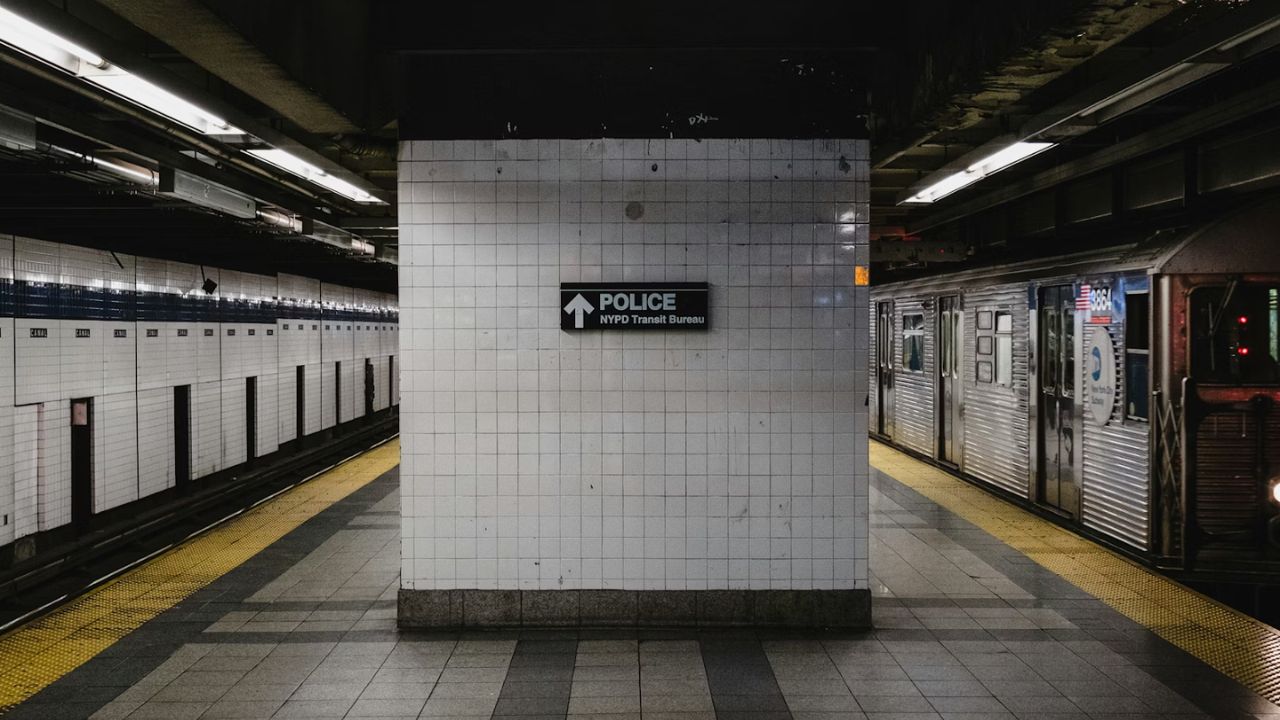 Honestly, the subway is the single most powerful tool for navigating travel conditions in NYC. It bypasses traffic entirely. No congestion pricing headaches, no gridlocked avenues during peak hours.
But here’s the thing that trips up most visitors: local vs. express trains. Express trains skip stations and move significantly faster. The A, C, and E lines or the 2, 3, 4, and 5 trains run express on major stretches. Know which one to board before you’re standing on the platform, confused.
Honestly, the subway is the single most powerful tool for navigating travel conditions in NYC. It bypasses traffic entirely. No congestion pricing headaches, no gridlocked avenues during peak hours.
But here’s the thing that trips up most visitors: local vs. express trains. Express trains skip stations and move significantly faster. The A, C, and E lines or the 2, 3, 4, and 5 trains run express on major stretches. Know which one to board before you’re standing on the platform, confused.
Download the MTA app before the trip. Screenshot the relevant lines because cell service underground is genuinely unreliable.
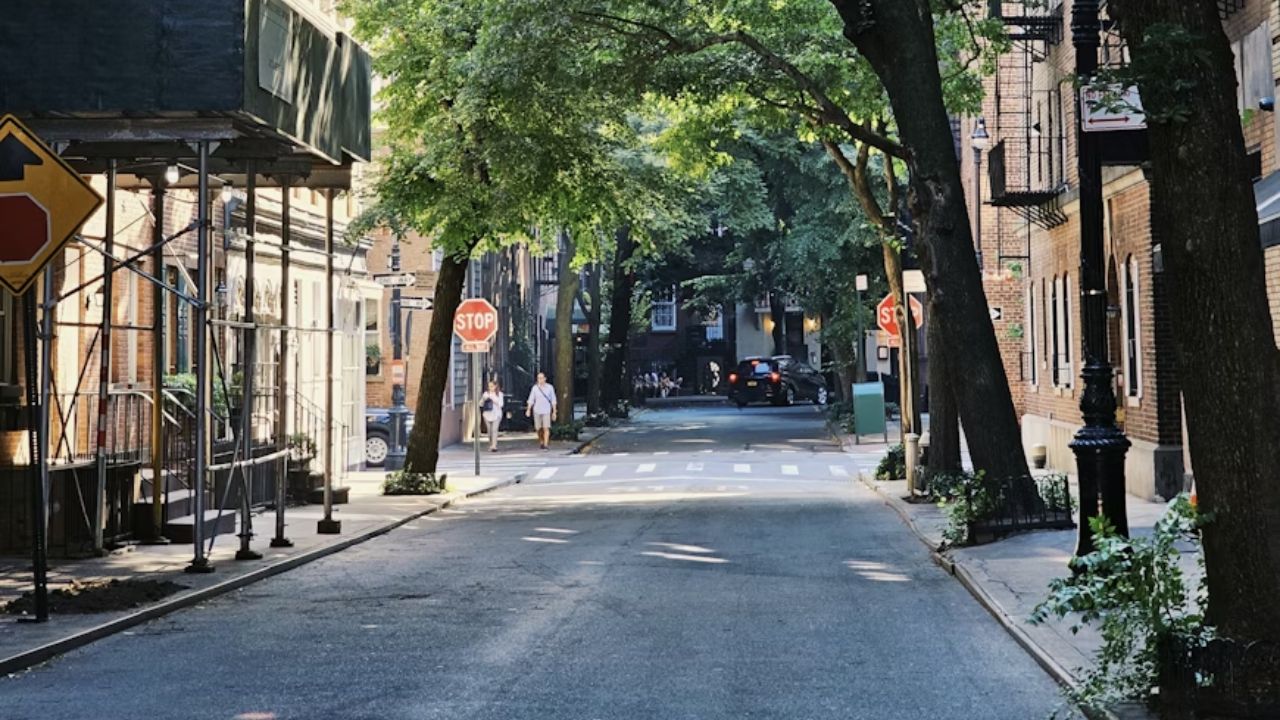 Most of Manhattan runs on a numbered grid that’s actually pretty logical. Streets go east-west, avenues go north-south, and numbers increase heading uptown. Simple enough.
But the grid breaks in a few specific spots that confuse almost everyone:
Most of Manhattan runs on a numbered grid that’s actually pretty logical. Streets go east-west, avenues go north-south, and numbers increase heading uptown. Simple enough.
But the grid breaks in a few specific spots that confuse almost everyone:
1. Master the Subway Before You Land
Honestly, the subway is the single most powerful tool for navigating travel conditions in NYC. It bypasses traffic entirely. No congestion pricing headaches, no gridlocked avenues during peak hours.
But here’s the thing that trips up most visitors: local vs. express trains. Express trains skip stations and move significantly faster. The A, C, and E lines or the 2, 3, 4, and 5 trains run express on major stretches. Know which one to board before you’re standing on the platform, confused.
| Line | Express? | Best Use |
| 1 | Local only | Slower West Side stops |
| 2 / 3 | Express | Fast Midtown to Lower Manhattan |
| 4 / 5 | Express | East Side, very reliable |
| A | Partial express | JFK, West Side |
| N/Q/R/W | Mix | Times Square, Brooklyn |
2. Watch the Weather Closely — Like, Really Closely
This sounds dramatic, but ask anyone who’s planned an outdoor group activity during a summer afternoon in New York. Storms here can drop nearly an inch of rain in under an hour. The city’s own emergency management office issues actual travel advisories when systems roll in, covering subway flooding, coastal areas in Brooklyn and Staten Island, and low-lying streets that pool fast. It’s not just rain. Temperature swings of 20 degrees in a single day are completely normal in spring and fall, which are otherwise the best seasons for group travel here. A group comfortable in light jackets at 9 am can be legitimately cold walking back from dinner at 8 pm. Packing by season:- Spring / Fall: Layers. A packable jacket is worth more than it sounds. And if you’re unsure what exactly to bring, this NYC packing checklist breaks it down season by season.
- Summer: Schedule outdoor stuff before 10 am. Humidity by noon is brutal in ways that don’t show up in weather apps.
- Winter: Snow advisories come fast, and they’re real. Build flexibility into December through February itineraries. Not as a nice-to-have but as an actual planning requirement.
3. Use 511NY for Real-Time Road Conditions
Which is kind of insane, because it’s genuinely useful. 511NY.org is the state’s official real-time traffic and transit platform: road conditions, lane closures, construction alerts, transit disruptions, all five boroughs. For any group arriving by charter bus, this is the site to check the night before and the morning of. NYC DOT also posts weekly traffic advisories listing construction impacts by neighborhood. There’s ongoing work near Park Avenue and East 34th Street affecting southbound lanes right through late February 2026. That’s central Midtown. If a bus is dropping a group anywhere near the Empire State Building or MSG, that matters.4. Avoid Rush Hour With Groups. Just Avoid It.
7 to 9 am and 5 to 7 pm are the windows to avoid. Subway cars during morning rush are packed to a level that is genuinely hard to describe to someone who hasn’t stood in one with 40 students trying to board. Midtown traffic during evening rush can hold a bus through multiple light cycles on a single block. 10 blocks sometimes takes 45 minutes, which is insane when you look at it on a map. Shifting the day’s start to 10 am instead of 8 am doesn’t just avoid crowds. It changes the entire feel of the trip. Locals structure their lives around this instinctively, and visitors rarely realize it’s even an option.5. Plan Around Events and Parades
New York runs on events. Parades, street festivals, film shoots (which happen constantly and with almost zero public notice), major concerts, and the marathon. Each one creates closures that ripple outward well beyond the event itself. The NYC Marathon shuts down multiple bridges, and the whole city feels it. The Thanksgiving Day Parade closes Central Park West and Broadway for hours before it even starts. A sold-out concert at Madison Square Garden backs up 7th and 8th Avenue for blocks in every direction. And if Broadway shows are part of the plan, working with someone who already knows how to build these events into a guided NYC group tour saves a lot of headaches. Check the NYC DOT street closures map before locking in any group itinerary. It’s updated regularly, and it’s free. Takes five minutes and can save a genuinely awful logistical surprise.6. The Grid Makes Perfect Sense Until It Doesn’t
Most of Manhattan runs on a numbered grid that’s actually pretty logical. Streets go east-west, avenues go north-south, and numbers increase heading uptown. Simple enough.
But the grid breaks in a few specific spots that confuse almost everyone:
- Below 14th Street, the grid just dissolves. Greenwich Village, Tribeca, the Financial District; streets have names instead of numbers, and they run diagonally. Bleecker, Wooster, Fulton. People get turned around here constantly, including people who’ve been to the city before.
- Central Park blocks the entire middle of Manhattan between 59th and 110th Streets. East Side to West Side means going through the park via specific transverse streets (72nd, 79th, 86th, and 96th are the main ones).
- Brooklyn and the Bronx follow their own logic entirely. Don’t assume the Manhattan grid applies.