
Short answer: Yes. A Lincoln Center tour covers behind-the-scenes access to some of the most iconic performing arts venues in the world, from the Metropolitan Opera House to David Geffen Hall to Alice Tully Hall. For fine arts students, it is one of the richest single-campus experiences available in New York City, blending architecture, visual art, live performance culture, and history in roughly 90 minutes of guided walking.
But here’s where it gets interesting. The tour is not the same twice. What students actually see on any given day depends entirely on which venues are open and what rehearsals or events are happening across the 16-acre campus. That makes every visit unique, which is either exciting or frustrating depending on how the group trip is planned.
What the Lincoln Center Tour Actually Includes
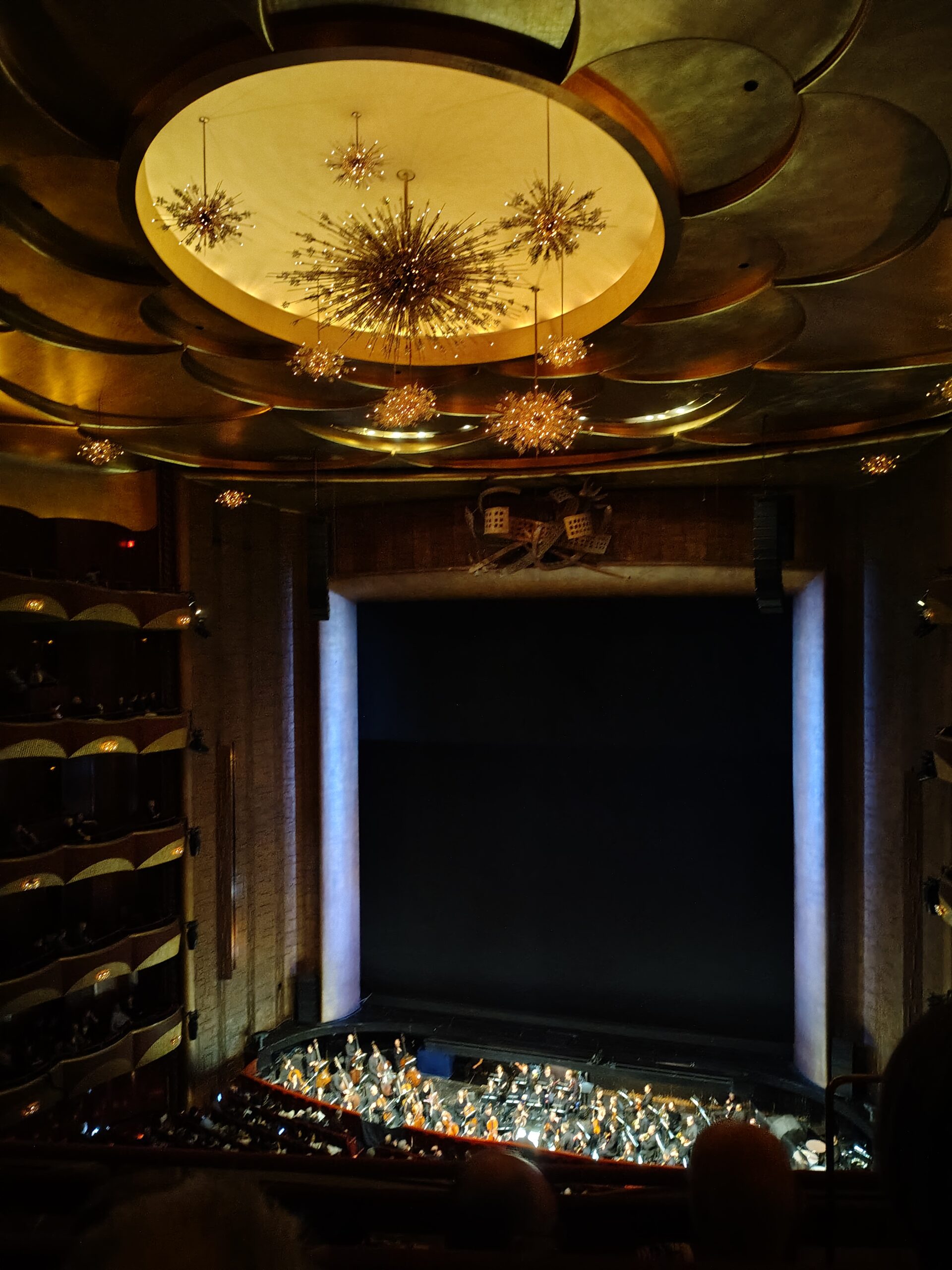
The Lincoln Center tour provides a behind-the-scenes look at the past and present of Lincoln Center. Guides take visitors through front-of-house areas and, when scheduling allows, backstage spaces of the campus’s major performance halls.
Regular stops on the tour include the New York Philharmonic at David Geffen Hall, the Metropolitan Opera House, the New York City Ballet at the David H. Koch Theater, and the Chamber Music Society at Alice Tully Hall.
Tours begin at the David Geffen Hall Welcome Center and last approximately 1 hour and 30 minutes. It is an active walking tour that covers about two city blocks, rain or shine, with few opportunities to sit down.
Here is a snapshot of what students might encounter:
Venue | What Fine Arts Students See |
Metropolitan Opera House | Marc Chagall murals, Austrian crystal chandeliers, grand lobby architecture |
David Geffen Hall | Home of the NY Philharmonic, recently renovated Wu Tsai Theater |
David H. Koch Theater | Home of New York City Ballet, Jasper Johns artwork in the lobby |
Alice Tully Hall | Contemporary translucent facade by Diller Scofidio + Renfro, chamber music history |
Juilliard School | One of the world’s top performing arts conservatories, sometimes visible during tour |
Campus Grounds | Henry Moore sculpture, Alexander Calder works, Nina Chanel Abney facade art |
That is a lot of ground to cover, literally and figuratively.
Why This Matters for Fine Arts Students Specifically
Here is the thing most trip planners miss when researching a Lincoln Center tour for student groups. It is not just a performing arts destination. It is a living case study in how architecture, visual art, and performance intersect.
Fine arts students studying visual art, music, theater, or dance can connect with different aspects of the campus:
- Visual art students get to stand in front of Chagall’s two massive murals, “The Triumph of Music” and “The Sources of Music,” each measuring roughly 30 by 36 feet. Chagall painted both in his Paris studio in 1966 and had them shipped to New York. Interestingly, Chagall intended the murals to be placed on opposite sides from where they currently hang, and they remain in that reversed arrangement to this day. That detail alone sparks classroom-level discussion about artist intent versus institutional decision-making.
- Architecture students see work from a legendary design roster. The original campus was designed by an all-star team including Harrison & Abramovitz, Philip Johnson, Eero Saarinen, Gordon Bunshaft, and Dan Kiley. And then there are the modern interventions by Diller Scofidio + Renfro that updated several buildings during the campus’s billion-dollar renovation.
- Dance and theater students walk through the actual stages and rehearsal-adjacent spaces where New York City Ballet and the Metropolitan Opera perform. Some school groups have even caught live rehearsals during their visit.
- Music students experience the acoustics and performance design of halls built specifically for orchestral and chamber music, including David Geffen Hall’s recently rebuilt Wu Tsai Theater.
For groups planning a dedicated music-focused trip, a Lincoln Center tour pairs well with a full school music tour itinerary that builds in rehearsal visits, performance opportunities, and professional instruction.
Not many stops on a school trip offer that kind of cross-disciplinary richness. And that is exactly what makes it such a strong addition to a custom fine arts itinerary.
The Public Art Most Groups Walk Right Past
A surprising number of visitors focus entirely on the indoor venues and miss the public art scattered across Lincoln Center’s grounds. That is a mistake for fine arts groups.
Henry Moore’s “Reclining Figure” is a massive two-piece bronze sculpture that weighs 6 tons. It has been part of the campus since the 1960s and sits in precise relation to its surrounding architecture. Alexander Calder also has work on the campus near the reflecting pool area. Richard Lippold’s “Orpheus and Apollo,” a hanging sculpture made of strung wire and metal, was originally installed in the lobby of what is now David Geffen Hall.
Nina Chanel Abney’s large-scale facade artwork on David Geffen Hall pays tribute to the San Juan Hill neighborhood that was demolished to build Lincoln Center. That piece is relatively recent and adds a layer of social history and contemporary art practice that resonates with younger students.
Even the subway station at 66th Street gets in on it. The walls of the station are covered with 22 glass mosaic tiles by feminist artist Nancy Spero. If the group is arriving by subway, that is art before they even reach the campus.
How Group Tours Work at Lincoln Center
For groups of 8 or more, Lincoln Center offers dedicated group tours that can be arranged by contacting the tour desk. These private group tours provide more flexibility in routing than the public walk-up tours.
Here are the key logistics trip planners should know:
- Duration: Around 75 to 90 minutes
- Format: Active guided walking tour covering roughly two city blocks
- Starting Point: David Geffen Hall Welcome Center, 10 Lincoln Center Plaza
- Group Contact: tours@lincolncenter.org or 646-385-0242
- Pricing: Varies; some public tours run on a choose-what-you-pay basis with a suggested price around $5; group and specialty tours may differ
- Accessibility: Tours incorporate discussion and Q&A; relaxed tour options have been offered periodically
One important note: because the itinerary changes daily based on venue activity, it helps to book well in advance and communicate any specific priorities. If the group absolutely needs to see the Met Opera House interior, for example, the tour desk can try to schedule around that.
How a Lincoln Center Tour Fits Into a Bigger NYC Fine Arts Trip
A Lincoln Center tour by itself is excellent. But it becomes even more powerful when it is part of a broader, curriculum-aligned itinerary across New York City. Fine arts student groups visiting NYC often combine Lincoln Center with stops like the Metropolitan Museum of Art, MoMA, a Broadway matinee, or a dance workshop at a professional studio.
EE Tours builds customized educational fine arts tours for student groups that pair Lincoln Center visits with Broadway talkbacks, professional studio workshops, and gallery experiences across the city.
That is where working with a custom group tour planner makes a real difference. A specialized NYC tour operator can coordinate timing so the Lincoln Center visit happens on the right day, in the right sequence, paired with complementary experiences. Because here is the reality: Lincoln Center’s tour schedule, venue availability, and campus activity all shift constantly. Having someone who knows the rhythms of the campus and the city means the group does not waste time figuring out logistics on the ground.
For schools planning a multi-day trip, the Lincoln Center tour typically slots in well as a morning activity before heading to another museum, workshop, or performance later in the day.
What to Tell Your Administration
If a trip organizer needs to justify including a Lincoln Center tour in a school trip proposal, here is the short version:
- It aligns with fine arts, music, theater, and architecture curricula
- Students see original works by globally recognized artists like Chagall, Moore, Calder, and Johns
- The tour connects performing arts with visual arts and architectural design
- It provides behind-the-scenes access to world-class professional venues
- Group tours are affordable and customizable for school schedules
That is a strong pitch for any fine arts department.
Frequently Asked Questions
How long does a Lincoln Center tour last?
A standard Lincoln Center tour runs approximately 75 to 90 minutes. It is an active walking tour covering about two city blocks, so students should wear comfortable shoes and be prepared to stand for most of the experience.
Can school groups book a private Lincoln Center tour?
Yes. Lincoln Center offers group tours for parties of 8 or more people. Schools should contact the tour desk at tours@lincolncenter.org or call 646-385-0242 to arrange a custom group visit.
What art can fine arts students see during the tour?
Students can see Marc Chagall’s two large-scale murals in the Metropolitan Opera House, Henry Moore’s bronze sculpture on the campus grounds, works by Alexander Calder, Richard Lippold’s wire sculpture, Jasper Johns’ piece in the Koch Theater lobby, and Nina Chanel Abney’s contemporary facade installation on David Geffen Hall.
Is the Lincoln Center tour the same every day?
No. Each tour itinerary is different based on the day’s activity at Lincoln Center’s many performance halls. That means the specific venues and behind-the-scenes areas students access will vary from visit to visit.