A school music tour means teenagers and their instrument cases on the move. The schedule has to hold up in the real world. Most problems are avoidable if you start early. That is hard when you are also juggling rehearsals and everything else on your plate.
Why These Trips Matter

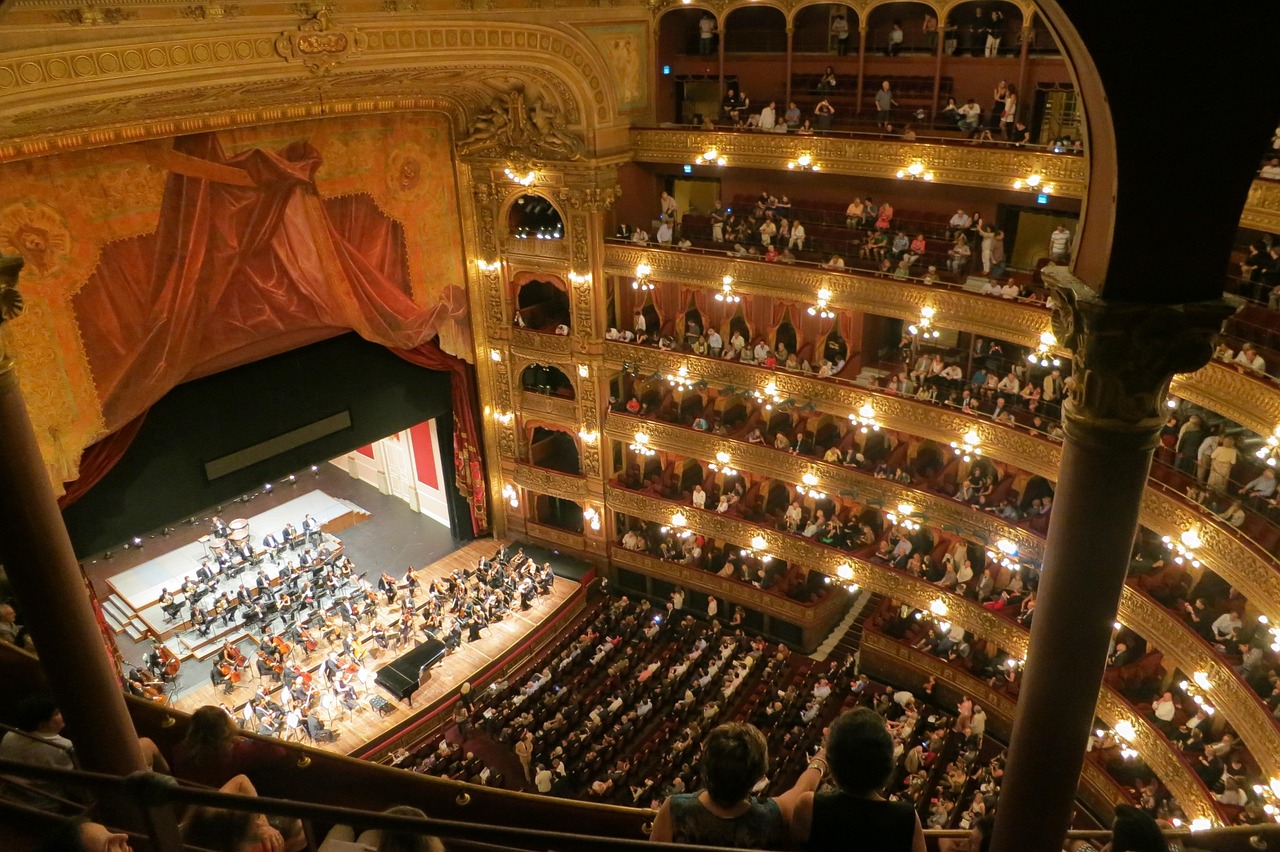
Kids remember performing outside their normal school setting. A real concert hall does something a school gym cannot. Same with a professional workshop, or hearing a musical tradition up close for the first time. Suddenly all those rehearsals have a payoff.
For some programs, that is also what keeps kids coming back next year. But only if the trip is more than sightseeing. Start with what students should actually get from it. Build everything else around that answer.
Step 1: Figure Out What the Trip Is For
Before you book anything, decide what students should walk away with.
Some directors want a performance at a famous venue, like Carnegie Hall. Others want a competition, a masterclass, or a workshop. Some just want students to encounter a musical tradition they have never experienced before.
Whatever it is, let that purpose drive everything else. Pick the destination and budget around it. Don’t pick those first and hope the purpose shows up later.
A choir might get more from vocal workshops than a packed sightseeing schedule. A band could build the trip around a festival. An orchestra might want a masterclass with a working musician.
This is where a customized itinerary can make a difference. EE Tours builds New York student trips around the school’s goals rather than putting every group through the same package. Write your purpose down somewhere you’ll see it again. It makes later decisions much easier.
Step 2: Build a Budget That Holds Up
Tour prices vary a lot from program to program. Transportation, destination, number of nights, and group size all move the total.
Here is what usually goes into the budget:
Budget Area | What to Include |
Transportation | Flights, buses, local transfers, instrument transport |
Accommodation | Hotel rooms and required chaperone rooms |
Meals | Included meals, allowances, dietary needs |
Performances | Festival fees, venue costs |
Workshops | Masterclasses, studio visits, educational sessions |
Attractions | Museums, shows, tours |
Contingency | Extra funds for the unexpected |
Give families a clear breakdown early. Tell them what’s included and what’s optional. Tell them when payments are due. Parents manage money better when they know what they are paying for.
If fundraising is part of the plan, start early. Spread the effort across the school year. Crowdfunding, sponsorships, and student-led events all work, depending on your school’s rules.
Step 3: Pick a Destination That Fits
The destination should support the purpose from Step 1. It shouldn’t just look good on a permission slip.
New York City works for groups chasing Broadway and big performance venues. Nashville connects to country music and recording studios. Washington, DC mixes performance with culture. New Orleans has deep jazz roots. London, Vienna, and Prague offer real exposure to classical tradition, but they take more planning and more paperwork.
Before you lock anything in, ask a few questions. Does the destination match your goals? Can students handle the travel time? What is the weather likely to be? Are venues open on your dates? Does your district have restrictions? How will you get instruments there?
Step 4: Work Out a Planning Timeline
Pick your travel dates first. Work backward from there.
- 12–18 months out: define your purpose and budget, research destinations, get admin approval, gauge parent interest
- 9–12 months out: confirm your provider and dates, open registration, start fundraising
- 6–9 months out: finalize the itinerary, book performances, lock in transportation and hotels
- 3–6 months out: hold parent meetings, collect payments, confirm reservations, assign chaperones
- 1–3 months out: hand out itineraries, review expectations, confirm emergency plans
Keep a running checklist. Track payment deadlines, permission forms, and contact info. It saves you from a last-minute scramble.
If you work with EE Tours, planning can start well ahead of departure. With EE Tours, groups can begin the conversation up to a year before travel, with most groups beginning payments several months before the trip.
Step 5: Find a Tour Partner Who Gets School Groups
A good provider takes a lot off your plate. How much help you need depends on your group.
Ask any provider you are considering:
- Can you build the itinerary around our goals?
- Who’s our main point of contact?
- What exactly is included in the price?
- What happens if plans change?
- How do family payments work?
- What support do we get during the trip?
- Can we talk to a school that’s used you before?
Specialty programs need real customization. EE Tours builds itineraries around each school’s specific goals instead of running everyone through the same package. They’ve worked in New York City for more than 30 years. Their focus stays on arts programs where the educational side matters as much as the destination.
Step 6: Keep Communication Simple and Consistent
A tour involves more than just you and the students.
Administrators need educational goals, financial details, and a risk plan. Parents need costs, deadlines, and expectations spelled out clearly. Students need to know what is expected of them, before and during the trip.
Match your channel to the message. Email works for dates, payments, and packing lists. In-person meetings let parents ask questions directly. Your school’s usual channels can help too.
Payment setup matters here as well. EE Tours offers online payment, so families can register and pay directly. That cuts down the manual tracking that usually lands on you.
Step 7: Plan for the Unexpected
Even a carefully planned tour hits delays or last-minute changes.
Leave room in the schedule. Don’t book every single minute. Give chaperones copies of key documents and contacts, not just yourself. For international trips, keep embassy numbers handy.
Look into travel insurance early. This matters most for international trips or big prepaid costs.
Pack a basic tour kit too. Include first aid supplies, document copies, chargers, snacks, and water. Add contact info for everyone.
Nobody can predict every problem on a trip like this. Having a plan for when something goes wrong is what actually matters.
Performance Logistics: Before the Ensemble Takes the Stage
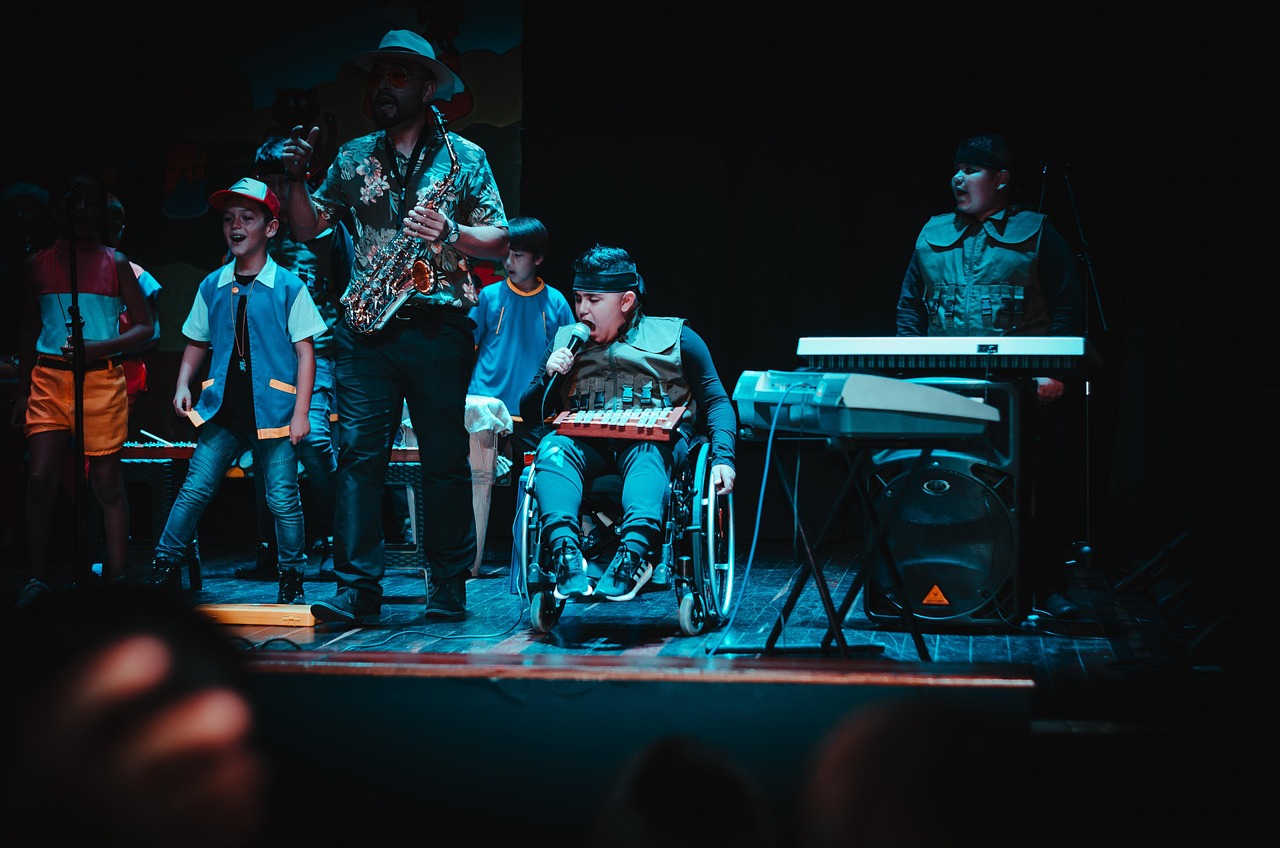
A performance might last an hour. The prep behind it starts months earlier.
Confirm the venue’s technical needs well in advance. Ask about warm-up space, sound checks, and loading areas. Find out how they want instruments handled. Assign specific people to load and unload gear.
Visit the performance space ahead of time if you can. A school auditorium and a real concert hall are not the same. Neither is a church or a professional theater.
The venue will tell you what it needs. Your job is making sure that info reaches the people getting your ensemble ready.
Putting It Together
A good music tour starts with a clear purpose. Once you know what students should gain, the rest gets easier to plan.
For a specialty program, the part that sticks might be a performance or a masterclass or just a moment backstage, watching real professionals warm up. Build the trip around that. Then leave enough time for the practical stuff: payments, permission forms, transportation, and emergency planning.
Get that part handled early. You will spend less time firefighting and more time actually being there with your students.
For a New York trip, EE Tours can build those arts experiences into a customized itinerary. Its current student programs include Broadway performances, professional workshops, cast interactions, Lincoln Center visits, and many other performing-arts experiences that can complement a music-focused trip.
The less time you spend solving logistical problems during the trip, the more time you have to actually experience it with your students.
FAQs
- Is a school music tour worth the cost?
Usually, yes, if there’s a real educational purpose behind it. A performance or masterclass gives students something a normal school week can’t. - What if not enough students sign up?
Set a minimum group size early. Understand the provider’s cancellation policy before you collect any deposits. Your minimum also affects the cost per student. - What about students who can’t afford it?
Check what fundraising your school allows first. Payment plans, scholarships, and group fundraising can help close the gap. - Should we use a tour company or plan it ourselves?
DIY gives you full control. But it puts transportation, payments, and every schedule change on you. A tour provider takes that weight off your shoulders. Weigh the cost against the time you actually have.