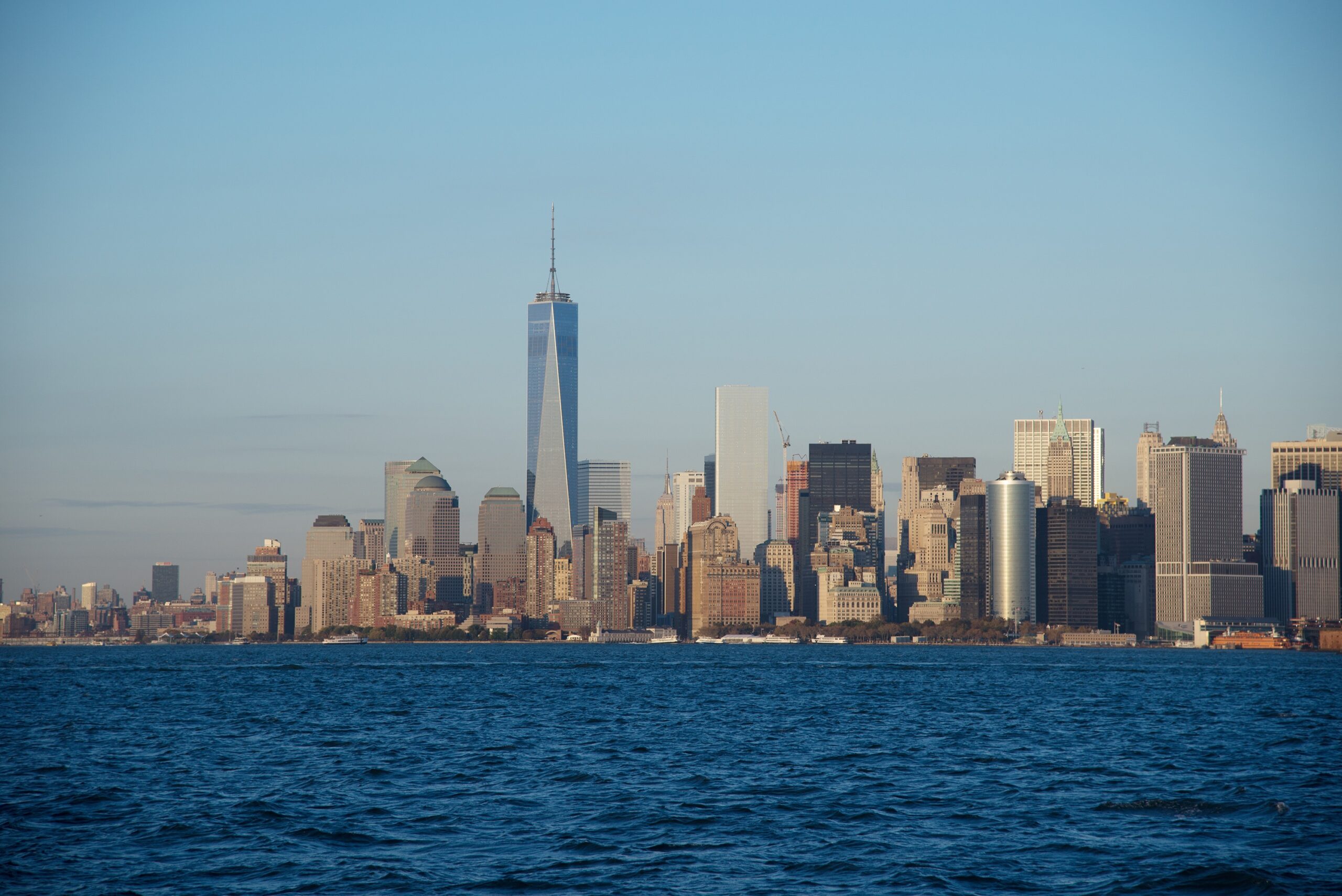
New York’s skyline is more than impressive scenery. It is a real lesson in architecture, engineering, and urban planning. Three towers stand tallest by height: One World Trade Center, Central Park Tower, and 111 West 57th Street. Here is the catch: only one actually lets you inside. Two are really street-level stops, not ticketed attractions. That’s worth knowing before you plan a whole afternoon around them.
Why Bother Studying New York’s Tallest Buildings?
Because students can see the thing you are teaching them. Architecture students get to study structure and proportion firsthand. Art and design kids can compare façades across three very different towers. Physics-minded students get an easy way into wind load and structural forces. Even a general group starts asking good questions pretty fast. They see how limited land shaped Manhattan’s vertical growth. Walking past the tallest buildings in New York does that on its own. The trick is treating the skyline as part of the lesson. Don’t just let it become a backdrop for photos.
1. One World Trade Center
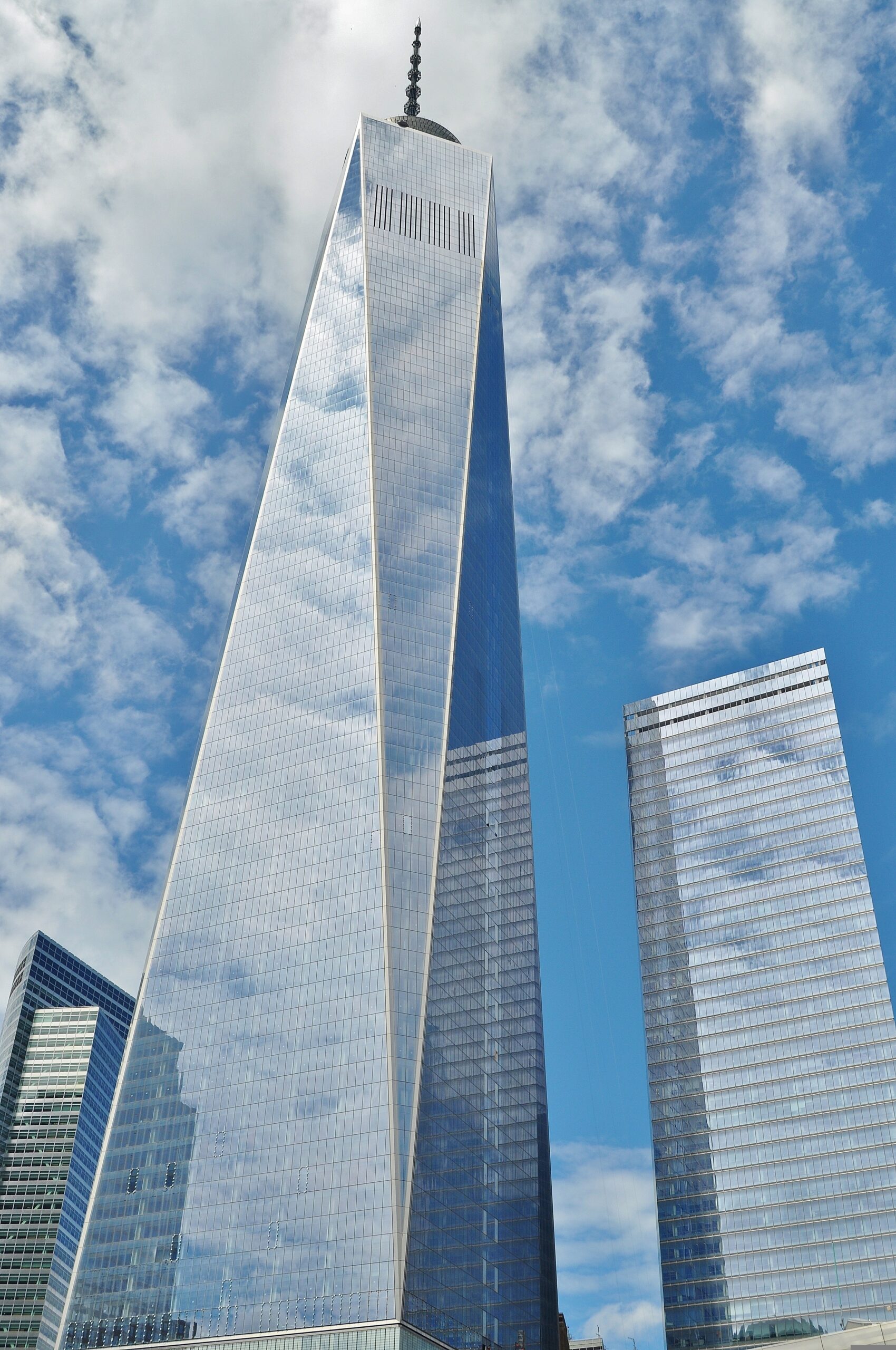
One World Trade Center reaches 1,776 feet into the sky. That specific number was chosen on purpose. It echoes the year of American independence. It is the tallest building in the city today. It also anchors the rebuilt World Trade Center complex downtown. It is a regular stop on our New York Tours too, usually paired with a wider Lower Manhattan route.
That height gives you an easy opening line. Talk about symbolism before you even reach engineering. One World Observatory covers floors 100 through 102. SkyPod elevators get you up there fast. The views can stretch up to 45 miles on clear days.
For a school group, the real value sits outside the building. Pair this stop with the 9/11 Memorial and Museum or fold it into a broader downtown architecture walk. Groups of 10 or more usually get better rates here. Check current group arrangements before you book anything.
2. Central Park Tower
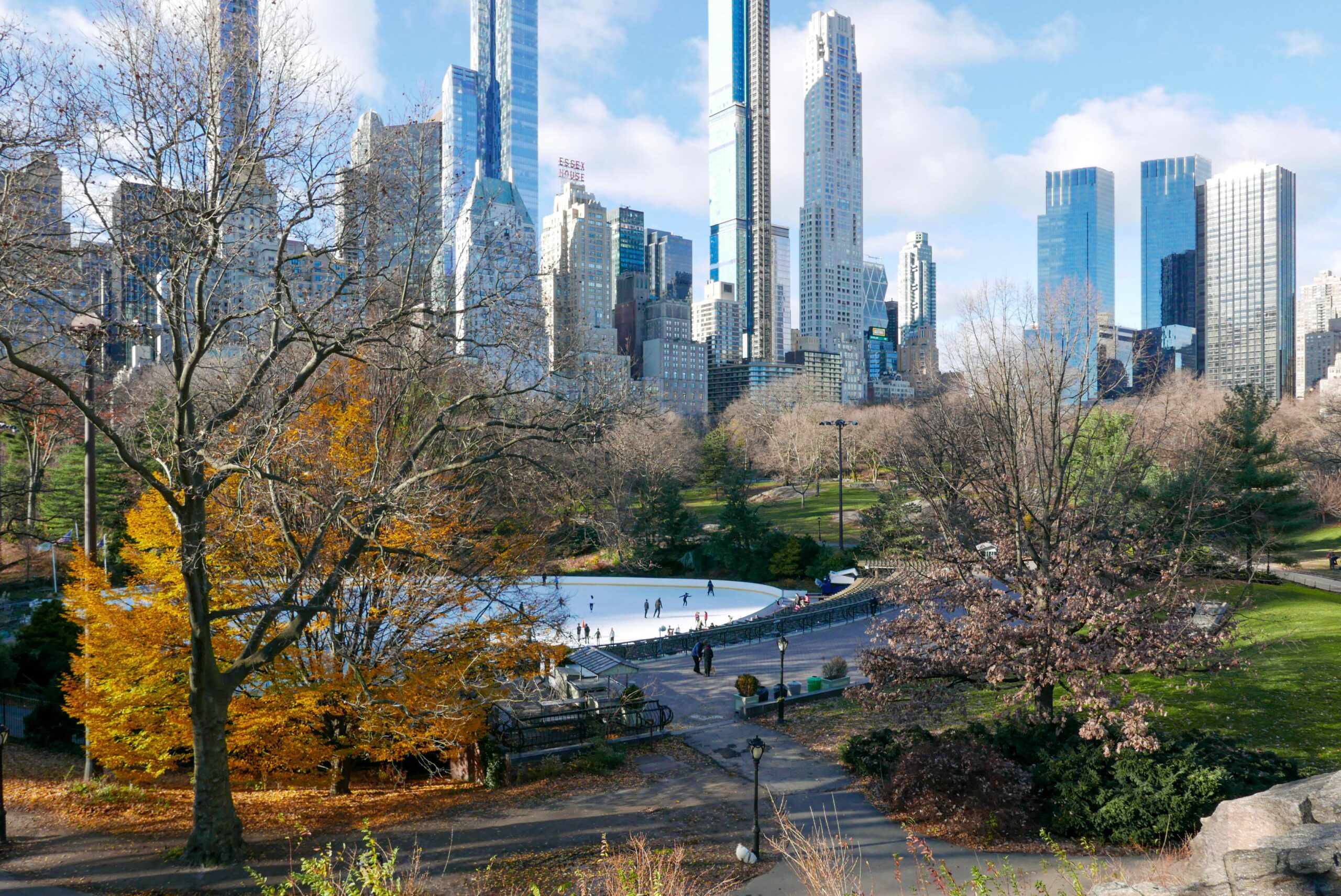
Central Park Tower stands 1,550 feet tall. It sits right on Billionaires’ Row in Midtown. It holds the title of tallest residential tower on Earth. Nobody’s riding an elevator to the top here, though. This is private residential space, full stop. There’s no observation deck waiting for your group.
That doesn’t knock it out of a good itinerary. It just changes what kind of stop it becomes. Walk students down the nearby streets instead or head into Central Park itself for a clean view. Let them study the height and the narrow profile. Point out the façade and the overall skyline context. It’s a great excuse to talk about New York’s supertall boom. Ask why developers keep building up instead of out.
Treat this one as an exterior stop only. Plan your group’s time with that in mind.
3. 111 West 57th Street
Most people call this one the Steinway Tower. At 1,428 feet, with an oddly slender profile, it earns the name. SHoP Architects designed the entire building from the ground up. The base actually incorporates the historic Steinway Hall. That’s a nice thread if your group studies how new construction handles old landmarks.
Like its neighbor, this tower is private residential space. So again, there’s no public deck to visit. The value here comes from standing across the street. Really look at it, then talk through the engineering. How does something this narrow manage to stand at all?
Since it’s a short walk from Central Park Tower, the two pair naturally. Ask students which façade they think works better. Or which building handles its height more gracefully. Let them argue it out on the spot.
Two Other Buildings Worth Adding
If “tallest” is literally all you want, the three above cover it. But a real student itinerary should probably go further. Two shorter buildings genuinely deserve a spot too, even outside the strict tallest buildings in New York ranking.
The Empire State Building reaches 1,454 feet with its antenna included. The 102nd-floor deck sits 1,250 feet up. The 86th-floor deck sits lower, at 1,050 feet. It’s no longer a top-three building by height. But it offers something the residential towers simply can’t. That’s a real public observatory and a century of history. For a lot of groups, that combination wins out easily.
Then there’s Edge, on the 100th floor of 30 Hudson Yards. Its outdoor deck sits 1,131 feet above the street. It’s currently the highest open-air deck in the Western Hemisphere. Indoor immersive installations were added more recently too. That gives art and design groups another reason to stop by.
Observation Decks, Ranked by How High You Get
|
Observation Deck |
Elevation |
Building |
|
One World Observatory |
Up to 1,268 ft |
One World Trade Center |
|
Empire State Building, 102nd floor |
1,250 ft |
Empire State Building |
|
Edge |
1,131 ft |
30 Hudson Yards |
|
Empire State Building, 86th floor |
1,050 ft |
Empire State Building |
|
Top of the Rock |
850 ft |
30 Rockefeller Plaza |
These numbers show the actual viewing elevation. They aren’t the full architectural height of each building.
Tallest Isn’t Always Best to Visit
Worth saying plainly: the tallest building here isn’t automatically your best stop.
|
Building |
Public deck? |
Strongest angle for students |
|
One World Trade Center |
Yes |
Engineering, history, architecture |
|
Central Park Tower |
No |
Architecture, urban development |
|
111 West 57th Street |
No |
Structural design, architecture |
|
Empire State Building |
Yes |
Architecture, history, design |
|
Edge |
Yes |
Design, photography, modern architecture |
If your group is short on time, pick carefully. One World Trade Center or the Empire State Building gives you more. Students experience the inside, not just the outside. That’s the fastest way to see the tallest buildings in New York. You won’t lose a whole day to exteriors alone.
Turning a Skyline Stop Into an Actual Lesson
Don’t just point up and move to the next stop. Hand students a few real questions instead. Let them chew on these while they look up:
- Why are some towers wider at the base?
- How does the shape change a building’s look from far away?
- Why are so many new towers residential, not office space?
- What makes one skyscraper instantly recognizable and another forgettable?
That’s the difference between a quick pause and a real conversation. Students remember questions longer than they remember facts.
Building the Right Itinerary Around This
Which stop matters most depends on what your group studies. A design class benefits from comparing Midtown’s supertalls directly. An architecture group might pair One World Trade Center with older downtown buildings. A photography group probably wants the strongest angles and light.
We map out routes like this often on our New York Tours. Each route matches the stops to what the program actually needs.
That’s the kind of planning our team handles for every group. EE Tours builds the itinerary around your program’s real goals. We don’t hand you a standard route everyone else gets. We have spent over three decades doing this for specialty groups in New York. We work with student groups starting at 20 people. One person stays in charge of your whole trip. You’re never shuffled between departments along the way. See how that works on our New York Tours page.
The tallest buildings give you a starting point. What you do with them turns the skyline into something worth remembering.