Washington DC is a museum city. Full stop. Nowhere else in the country can you walk a mile and pass through dinosaur fossils, moon rocks, a segregated railcar, and the Wright Brothers’ actual plane. All free. That’s not normal. That’s DC.
But here’s the problem most first-timers face: there are too many options. The National Mall alone has over a dozen museums shoulder to shoulder. And if you don’t plan ahead, you’ll spend your first day wandering with a glazed look, missing the things that actually matter.
This list cuts it down. These are the 8 best museums in DC that should be on any first-time visitor’s radar, with honest notes on what’s worth your time inside each one.
Quick Comparison: Best Museums in DC at a Glance
Museum | Cost | Passes Needed | Time Needed | Best For |
African American History | Free | Yes (book early) | 3-4 hrs | History, culture |
Air and Space | Free | Yes (timed entry) | 3-4 hrs | Aviation, space, families |
Natural History | Free | No | 2-3 hrs | Science, families, all ages |
Holocaust Memorial | Free | Mar-Aug only | 2-3 hrs | History, reflection |
National Gallery of Art | Free | No | 2-3 hrs per building | Art lovers |
American History | Free | No | 2 hrs | Pop culture, U.S. history |
International Spy Museum | Paid (~$25-30) | Book online | 2 hrs | Interactive experience |
Portrait Gallery + Am. Art | Free | No | 2 hrs | Art, history, less crowds |
1. National Museum of African American History and Culture
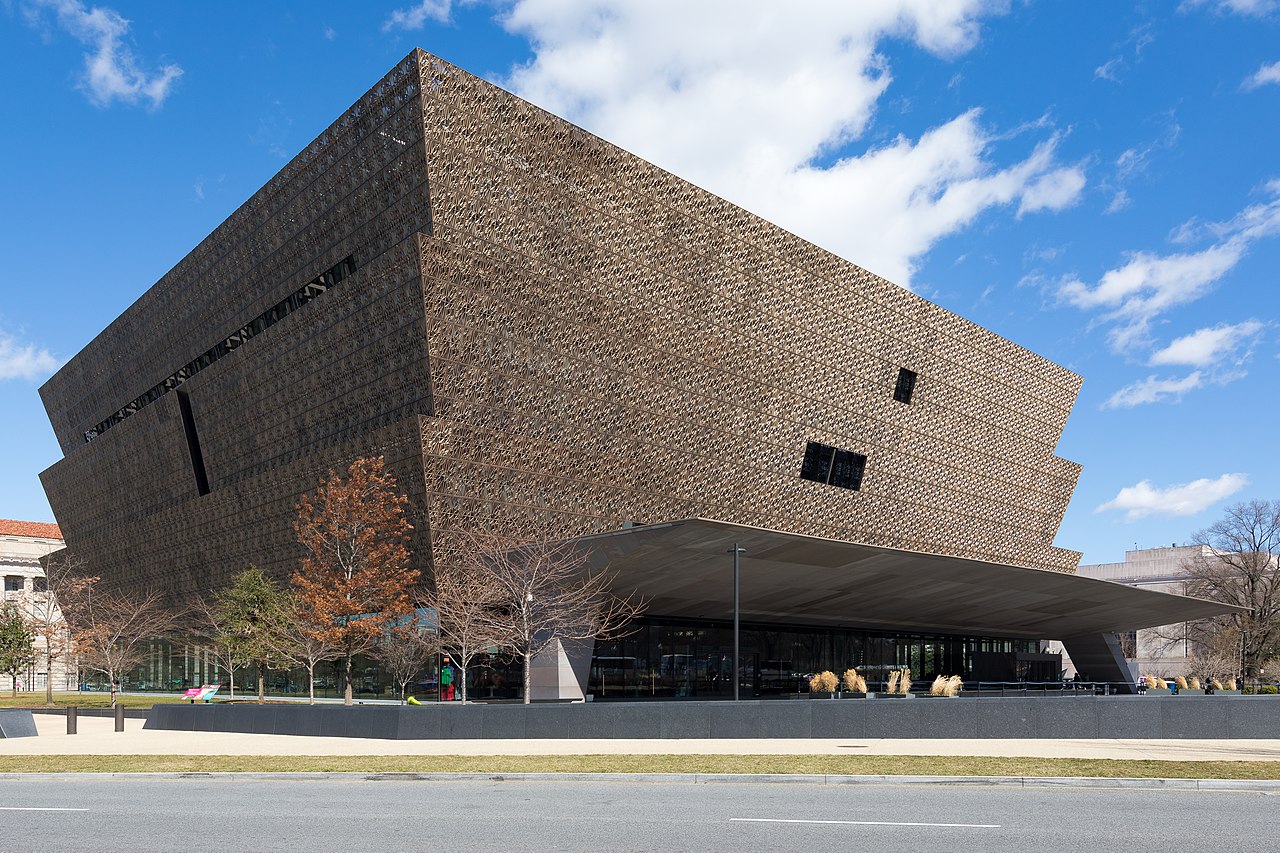
This is the hardest one to get into. And arguably the most important one to see.
With over 36,000 artifacts on display, including Harriet Tubman’s shawl, a Jim Crow-era segregated railcar, and Louis Armstrong’s trumpet, this museum tells the story of America with breathtaking accuracy. It opened in 2016 and has been packed ever since.
The building alone is striking. That bronze latticed exterior on the corner of the Mall near the Washington Monument stops people mid-stride.
Ticket reality: Free timed-entry passes are required for entry, and same-day passes are released online by 8:15 a.m. EST daily. Log on at exactly 6:30 a.m. to make sure you don’t miss out. During peak season (March through August), passes go fast. Book 30 days out if possible.
Pro tip: The best time to enter may depend on your timed entry passes, but if you want to avoid crowds, plan a visit during the off-peak season, January through February, and September through December.
Start underground. The history galleries go from the Atlantic slave trade all the way up to 2008. It’s a lot of emotion. Plan 3 to 4 hours minimum.
Detail | Info |
Admission | Free (timed passes required) |
Hours | Tue-Sun: 10 a.m. – 5:30 p.m. |
Best for | History, culture, emotional depth |
Book ahead | Yes, 30 days in advance |
For school groups and educational trips, this museum pairs well with a structured civics tour of Washington DC that connects the history inside these walls to how the country actually works today.
2. National Air and Space Museum
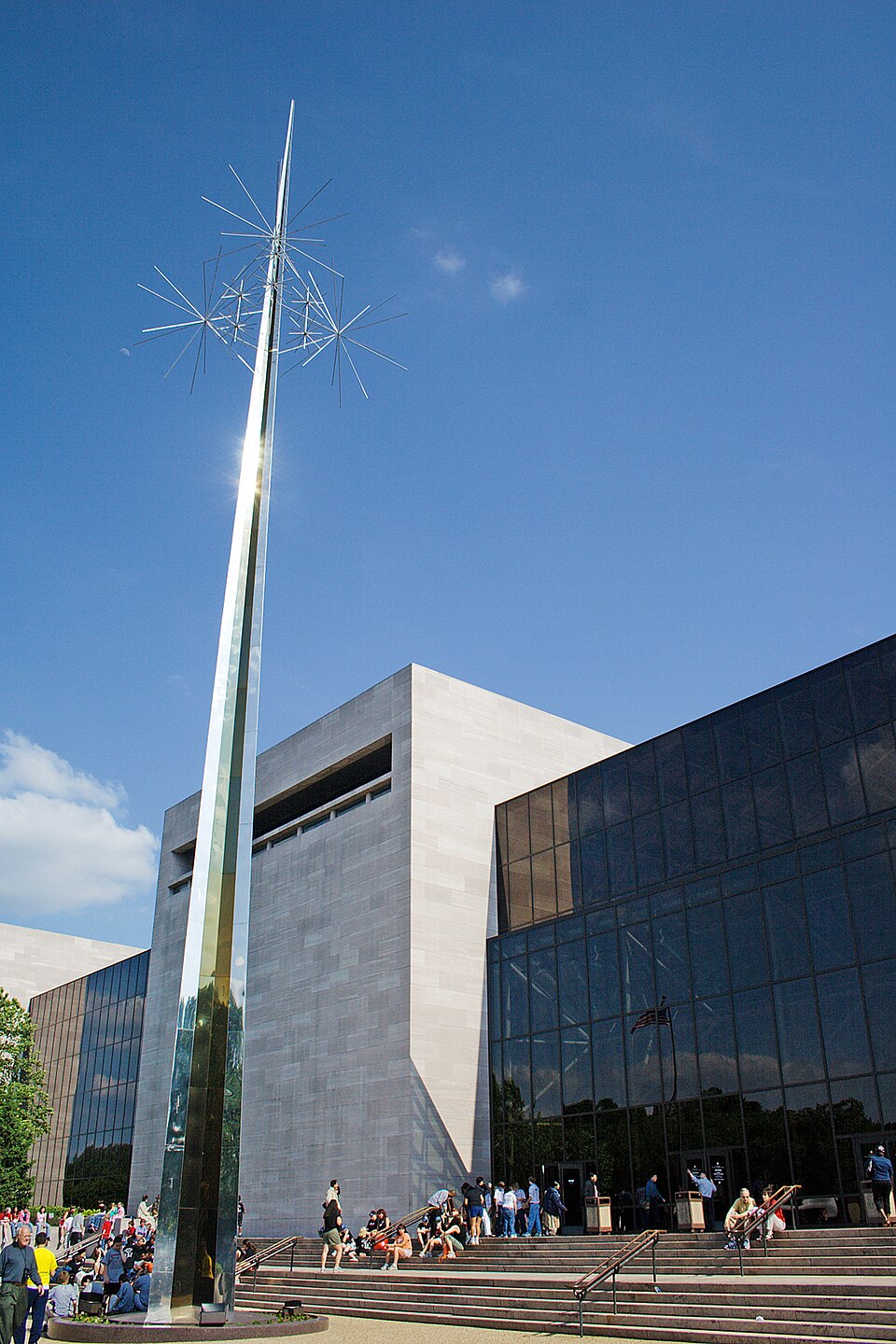
Nobody leaves this one unimpressed. Nobody.
In the central Milestones of Flight Hall, towering U.S. Pershing-II and Soviet SS-20 nuclear missiles stand next to the popular moon rock station, where visitors can see a lunar sample from the 1972 Apollo 17 mission. The 1903 Wright Flyer and Charles Lindbergh’s Spirit of St. Louis are both suspended overhead.
That moment when you look up and see the actual plane that flew at Kitty Hawk? It hits differently than any photo ever could.
The museum is also home to the Apollo 11 command module and the Space Shuttle Discovery. Visitors must have a timed entry ticket, and the lines move rapidly at the top of each hour.
Honest heads up: This place gets loud and crowded by mid-morning. For a less hectic visit, skip the morning rush and go after noon when crowds thin out. Carve out three to four hours and wear comfortable shoes.
There’s also a second location out near Dulles Airport (the Udvar-Hazy Center) that houses the actual Space Shuttle Discovery. Worth the trip if you have an extra day.
3. National Museum of Natural History
Ask any DC local which museum they’d send a first-timer to first, and Natural History comes up constantly. It’s the one that works for literally everyone.
It spans billions of years of Earth’s history. From the moment you step inside, it’s a journey through the fabric of life. The Sant Ocean Hall is breathtaking, surrounding visitors with massive whales, giant squid, and vibrant marine life.
The Hope Diamond is here, too. 45.52 carats of blue. It sits behind glass, and people crowd around it like it’s a rock star. And honestly, it kind of is.
What makes it worth it for families: The museum manages to present incredibly complex scientific concepts in ways that are both accessible and exciting. It’s completely free, which is a huge bonus for families.
No timed passes needed. Just show up. That alone makes it logistically easier than half the other museums on this list.
Detail | Info |
Admission | Free |
Hours | Daily 10 a.m. – 5:30 p.m. |
Best for | Families, science lovers, everyone |
Book ahead | Not required |
4. United States Holocaust Memorial Museum
This one needs a separate kind of preparation. It’s not a casual afternoon stop.
The Holocaust Memorial Museum is a powerful and somber institution dedicated to ensuring the lessons of the Holocaust are never forgotten. Located near the National Mall, it’s intentionally designed to be a challenging and immersive experience, chronicling the persecution and murder of six million Jews and millions of other victims.
The permanent exhibition spans three floors and guides visitors through the rise of the Nazi regime, camp life, liberation, and aftermath. It’s one of the most carefully designed museum experiences anywhere in the world.
Practical note: Passes are necessary to enter the permanent exhibition from March 1 through August 31. Outside of those dates, visitors can enter the building without passes to visit the public memorials and interactive areas.
Budget two to three hours. Don’t rush it. And maybe don’t plan anything else right after.
5. National Gallery of Art
The National Gallery of Art stands out through the sheer quality and breadth of its collection, offering a comprehensive journey through Western art history. It’s rare to find so many masterpieces from such a wide range of periods and movements, all accessible for free.
Two buildings. Two totally different vibes.
The West Building is classical. Rembrandt, Vermeer, da Vinci’s Ginevra de’ Benci (the only Leonardo painting in the Americas, which is insane when you think about it). High ceilings. Natural light. The kind of space that makes you walk slower.
The East Building is modern. All angles and light. Rothko, Picasso, Matisse. Connected by an underground walkway with a moving walkway and a kinetic sculpture ceiling that people constantly photograph.
Art-focused groups can go deeper than a self-guided walk. EE Tours offers Washington DC art tours that include gallery visits, architecture walks, and even studio time with working artists.
Honest time estimate: The National Gallery is vast, so comfortable shoes are non-negotiable. Dedicate at least two to three hours per building, especially for art enthusiasts. Don’t try to see both in one go unless you’ve slept well.
6. National Museum of American History
This is where DC gets unexpectedly personal.
The original Star-Spangled Banner. Julia Child’s actual kitchen, reassembled inside the museum. Kermit the Frog. Muhammad Ali’s boxing gloves. Judy Garland’s ruby slippers from The Wizard of Oz. It sounds random. But that’s exactly the point. American history is random, wide, and full of surprises.
It sits right between Natural History and the Washington Monument on the Mall, so it’s easy to stack with another stop. No timed passes. Free admission. Crowds are lighter here than at Air and Space or Natural History, so it’s a good option for a mid-afternoon visit when other places get packed.
Plan two hours. Three if you’re someone who reads every panel.
Detail | Info |
Admission | Free |
Hours | Daily 10 a.m. – 5:30 p.m. |
Best for | Pop culture, U.S. history, families |
Book ahead | Not required |
7. International Spy Museum
The one museum on this list that costs money. Worth it anyway.
The International Spy Museum puts visitors in the world of espionage with spy gadgets, disguises, and immersive exhibits built around real-life intelligence stories. It’s interactive in a way that the free Smithsonian museums typically aren’t. Kids love it. Adults who think they’re too cool for it end up staying an hour longer than planned.
You get an undercover identity at the start and carry it through the exhibits. There’s a briefing room, a Cold War section, a field ops challenge. The building itself is newer and purpose-built, which means better flow and less of the “wander and hope” feeling some of the larger museums have.
Admission runs around $25 to $30 for adults. Book tickets online in advance to skip the line.
8. National Portrait Gallery and American Art Museum
This one is technically two museums sharing one building. And it’s consistently underrated.
The National Portrait Gallery is an instant soothing experience. The easy-to-navigate layout takes visitors through key periods of American history.
The Hall of Presidents contains the only complete collection of portraits of every U.S. president, including Kehinde Wiley’s portrait of Barack Obama and Gilbert Stuart’s Lansdowne portrait of George Washington.
The American Art Museum houses prominent works by Edward Hopper, Georgia O’Keeffe, and Andy Warhol’s Marilyn Monroe portrait.
It’s not on the Mall. It’s a few blocks north near Chinatown. That means most tourists skip it. Which is exactly why it’s worth going.
The Phillips Collection, America’s first museum of modern art, founded in 1921, showcases artists like Van Gogh, Monet, Picasso, Renoir, and O’Keeffe. That’s a separate stop in Dupont Circle for serious art people, but the Portrait Gallery should be on every first-timer’s list first.
Free. Open daily. Go on a weekday if possible.
How to Plan Your DC Museum Day
First-timers often make the same mistake: they try to see four or five museums in one day. By 3 p.m., they’re exhausted, cranky, and standing in front of a moon rock without actually seeing it.
Pick two. Three at most if they’re physically close together.
A few practical notes before you go:
- Book African American History passes 30 days in advance. Seriously. Don’t wait.
- The National Mall is walkable, but it’s longer than it looks on a map. Wear real shoes.
- Most Smithsonian museums open at 10 a.m. Get there at 9:45 for a quieter first hour.
- Weekdays are always better than weekends for crowds, especially in spring and summer.
- Guided tours change the experience completely. A good guide turns artifacts into stories.
DC rewards people who come in with a plan. These eight museums are the best starting point for any first visit, but the city has dozens more waiting once the main list is done.
If you’re planning a group visit and want someone to handle the logistics while you focus on the experience, EE Tours runs Washington DC tours built specifically for first-timers and educational groups.
FAQs
1.What are the best museums in DC for first-time visitors?
The best options include the Air and Space Museum, the Natural History Museum, the American History Museum, and the African American History Museum.
2. Are museums in Washington DC free?
Most Smithsonian museums are free to enter, but some, like the International Spy Museum, require tickets.
3. How many museums can be visited in one day in DC?
It is best to visit 2 to 3 museums in a day to avoid fatigue and fully enjoy each experience.
4. Do DC museums require advance booking?
Some popular museums require timed entry passes, so booking in advance is recommended.