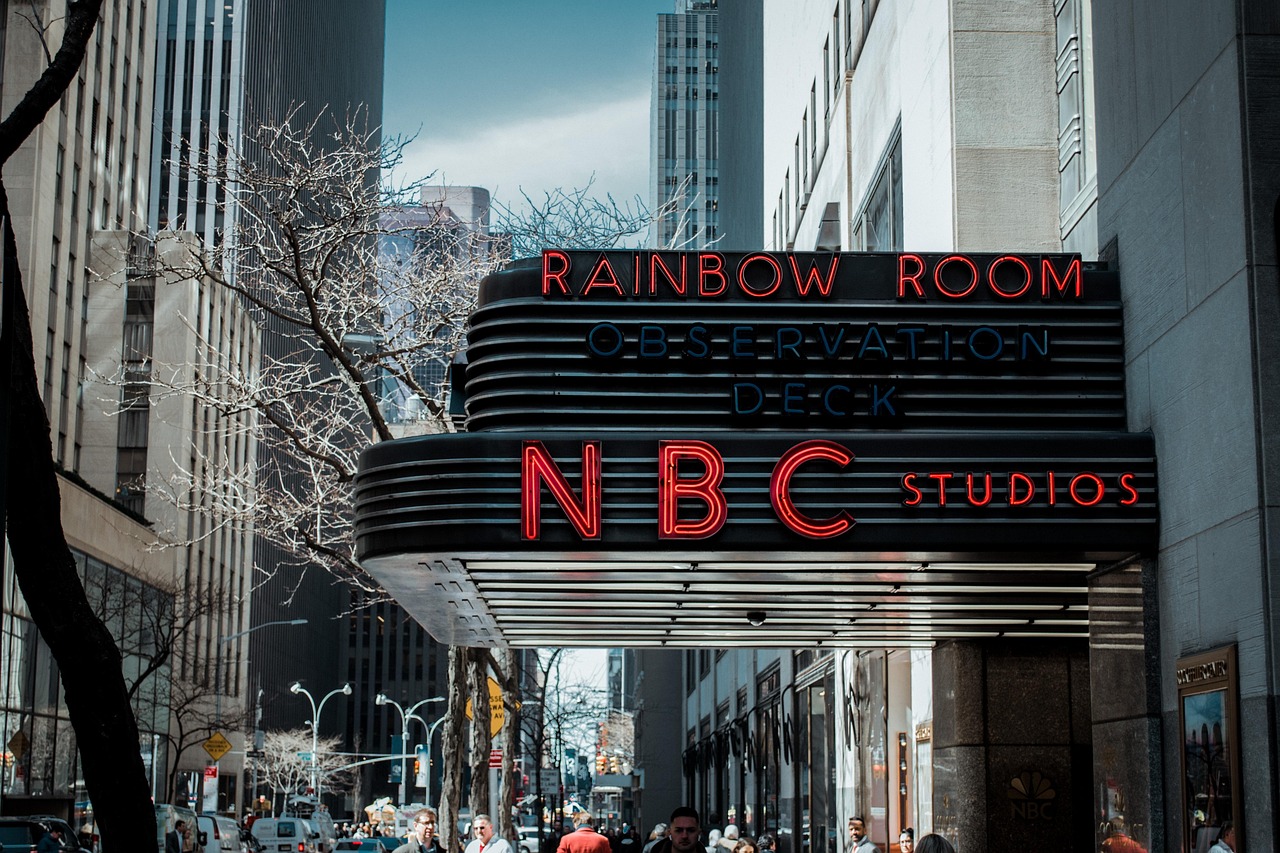
A great high school field trip doesn’t have to mean another museum visit. For specialty programs, the best experiences usually happen somewhere less polished than a gallery: a rehearsal room, a design studio, a working kitchen, a recording booth, a backstage hallway.
None of this is about finding the most unusual destination on the map. It Is about matching the trip to what your students are actually learning. A theater group wants to see how a production comes together. Fashion students want to watch an idea turn into a finished garment. Culinary students learn more from a chef’s line during service than from another lecture on knife skills.
Below are 10 field trip ideas built around giving specialty programs a real look at the work behind the finished product.
Why Specialty Programs Need More Than a Standard Field Trip
Museums have their place, but they are not the only way to connect travel with coursework.
Step into a working studio, a rehearsal, a production space, or a professional kitchen, and students start to see how ideas actually become finished work — the creative decisions, the false starts, the collaboration, the parts of a profession that never make it into a textbook.
That matters more for specialty programs than for a general trip. Start with what you are teaching, then build the itinerary around it.
If New York is on the table, EE Tours’ NYC educational & arts tours is a solid place to start looking at options across different arts and specialty programs.
10 High School Field Trip Ideas for Specialty Programs
1. Go Behind the Scenes at a Theater
The show doesn’t have to end when the curtain falls. Depending on what a venue offers, a backstage tour can take students through lighting rigs, costume shops, and the operations that keep a production running.
For theater students, this is where classroom concepts stop being abstract.
2. Visit a Working Artist’s Studio
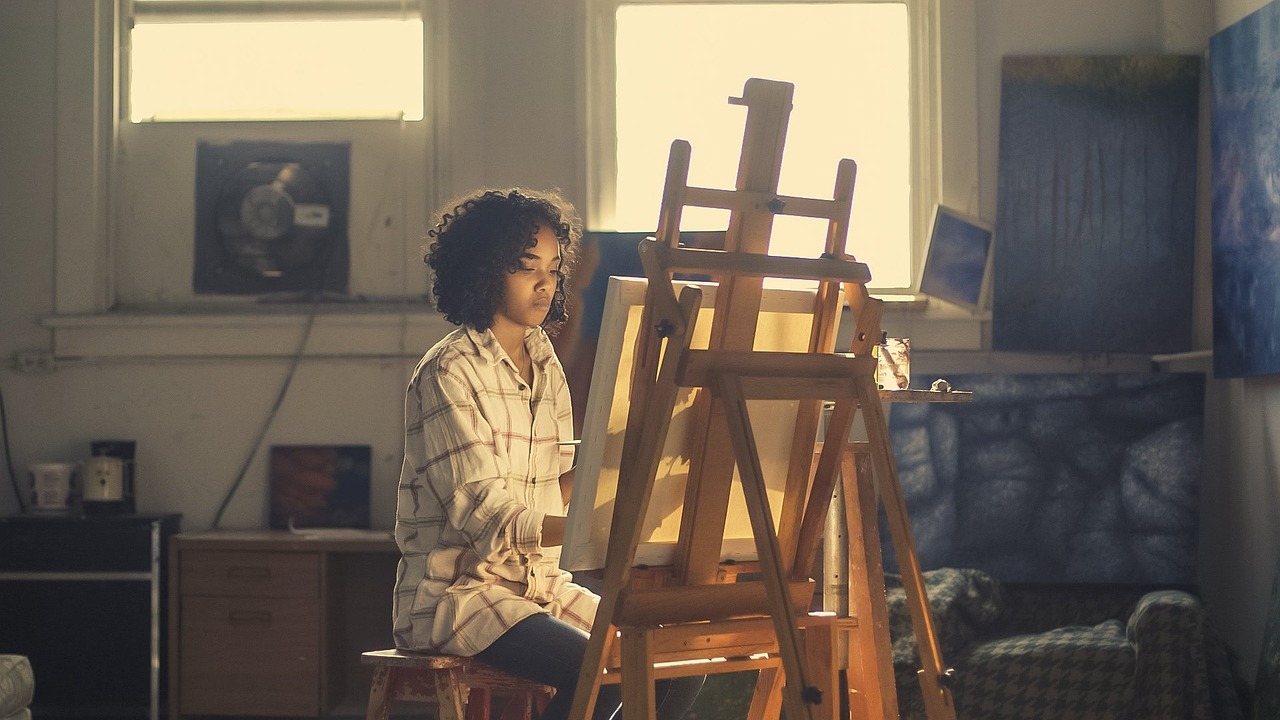
Finished paintings and sculptures only tell half the story. A studio visit lets students watch the process happen in real time: materials, technique, the revisions nobody sees in the gallery version.
It also opens up honest conversation about what it actually looks like to work as an artist.
3. Explore Fashion Design and Production
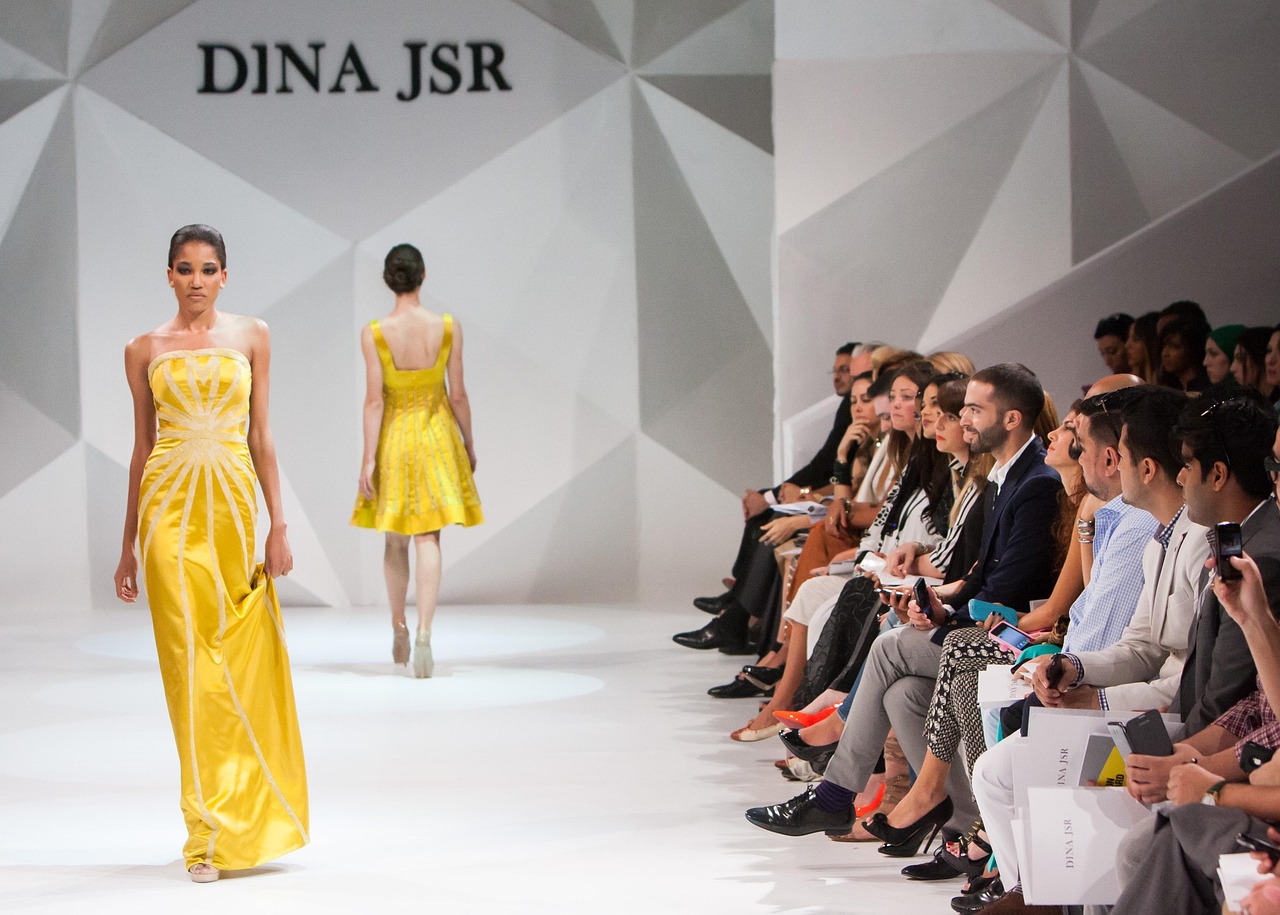
Somewhere between a sketch and a finished garment, a lot happens such as pattern development, sampling, material choices, fittings. Fashion students rarely get to see that middle stretch, and a design or production visit fills in the gap between what they are learning in class and the industry they’re heading toward.
4. Visit a Professional Kitchen
A commercial kitchen runs nothing like a classroom kitchen. Depending on the venue, culinary students might watch a service unfold: the organization, the plating, the split-second calls chefs make when things get busy.
5. Visit an Architecture or Design Firm
Architecture students spend most of their time in a sketchbook. A visit to a working firm, where student groups are welcome, shows them what happens after the sketch such as design development, models, and the back-and-forth of a real project with real constraints.
6. See How Music Gets Recorded
Performances aren’t the only side of music worth seeing. A recording studio shows a different kind of craft entirely: mixing, production, the technical choices that shape how a track ends up sounding, depending on what the studio and program allow students to observe.
7. Attend a Professional Dance Rehearsal
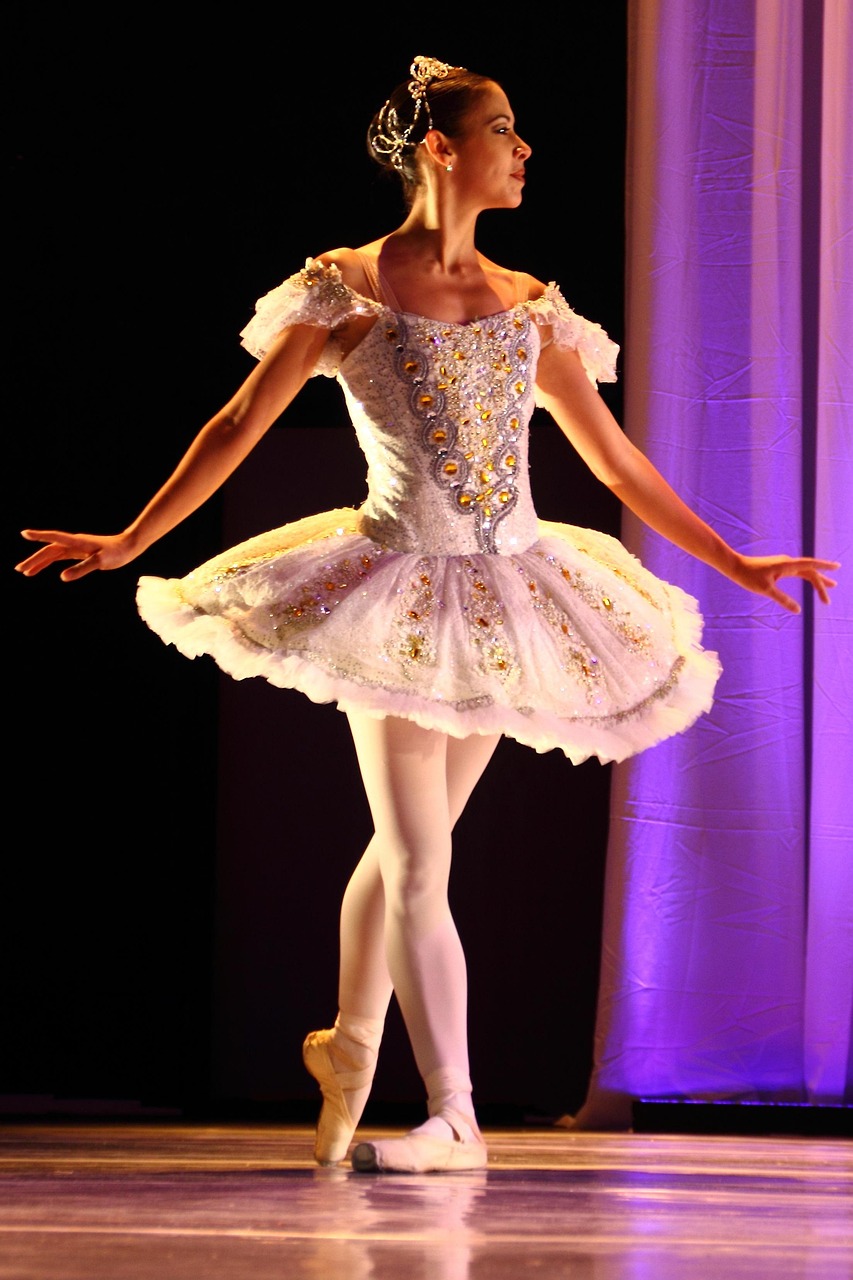
A finished performance looks effortless by design. A rehearsal shows the work underneath it — dancers taking corrections, running a section for the fifth time, refining choreography inch by inch. It is a much clearer picture of the discipline behind the polish.
8. Experience Immersive Art
An immersive installation asks something different of art students than a painting on a wall does. Space, light, sound, movement — students become part of the piece instead of just observing it, which opens up a different kind of conversation about how artists shape an experience.
9. Visit a Film or Television Production
What ends up on screen is the smallest part of the story. A set visit shows students how lighting, sound, costumes, camera, and production departments all have to move together and how much coordination a single short scene actually takes.
10. Explore Trend Forecasting
Fashion and art students don’t often get to see how a creative idea turns into a commercial trend. A trend-forecasting session introduces research methods, consumer behavior, and the visual-direction decisions that eventually show up in stores and media.
How to Choose the Right Field Trip
Start with your program, not the destination.
A few questions worth asking before you book anything:
- What are students learning right now?
- What part of this profession is hard to teach from a classroom?
- Would this group get more out of watching, participating, or talking directly with a professional?
- Does the venue work for your group size and chaperone requirements?
- Is the venue actually set up to host student groups?
- What accessibility or scheduling details need confirming ahead of time?
A theater teacher and a culinary instructor might have completely different priorities even if their classes are traveling to the same city. This is exactly why the itinerary should be built around the program, not the other way around.
Planning a Fall or Winter Trip
Spring gets most of the school-trip traffic, but specialty programs don’t have to wait for it.
If your calendar allows a fall or winter trip, check the schedules for the performances, studios, and workshops you are interested in first — availability shifts a lot by venue and season, so it is worth building the itinerary around what is actually confirmed rather than what you hope will be available.
An off-season trip also means your program isn’t competing with every other school for the same spring dates.
Planning Your First Student Trip
Organizing your first student trip doesn’t require having every detail nailed down before you start.
Begin with what you want students to experience and why. Transportation, lodging, group size, chaperones, payment logistics, and timing all follow from that.
A smaller, specialized tour company tends to make this easier than a large operator would. Instead of bouncing between departments, you get one person who actually understands your program and can shape the trip around it. This matters most when your group doesn’t fit a standard tour package.
Build the Trip Around Your Students
A strong field trip isn’t measured by how many attractions fit on the itinerary. It is measured by whether students can draw a clear line between what they are studying and what they just watched happen in front of them.
Backstage access for the theater kids. A design studio for the fashion class. Time with working chefs for the culinary program. Artists at work for the art students.
Students don’t need to see everything on a trip like this. They need to see the handful of things that actually matter for what they’re learning.
If you are planning a specialty-program trip to New York, EE Tours can help build an itinerary around what your students are studying, instead of starting from a generic package and working backward.