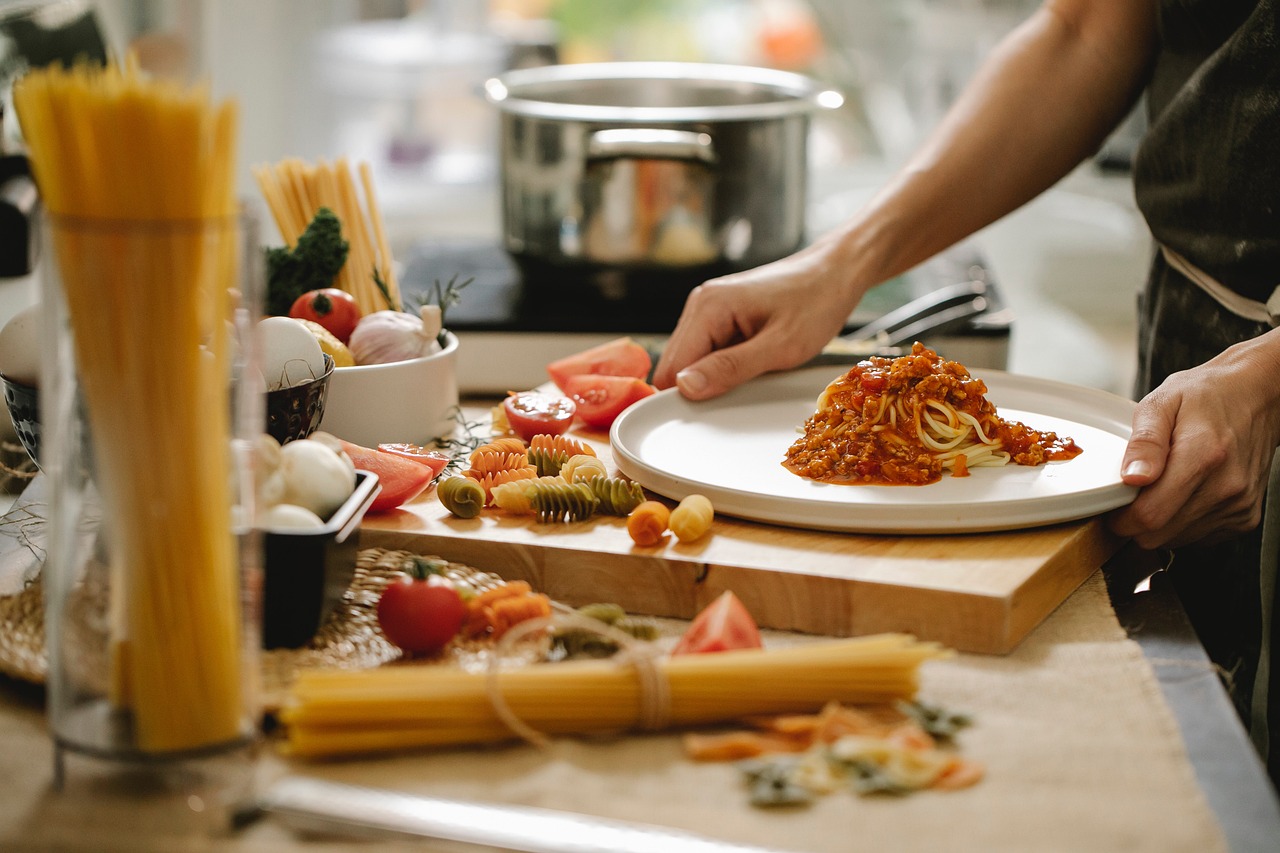
New York has thousands of restaurants. That is exactly what makes planning a food-focused group trip so difficult. Unique eating experiences in NYC work best as teaching tools and not just meals. Pick the right ones for your program, not the most instagrammable ones.
We have seen students stay more engaged during hands-on food experiences than during back-to-back museum stops. Students remember using their hands. Let us get into what actually works.
Why NYC’s Food Scene Doubles as a Classroom
A single afternoon can move your students far, from a flushing banquet hall to a Bronx market. Each stop can teach something about immigration, tradition, and food craft. Jackson Heights reflects culinary traditions from communities around the world. All within a 20-minute walk. That range doesn’t exist anywhere else in the country.
For culinary program leaders, this city works like a syllabus. Students watch techniques up close. They ask real chefs real questions. Weighing whether this fits your program? EE Tours already has itineraries built for exactly this.
What Makes an Eating Experience Work for a Group
Not every trendy spot works for a class trip. A cocktail bar isn’t right for sixteen-year-olds. A three-hour tasting menu won’t fit a tight schedule. Looking for unique eating experiences in NYC? Look for:
- Seating that handles 15 to 40 people without splitting the group
- A hands-on element, since watching food get made teaches more
- Pricing that works across a whole class of chaperones and students
- A cultural angle a teacher can build a lesson around
13 Unforgettable Eating Experiences in NYC
- Dim sum at a Flushing banquet hall. Carts roll by loaded with dumplings, and students pick what looks good instead of ordering blind.
- A hands-on cooking demo. Several studios offer group sessions where students actually cook. These work especially well for culinary programs.
- Chelsea Market’s food hall. One building, dozens of vendors, something for every picky eater.
- Arthur Avenue in the Bronx. The center of a century-old Italian-American community.
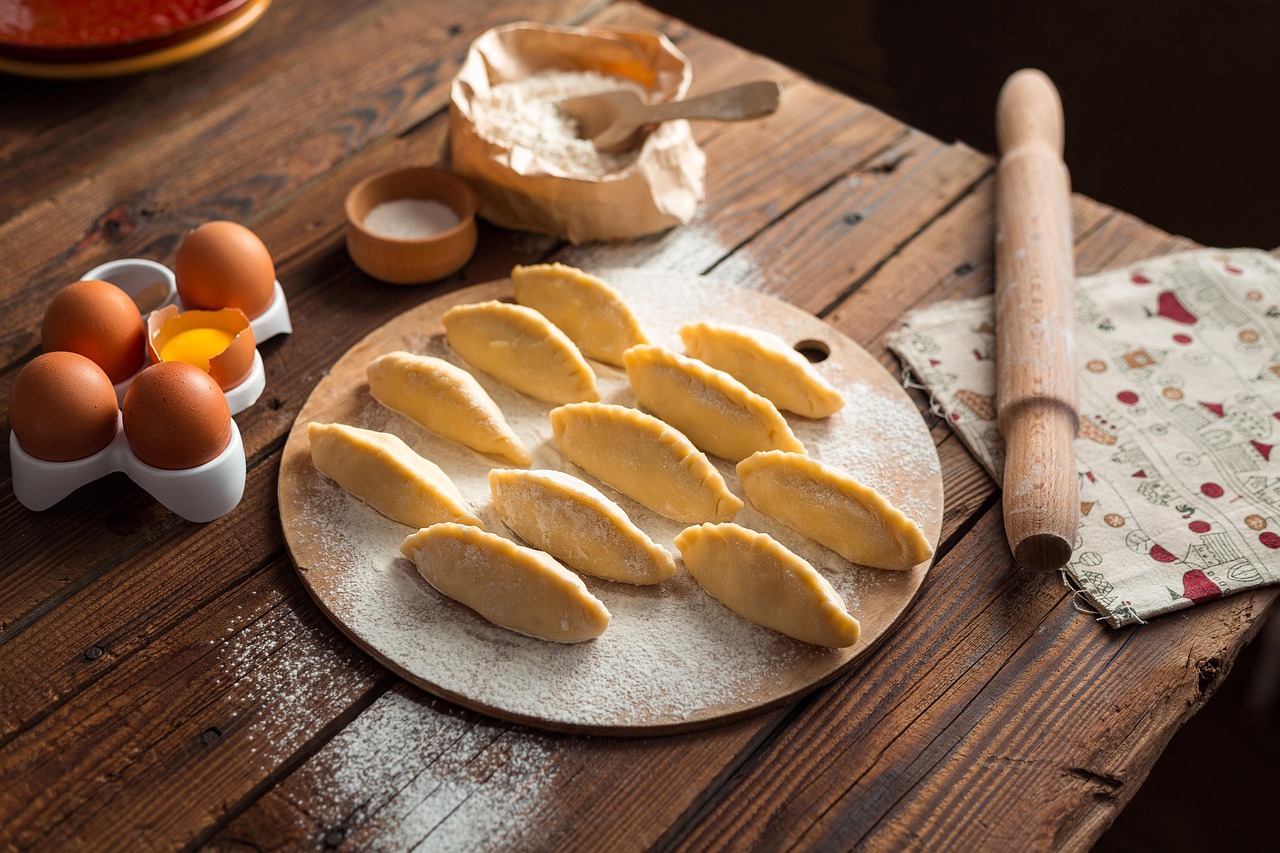
- A dumpling-folding class in Chinatown. Lunch becomes a skill lesson.
- Katz’s Delicatessen. Touristy, sure, but a genuine slice of NYC history.
- Smorgasburg (seasonal weekends). Dozens of vendors for an easy group lunch.
- A bagel-making workshop. Watching one shaped and boiled changes how a kid sees breakfast.
- Jackson Heights’ food strip. Colombian, Tibetan, Indian, and Thai spots within blocks.
- A pizza class in Little Italy. Hands-on and genuinely fun after a long bus ride.
- Union Square Greenmarket. Pairs naturally with a farm-to-table lesson.
- A dessert crawl in the West Village. A great reward stop after a museum day.
- A themed dinner near Broadway. Several restaurants build menus around current shows.
Matching the Experience to Your Program
Program Type | Best-Fit Experience | Why It Works |
Culinary | Dumpling or pizza class | Hands-on skill building |
Theater | Pre-show dinner near Broadway | Timing fits the schedule |
Art | Chelsea Market + gallery walk | Same neighborhood, easy pairing |
Music | Dessert crawl after a show | Low-effort, high reward |
Group Logistics Teachers Always Ask About
Many guided food experiences run for two to three hours, but timing varies by format. Some guided food tours cover several tasting stops in one outing. Expect tastings, not full plates. Budget $60 to $120 per person. Larger groups may benefit from shared fixed costs, but pricing depends on the venue and format. Fixed guide and venue fees can also bring down the per-person cost for larger groups.
Public experiences often have fixed capacity limits, while private bookings may offer more flexibility. Private bookings don’t have that ceiling. Flag dietary restrictions early. Tell every venue about allergies and dietary restrictions before booking, and confirm what they can safely accommodate. Problems show up when someone mentions it at the first stop.
A smaller, specialized agency handles this better than a massive operator. You keep the same point of contact throughout. Check out New York Tours for itineraries built around this. For school groups, logistics go beyond building the itinerary. e.e. tours also provides a payment platform where families can register and pay directly.
Best Time of Year for a Food-Focused Trip
Spring runs April through June. It’s the most forgiving window. Mild weather, manageable crowds, markets at full capacity. Fall works nearly as well. Harvest menus, cooler air, easier walking. Winter is the quiet season, and that’s not a downside. Fewer tourists, easier tables, sometimes lower rates too. December through February deserves a serious look.
Is This Worth the Trip for Your Class?
Yes, but only if it matches what you are teaching. A culinary program gains more from a dumpling class than a fancy tasting menu. A theater group gains more from a pre-show dinner than a trek to Brooklyn. Pick three or four unique eating experiences in NYC that fit your students. Not all thirteen in one exhausting day.
Ready to build a trip around unique eating experiences in NYC that students will still talk about years later? Explore EE Tours’ New York Tours options next. So which lesson does your class need most: history, culture, or just a really good meal?
FAQs
- How much does a food-focused NYC trip cost per student?
Usually $60 to $120 per person. Larger groups often pay less per head. - What group size works best?
It depends on the format. Public tastings cap around 12 to 25. Private bookings handle 40 or more. - Can dietary restrictions be accommodated?
Usually, yes, with a few days’ notice. Last-minute mentions cause real problems mid-tour. - Is this appropriate for younger students?
For the most part, yes. Skip anything alcohol-focused. Stick to daytime, hands-on stops.