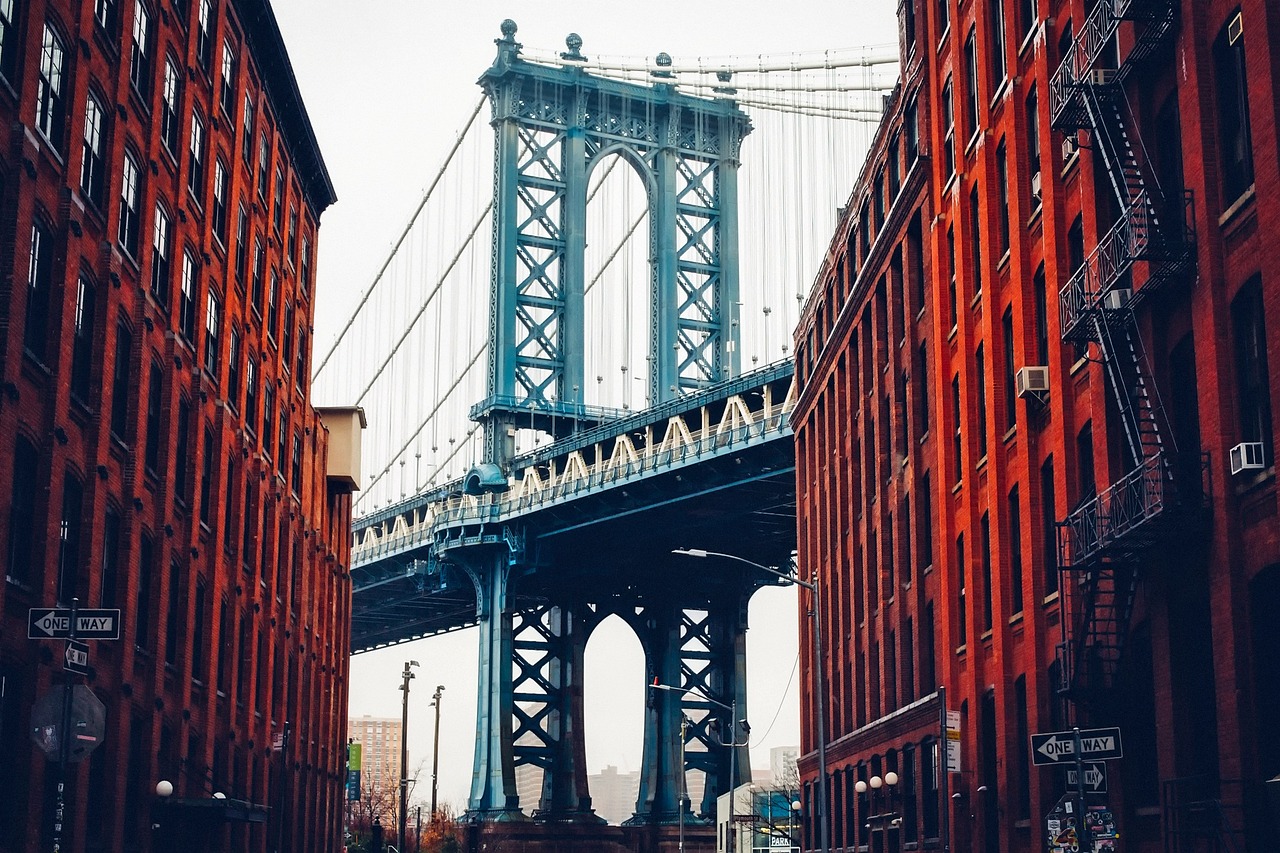
The best educational trips in NYC tie directly to what a class is studying. They are not built off a generic tourist checklist. Teach theater, art, music, dance, fashion, or culinary arts, and New York gives you a classroom no textbook can match.
Planning one of these trips starts with logistics: permission slips, chaperones, transportation. It can feel like a lot before a single student steps off the bus. But a trip built around the curriculum shows up later in class discussions, projects, and engagement a worksheet can’t produce.
Why Educational Trips in NYC Matter for Specialty Programs
A theater student reading a script takes away something different from watching that story staged live. A fashion student studying construction learns more from an actual collection than a slideshow. New York puts that kind of access within reach in a single day — which is the idea behind our educational & arts tours program.
Specialty programs benefit because the city’s cultural infrastructure lines up with what these classes already teach. Broadway houses, gallery districts, design studios, and working kitchens sit within a few square miles of each other, so a group can move between disciplines without losing a day to travel.
Educational Trips in NYC for Students, By Program Focus
An itinerary works better when it reflects the subject being taught. Theater and music students get the most out of live performance, backstage access, and workshops led by working professionals. Art and fashion classes tend to get more out of gallery visits and design studios than general sightseeing. Culinary students need hands-on kitchen time tied to the syllabus, not a walking tour that happens to pass a few good restaurants.
How Far in Advance to Book
For popular travel periods, booking nine to twelve months ahead can give groups more time to secure preferred accommodations, activities, and performance dates. That timeline holds for specialty programs too. Popular shows and workshop slots fill quickly, especially during spring and fall. Booking early also gives a smaller agency more room to build something custom instead of fitting a group into whatever’s left over.
How Many Days a Trip Actually Needs
A three-day trip can work well for a focused, single-discipline itinerary, while programs combining several disciplines may benefit from four or five days. Mixed-arts programs combining theater, music, and visual art tend to need four or five days, since moving between neighborhoods takes time. Shorter trips work best when the goal is depth in one subject rather than a broad survey.
12 Ideas Worth Building a Trip Around
1. See a Broadway or off-Broadway show: Group rates are easier to manage through a program built for student travel than buying tickets one family at a time.
2. Book a backstage theater tour: A look at lighting rigs and set changes teaches students something a script alone won’t.
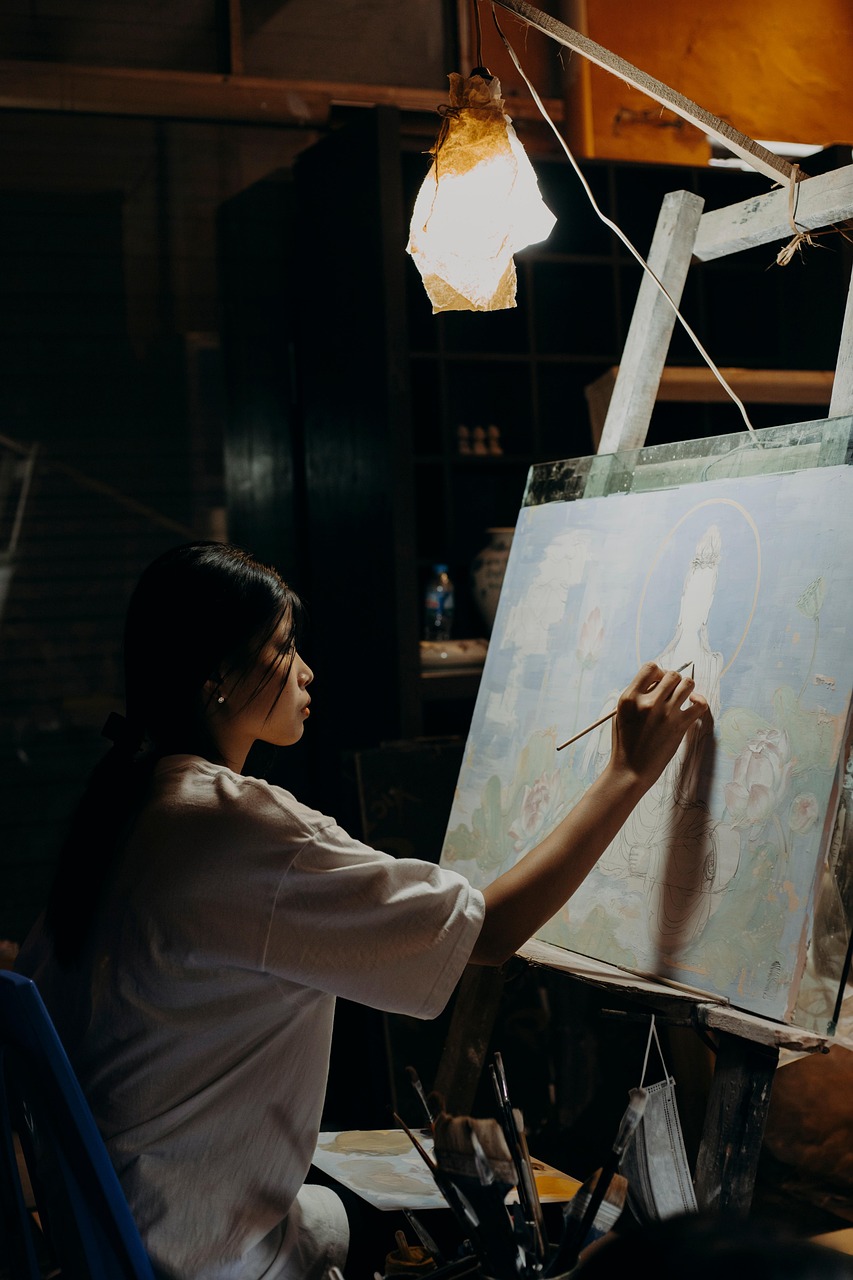
3. Visit a working art studio: Watching a piece get built from raw material shows the process in a way a gallery wall can’t.
4. Tour a major museum with a student-focused guide: The 9/11 Memorial Museum offers educational programs that can connect the history of 9/11 with classroom learning. Check the museum’s current group and school-program schedule when planning.

5. Walk the Garment District: The Garment District gives fashion students a chance to explore New York’s longstanding apparel-production history and the businesses that shaped the city’s fashion industry.
6. Visit a fashion archive or design-focused collection: Students can examine garments, sketches, construction details, and historical references that connect classroom concepts to finished work.
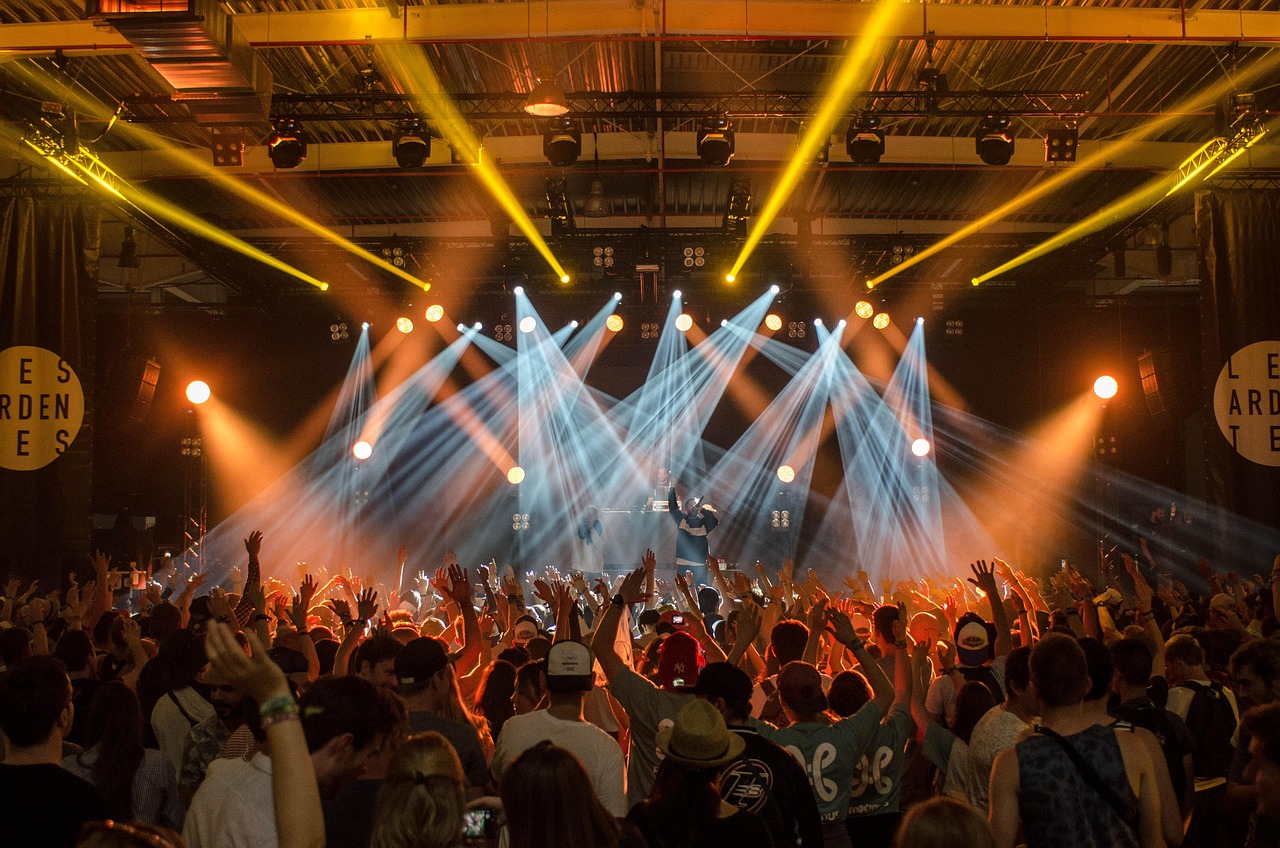
7. Attend a live concert or recital: Music students hear dynamics and stage presence that recordings flatten out.
8. Tour a dance company’s rehearsal space: Watching professionals rehearse shows the work behind the finished performance.
9. Book a workshop with a working chef: Hands-on instruction gives technique feedback a classroom demo can’t.
10. Take a food market tour: Culinary students get exposed to ingredient sourcing and small food businesses a school kitchen can’t show.
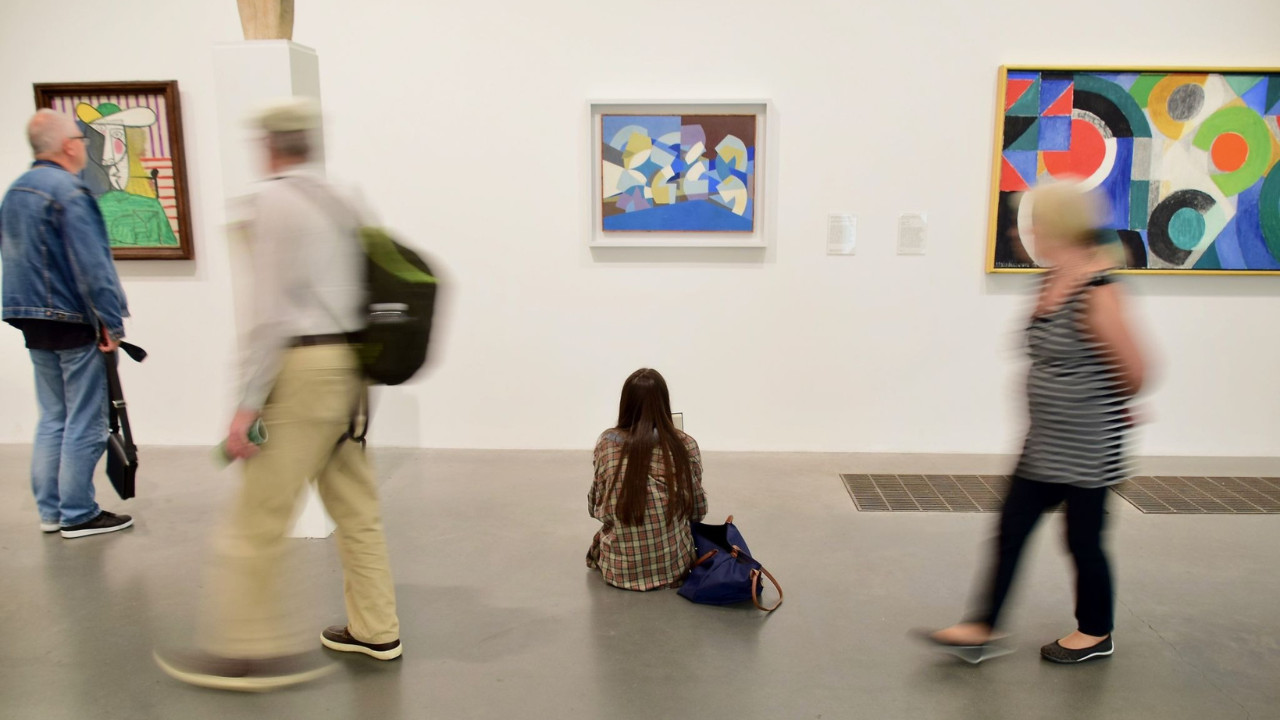
11. Walk a gallery district: Chelsea and the Lower East Side both work well for a focused afternoon.
12. Combine two disciplines in one day: A morning museum visit followed by an afternoon Broadway show gives mixed-arts programs a fuller day without cramming it.
Programs built through our educational & arts tours service are designed around this kind of combination. If your program also covers history, government, or business, our broader guide to educational travel adventures in New York City covers those subjects as well.
On-the-Ground Logistics
A few practical details matter once the itinerary is set. Most groups combine private coach transportation with planned subway routes to keep movement efficient between stops. Bundled admission passes can cut per-student costs across multiple sites. Having one point of contact throughout planning gives teachers and administrators a clearer line of communication from the first itinerary discussion through the trip itself.
Factors To Consider Before Booking
Cost comes up first, almost every time. Compared to a standard field trip, curriculum-built programs generate deeper engagement than general sightseeing — usually the reason to pick an educational trip in the first place.
Customization is the second question. A smaller agency working directly with a program can build the schedule around specific goals instead of adapting a package meant for whichever group walks in next.
And if the focus is narrow, costume design, jazz history, that’s exactly what custom itineraries are for. A standardized itinerary may not account for the specific goals of a specialty program. A custom itinerary can be built around the subject instead.
Making the Call
Start with what students are studying this semester. For theater, live performance and backstage access do more than almost anything else on this list. Culinary programs are different: kitchen time beats a walking tour every time. And a fashion class usually gets more from an afternoon in a design studio than a shopping trip dressed up as an educational outing.
The underlying reason to go doesn’t change: students end up in front of real professionals doing real work, not looking at photos of it in a textbook. If this feels like the year, our educational & arts tours page shows what a custom itinerary can look like, built around a subject, a calendar, and a group of students.