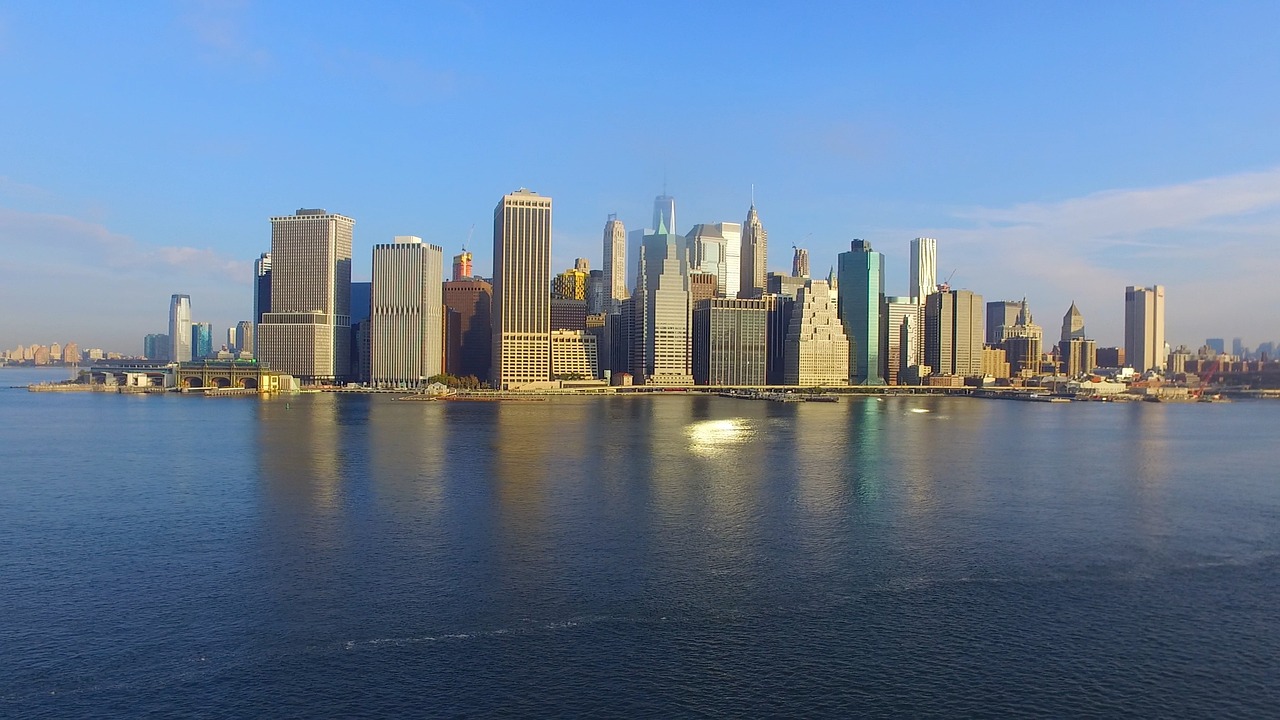
Thanksgiving in NYC gives student groups something most fall trips don’t: a live cultural event that can connect directly to theater, art, fashion, and culinary studies. Thanksgiving in NYC means the Macy’s parade, packed sidewalks, and a city running on its loudest, most festive energy of the fall. For a teacher or administrator weighing a group trip around this week, that combination is exactly why it’s worth serious consideration, not just a maybe-someday idea.
Thanksgiving week can be crowded, particularly around the parade, but that energy is also what makes it valuable for specialty programs.The parade alone draws three to four million spectators along its route, with another fifty million watching from home. But that same energy is what makes the week valuable for specialty programs. Broadway runs full houses through the holiday, museums add seasonal programming, and the city puts on a show that a normal Tuesday in October simply can’t match.
Why Thanksgiving in NYC Works for Group Trips
Fall break and the days around Thanksgiving open a scheduling window most schools don’t use. Students still carry momentum from the semester, and a trip built around this week can connect directly to material already covered in class.
A theater program studying stagecraft gets to watch professional float builders and puppeteers at work during the parade’s preparation, exactly the kind of access a well-built New York Tours itinerary is designed around. A culinary class covering seasonal menus lands in the city exactly when restaurants are running their biggest holiday specials of the year. The timing does a lot of the curriculum work on its own.
A few reasons this specific week suits specialty programs:
- Broadway continues its regular performance season through Thanksgiving week, although individual show schedules vary.
- The parade itself, running since 1924, offers a real-world example of large-scale event production.
- Museums and cultural institutions continue offering exhibitions and educational programming during Thanksgiving week, although schedules vary by institution.
- Restaurants and food halls showcase seasonal menus, useful material for culinary classes.
Where to Go for Thanksgiving in NYC, By Program Focus
A theater group and a culinary class shouldn’t be looking at the same Thanksgiving week schedule. Where to go for Thanksgiving in NYC comes down to what’s actually being taught, so sorting by subject first saves a lot of back-and-forth later.
For theater and performance programs, the balloon inflation event held the night before the parade, near the American Museum of Natural History, is the real find. It’s a genuinely behind-the-scenes look at how a massive live production actually comes together, closer to a dress rehearsal than a spectator event. Art and fashion classes tend to get more out of the parade’s Upper West Side viewing areas instead, where oversized character balloons and float design work like a real-world lesson in scale and visual storytelling. Culinary programs land somewhere else entirely. Their week is really about the dining scene, since restaurants across the city rebuild entire menus around the holiday for a stretch of just a few weeks.
9 Magical Things to Do This Thanksgiving
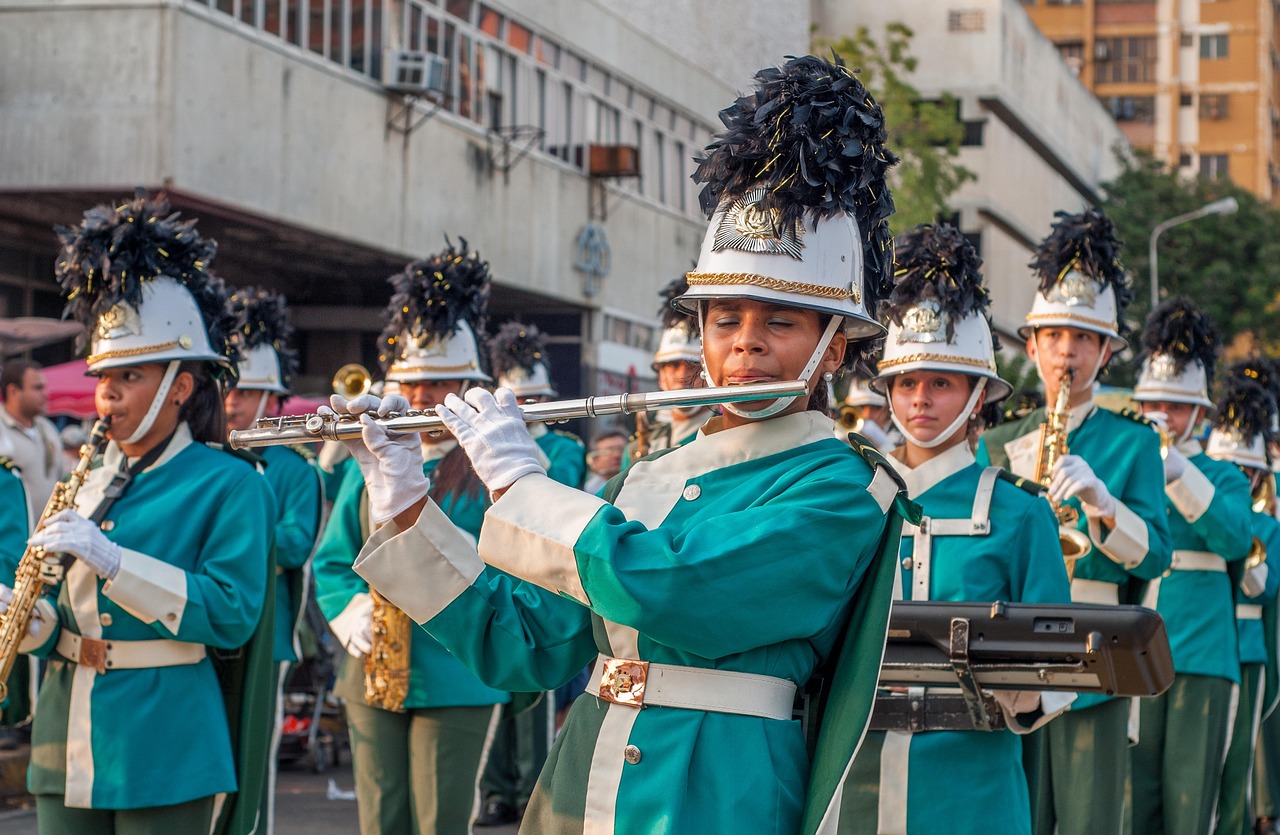
- Watch the Macy’s Thanksgiving Day Parade: It stretches roughly two and a half miles from Central Park West down to Herald Square. Arriving by 7 or 7:30 in the morning still gets a workable view without the earliest, coldest crowds.
2.Check whether public access is available for the balloon inflation event the night before: Held near the American Museum of Natural History, it gives students a behind-the-scenes look at how the parade’s giant balloons are prepared before they take flight.
- Catch a Broadway show during the holiday run: Thanksgiving week brings holiday-season performances across Broadway, but popular shows may have limited group availability. Booking group seats early through a program built for student travel, like our New York Tours service, keeps it from turning into a last-minute scramble.
- Visit the Empire State Building on Thanksgiving evening: See the Empire State Building’s Thanksgiving lighting, scheduled for festive fall shades in 2026, giving art and design students a striking visual reference against the skyline.
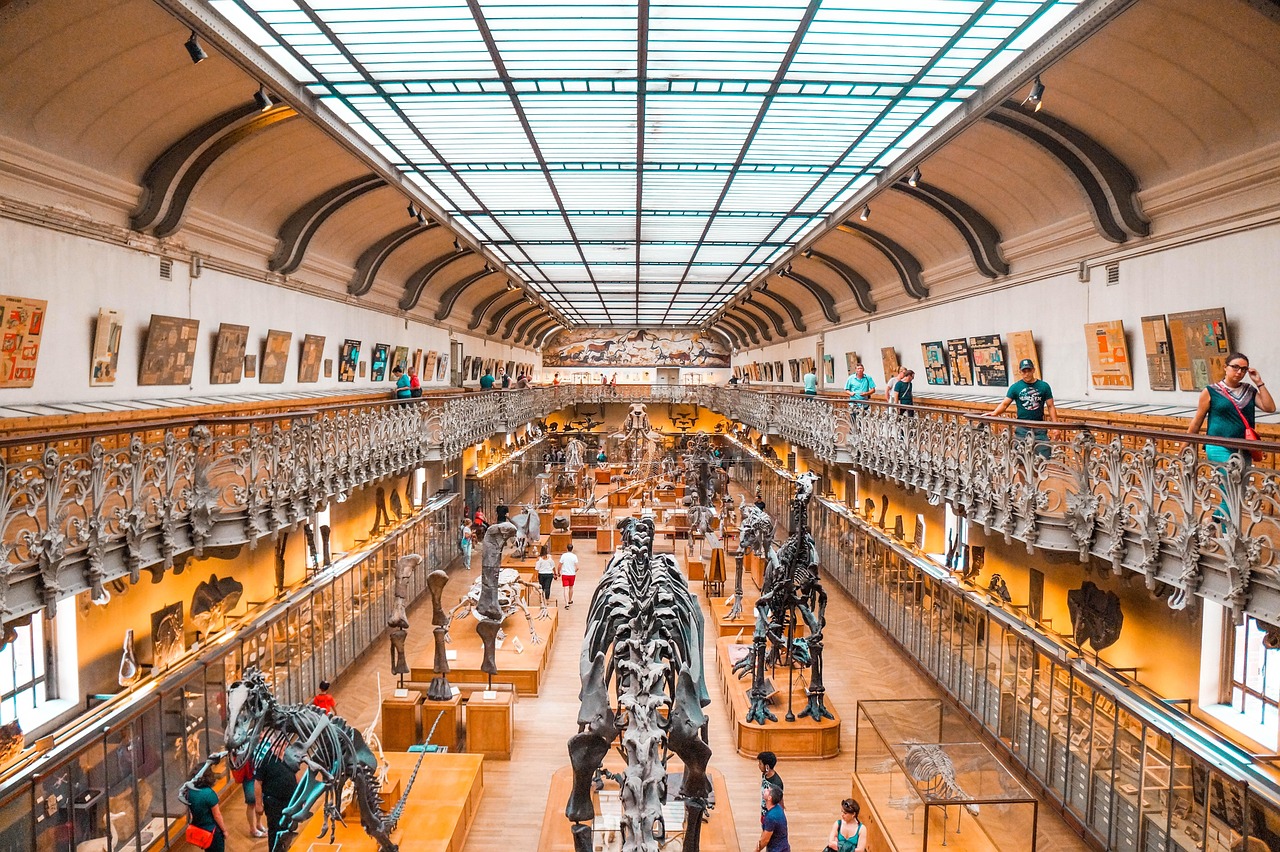
- Tour the American Museum of Natural History: Scheduling this the same week ties naturally into the balloon inflation event happening right outside its doors.
- Sample a seasonal prix-fixe menu: Many restaurants introduce seasonal or Thanksgiving-focused menus during the holiday period, and watching how professional kitchens adapt classic dishes for a single week is its own kind of lesson for culinary students.
- Walk through a neighborhood food market: A neighborhood food market can give culinary students a closer look at seasonal ingredients, local vendors, and holiday food traditions.
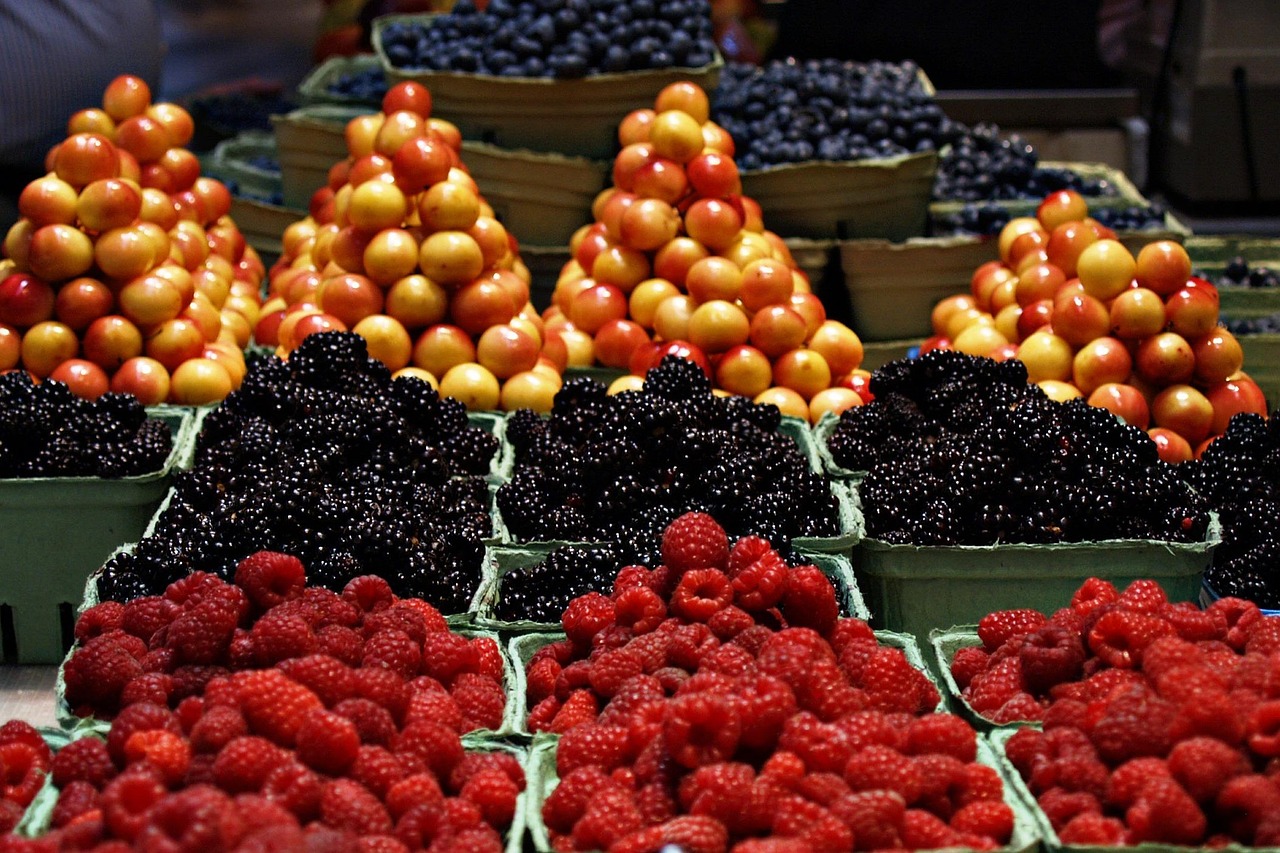
8. Look for a seasonal food tour: A structured tasting can help culinary groups explore holiday ingredients and food traditions while keeping the group together.
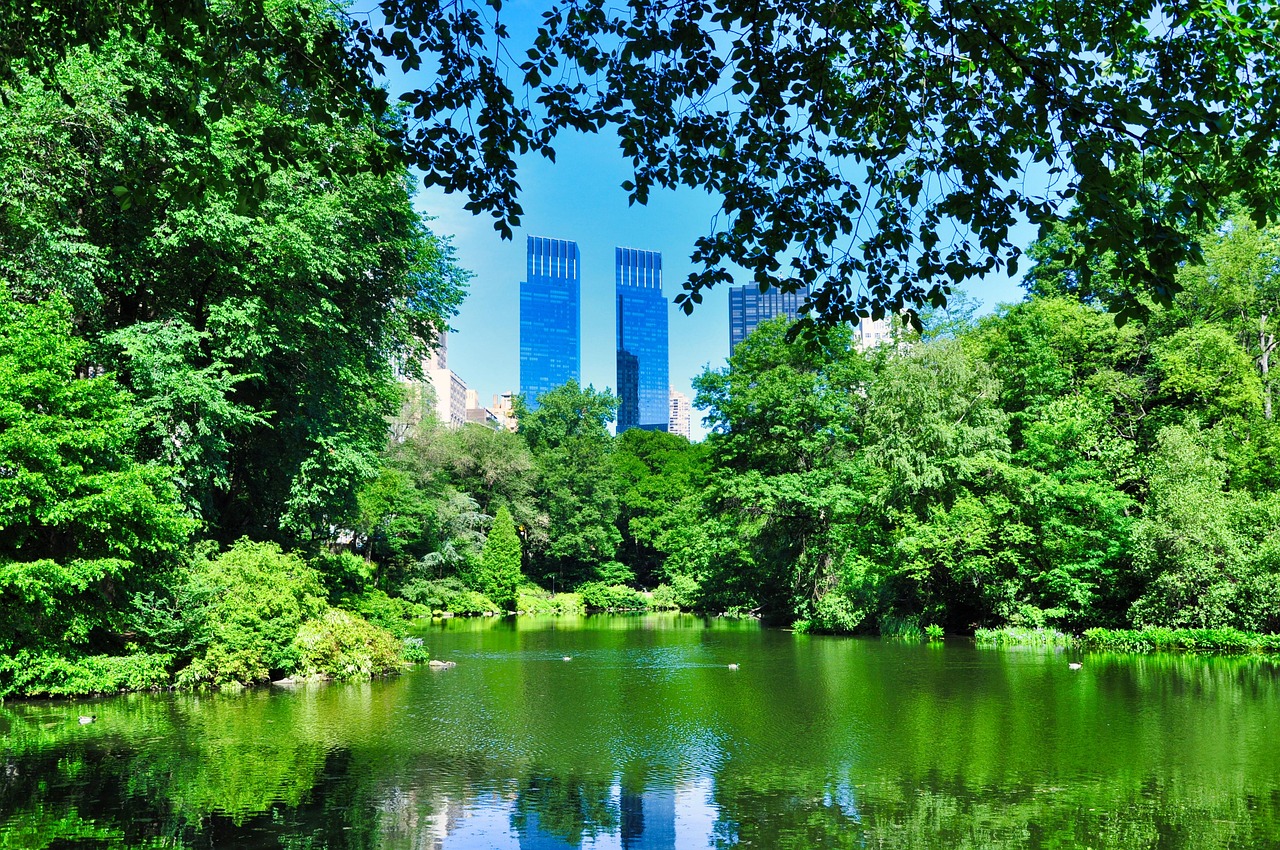
- Take a quiet walk through Central Park: Late November gives the park its own calm, and it works well as a reset for a group after a loud, crowded parade morning.
Two of these pair naturally into a single day. The parade in the morning followed by an afternoon Broadway matinee, for instance, makes efficient use of one day without overloading the schedule.
Real Questions Teachers Ask Before Booking
- Is Thanksgiving week too crowded for a student group?
It’s busy, no question. Some indoor activities can be scheduled before or after the parade, depending on their Thanksgiving-week hours. This ensures that crowding matters less than people assume once the itinerary accounts for it.
Broadway tickets selling out is the more common worry, and for good reason. Popular titles may have limited availability during Thanksgiving week, particularly for larger groups. This is exactly why booking through a group-focused service well ahead of time solves the problem before it becomes one.
Whether this beats a regular fall trip comes down to access. Thanksgiving week opens up the parade, seasonal menus, holiday-specific museum content, holiday-specific programming and seasonal experiences that are limited to this time of year.
For a program built around performance, art, or food, that access tends to be the entire point of choosing this week over any other. - And how much planning can actually get handed off?
More than most first-time group leaders expect. A smaller agency like EE tours, works directly with a program and builds the schedule around what the group is trying to accomplish, rather than adapting a package meant for whichever school calls next. Once the itinerary is set, a centralized registration and payment platform can also simplify the administrative side of getting students and families ready for the trip.
Making the Call
Start with what the class is actually studying this semester. Theater programs get the most out of Broadway’s holiday run paired with the balloon inflation event. If it’s a culinary class, almost no other week gives students better access to a city rebuilding its menus for the season. And for art or fashion programs, a city dressed for the holiday functions as its own kind of visual curriculum, no lesson plan required.
None of that changes the underlying reason to go: students get to stand in front of real performances and real craft instead of watching a clip of it later on a phone. A custom itinerary built around a specific program does that more reliably than a package built for whoever happens to book next.
If this feels like the year to build a trip around Thanksgiving week, our New York Tours page shows what a program-specific itinerary looks like, built around a subject, a calendar, and a group of students. Working with the same point of contact throughout planning, instead of being routed through a call center, tends to make the whole process feel more like a conversation than a transaction.
What would your class take away from watching one of the most-watched events in the country come together in person?