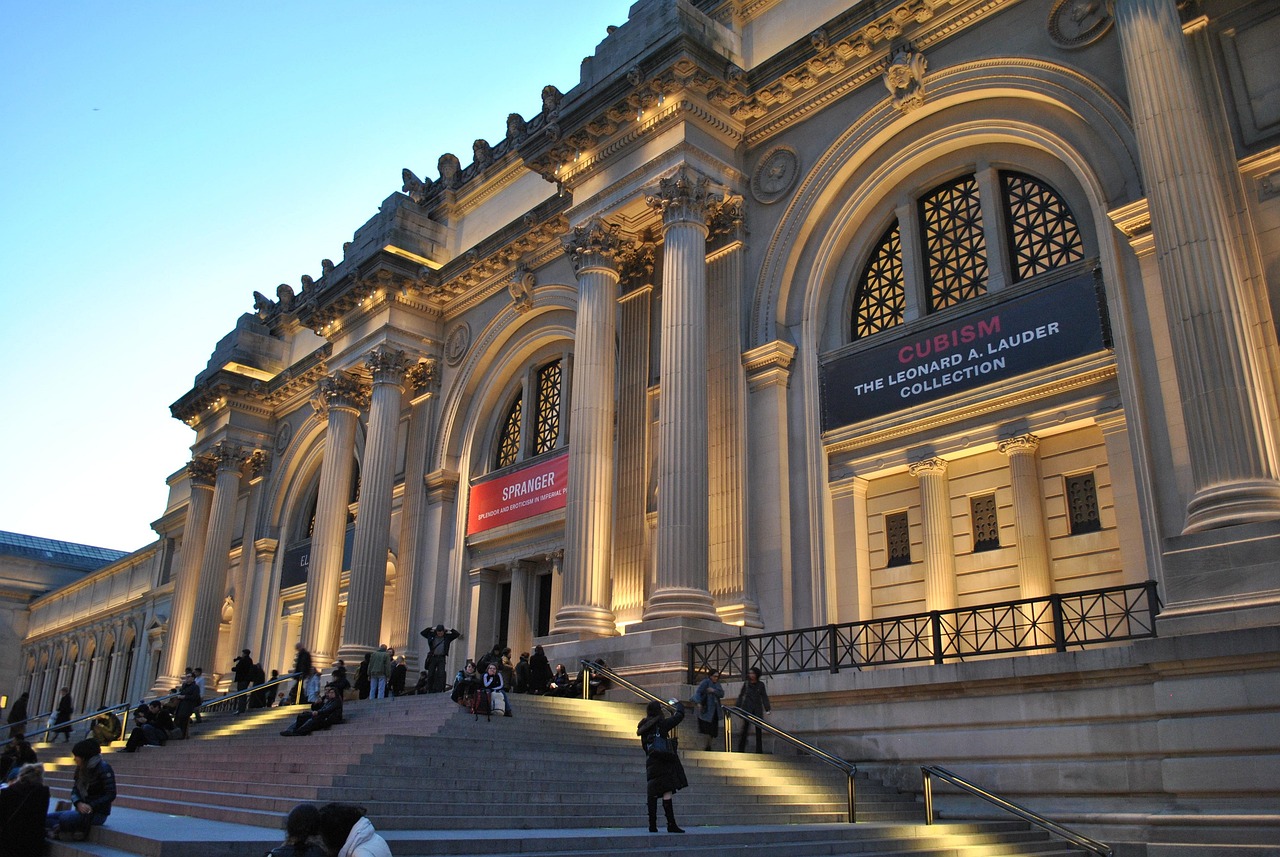
The most famous pieces at the Metropolitan Museum of Art (Met) include the Temple of Dendur and Van Gogh’s self-portraits. Pollock’s Autumn Rhythm and Washington Crossing the Delaware make the list too. Seeing all twelve in one visit is doable. You just need the right plan. Let us walk through why each piece matters, and how to see them without burning your whole trip.
EE Tours has led plenty of school and specialty-class groups through the Metropolitan Museum of Art. We know exactly what happens without a plan. Students scatter. Two hours vanish before anyone reaches the Egyptian wing. This list fixes that.
Why a Plan Matters Before You Even Walk In
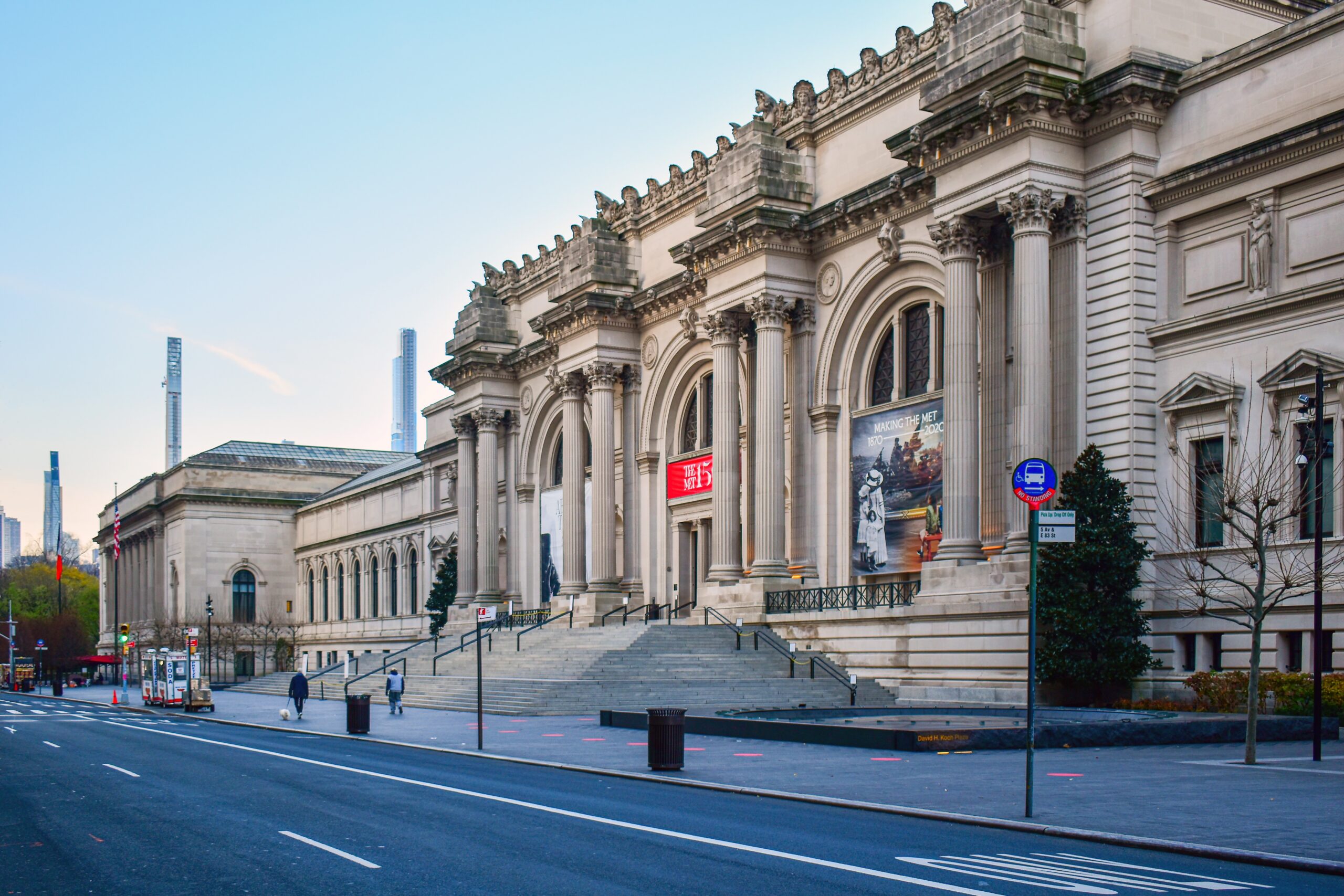
The Met holds more than two million works. Wandering without direction sounds romantic. That is, until your art class only has ninety minutes before the bus leaves.
Is a plan really necessary for a group that already loves art? Yes, especially for a specialty class. Students studying painting, sculpture, or design deserve pieces tied to what they’re learning, not whatever gallery happens to be nearby. A clear list turns an overwhelming building into something exciting and manageable.
Met Artworks at a Glance: What to See With Your Specialty Group
|
Work |
Best For |
Location |
Group Tip |
|
Temple of Dendur |
Art, history |
Egyptian Art |
Strong anchor for a group route |
|
Washington Crossing the Delaware |
Art, history, theater |
American Wing |
Discuss scale, storytelling, and historical imagery |
|
Autumn Rhythm (Number 30) |
Art, design |
Modern Art |
Discuss scale, abstraction, and Pollock’s technique |
|
Self-Portrait with a Straw Hat |
Art, painting |
European Paintings |
Good stop for discussing color and Neo-Impressionist technique |
|
Water Lilies |
Art, design |
European Paintings |
Compare light, color, reflections, and brushwork |
|
Gertrude Stein |
Art, theater, literature |
Modern Art |
Connect portraiture with personality and modernism |
|
The Death of Socrates |
Art, history, theater |
European Paintings |
Discuss composition, gesture, drama, and Neoclassicism |
|
Madonna and Child Enthroned with Saints |
Art, history, design |
European Paintings |
Useful for studying Renaissance composition and religious imagery |
|
Young Woman with a Water Pitcher |
Art, painting, design |
European Paintings |
Focus on light, perspective, and quiet interior composition |
|
Sphinx of Hatshepsut |
Art, history, design |
Egyptian Art |
Pair with the Temple of Dendur for a stronger Egyptian Art route |
|
The Great Wave off Kanagawa |
Art, design, fashion |
Asian Art |
Discuss printmaking, composition, and Japanese visual influence |
|
Woman with a Parrot |
Art, painting |
European Paintings |
Use as a discussion point for realism, composition, and 19th-century art |
Note: Museum displays and artwork locations can change. Check the Met’s current collection information before your visit.
12 Most Famous Pieces at the Met
Here is the list. It is organized so you can build a route, not zigzag across four floors.
- Temple of Dendur: A real ancient Egyptian temple. Moved stone by stone and rebuilt inside the museum. The open space also makes it an easy place for a group photo.
- Washington Crossing the Delaware, Emanuel Leutze: Massive, dramatic, and instantly recognizable to almost every American student.
- Autumn Rhythm (Number 30), Jackson Pollock: Jackson Pollock’s Autumn Rhythm (Number 30) is a massive canvas that gives students a strong sense of scale. It shows students exactly what abstract expressionism looks like up close.
- Self-Portrait with a Straw Hat, Vincent van Gogh: Small in size. Huge in emotional weight. A favorite stop for painting classes.
- Water Lilies, Claude Monet: Several panels from his garden series. Ideal for teaching light, color, and Impressionist technique.
- Gertrude Stein, Pablo Picasso: Picasso’s portrait offers students a useful way to discuss his approach to portraiture and modernism.
- The Death of Socrates, Jacques-Louis David: A Neoclassical masterpiece packed with philosophy and drama.
- Madonna and Child Enthroned with Saints, Raphael: A Renaissance altarpiece. Shows exactly why Raphael’s technique still gets studied today.
- Young Woman with a Water Pitcher, Johannes Vermeer: Quiet, precise, and a perfect example of Dutch Golden Age lighting.
- Sphinx of Hatshepsut: One of the few sphinx sculptures still complete enough to see real facial detail.
- The Great Wave off Kanagawa, Katsushika Hokusai: A woodblock print. It shaped how the West saw Japanese art.
- Woman with a Parrot, Gustave Courbet: Controversial when it debuted. Still a great conversation starter today.
That is the core list. Knowing what to see is only half the job, though.
Why the Met Fits Every Specialty Program, Not Just Art Classes
Painting and sculpture are the obvious draw. But the Met stretches well past those two mediums. That matters if your group isn’t purely a fine arts class.
Fashion programs can connect the visit to the Costume Institute and its fashion history resources. However, its collection isn’t permanently on public display, so check current exhibitions before building it into your itinerary. The Arms and Armor galleries can also give theater, dance, and costume-focused students ideas for historical character and costume design. Set and costume design ideas practically jump off the walls there. Music students can explore the Musical Instruments galleries, which span instruments from many cultures and eras. Even culinary programs find angles here. Decorative arts tied to dining history, plus galleries connected to global cuisine.
These twelve well-known works can anchor a strong itinerary. Add a stop tied to your specific discipline. That is what turns a good visit into one that reinforces classroom learning.
Turning the List Into a Route
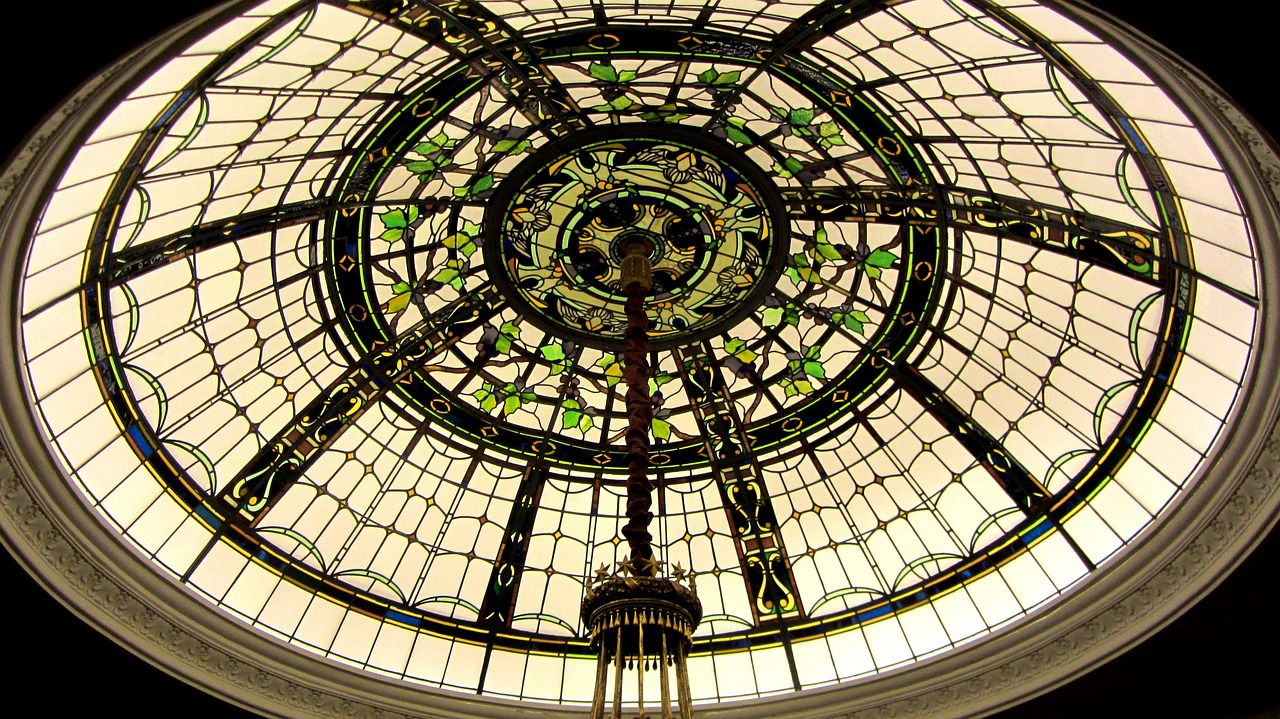
Chasing these pieces in order means crossing the building repeatedly. Group them by wing instead.
- Start in Egyptian Art for the Temple of Dendur and the Sphinx of Hatshepsut.
- Move through European Paintings for Vermeer, Raphael, David, and the Impressionist rooms.
- Finish in the American Wing and Modern Art galleries for Leutze, Pollock, and Picasso.
Is it worth hiring someone who already knows this route? For a group juggling schedules and a bus timetable, yes. A guide who’s walked this path before saves real time. Students stay engaged instead of standing around a map.
What Makes This Kind of Trip Actually Work
We have run specialty-focused tours for over a decade now. Most of those trips have been for art, theater, music, dance, culinary, and fashion programs. Here is what we have learned firsthand. Cookie-cutter itineraries don’t work for a class built around one specific discipline.
A generic tour company hands every group the same stops. An art class deserves a Met visit built around the Met itself, not squeezed between two unrelated attractions. A custom itinerary by EE Tours lets the visit follow the class, rather than the other way around. It is also why groups keep coming back with the same point of contact. Not shuffled between new staff each time.
Planning Beyond the Spring Rush
Most school trips cluster between January and June. That means fall and winter visits to the Met run noticeably quieter. Fewer crowds mean more time in front of each piece. Shorter waits too, near popular stops like the Temple of Dendur.
Planning for larger classes? The Met limits K–12 groups to 50 students per day. Groups larger than 25 must split into smaller groups before entering the galleries. The museum also requires one adult chaperone for every 10 students
If your program has flexibility, consider a fall or winter trip. You may also find smaller crowds, easier scheduling, and better availability.
These twelve pieces only scratch the surface of what the Met holds. So, which one will your class stand in front of the longest? And what will they carry back to the classroom because of it?
FAQs
- Is this list realistic for one visit?
Yes, if you group pieces by wing. Budget roughly two to three hours. Rushing all twelve in under an hour isn’t ideal, but it’s possible. - Do we need a private guide, or can we self-navigate?
Self-navigating works for smaller, experienced groups. Larger classes, or first-timers at the Metropolitan Museum of Art, tend to get more from a guided visit. - Is a custom itinerary worth the extra planning?
For most specialty programs, yes. A generic package rarely matches a real syllabus. - Do you handle payment and registration for a full group?
Yes. A dedicated payment platform lets families and staff register and pay directly. No chasing down checks or spreadsheets on top of everything else. - How far in advance should we book?
The Met requires advance reservations for school groups. For K–12 groups, request a guided visit at least three weeks ahead and a self-guided visit at least two weeks ahead. Earlier planning is still smart for popular spring dates or larger groups.