New York in December turns into a free, open-air classroom. You don’t need a single ticket to see most of what makes the season worth it. That is the short answer for any group leader weighing a December trip. Here is the full list, plus how to make it work for a class.
EE Tours has led plenty of specialty-class groups through this city in the cold months. Art students studying window design. Music students catching the energy of a caroling crowd. Theater kids soaking in a district that feels lit up every night. December gives a group something a spring trip simply can’t.
Why December Deserves More Attention From School Groups
Most of our tours take place between January and June, leaving fall and winter with room to grow. That leaves December wide open on the calendar. This time can offer a different pace than the busy spring school-trip season.
Is a winter trip too risky for a first-time program? Not really, it just takes planning. The city doesn’t slow down in December, it lights up. For programs studying design, performance, or culture, that seasonal shift adds real material to work with.
12 Free Things to Do in New York This December
These stops are generally free to visit, though some seasonal events may have specific schedules or entry rules. All of them work well for a group.
- Rockefeller Center Christmas Tree: Early mornings and later evenings can be quieter, especially outside peak holiday periods. The classic stop every group expects.
- Fifth Avenue window displays at Saks, Bergdorf’s, and Macy’s: Useful for fashion classes studying visual merchandising. Real seasonal storytelling built into a tiny retail space.
- Dyker Heights lights in Brooklyn: Locals go all out with lights and inflatables. A fun, less formal stop to unwind.
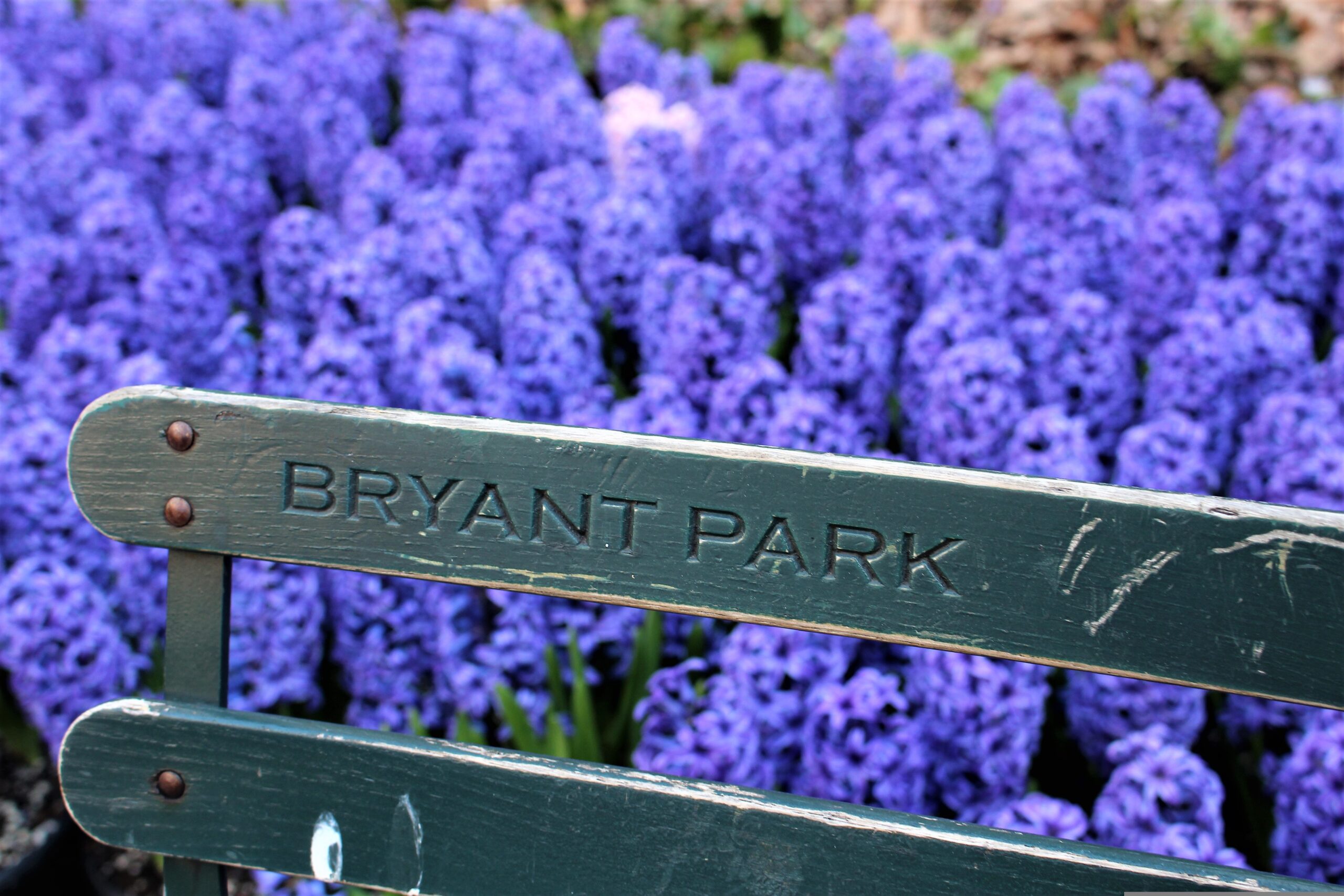
- Bryant Park Winter Village: Skating costs extra, but browsing the stalls doesn’t. A relaxed spot to regroup between stops.
- Washington Square Park tree lighting: The annual tree lighting adds a festive stop with a neighborhood feel. Check the event date before planning around it.
- Staten Island Ferry: Free skyline and Statue of Liberty views, year-round. A good breather after a packed morning.
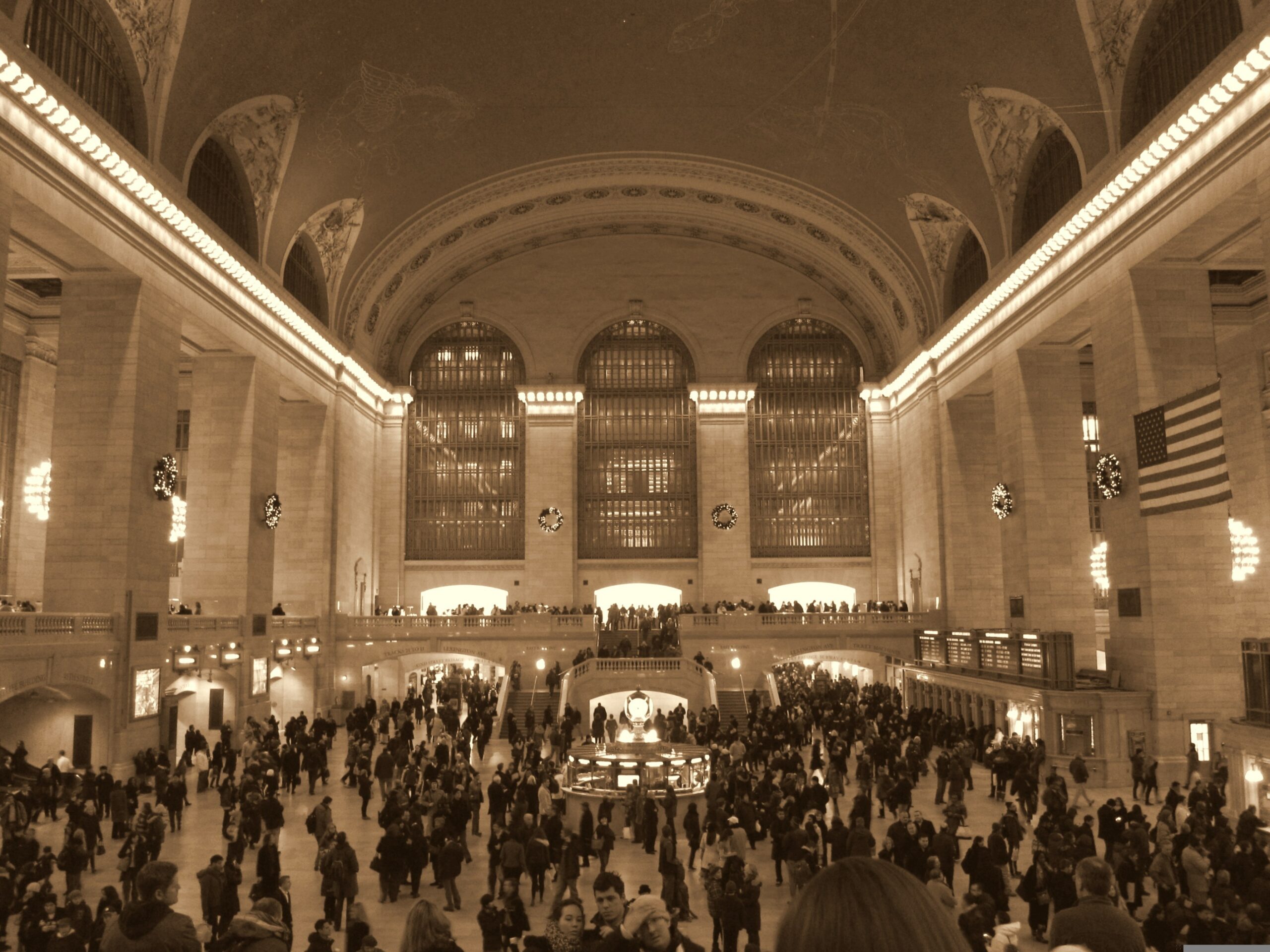
- Grand Central Terminal holiday fair: Striking architecture plus a seasonal market. Useful for any class studying design or historic spaces.
- Union Square Holiday Market: Local vendors and handmade goods. A solid stop for culinary or design-focused programs.
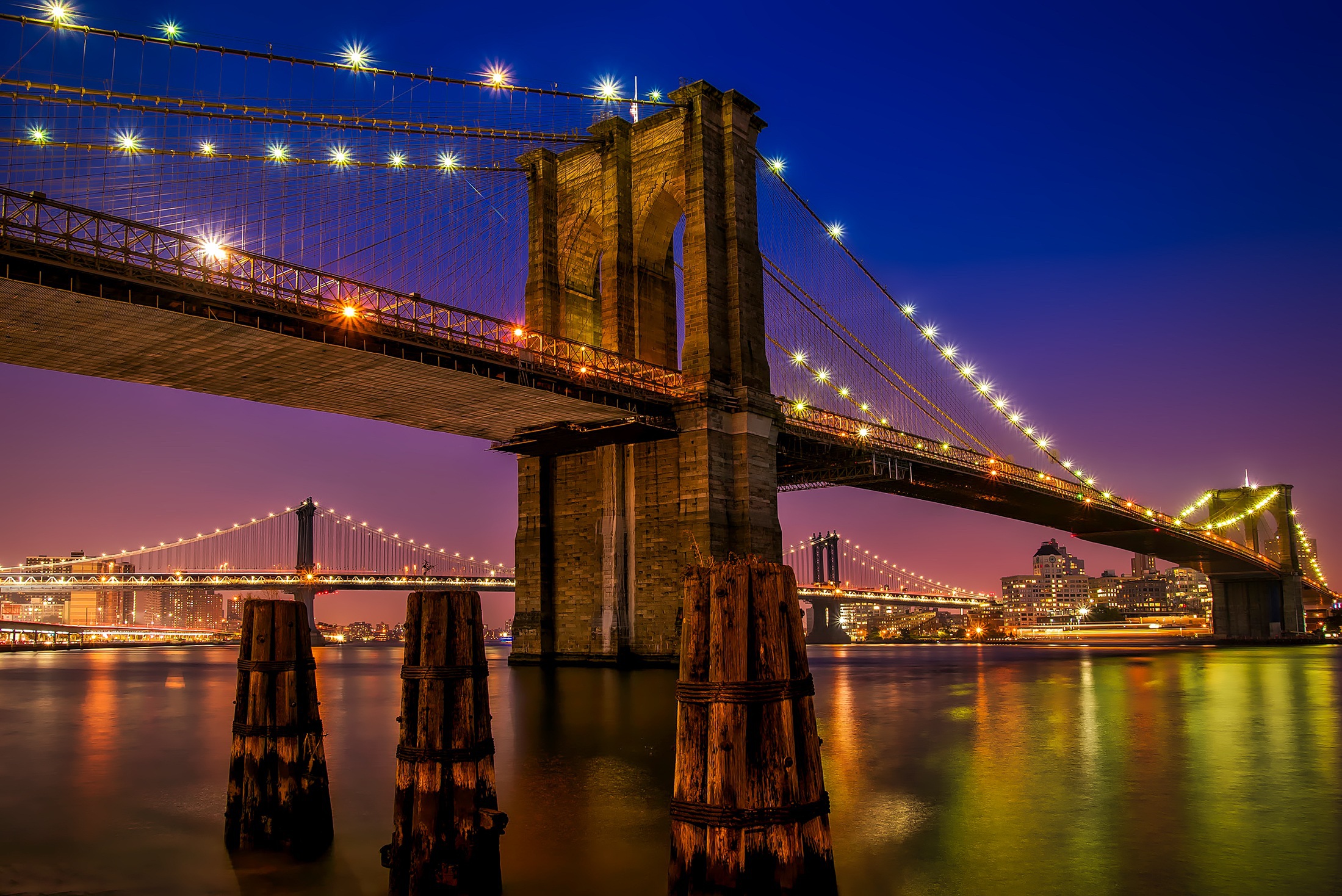
- Brooklyn Bridge at sunset: No ticket, no fee. One of the best skyline views in the country.
- Upper West Side brownstones: Quieter, block-by-block holiday charm. Good for a slower walking stretch.
- The Oculus at World Trade Center: Decorated for the season, architecturally striking on its own.
- New York Public Library’s seasonal exhibits: Free displays inside one of the city’s most beautiful buildings.
That covers the full list of stops. Making it actually work takes a bit more planning.
Why December Adds Real Value for Every Discipline
The visual appeal is obvious. But December offers specialty classes much more than a seasonal backdrop.
Fashion students get a real case study in the Fifth Avenue windows. It’s seasonal storytelling built from light, color, and composition. Theater students respond to the performative energy of a decorated city. Window installations and tree lighting function almost like street theater. Music students can observe seasonal caroling and other holiday performances throughout the city. Even culinary programs find angles at the holiday markets. Food traditions from multiple cultures show up in one walkable stretch.
None of that shows up on a July itinerary. It’s specific to this season, and that’s exactly why December can outperform spring for certain programs.
Turning a Free List Into a Real Itinerary
Chasing these stops in random order wastes daylight fast. December is early sunset works against you. Group the stops geographically instead.
- Start midtown for Rockefeller Center, Fifth Avenue, and Bryant Park
- Move downtown to Union Square and the Oculus
- Save Brooklyn stops like Dyker Heights for a dedicated half-day
Is this level of planning worth it for one afternoon? For a group juggling permission slips and a bus schedule, yes. A generic tour package rarely accounts for December’s shorter days. A rushed group misses half the reason the trip was worth planning.
Why a Custom Itinerary Matters More in Winter
Cookie-cutter tour packages struggle in December. Shorter daylight hours mean less room for error. A program built around art, theater, fashion, or music deserves stops that actually connect to the coursework.
This is where one point of contact, from planning through departure, pays off. A custom itinerary accounts for your group size and the season’s shorter timeline. It’s not a template built for July weather.
If your trip includes chaperones who want their own evening, NYC Adult Group Tours is worth a look. It pairs naturally alongside a student itinerary. Some schools use the December trip to double as staff appreciation too. Plenty of nearby venues specialize in unique corporate holiday party ideas too. They work well for an evening staff gathering once the student day wraps up.
December NYC Free Attractions: Quick Planning Guide
|
Activity |
Area |
Best For |
Ideal Time |
Indoor/Outdoor |
Group Note |
|
Rockefeller Center Christmas Tree |
Midtown |
Art, Fashion, Theater |
Early morning or late evening |
Outdoor |
Go early or late to reduce crowd pressure. |
|
Fifth Avenue Windows |
Midtown |
Fashion, Art, Design |
Late afternoon |
Outdoor |
Easy walking route between several displays. |
|
Dyker Heights Lights |
Brooklyn |
Art, Design |
After dark |
Outdoor |
Plan this as a dedicated evening outing. |
|
Bryant Park Winter Village |
Midtown |
All groups |
Late afternoon |
Mostly outdoor |
Good regrouping stop between Midtown activities. |
|
Washington Square Park |
Greenwich Village |
Art, Music, Theater |
Afternoon |
Outdoor |
Pair with other Village stops to limit extra transit. |
|
Staten Island Ferry |
Lower Manhattan |
All groups |
Daytime |
Indoor/Outdoor |
Allow extra time for boarding and group movement. |
|
Grand Central Terminal |
Midtown |
Art, Design, Architecture |
Morning or afternoon |
Indoor |
Useful cold-weather option with easy transit access. |
|
Union Square Holiday Market |
Union Square |
Culinary, Fashion, Design |
Afternoon |
Outdoor |
Keep students together during busy periods. |
|
Brooklyn Bridge |
Lower Manhattan |
Art, Photography |
Daylight |
Outdoor |
Allow extra walking time and watch the weather. |
|
Upper West Side Brownstones |
Upper West Side |
Art, Design, Architecture |
Daylight |
Outdoor |
Best as part of a longer neighborhood walking route. |
|
The Oculus |
Lower Manhattan |
Art, Design, Architecture |
Daytime |
Indoor |
A useful indoor stop during cold or wet weather. |
|
New York Public Library |
Midtown |
Art, Design, Literature |
Daytime |
Indoor |
Check exhibit availability before planning the visit. |
Real Questions Group Leaders Ask Before Booking
- Is New York in December too cold for a full day outside?
Layer properly and it’s manageable. A real winter coat matters more than people expect. - Do these free spots need advance planning?
No tickets required, but arrive early at Rockefeller Center to save time. - Should we self-navigate or use a guide?
Smaller, experienced groups can self-navigate fine. Larger or first-time groups tend to get more from a guided visit. - Do you handle group payment and registration?
Yes. Our payment platform lets families and staff register and make payments directly, which simplifies group administration.
Making December Work in Your Favor
New York in December rewards groups willing to brave the cold. It is a version of the city that doesn’t exist the rest of the year. Free, visually rich, and packed with material for a specialty class to use back home.
So, which of these free stops ends up in your students’ sketchbooks or journals? How much would they have missed on a July trip instead?