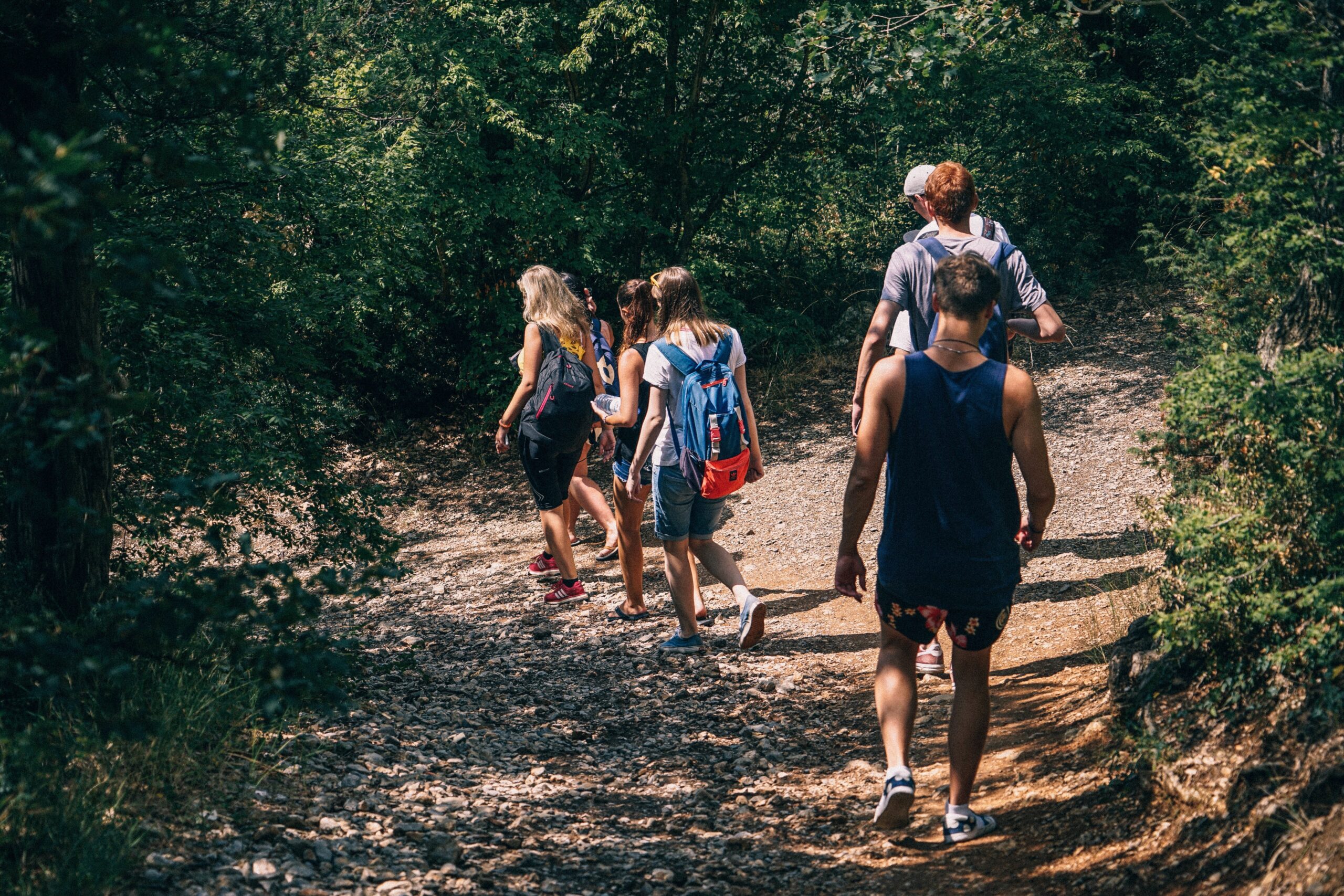
The trips kids still talk about twenty years later are rarely the ones where they shuffled through a museum in a line. They’re the ones where something felt real. A stage manager explaining why the curtain weighs more than it looks. A chef at 6am explaining what “prep” actually means before the kitchen opens.
Fifty ideas live below, numbered straight through, covering everything from a first farm visit at age five to a backstage pass in high school. Before picking one, it helps to ask a different question than usual. Not “where should we go” but “what do we want them to walk away understanding that a classroom can’t teach them.”
If you’re running a specialty arts programme and thinking about a multi-day trip to New York, EE Tours builds educational and fine arts tours for student groups around what your programme actually needs, not a packaged itinerary.
What Fits Which Grade
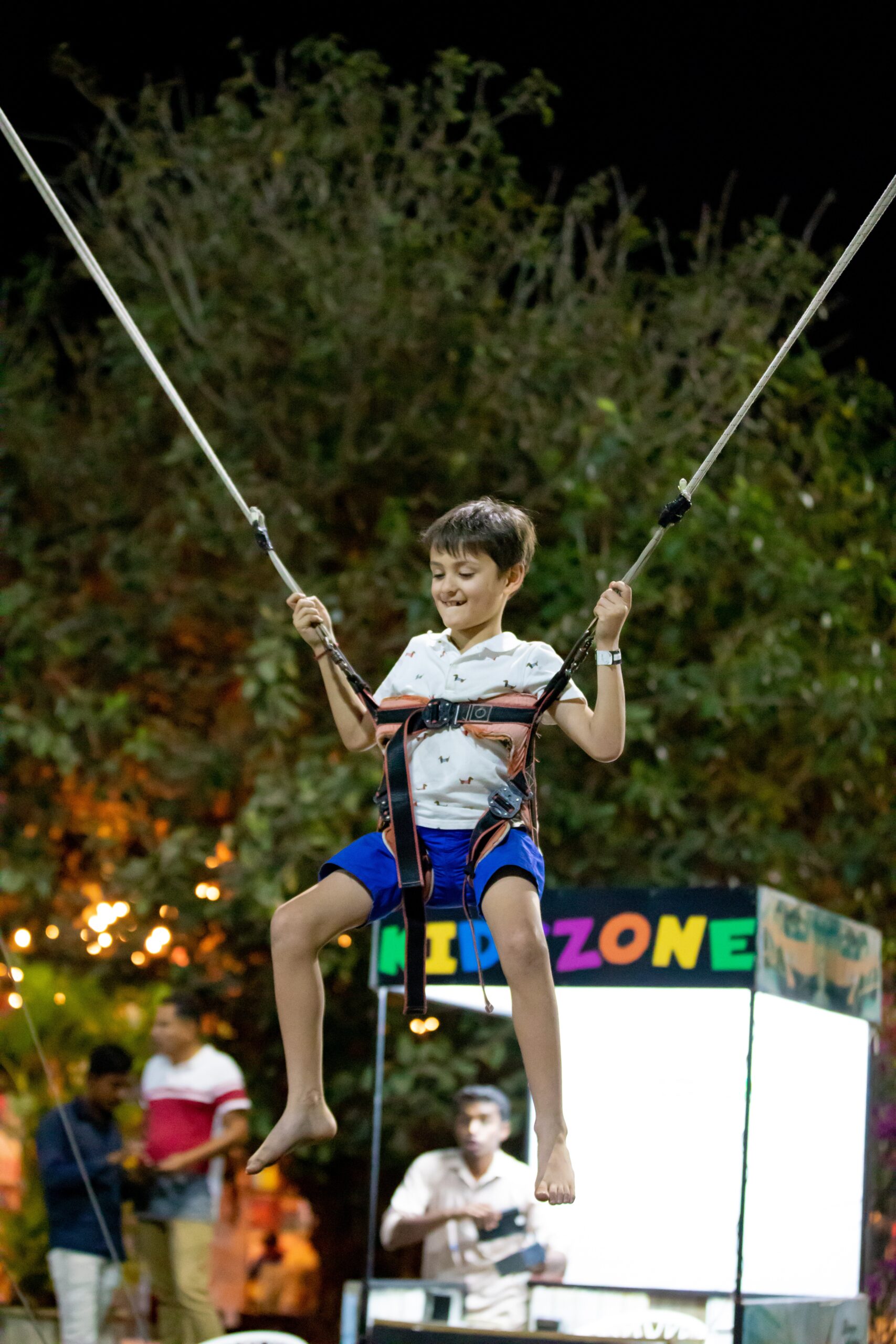
Middle schoolers are the underinvested age group here. Old enough to actually engage with a professional environment, still young enough that one good trip can shift how they see their own future. If you teach a specialty subject at that level and haven’t built a trip into the year, start there.
Grade Level | Works Well | What Matters Most |
Pre-K to Grade 2 | Farms, fire stations, the library | Keep it close, keep it sensory |
Grades 3 to 5 | Science centres, history sites | Tie it to what they’re already studying |
Grades 6 to 8 | Art museums, aquariums, theatres | Let them lead the questions |
Grades 9 to 12 | Broadway, culinary schools, fashion studios | Make it feel like a real career, not a tour |
Specialty arts, any grade | Studios, conservatories, backstage | Hands in it, not just eyes on it |
Here Are the 50 Ideas
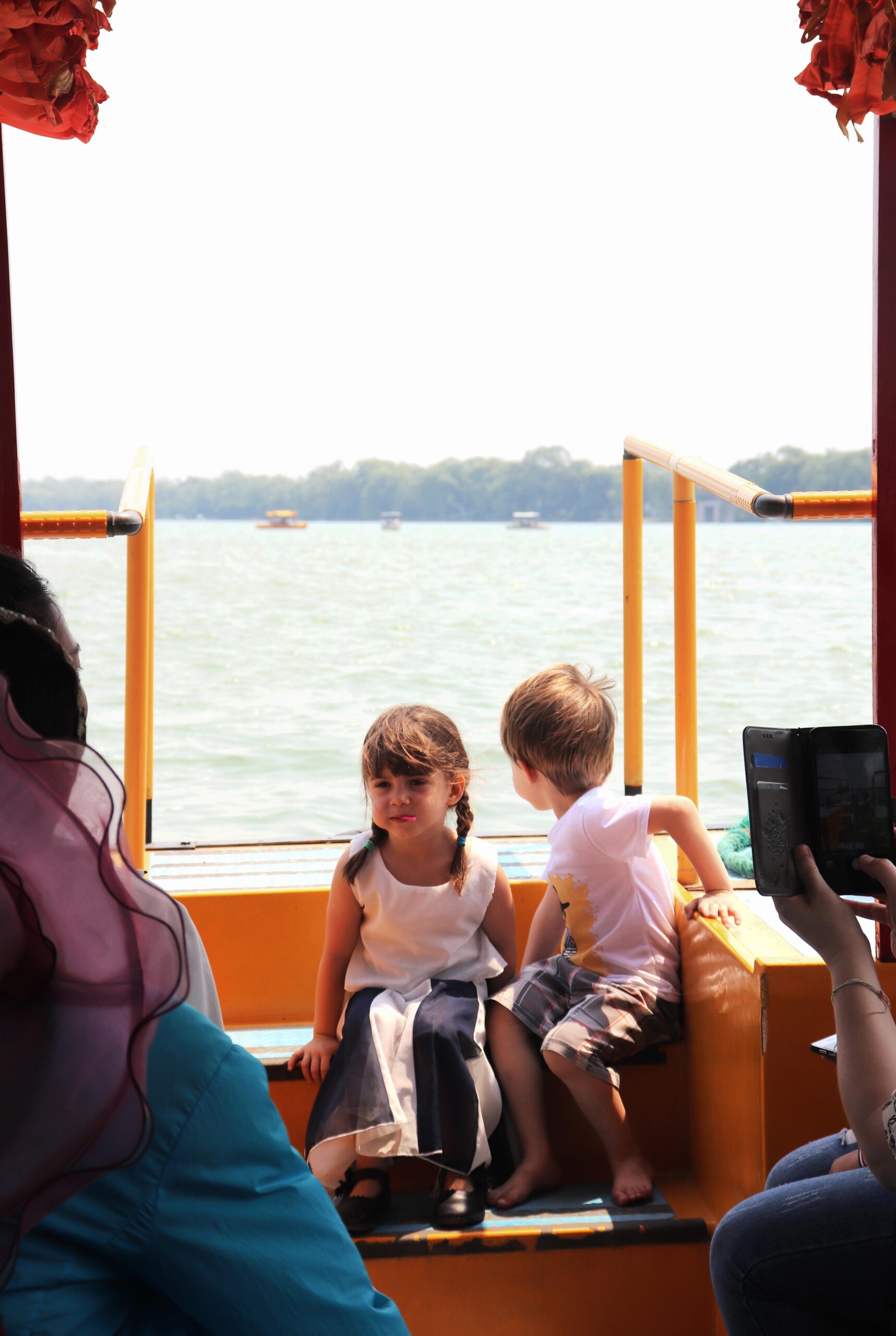
For the youngest students
A fire truck still wins every time, and it’s usually free. So is a library story hour, which doubles as a quiet introduction to the idea that reading is fun rather than homework.
- Local fire station
- Working farm, where food actually comes from
- Public library story time
- A visit to a nursing home, more meaningful than most adults expect
- Animal shelter
- A local bakery or pizza shop, simple process, big sensory payoff
Visual Arts
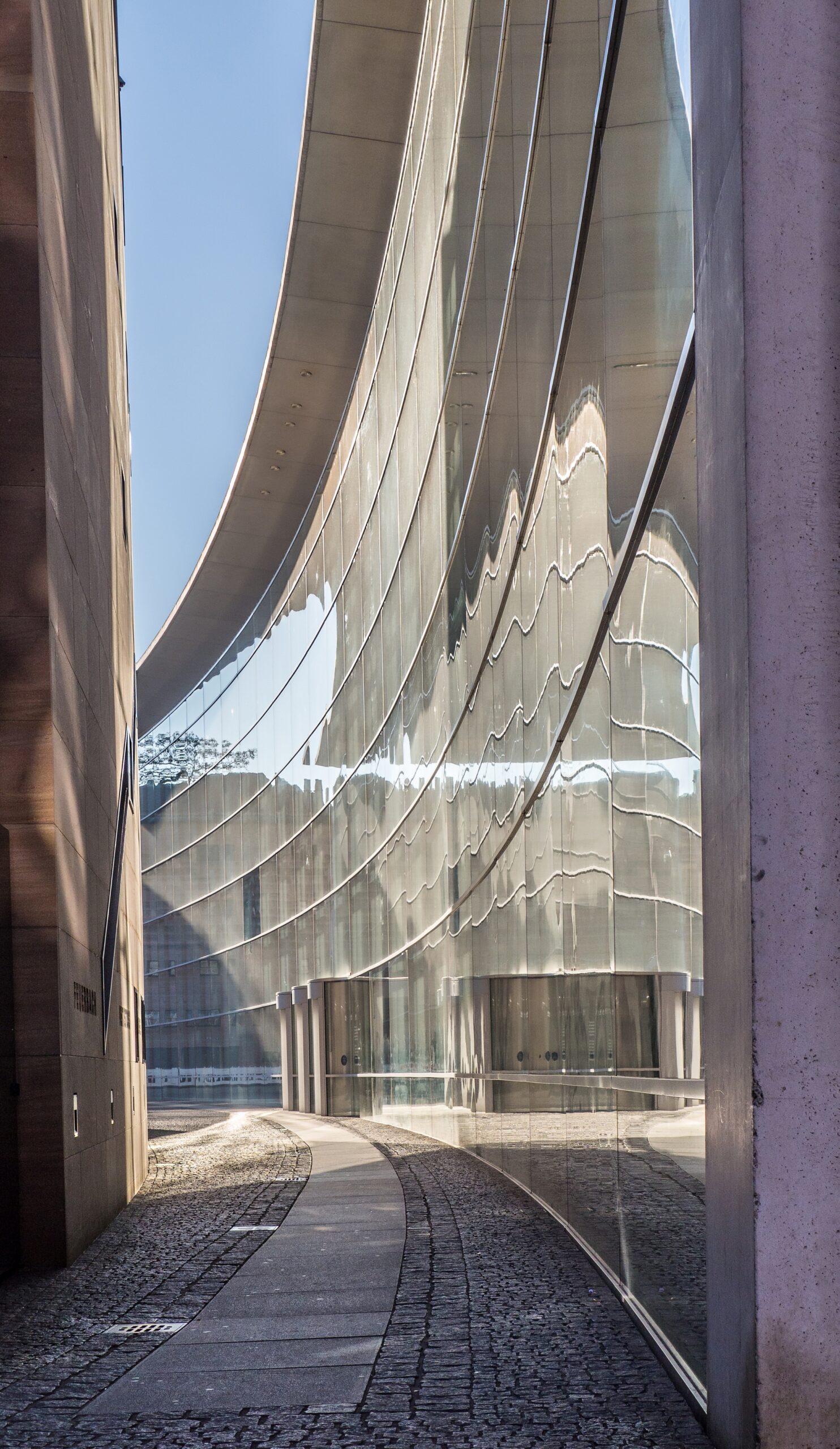
A good visual arts trip doesn’t try to cover the whole museum. It picks one or two pieces and asks a real question: what was happening when this was made, or how is this different from what the artist did five years earlier.
- MoMA
- The Whitney
- The Guggenheim, where the building itself is half the lesson
- A local gallery, usually free and tied to artists who are still working
- Visiting an artist’s actual studio rather than a finished show
- Street art and mural tours, NYC, Chicago, Philadelphia all run them
- Sculpture parks like Storm King or Grounds for Sculpture
- A letterpress or printmaking studio
Performing Arts
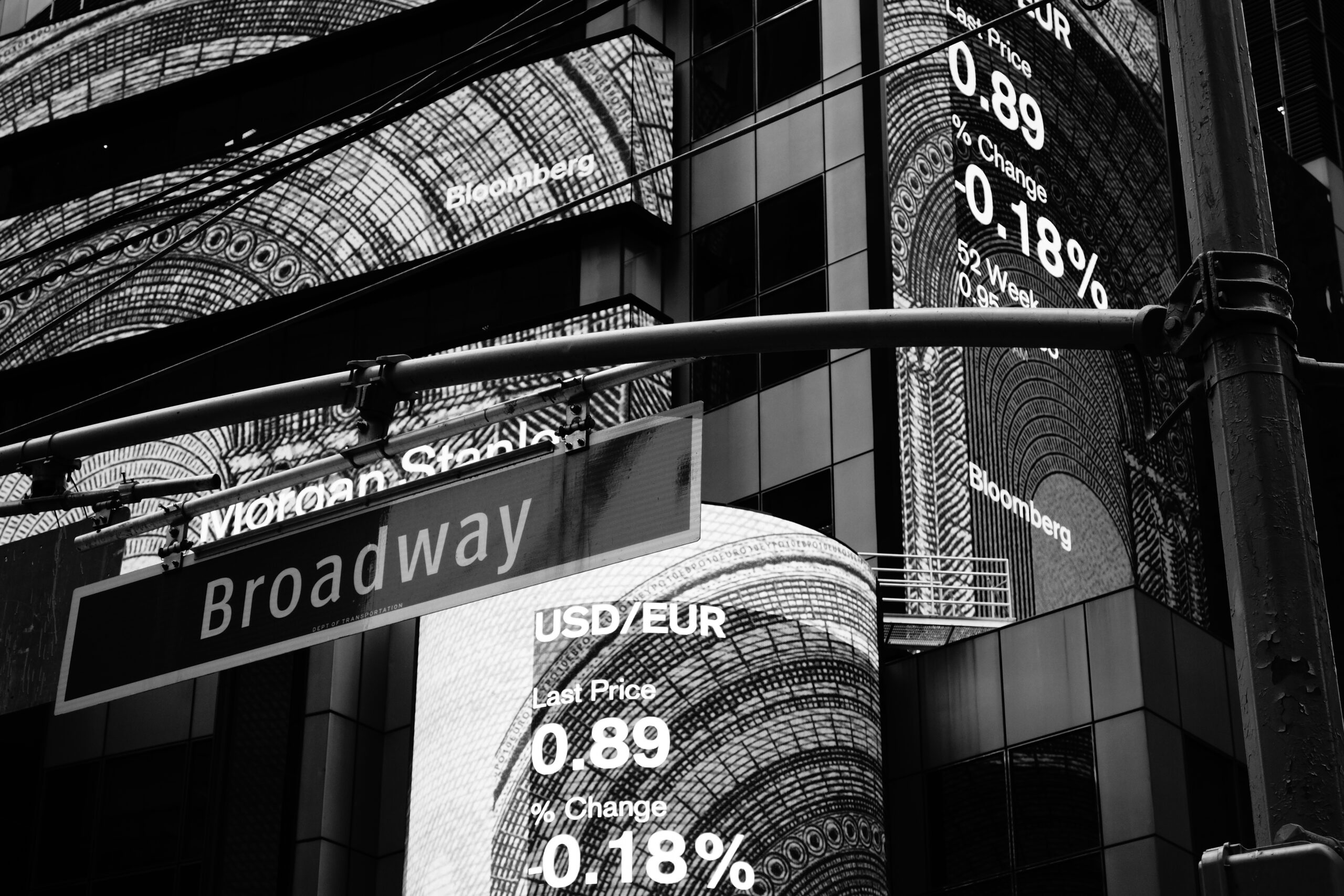
A matinee is one thing. A matinee followed by twenty minutes with the stage manager is a completely different thing, and it’s usually the difference between a trip students forget and one they bring up years later.
- Broadway, with a post-show talkback if you can get one (book early)
- Lincoln Center’s backstage tour
- Regional theatre, often more willing to actually talk to students than a Broadway house
- An open rehearsal with a dance company
- A symphony’s student observation day
- Opera with a pre-show workshop through the Met Guild
- Improv, Second City or Upright Citizens Brigade
- A technical tour focused on lighting and set construction
History and Heritage
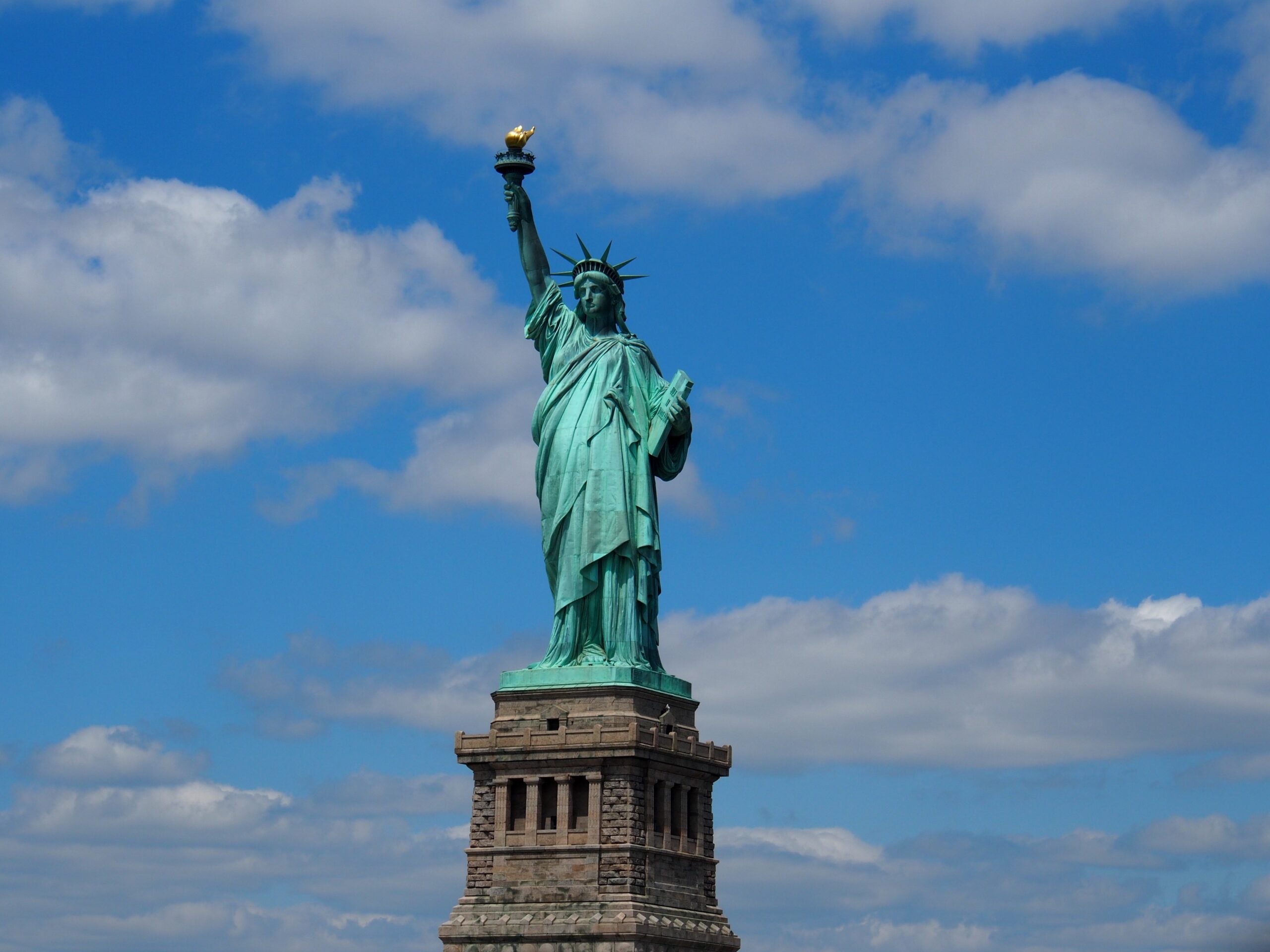
The history trips that stick are the ones where students do something instead of just looking at something behind glass.
- Ellis Island and the Statue of Liberty
- Boston’s Freedom Trail, sixteen sites, self-guided
- Colonial Williamsburg
- The National Civil Rights Museum in Memphis (best for middle school and up)
- The Smithsonian’s American History museum, free
- Your own city’s historic district, often overlooked and often free
- A state capitol building
Science and Nature
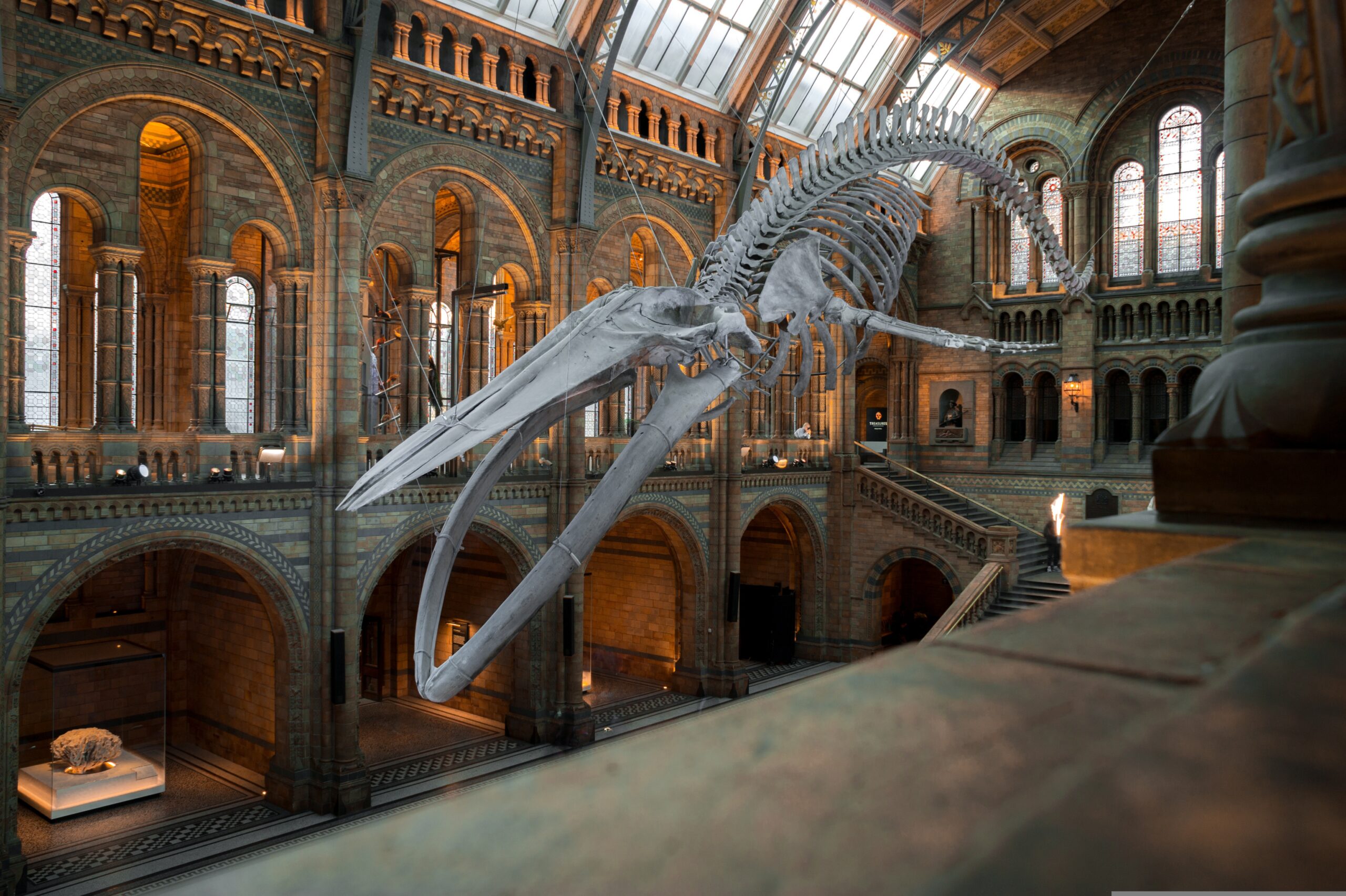
This category has one advantage that nothing else does. The subject is outside.
- Smithsonian Natural History, free
- A local aquarium
- Science centres like AMNH, the California Academy, or the Field Museum
- National Park ranger programmes, also free
- Wetland and estuary visits. Bring an app like iNaturalist and students log real species sightings, so it stops being a walk and starts being actual data
- A planetarium
- Botanical gardens with a guided programme
- Tide pools at low tide
Culinary Arts
Food touches almost every subject, chemistry, biology, history, economics, so this category isn’t just for culinary students even though it gets treated that way.
- A professional kitchen tour, most places will accommodate a small group
- The Culinary Institute of America in Hyde Park
- A farmers market with a chef leading the walk
- An artisan bakery or cheese maker
Fashion and Design
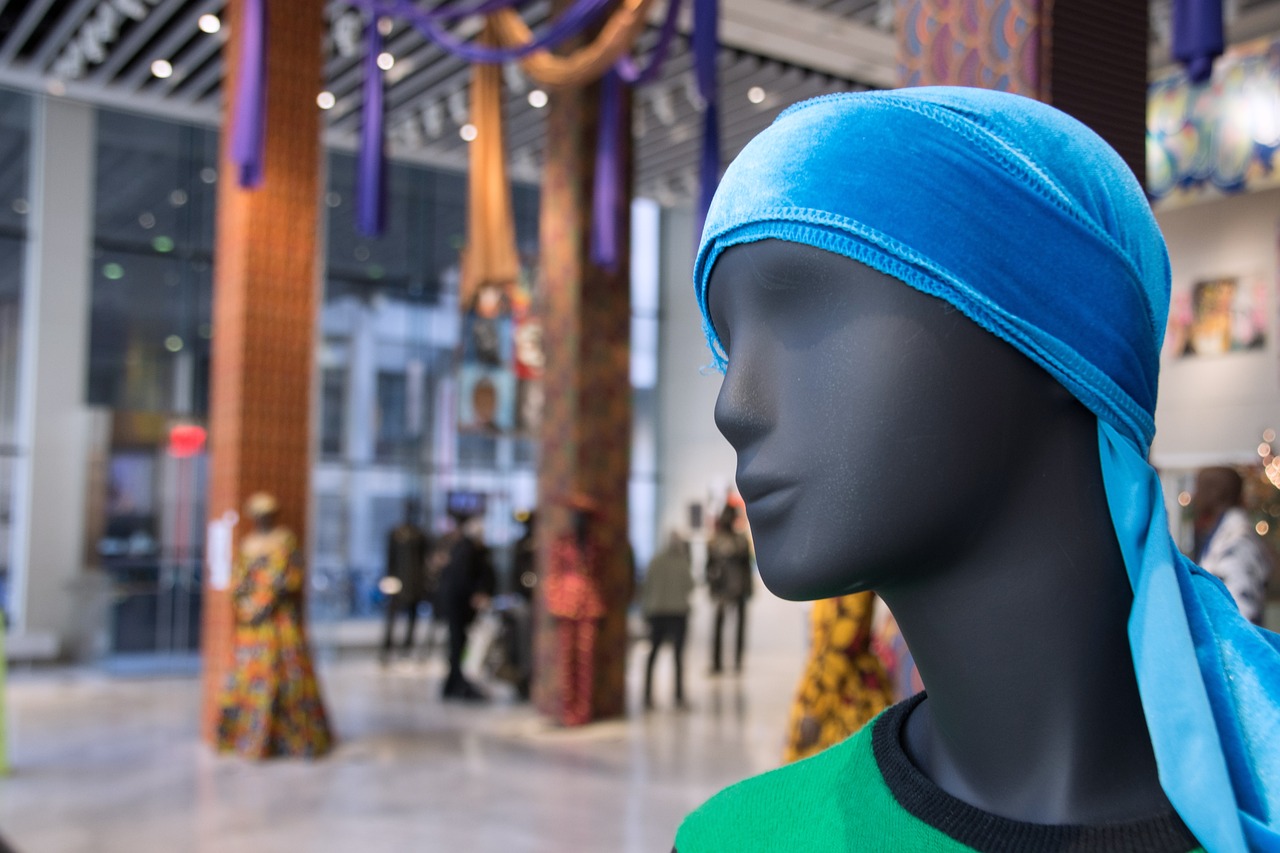
- The Fashion Institute of Technology Museum, free
- A walking tour of the Garment District
- Parsons’ student design exhibitions
Music
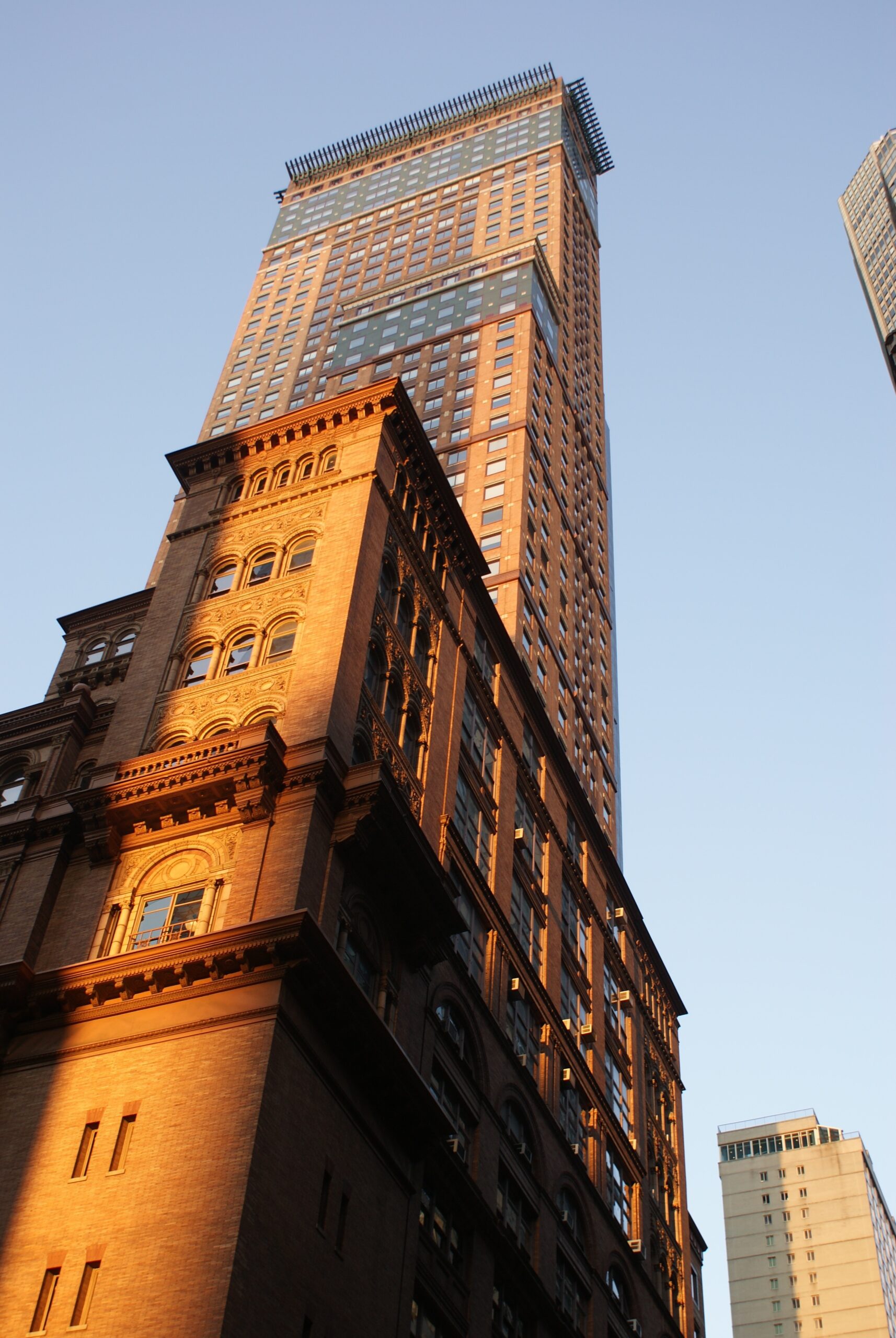
- Carnegie Hall’s Weill Music Institute programmes
- A recording studio tour
- An instrument restoration workshop
Giving back
- A habitat restoration day, planting natives, pulling invasives
- Volunteering at a community garden
- A beach or park cleanup
When a Screen Beats a Bus
Sometimes the budget, the distance, or the weather rules out going anywhere. A virtual museum tour or a recorded backstage walkthrough isn’t a replacement, but it’s a genuinely good warmup. Students who’ve already seen something online tend to show up with better questions when they finally get there in person.
What This Is Actually For
Specialty arts trips work at every age, they just look completely different depending on it. A fifth grader at a local gallery and a high schooler standing in a working artist’s studio are doing the same kind of thing at very different depths. Neither replaces the other.
The trips people remember decades later weren’t usually the easy ones to plan. They were the ones where a teacher decided the classroom wasn’t enough for what they were trying to teach that year.
If that’s the trip you are planning, EE Tours builds the itinerary around what you actually want students to take away, not what’s easiest to schedule.
FAQs
1. What are the best field trip ideas for elementary students?
Science centres, natural history museums, botanical gardens, local farms, community theatres with education programmes, and state parks with ranger-led activities. For elementary students, active hands-on experiences hold attention better than tour-based visits. Look for destinations with discovery stations, scavenger hunts, or built-in student participation.
2. What are good field trip ideas for high school arts programs?
Broadway productions with post-show talkbacks, professional studio visits, backstage tours of major performance venues, culinary institute demonstrations, fashion design school exhibitions, and recording studio tours. For curated multi-day experiences in New York City, EE Tours’ educational and fine arts tours are designed specifically for specialty arts student groups with itineraries built around programme goals rather than generic packages.
3. How do I get principal approval for a field trip?
Be specific. One-page proposal with the curriculum standard addressed, estimated cost per student with your funding plan, a proposed date range, and what students will do before and after the trip to connect it to classroom learning. Lead with a past trip success if you have one. Administrators respond to specific outcomes more than general enrichment arguments.
4. How far in advance should I start planning a field trip?
Eight to nine months for a multi-day arts tour. Three to four months for a single-day in-person trip to a popular venue. Two months for a local or lower-demand destination. For NYC in particular, Broadway shows and specialty venue slots fill early, especially for the January through June travel season most schools use.
5. How do you fund a school field trip?
DonorsChoose.org, NEA Foundation grants, PTA/PTO funds, local business sponsorships, Title I supplemental funds, and arts-specific endowments and state arts councils. Arts-focused DonorsChoose projects attract strong donor interest. Apply early and describe the specific learning outcome clearly. Ambiguous proposals take longer to fund.
6. Are virtual field trips worth it?
For preparation and supplementation, yes. As a replacement for in-person trips, no. Use virtual as a primer before the real visit, or as a follow-up to extend the learning. For specialty arts students, proximity to working professionals in a real environment is the thing a screen can’t replicate.
7. What makes an educational arts tour different from a regular field trip?
Authentic professional access rather than tourist-level observation. A class attending a Broadway show gets one experience. A class attending the show, meeting the stage manager, touring the scene shop, and having lunch with an apprentice gets a career-shaping one. The difference is curation and access. That’s what a dedicated educational arts tour company provides instead of a generic group travel package.
8. What should I do to help students get the most out of a field trip?
Give them a role before you go. Two or three questions they’re supposed to try to answer by the end of the day. Tell them they’re there to find something out, not just to see something. Brief the venue about what your students have been studying so the educator can tailor their presentation. Run a debrief the week after. The reflection is half the learning.
9. What goes on a field trip planning checklist?
Principal approval, budget confirmed, permission slips collected, emergency contact forms, medication forms to school nurse, transport booked, venue confirmed, chaperone ratio met, lunch plan, accessibility needs communicated, printed itinerary for the day, student roster, first aid kit, and a reflection activity planned for the return. Nothing on that list is optional.