People love warning visitors about New York prices.
Sometimes before the trip even starts.
“The hotels are crazy.”
“The food is expensive.”
“Everything costs money.”
After hearing that enough times, many visitors arrive expecting the worst. Then something interesting happens. They spend far more than they planned.
Not on Broadway tickets. Not on hotels.Not on famous attractions.
The money disappears somewhere else. A quick breakfast turns into $25. Three rideshares become $70. A tourist restaurant looks convenient after a long day.
By the end of the trip, nobody knows where the extra money went.
The funny thing is that New York is not always expensive.
Certain parts are. Certain experiences are. But some of the best moments in the city cost almost nothing. That surprises people.
New York Rewards Curiosity
Visitors often think they need bigger experiences.
More attractions. More tickets. More famous places. Then they end up loving something completely unexpected.
A small jazz club. A neighborhood bakery. A quiet walk through Brooklyn. A pizza place with six tables.
Nobody planned for those moments. Yet those are often the stories people tell later. The city works that way.
You can spend a lot. You can also spend smart. Those are very different things.
Times Square Has a Way of Emptying Wallets
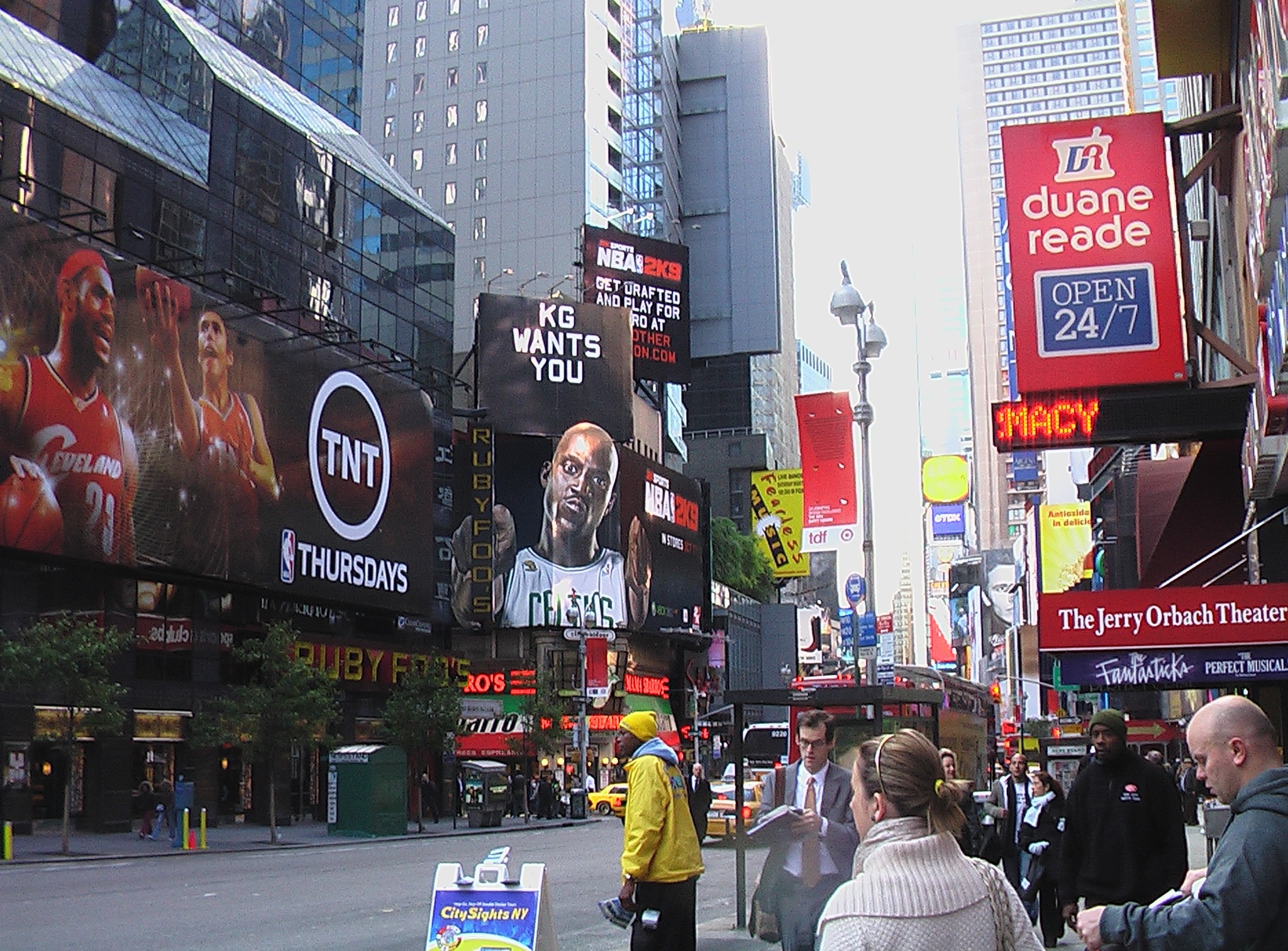
Something changes when people reach Times Square.
Prices stop looking strange.
A sandwich costs twice what it should.
Nobody questions it. People simply assume that’s normal.
After all, they’re in New York. Then it happens again at dinner.
And again the next morning.
There is nothing wrong with Times Square. The lights are fun. The energy is real.
Everyone should see it once. But eating every meal there gets expensive fast.
Walk a few blocks away. The city feels different. So do the menus.
Many locals avoid Times Square restaurants entirely. Not because they’re bad. Because better options exist nearby.
The Subway Usually Wins
Most first-time visitors hesitate. The subway looks confusing.
The map feels overwhelming. A rideshare seems easier. At least at first. Then the receipts start adding up.
One ride isn’t a problem. Five rides become noticeable. Ten rides become a budget issue.
Meanwhile, the subway keeps doing what it always does. Moving millions of people around the city. There is another benefit too.
You start seeing New York differently. You notice neighborhoods. You notice people. You stop feeling like a spectator. The city starts feeling familiar.
Cheap Hotels Can Become Expensive
People rarely talk about this. They should. A cheaper hotel looks great online. Then the trip begins.
Now you’re far from everything. Transportation costs increase. Travel time increases. The day feels longer. Energy disappears faster. By the third day, the savings often feel smaller. Sometimes much smaller. Location matters more than many visitors expect. Especially if you plan to stay busy.
Everybody Loves a Good Deal
Attraction passes are a good example.
People buy them with great intentions.
The plan sounds perfect. Five attractions in one day. Maybe six. Then reality arrives. Someone wants coffee. A museum takes longer than expected. Lunch turns into a long conversation. The schedule starts slipping. Suddenly half the attractions never happen. This doesn’t mean attraction passes are bad.
Sometimes they’re excellent. But people often buy them for the trip they imagined. Not the trip they actually take.
Some Of The Best Cheap Museums NYC Offers Feel Overlooked
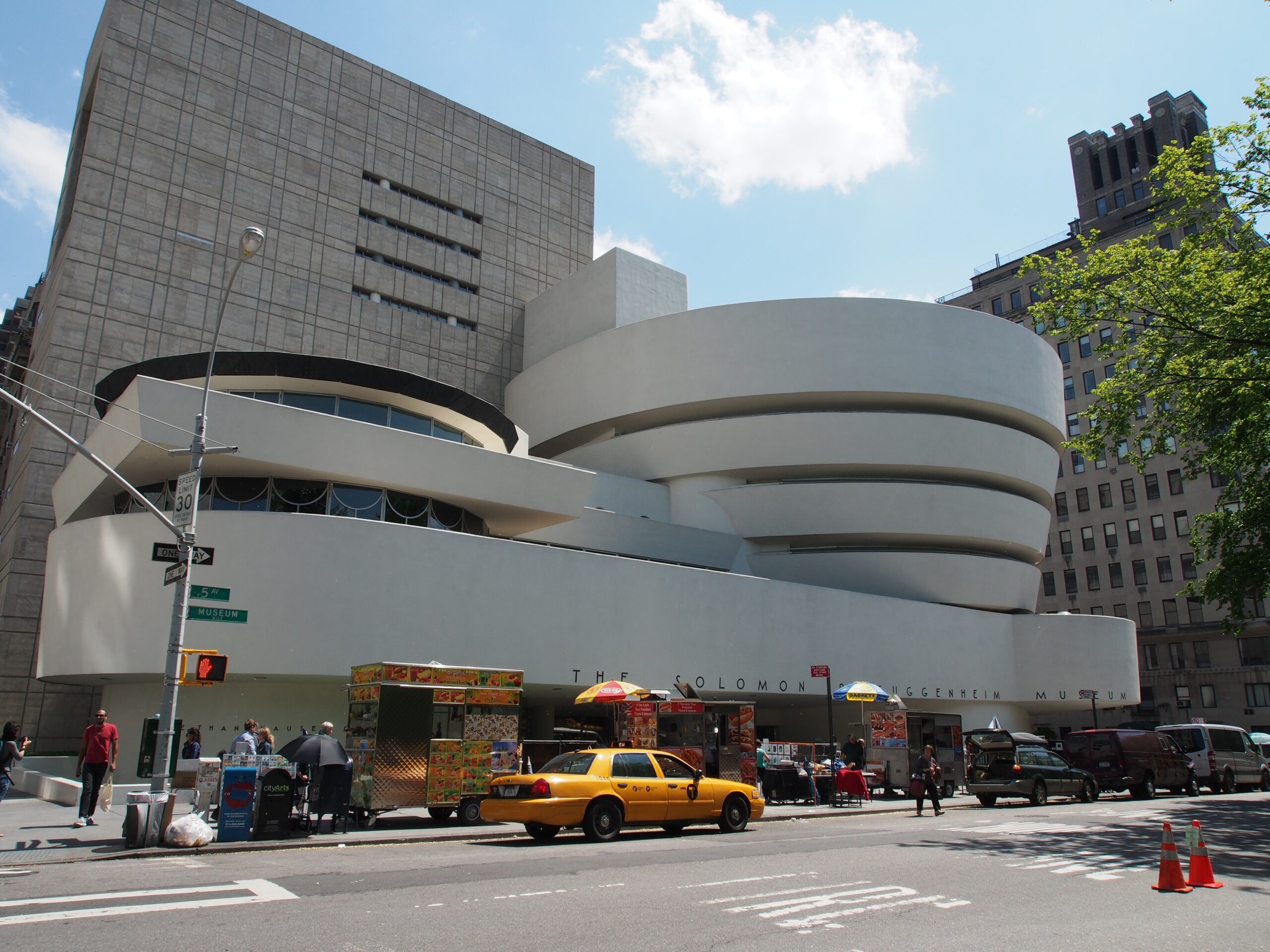
Everyone knows The Met. Everyone knows MoMA.
They deserve their reputation. Still, there are smaller places worth attention. The Museum at FIT surprises many visitors. The Museum of the Moving Image does too.
The Morgan Library feels different from most museums.
People walk in curious. They leave impressed. Those places rarely dominate travel guides. Yet visitors often remember them.
Especially creative travelers. Art students. Theater groups. Fashion programs. Many groups traveling with EE Tours discover this quickly.
The quieter museums often create stronger conversations.
Free Experiences Are Not Backup Plans
Visitors sometimes treat free activities like leftovers.
Something to do if time remains. That mindset misses the point.
Some of New York’s best experiences cost nothing. The Staten Island Ferry remains one of them. People still stop taking photos for a minute.
They just stare at the skyline. Brooklyn Bridge works the same way.
So does Central Park. The High Line too. Nobody asks how much those memories cost.
Because that isn’t what made them memorable.
Broadway Doesn’t Always Mean Expensive
Broadway has a reputation.
People hear ticket prices and panic.
Fair enough. Some shows cost a lot. Not all of them do.
Rush tickets exist. Lotteries exist.
Matinees help. Group pricing helps even more. Sometimes the best seat isn’t necessary.
The performance still lands. The experience still matters. Many travelers arrive focused on cost. Then leave talking about the show for years. That’s usually a good sign.
Fall Feels Different
Most visitors think about spring.
Spring gets attention. Fall deserves some too. The city feels comfortable. Crowds often feel lighter. Certain hotel rates improve.
The streets slow down a little. Winter has its own personality. Holiday lights appear. Storefronts change. Neighborhoods feel different.
Returning visitors often notice this first. The city becomes more enjoyable when it breathes.
That is one reason many groups work with EE Tours during quieter periods. The experience feels less rushed.
What People Actually Remember
Years later, nobody remembers every receipt.
Nobody remembers every subway ride either. The memories come from somewhere else. The Broadway performance nobody expected to love. The museum that wasn’t originally on the itinerary. The restaurant they found by accident. The conversation that lasted longer than planned.
The skyline view that stopped everyone talking. Those moments stay. The cost usually fades.
That is why many educators, administrators, and group leaders choose customized experiences through NYC Adult Group Tours. The focus stays on what matters. Theater groups spend time around the theater. Art groups dive deeper into art. Music groups explore music.
The itinerary feels personal. Not copied from a template.
That difference matters. Especially in a city this big.
Maybe Saving Money Isn’t The Real Goal
Most visitors start by asking the same question.
How much will New York cost?
Reasonable question. But after enough trips, another question seems more useful. What is worth paying for? Those are not the same thing. A great experience can feel cheap years later. A forgettable experience can feel expensive immediately. New York gives people both options every day. The people who seem happiest are rarely the ones spending the most.
They are usually the ones paying attention. They notice the small places. The unexpected moments. The experiences that never appeared on the original plan. And somehow those are often the things they bring home with them.
FAQs
1. Is New York really as expensive as people say?
It can be, but many visitors spend more than necessary on food, transportation, and tourist-heavy areas. With a little awareness, it’s possible to enjoy the city without feeling like every experience comes with a huge price tag.
2. What is the biggest money mistake visitors make in NYC?
Many people overspend on convenience. Frequent rideshares, tourist restaurants, and last-minute purchases can quietly add hundreds of dollars to a trip without them even realizing it.
3. Are attraction passes worth buying in New York?
They can be, but only if you plan to visit several attractions in a short time. Many travelers buy passes with ambitious plans, then end up using only a portion of what they paid for.
4. What are some great free things to do in New York?
Popular free experiences include walking across the Brooklyn Bridge, riding the Staten Island Ferry, exploring Central Park, visiting the High Line, and enjoying skyline views from Brooklyn Bridge Park.