The Upper East Side has a reputation.
Polished buildings. Tree-lined streets. Museum steps that look straight out of a movie. But here’s the thing. It is not just old money and quiet blocks. For first-time visitors, this neighborhood delivers culture, green space, food, and surprisingly relaxed exploration.
And if a guided tour company like EE Tours is helping travelers explore New York, this area deserves real attention.
There are so many things to do in the Upper East Side of NYC, but not all of them are obvious at first glance. Some spots are iconic. Others are tucked into brownstone-lined streets you might walk past without noticing.
Let’s explore ten that actually matter.
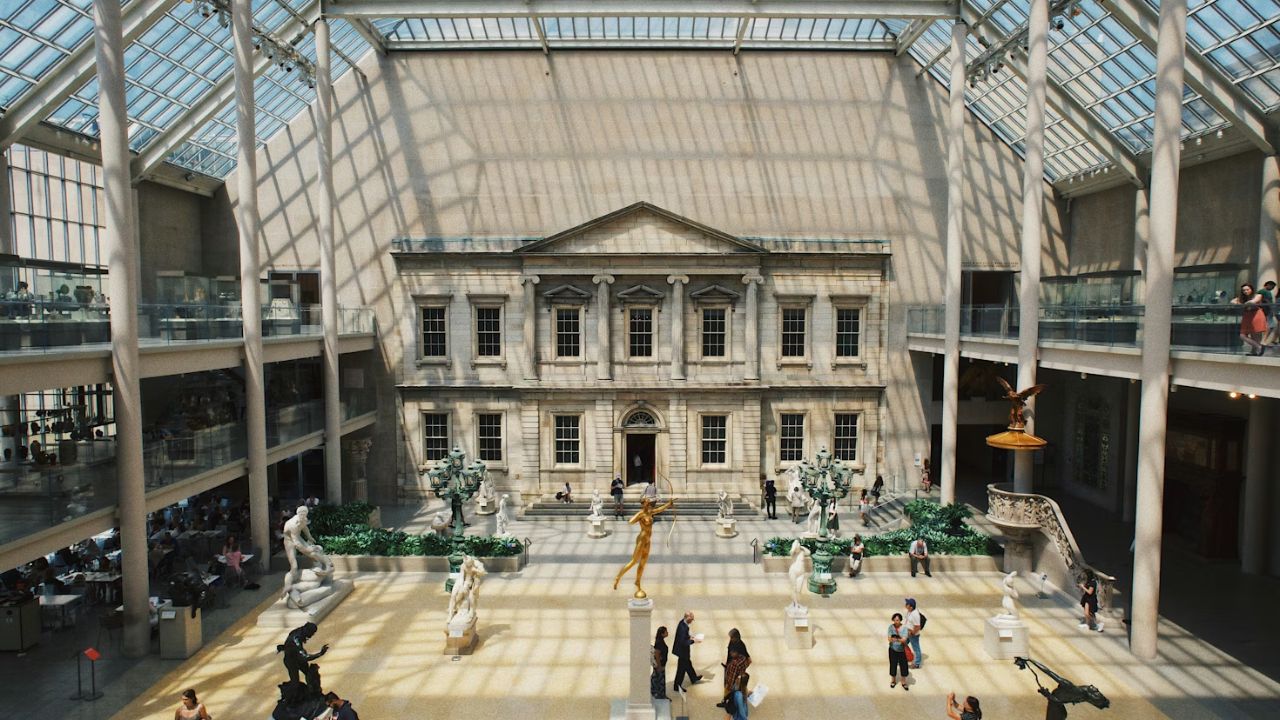 Let’s start with the obvious one because it genuinely deserves the top spot. Within the Met, visitors discover a world-class collection spanning over 5,000 years, featuring ancient Egyptian artifacts, Renaissance masterpieces, and modern American works. That’s not an exaggeration. A group could spend two full days here and still miss floors.
Pro tip for groups: Book timed entry in advance to avoid waiting. The main hall gets chaotic by 11 am on weekends. Arrive early, split the group by interest (ancient wing vs. European paintings), and meet back at the rooftop garden.
The famous front steps? Yes, they’re worth the photo. But the real magic is inside.
Let’s start with the obvious one because it genuinely deserves the top spot. Within the Met, visitors discover a world-class collection spanning over 5,000 years, featuring ancient Egyptian artifacts, Renaissance masterpieces, and modern American works. That’s not an exaggeration. A group could spend two full days here and still miss floors.
Pro tip for groups: Book timed entry in advance to avoid waiting. The main hall gets chaotic by 11 am on weekends. Arrive early, split the group by interest (ancient wing vs. European paintings), and meet back at the rooftop garden.
The famous front steps? Yes, they’re worth the photo. But the real magic is inside.
Walking this stretch as a group is surprisingly effective as a half-day itinerary. Pick two or three museums and go deep rather than skimming all of them.
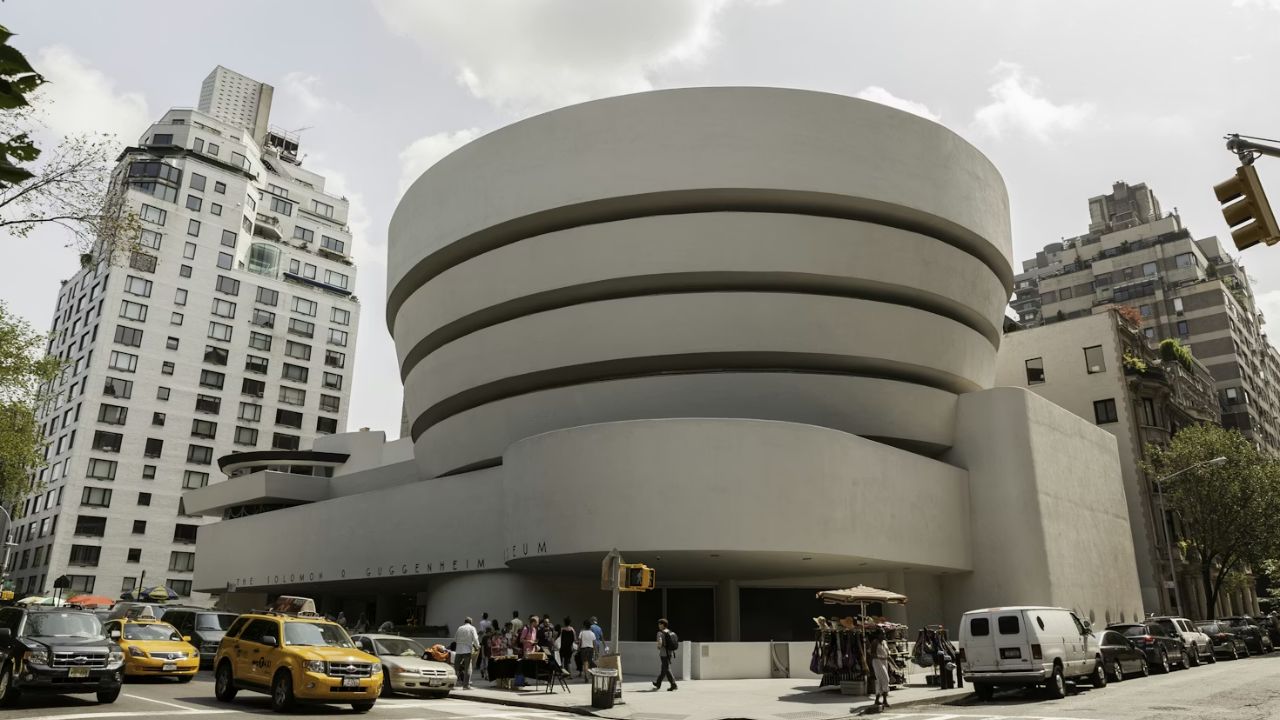 Worth a separate mention because the building itself is the attraction. The Guggenheim is one of NYC’s most famous museums due to its impressive collection of modern art and its iconic design by legendary architect Frank Lloyd Wright. It’s home to modern art from the 1860s to the present day, including the world’s largest collection of art by Pablo Picasso.
Walking up that spiral ramp while art lines the curved walls is one of those experiences that just doesn’t translate to photos. Groups tend to spread out naturally here, which makes it weirdly great for self-guided exploration.
Worth a separate mention because the building itself is the attraction. The Guggenheim is one of NYC’s most famous museums due to its impressive collection of modern art and its iconic design by legendary architect Frank Lloyd Wright. It’s home to modern art from the 1860s to the present day, including the world’s largest collection of art by Pablo Picasso.
Walking up that spiral ramp while art lines the curved walls is one of those experiences that just doesn’t translate to photos. Groups tend to spread out naturally here, which makes it weirdly great for self-guided exploration.
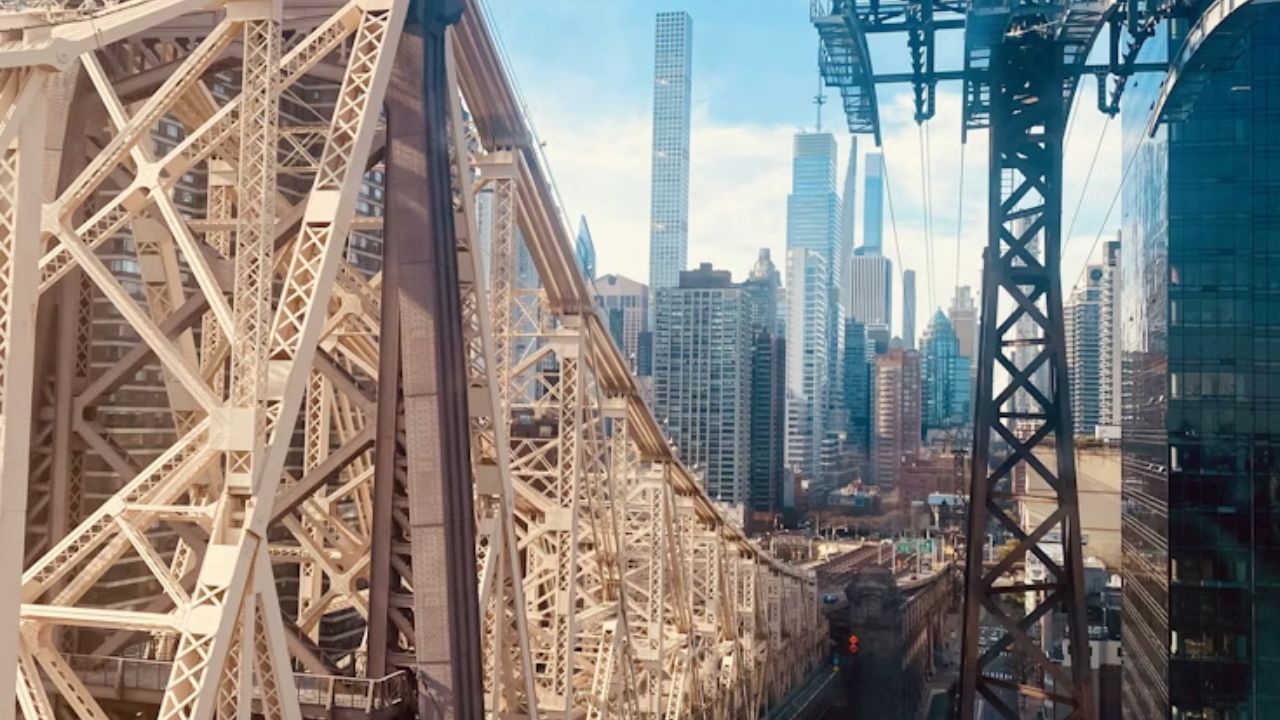 The Roosevelt Island Tramway offers an affordable, scenic aerial journey over the East River with stunning skyline views. It costs exactly one subway fare. And it gives groups an aerial perspective of the city that no observation deck can match because the tram moves.
The whole round trip takes maybe 20 minutes. But the views on the way over? Genuinely spectacular. Groups consistently call this one of the unexpected highlights of the entire trip.
The Roosevelt Island Tramway offers an affordable, scenic aerial journey over the East River with stunning skyline views. It costs exactly one subway fare. And it gives groups an aerial perspective of the city that no observation deck can match because the tram moves.
The whole round trip takes maybe 20 minutes. But the views on the way over? Genuinely spectacular. Groups consistently call this one of the unexpected highlights of the entire trip.
And honestly, the Upper East Side can appear quiet at first glance. A knowledgeable guide reveals the layers beneath that calm surface.
1. The Metropolitan Museum of Art
Let’s start with the obvious one because it genuinely deserves the top spot. Within the Met, visitors discover a world-class collection spanning over 5,000 years, featuring ancient Egyptian artifacts, Renaissance masterpieces, and modern American works. That’s not an exaggeration. A group could spend two full days here and still miss floors.
Pro tip for groups: Book timed entry in advance to avoid waiting. The main hall gets chaotic by 11 am on weekends. Arrive early, split the group by interest (ancient wing vs. European paintings), and meet back at the rooftop garden.
The famous front steps? Yes, they’re worth the photo. But the real magic is inside.
2. Museum Mile Walk
Here’s the thing most first-timers don’t realize: the Upper East Side has an entire mile of museums along Fifth Avenue. This strip is called Museum Mile, and along it, visitors find The Frick, housed in a Gilded Age mansion with works by Goya, Rembrandt, Vermeer, and Bellini. The full Museum Mile lineup includes:| The Met | 5,000 years of Global Art | Everyone |
| The Guggenheim | Modern and contemporary art | Art lovers |
| The Frick Collection | European masters in a mansion | History buffs |
| Neue Galerie | German and Austrian art | Smaller groups |
| Jewish Museum | 4,000 years of Jewish culture | Educational tours |
| Asia Society Museum | Asian and Asian American art | Cultural exploration |
3. The Guggenheim Museum
Worth a separate mention because the building itself is the attraction. The Guggenheim is one of NYC’s most famous museums due to its impressive collection of modern art and its iconic design by legendary architect Frank Lloyd Wright. It’s home to modern art from the 1860s to the present day, including the world’s largest collection of art by Pablo Picasso.
Walking up that spiral ramp while art lines the curved walls is one of those experiences that just doesn’t translate to photos. Groups tend to spread out naturally here, which makes it weirdly great for self-guided exploration.
4. Central Park (From the East Side Entrance)
Most tourists enter Central Park from Midtown. But entering from the Upper East Side puts the whole park in a different light. Less crowded. Greener. More local. Central Park divides the Upper East Side and the Upper West Side, and the UES is known as one of NYC’s greener neighborhoods with many parks to explore. For groups, the east entrances around 72nd and 85th Street drop visitors right into quiet, tree-lined paths that the tourist crowds haven’t fully discovered. Things to do once inside:- Conservatory Garden (free, serene, and genuinely beautiful)
- The Great Lawn for group picnics or team activities
- Jacqueline Kennedy Onassis Reservoir for a 1.58-mile scenic run or walk
- Belvedere Castle for skyline views
5. The Frick Collection
The Frick Collection reopened in April 2025 after massive renovations, and the newly accessible second-floor rooms are genuine hidden gems within an already special museum. These former private quarters of the Frick family now display rarely-seen drawings by Degas, Goya, and Whistler in the Cabinet Gallery. Most visitors rush through the famous first-floor galleries and completely miss the upstairs. For any group with an interest in art history or architecture, this place rewards slow, attentive visits. The scale is intimate compared to the Met, which makes it surprisingly good for discussion-based educational tours.6. Madison Avenue Shopping and Architecture
Madison Avenue between 60th and 86th Street is worth walking, even if no one in the group is spending a dime. The Upper East Side is home to some of the prettiest streets in Manhattan, with elegant townhouses full of historic character and charm, especially in the upper 60s, 70s, and 80s between Fifth Avenue and Park Avenue. The architecture alone tells a story about old New York money. And scattered among the high-end boutiques are genuinely cool coffee shops, independent bookstores, and galleries that don’t get nearly enough attention.7. Carl Schurz Park and the East River Promenade
This one surprises people every time. The East River Promenade runs for 1.5 miles with views of Roosevelt Island and the Triborough and Hellgate Bridges. Carl Schurz Park sits right along it and offers one of the most peaceful, genuinely local spots in Manhattan. It’s also where Gracie Mansion sits. The official residence of New York’s mayor is tucked into a park that most tourists walk right past without knowing it exists. For educational groups, especially, this is a surprisingly good civics moment.8. Roosevelt Island Tramway
The Roosevelt Island Tramway offers an affordable, scenic aerial journey over the East River with stunning skyline views. It costs exactly one subway fare. And it gives groups an aerial perspective of the city that no observation deck can match because the tram moves.
The whole round trip takes maybe 20 minutes. But the views on the way over? Genuinely spectacular. Groups consistently call this one of the unexpected highlights of the entire trip.
9. Neue Galerie and Café Sabarsky
The Neue Galerie is housed in an elegant townhouse on the Upper East Side and is most famous for Gustav Klimt’s Portrait of Adele Bloch-Bauer, painted in oil and finished with gold leaf. It was at the center of an international legal battle when the painting was stolen by the Nazis, and a family member fought to have it returned. That story alone makes this painting one of the most emotionally charged pieces of art in New York. And then right downstairs is Café Sabarsky. Stepping into Café Sabarsky is like stepping back in time to 19th-century Vienna, with a Viennese menu and what might be the most decadent hot chocolate in the city. For a group lunch or afternoon break, this is a genuinely memorable stop.10. Carnegie Hill Historic District
The Carnegie Hill Historic District, comprising 86th to 98th Streets from Lexington to Fifth Avenue, has many historic rowhouses and brownstones from the 1800s and early 1900s. The streets around 92nd, 93rd, and 94th are particularly beautiful. Walking this neighborhood with a knowledgeable guide turns a pleasant stroll into a proper history lesson. Past residents of this area include the Astors, Rockefellers, Kennedys, Roosevelts, and Carnegies. The wealth embedded in these streets is extraordinary, and the architecture shows it. A helpful trick: most NYC street signs are green, but brown street signs indicate a Historic District with landmarked buildings. Keep an eye out for the brown ones.Bonus – Take a Guided Walking Tour
Here’s where context changes everything. Walking past elegant townhouses without knowing their history misses the deeper story. Guided tours offered by EE Tours help visitors connect architecture, history, and cultural shifts. Why guided tours work well here:| Benefit | Impact for First Time Visitors |
| Structured route | No wandering aimlessly |
| Historical context | Stories behind the buildings |
| Time efficiency | See more in less time |
| Local insight | Recommendations beyond guidebooks |