You know that feeling when you’re planning a field trip and suddenly realize you’re about to shepherd 30 kids through the busiest city in America? Yeah. Your stomach drops a little. The list of responsibilities expands rapidly. It may even prompt educators to question whether a classroom-based lesson would be easier to manage.
But then you remember why you’re doing this. Because those textbook pages about the Statue of Liberty? They don’t compare to actually standing beneath it. Similarly, natural history concepts resonate more strongly when students encounter full-scale exhibits such as a Tyrannosaurus rex skeleton.
New York City isn’t just another field trip destination. It’s basically an entire curriculum packed into five boroughs. The challenge isn’t finding educational spots (there are hundreds). The primary consideration is selecting activities that suit a specific student group while remaining logistically manageable.
Why NYC Works Well for School Groups
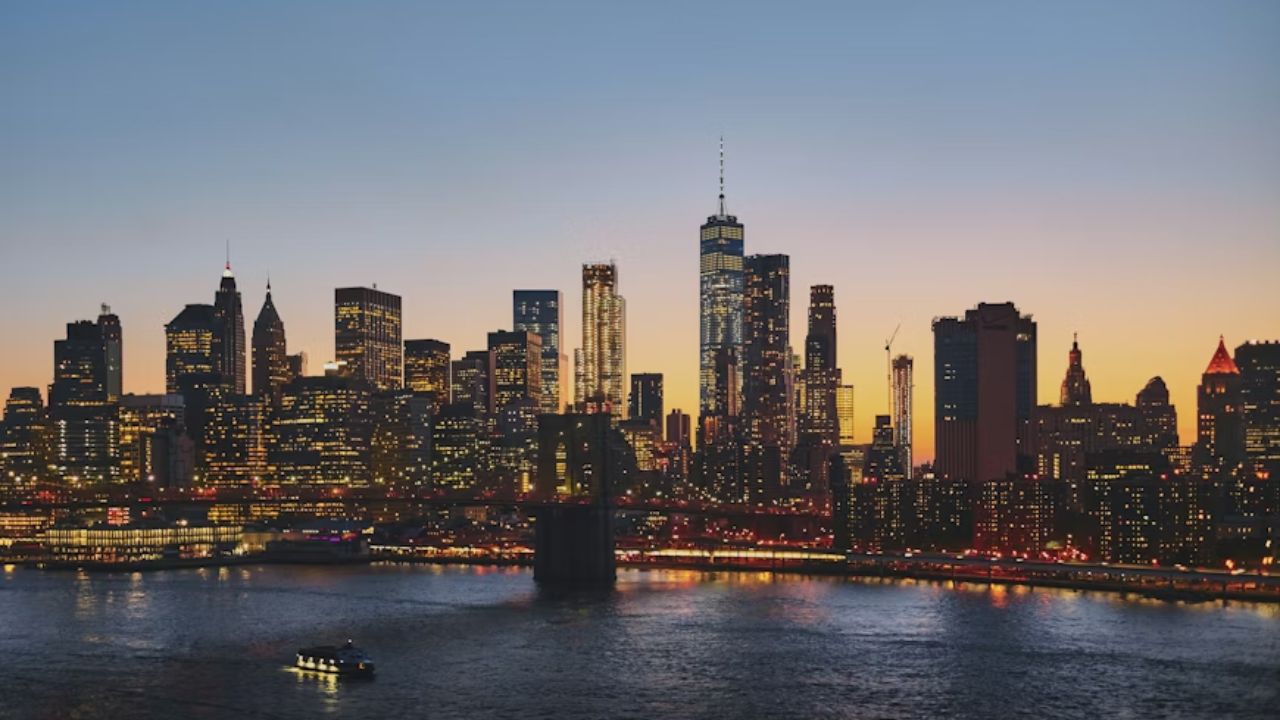
Let’s get real about something first. Cities can be intimidating for field trips. High population density, noise, and complex movement patterns can present challenges for school groups.
However, New York City offers advantages that few other destinations can match: infrastructure that’s literally built for moving massive crowds. Think about it. This city handles millions of commuters every single day. A group of 30 students can be accommodated efficiently within this system.
Plus, most major attractions here have hosted thousands of school groups. They’ve seen it all. Staff are accustomed to managing a wide range of student needs and situations. The one who needs to pee every 45 minutes. The group that shows up 20 minutes late because of subway delays. They’re ready for you.
What really makes group activities NYC offers special is the sheer variety packed into such a small area. You can hit three completely different educational experiences in one day without spending hours on a bus. Museum to historic site to outdoor learning space. All connected by public transit.
The Museums That Actually Deliver
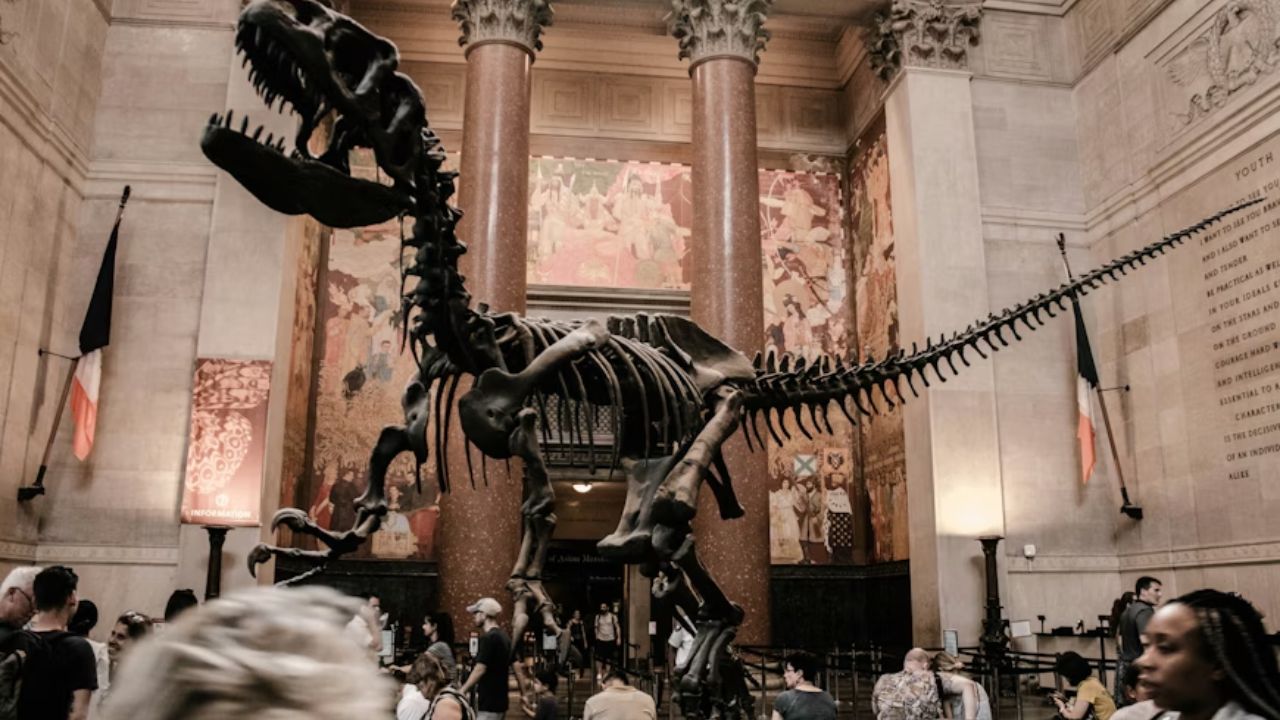
On a typical weekday morning, the American Museum of Natural History hosts numerous school groups. School groups everywhere. Despite high attendance, the space remains well-organized.
The dinosaur halls alone could fill an entire day. Not simply due to visual appeal, but because the exhibits support interdisciplinary learning:
- Biology and evolution concepts that suddenly make sense when you’re staring at actual fossils
- Earth science comes alive through exhibits about extinction events and climate change.
- Even math skills getting a workout when students try calculating the size ratios between different species
Here’s something teachers don’t always think about. The museum has these alcoves and quieter corners scattered throughout. When you inevitably have that student who gets overwhelmed by crowds and noise, you’ve got built-in calm-down spaces. Not official or anything. These design features provide valuable spaces for regrouping when needed.
The Intrepid Museum does something completely different. It puts students inside history instead of just showing it to them. You’re not reading about aircraft carriers. You’re standing on the deck of one. Being physically present on the vessel adds sensory context to the experience. This setting helps students contextualize historical events beyond dates and facts.
What works brilliantly here:
- The self-guided nature lets students explore at their own pace (within reason)
- Interactive exhibits mean kinesthetic learners aren’t stuck just looking at stuff
- The space shuttle Enterprise draws in even the kids who swore they weren’t interested
- Multiple bathrooms and eating areas (This logistical consideration is particularly important for school groups.)
Our guided group tours make these exhibits even more engaging. Explore our Educational/Art tours designed specifically for school groups.
Hands-On Learning That Sticks
The New York Hall of Science is designed around experiential learning, where interaction drives understanding. Exhibits encourage students to engage directly by building, testing, and observing concepts in action, which significantly improves retention and comprehension across age groups.
Educators consistently note that students who struggle to remain engaged in traditional classroom settings often spend extended periods focused on hands-on physics and engineering activities. When scientific principles are presented through movement, experimentation, and problem solving, attention spans increase and participation becomes more natural.
The outdoor Science Playground operates throughout the year, making it a reliable option for schools planning well in advance. Covered areas allow activities to continue during light rain, reducing the risk of schedule disruption due to unpredictable weather.
Indoor exhibits are thoughtfully structured to support multiple learning levels simultaneously. Middle school students can engage with more advanced scientific concepts, while younger learners benefit from clear cause-and-effect demonstrations. This layered approach ensures that every student gains age appropriate value from the visit.
We can customize visits to include hands-on workshops and guided exploration. Check out our tours that bring science to life for students.
For Older Students
The 9/11 Memorial & Museum isn’t your typical field trip, and it shouldn’t be. This requires preparation. Real preparation. Not just permission slips and packed lunches.
You need to talk with students beforehand about what they’re going to see. Some of them have family connections to that day. Some were born after it happened and only know it from history class. Both groups need different kinds of support.
But here’s why it matters. This museum teaches resilience and community response in ways nothing else can. The artifacts are powerful, yes. But it’s the stories of ordinary people making extraordinary choices that really land with students.
Go with eighth graders or high schoolers. Have discussions planned for afterward. Bring tissues (seriously). And be prepared for deeper conversations than you might get at other venues.
Cultural Experiences That Change Perspectives
Ellis Island offers a deeper level of impact when students walk through the historic registry hall. Standing where 12 million people stood, scared and hopeful and exhausted from the journey. That’s education that sticks in your bones.
The cool part? Many students can search the databases for their own family names. When a kid finds their great-grandfather’s entry record, complete with the ship name and arrival date, history stops being abstract. It becomes personal in about five seconds.
The ferry ride to get there isn’t just transportation. It’s a teaching opportunity disguised as transit time:
- Geography lessons about why cities develop around natural harbors
- Economics discussions about trade and shipping
- Architecture observations about the Manhattan skyline
- Built-in bathroom breaks (never underestimate this)
Add expert narration and structured activities to the ferry and Ellis Island experience with our Adult NYC tours tailored for educational groups.
Broadway Shows Worth the Investment
Yeah, Broadway tickets are expensive. Even the school group discounts still add up. But certain shows deliver educational value that’s hard to quantify on a budget spreadsheet.
A good historical musical teaches more about a time period in two hours than two weeks of lectures ever could. The music makes information sticky. The visuals create memory anchors. Students who struggle with traditional learning formats often thrive with this kind of immersive storytelling.
Picking the right show matters enormously:
- Match it to your curriculum (Hamilton for American history, Wicked for literature themes)
- Consider the maturity level honestly (some content isn’t age-appropriate, period)
- Check if post-show discussions or study guides are available.
- Look for shows offering student matinees with educational programs.
Outdoor Learning Without Leaving the City
Central Park surprises people who think it’s just grass and trees. The Conservatory Garden alone covers six acres of designed landscapes demonstrating different horticultural styles. The Shakespeare Garden contains every plant mentioned in his plays. Belvedere Castle offers urban planning lessons from its observation deck.
You can build an entire environmental science unit around the group activities NYC parks provide. Ecosystem observation. Species identification. Human impact on natural spaces. All happening in the middle of one of the world’s densest urban areas.
Brooklyn Bridge combines so many subjects into one walk that you almost feel like you’re cheating:
- Engineering and physics in the suspension cable design
- History through the immigrant workers who built it
- Urban development watching two boroughs connect
- Chemistry, if you discuss the caisson disease that affected construction workers
Safety needs extra attention here. Pedestrian traffic plus bike traffic plus distracted tourists equals situations requiring clear rules and attentive chaperones.
The Planning Details Nobody Warns You About
Timing plays a critical role in the overall success of a field trip. Arrive right when venues open, and you’ll have 45 minutes of relative peace before other groups show up. Come at 11am, and you’re competing with everyone else who thought “mid-morning sounds good.”
Transportation planning often requires more attention than initially expected. The subway saves money but requires students who can handle:
- Loud noises and crowds without panicking
- Quick platform changes and door timings
- Staying together in packed cars
- Following directions precisely
Sometimes chartered buses cost more but reduce stress for both students and staff. Run the numbers both ways before deciding.
Chaperone ratios go beyond legal requirements. Sure, you need one adult per ten students by law. But functionally? One per six or seven works better for keeping groups manageable and flexible.
Let us handle transportation, timing, and group management for a stress-free day. Contact us to book a fully coordinated custom NYC school group tour.
Making It Count After You’re Back
Pre-trip work isn’t optional if you want actual learning to happen. Give students specific observation tasks. Not busy work, but genuine questions that require engagement:
- What’s one thing that surprised you about what you saw?
- How does this connect to what we’ve been studying?
- What question do you have now that you didn’t have before?
Post-trip reflection cements everything. Skip this, and the whole day becomes just a fun memory instead of a learning experience. Create space for students to process, share, and connect their observations to ongoing classwork.
Frequently Asked Questions
What should schools prioritize when choosing group activities in NYC?
Schools should prioritize safety, age-appropriate activities, logistical feasibility, and alignment with educational objectives when selecting group activities in NYC.
Big school crews in New York City – do group events work well for them?
Yes. Many NYC venues are designed to accommodate large school groups through structured programming and dedicated group services.
How far in advance should school field trips be planned?
Better schedules come from thinking far ahead. Logistics flow more easily when dates are set early. Experienced help for groups becomes reachable through long-term planning.