Two days in New York City. That’s what most first-time group travelers get, and honestly? It feels both generous and completely inadequate at the same time. There’s this pressure to see everything, do everything, photograph everything until your phone storage screams for mercy. And that’s exactly how people end up exhausted, overwhelmed, and weirdly unsatisfied despite checking off every major landmark.
Here’s what works better. Focus on the neighborhoods that actually show you what makes New York different from every other city. Lower Manhattan, where American history literally happened. SoHo, where creativity refuses to be priced out completely. Broadway, where the city’s theatrical soul still burns bright every single night. These three areas sit close enough that groups can experience them deeply rather than just skimming past in a blur of rushed photos and aching feet.
A well-planned New York itinerary for 2 days doesn’t try to cram in everything. It creates space for actual experiences instead of just sightseeing. For conversations that happen when groups aren’t sprinting between subway stops. For meals that become memories instead of fuel stops. For moments when someone looks around and actually feels something instead of just documenting that they were there.
Day One: Lower Manhattan’s Layers of History and Renewal
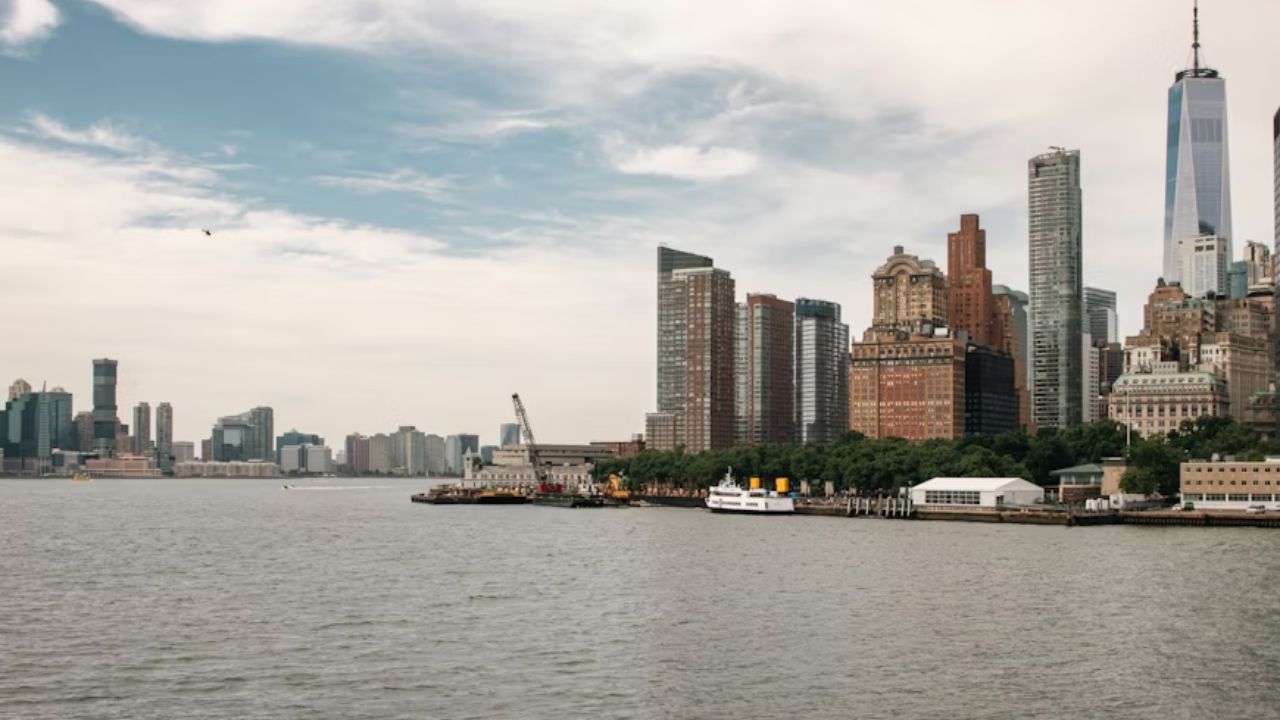
Morning: Starting Where America’s Financial Story Began
The first day should begin downtown, and it should begin early. Not because there’s some arbitrary rule about early birds and worms. But because Lower Manhattan in the morning operates on a completely different energy than the midday tourist chaos allows you to witness.
Arrive at the 9/11 Memorial by 9 AM if possible. The reflecting pools at this hour offer something crowds make nearly impossible: actual reflection. The names etched in bronze catch morning light differently. You can hear the water. Process what you’re witnessing. Stand in respectful silence without feeling pressed by the crowd behind you, waiting for their turn at the same spot.
The Memorial Museum deserves at least two hours. Groups rushing through in forty-five minutes might see everything, but they don’t experience anything. The artifacts demand time. The survivor testimonies require your full attention. The timeline of that morning, presented in painful detail, won’t let you skim past if you’re actually engaging with it rather than just checking a box.
This emotional heaviness matters for understanding what comes next. Cities aren’t just happy tourist destinations. They’re places where tragedy occurred, where people died, where collective grief still lives in specific locations. Acknowledging this depth makes the rest of your visit richer, not heavier.
For groups wanting guided context and pacing through Lower Manhattan’s historical sites, including the Memorial, see our customized NYC private group tours.
Late Morning: The Financial District’s Living History
Walking through the Financial District after the Memorial creates a natural thematic flow. This neighborhood built American capitalism, for better and worse. The same streets where Alexander Hamilton argued about central banking still host the financial institutions that move global markets.
Trinity Church stands at Broadway and Wall Street as it has since the 1840s, outlasting every crisis, every boom and bust, every prediction that New York’s dominance would fade. The graveyard holds Hamilton’s tomb plus other names from history textbooks, all crammed into a surprisingly small space surrounded by buildings worth hundreds of millions.
The contrast tells you everything about New York. Sacred ground sitting steps from the New York Stock Exchange. Centuries-old gravestones are visible from glass tower windows. History and commerce, and memory all occupy the same few blocks because the city never had the luxury of spreading things out comfortably.
Federal Hall National Memorial marks where George Washington took the presidential oath. It’s free, often empty, and provides context that makes the surrounding financial canyon suddenly feel different. These weren’t always bank headquarters. They were streets where the American experiment got figured out through arguments and compromises and occasional actual violence.
Midday: Battery Park and Harbor Views
By late morning, groups need transition space. Not another museum or historical site. Just… breathing room. Battery Park provides exactly this. Harbor views. Benches. Space to sit and process morning intensity before diving into afternoon activities.
The Statue of Liberty and Ellis Island sit visible across the water. Groups with energy and advanced planning can take ferries out. But honestly? After the Memorial Museum’s emotional weight, many groups appreciate staying on land, watching boats move across the harbor, eating lunch from food carts, and letting conversations develop naturally about what they’ve witnessed so far.
This pacing matters more than most itineraries acknowledge. Humans can’t absorb intense historical and emotional input continuously without breaking. Strategic pauses, even just thirty minutes sitting in a park, allow integration. They prevent the weird numbness that sets in when you’re seeing amazing things but too exhausted to actually feel anything about them.
Afternoon: Moving Into SoHo’s Creative Energy
The walk from Battery Park to SoHo takes roughly thirty minutes at a comfortable group pace. This transition between neighborhoods matters. Lower Manhattan’s heavy history gradually gives way to TriBeCa’s converted warehouses, then SoHo’s distinctive cast-iron architecture appears and suddenly you’re somewhere operating on a completely different frequency.
SoHo in the afternoon offers visual and sensory relief after the morning’s emotional intensity. The galleries invite wandering without demanding scholarly understanding. Street art covers walls with colors and images that engage eyes and brain differently than memorial inscriptions. Cafes provide fuel and comfortable seating, and bathrooms (never underestimate bathroom access in group planning).
Gallery hopping works best when groups understand there’s no pressure. Walk in. Look at what draws attention. Leave when ready. Smaller galleries often welcome questions about artists, techniques, and inspirations. The person at the desk might be the curator or even the artist. Real conversations happen here that museum audio guides never replicate.
The cobblestone streets force everyone to slow down, look around, and be present. You can’t rush across uneven stones while staring at phones. This forced attention helps people actually see their surroundings instead of photographing them reflexively.
Our expert-led walks make this effortless and meaningful; explore our Educational/Arts Tour designed for groups wanting depth without rush.
Late Afternoon: SoHo’s Retail and Architectural Stories
Shopping in SoHo transcends simple consumerism when you understand what you’re looking at. Those cast-iron buildings with their ornate facades? Originally factories. The huge windows lit the manufacturing floors. The freight elevators hauled raw materials and finished goods. Now they’re luxury retail and multimillion-dollar lofts, but their bones remember different purposes.
Independent boutiques and vintage shops offer more interesting browsing than chain stores. Spaces curated with care around specific aesthetics or eras. Art supply stores where you could lose hours even if you haven’t painted since childhood. Bookstores specializing in photography or design, or architecture.
Groups don’t need to buy anything. The exploration itself provides value. Touching fabrics, flipping through books, trying on vintage sunglasses… tactile experiences that ground you after a day of heavy historical input.
Evening: Dinner and Broadway Preparation
A New York itinerary for 2 days needs to account for the reality that groups contain different energy levels and interests. Some people want elaborate dinners. Others need quick fuel before shows. SoHo and the surrounding areas provide both.
Pre-theater dining requires strategy. Restaurants near theaters know their customers need to eat and leave within specific windows. They’re efficient without being rushed. Reservations matter for groups, obviously. But walk-in options exist for smaller parties willing to eat earlier or later than prime times.
Broadway shows typically start at 7 or 8 PM. Getting to theaters by 7:30 for an 8 PM curtain gives groups time to find seats, settle in, read programs, and use bathrooms without panic. Theater district streets get chaotic right before showtime. Building in a buffer prevents stress.
Enhance your Broadway experience with insider tips and seamless group logistics; check out our NYC Adults tours that pair perfectly with downtown and SoHo days
Night: The Broadway Experience
Broadway deserves its reputation. Not because every show is transcendent (they’re not). But because the experience of live theater in venues built for exactly this purpose, performed by people doing eight shows weekly at an incredibly high level, creates something you genuinely can’t replicate anywhere else.
First-time groups should see established hits rather than brand-new shows. The hits are hits for reasons. They deliver what audiences want reliably. New shows might be brilliant or might close in a month. Established productions offer safer bets for a limited time.
The theater district itself, particularly around show time, pulses with specific energy. Marquees glowing. Crowds are converging from every direction. Street performers working corners. Restaurants are packed. Everyone is participating in this nightly ritual that’s been happening in these blocks for over a century.
After the shows let out, the neighborhood transforms again. Restaurants offer late-night service. Bars fill with theater people and audience members processing what they just saw. Times Square, love it or hate it, becomes less oppressive late at night when tourist families have retreated, and the crowd skews toward people who chose to be there rather than felt obligated.
Day Two: Deeper Into Manhattan’s Cultural Core
Morning: Return to SoHo With Fresh Eyes
The second day of a New York itinerary 2 days benefits from revisiting SoHo in morning light. The neighborhood operated differently earlier. Galleries are just opening. Coffee shops serve locals heading to work. Delivery trucks navigate cobblestones with impressive skill.
Street art looks different in the morning sun. Colors pop. Details become visible as afternoon shadows hide. Fewer crowds mean better photos for groups who care about that, but more importantly, easier movement and more space to actually look at things.
This morning return allows groups to hit spots they missed yesterday or revisit ones that deserved more time. That gallery where someone wanted to ask questions but felt rushed. The cafe smelled amazing, but had a line out the door. The architecture walk that someone mentioned wanting to do properly.
Late Morning: Exploring Hidden SoHo
The best SoHo experiences happen off main drags. Side streets and alleys where most tourists never wander. Small courtyards between buildings. Tiny parks with benches and unexpected quiet. Artist studios are tucked into upper floors, sometimes welcoming visitors during specific hours.
Finding these requires curiosity and a willingness to explore without specific destinations. Following interesting storefronts down unfamiliar streets. Reading building directories to see what occupies the upper floors. Asking locals (or people who look like locals) for recommendations.
These discoveries can’t be mapped precisely. They happen through attention and openness. By taking the less obvious route. Through noticing details that most people walk past. The emotional value of discovering something yourself, rather than being directed to it, creates ownership of the experience. That courtyard becomes your group’s courtyard in collective memory.
Midday: Greenwich Village and Cultural Wandering
Greenwich Village sits adjacent to SoHo, easily reached on foot. The neighborhood’s winding streets (many actually named streets, breaking Manhattan’s grid) create a village feel that contrasts sharply with most of the city’s rigid geometry.
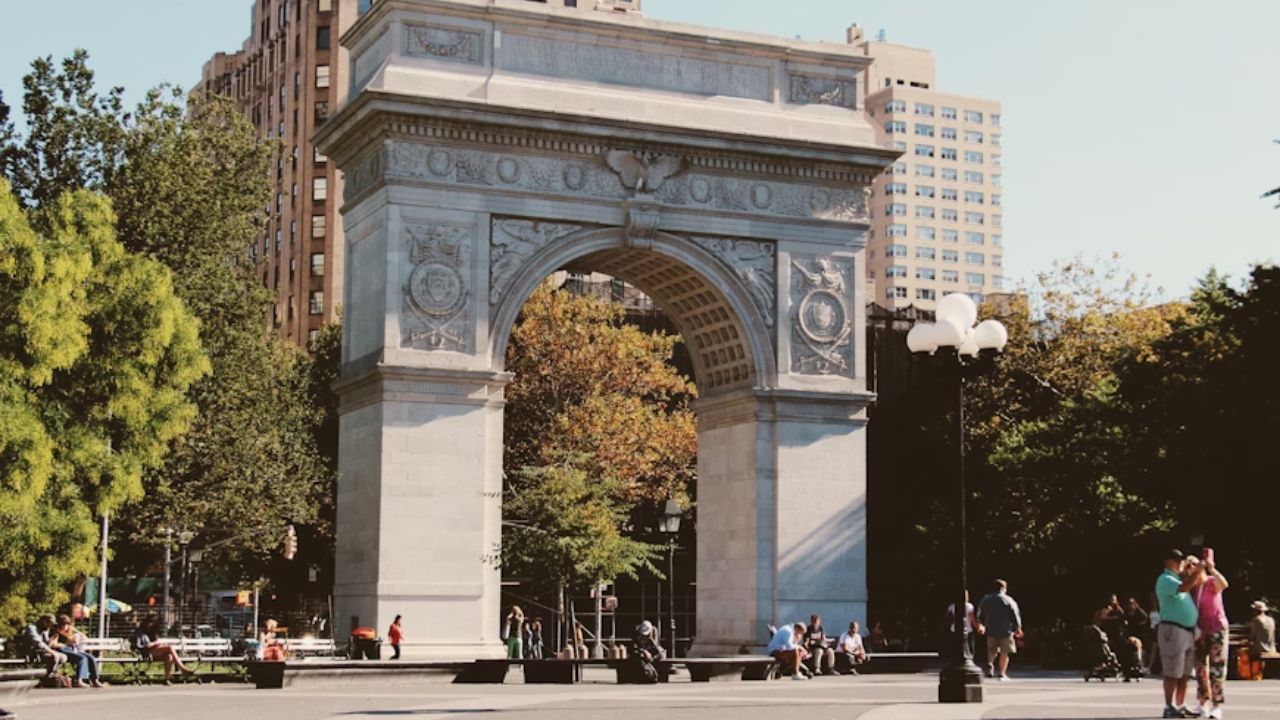
Washington Square Park serves as the neighborhood’s heart. Street performers, chess players, dog walkers, NYU students, tourists, locals… everyone converging in this space that’s been a gathering point for generations. The arch, the fountain, the trees… all offering respite and people-watching opportunities.
The surrounding streets contain layers of cultural history. Buildings where writers lived, clubs where musicians played, cafes where movements started. Most lack plaques or markers. The history lives quietly, known to people who care enough to learn but not advertised to every passerby.
Afternoon: Museum Mile or More Broadway
Groups at this point face choices based on interests and energy. The Metropolitan Museum of Art is accessible via subway, offering world-class collections that could occupy days but can be sampled meaningfully in a few hours. The Natural History Museum provides a different appeal, particularly for groups with varied ages and interests.
Alternatively, more Broadway might appeal to groups who fell in love with theater last night. Matinee performances offer different shows, often at lower prices. The theater experience in afternoon light feels distinct from evening glamour but is no less engaging.
Or groups might choose simply wandering through neighborhoods they’ve barely touched. The High Line, Chelsea, East Village… each offering distinct character and experiences. A New York itinerary of 2 days can’t cover everything, but it can provide enough taste that people know where they want to return.
Late Afternoon: Integration and Reflection
As the second day winds down, smart groups build in time for processing rather than frantically adding more stops. Finding a cafe or park. Sitting together. Talking about what stood out, what surprised, what exceeded or disappointed expectations.
This collective reflection transforms disconnected experiences into a shared narrative. Someone mentions the Memorial’s impact. Another person talks about that one gallery piece they can’t stop thinking about. The Broadway show gets dissected. Favorite meals get debated. The group’s story of these two days starts forming through conversation.
Photos get shared. Plans for hypothetical return visits get discussed. Contact information gets exchanged among people who arrived as strangers but bonded through shared exploration. This social aspect often matters as much as the sights themselves, particularly for group travelers.
Evening: Finale Choices
Final evening options depend entirely on group energy and interests. Some want one more Broadway show, maximizing theatrical immersion while they have the chance. Others prefer elevated dinner experiences, splurging on restaurants they researched but couldn’t fit in earlier.
Rooftop bars offer skyline views and cocktails, creating postcard moments if the weather cooperates. Jazz clubs in Greenwich Village provide intimate performances that feel quintessentially New York without the spectacle of Broadway. Simple pizza by the slice and walking Manhattan streets at night delivers its own kind of perfect ending.
The key is matching choices to group reality rather than forcing experiences because itineraries say you should. Two days create natural limits. Accepting them allows depth over breadth, quality over quantity, and actual experiences over exhaustive checklists.
Practical Considerations That Actually Matter
Group Dynamics and Pacing
Groups move more slowly than individuals. Always. Someone needs bathroom breaks. Another person wants photos. Different walking speeds create natural spreading. Building in buffer time prevents the stress of constantly running late.
Decision-making in groups takes longer, too. Where to eat, which show to see, whether to split up or stay together… Every choice requires discussion and consensus. Designating a point person who makes calls when the discussion stalls saves enormous time and frustration.
Energy levels vary wildly. Some people could explore for twelve hours straight. Others hit walls after six. Building in optional activities rather than mandatory ones lets people self-select based on capacity without guilt or group splitting.
Money and Budgeting
New York costs money. No way around it. But expenses vary enormously based on choices. Broadway can mean $200 orchestra seats or $50 balcony tickets. Meals range from $5 pizza slices to $100 tasting menus. Both are legitimate New York experiences.
Groups should discuss budgets explicitly before arriving. Knowing everyone’s comfortable spending range prevents awkward moments when bills arrive. It allows planning that works for all members rather than defaulting to either the cheapest options or expensive ones that strain some people’s budgets.
Many museums operate on a suggested donation basis or have specific free hours. Broadway lottery tickets offer orchestra seats at steep discounts to lucky winners. Food trucks and casual spots deliver quality at a fraction of restaurant prices. Strategic choices make the city accessible across budget ranges.
Transportation and Navigation
Manhattan’s subway system moves people efficiently once you understand it. First-timers often feel intimidated, but basic competence develops quickly. Groups benefit from designating someone to navigate, particularly someone comfortable with subway apps and maps.
Walking covers surprising distances in Manhattan. Lower Manhattan to SoHo to Broadway district all sit within reasonable walking range, weather permitting. This saves subway time and fares while providing better neighborhood understanding than underground travel allows.
Comfortable shoes bear repeating because people consistently underestimate how much walking happens. Blisters and foot pain ruin experiences. Fashion matters less than function for two days of intensive urban exploration.
Making These Two Days Actually Memorable
The difference between a good New York itinerary for 2 days and a great one often comes down to permission. Permission to skip things that don’t interest your group. Permission to spend two hours in one gallery if something resonates, rather than rushing to hit five. Permission to change plans when something unexpected appears is more appealing.
Rigid itineraries create stress and disappointment. Flexible frameworks create space for spontaneity and delight. The goal isn’t seeing everything. It’s experiencing enough that people leave, understanding what makes New York different, what makes it matter, why millions of people choose the chaos and expense and crowds despite easier options existing elsewhere.
Lower Manhattan shows you the history that shaped the nation. SoHo demonstrates that creativity persists even when economics tries to crush it. Broadway proves that some art forms require specific places and can’t be replicated anywhere else. Together, these three areas provide a foundation for understanding New York’s character without requiring weeks of exploration.
Two days isn’t enough. Obviously. But two days done well beats two weeks done poorly. Quality of attention matters more than quantity of stops. Depth of engagement beats breadth of coverage. And groups that leave wanting more, planning returns, understanding what they missed… Those groups actually got what travel should provide. Not completion, but connection. Not exhaustion, but inspiration. Not just memories of being somewhere, but an understanding of why that somewhere matters.
Quick FAQs: Your 2-Day New York Itinerary
- Is it realistic to do the 9/11 Memorial, SoHo shopping, and a Broadway show all in one day without feeling totally exhausted?
Yes, but only if you pace it smartly. Start early (the memorial opens at 8 am) so you finish the heavy, emotional part by late morning or early afternoon. Give yourself a solid lunch break, then head to SoHo for a more relaxed, fun few hours of browsing and walking. By evening, you’ll be recharged enough for the Broadway show; it’s actually a beautiful contrast: deep reflection in the morning, creative energy in the afternoon, and pure magic at night. Just wear comfy shoes and build in a few sit-down breaks.
- What’s the best way to get between Lower Manhattan, SoHo, and the Theater District?
Subway is your best friend; fast, cheap, and reliable. From the 9/11 Memorial area, hop on the N, Q, R, or W train at Cortlandt Street, and you’ll be in SoHo (Prince or Canal Street stops) in about 5–10 minutes. Later, the same lines or the 1, 2, or 3 train will get you to Times Square/Theater District in another 10–15 minutes. Walking from Lower Manhattan to SoHo through TriBeCa is pleasant (25–35 minutes) if the weather’s nice and you want to stretch your legs. Rideshares work too, but traffic can eat up time during rush hour.
- Should we book Broadway tickets ahead or can we buy them the day of?
Book ahead if possible, especially for popular shows. First-timers often want the best seats, and good ones sell out weeks (or months) in advance. If you’re flexible on the show, you can sometimes snag great last-minute deals at the TKTS booth in Times Square the day of (they open around 3 pm for evening performances). But if there’s a specific musical or play your group is dying to see, don’t risk it; secure those tickets early. Many theaters also offer digital tickets now, so you can just show your phone at the door.
Make Your Two Days in New York Simple and Stress-Free
Planning a two day New York trip for a group can feel confusing fast. EE Tours takes that pressure away with well paced itineraries, local guides who know the city inside out, and routes that actually make sense for first time visitors. From meaningful stops in Lower Manhattan to creative walks through SoHo and an exciting Broadway finish, everything flows naturally without rushing. It’s an easy way to see more, worry less, and enjoy New York as a group instead of feeling lost in it.