A good weekend getaway near NYC adds real value. Not just distance from campus. It stretches what students learn without a second flight. Some destinations sit within a couple hours. Others take longer, but they earn the drive.
Which one fits depends on your students. Curriculum, schedule, and budget matter too. Here are ten destinations worth considering, grouped by drive time.
Quick Reference: Distance, Season, and Best Fit
|
Destination |
Approximate Drive Time* |
Best Season |
Strongest Fit |
|
Philadelphia |
2 hours |
Year-round |
Art, history |
|
Hudson Valley |
1–2 hours |
Spring–fall |
Art, design |
|
New Haven |
1.5–2 hours |
Year-round |
Art, theater |
|
Berkshires |
2.5–3.5 hours |
Spring–fall |
Music, art |
|
Lancaster County |
2.5–3 hours |
Year-round |
Culinary |
|
Mystic |
2.5–3 hours |
Spring–fall |
Culinary, science |
|
Newport |
3–4 hours |
Spring–fall |
Architecture, fashion |
|
Boston |
4–5 hours |
Year-round |
Music, theater, history |
|
Washington, D.C. |
4–5 hours |
Year-round |
Art, history, government |
|
Cooperstown |
4–5 hours |
Summer |
Music, culture |
*Travel times vary with traffic, departure point, and transportation method.
Under Two Hours: Easy Educational Add-Ons

Philadelphia is about two hours out. It covers American history, art, and architecture. The food scene helps too. This mix suits art and history programs well. We often route it into our NYC Educational & Fine Arts Tours for Student Groups when schools want art history beyond Manhattan. The Barnes Foundation alone justifies the trip. Its collection is arranged by relationship and form, not wall labels or chronology. Students see art the way a collector does. If you add a walk through the historic district, you could cover architecture, art, and history in one day.
For art-focused groups, the Hudson Valley is an easy choice. It sits just an hour or two north. Storm King Art Center spans 500 acres of outdoor sculpture. Students think about land, scale, and material together, instead of staring at objects in a white room. Dia:Beacon sits nearby with more contemporary work. Check seasonal hours before planning your trip. Storm King runs spring through fall only, and weather matters more here than at indoor museums.
New Haven mixes university culture with performing arts. It is an easy budget option too. The Yale University Art Gallery is free. Its collection holds over 200,000 objects, plenty for a demanding group in a compact downtown. Theater groups can find good shows here. Check performance schedules before building a weekend around one.
Two to Three Hours: Worth the Extra Drive
The Berkshires cover visual art, music, and theater. That combination is uncommon. The Clark Art Institute anchors the art side year-round. MASS MoCA brings bigger, stranger contemporary work that students will want to discuss afterward. Tanglewood draws music groups, but only in summer. Its programming disappears for the rest of the year. So, better not to build a fall trip around it.
Lancaster County offers something Manhattan can’t fake: working farms, real markets, food traditions going back generations. Give students an actual task there and have them track sourcing, pricing, and presenting. Free wandering and snacking wastes the opportunity.
Mystic leans into maritime history and science. The Seaport Museum shows maritime life firsthand, not through a textbook diagram. The local seafood scene rounds out the trip. Don’t rush the museum visit. It deserves real time.
Three to Five Hours: Bigger Commitments
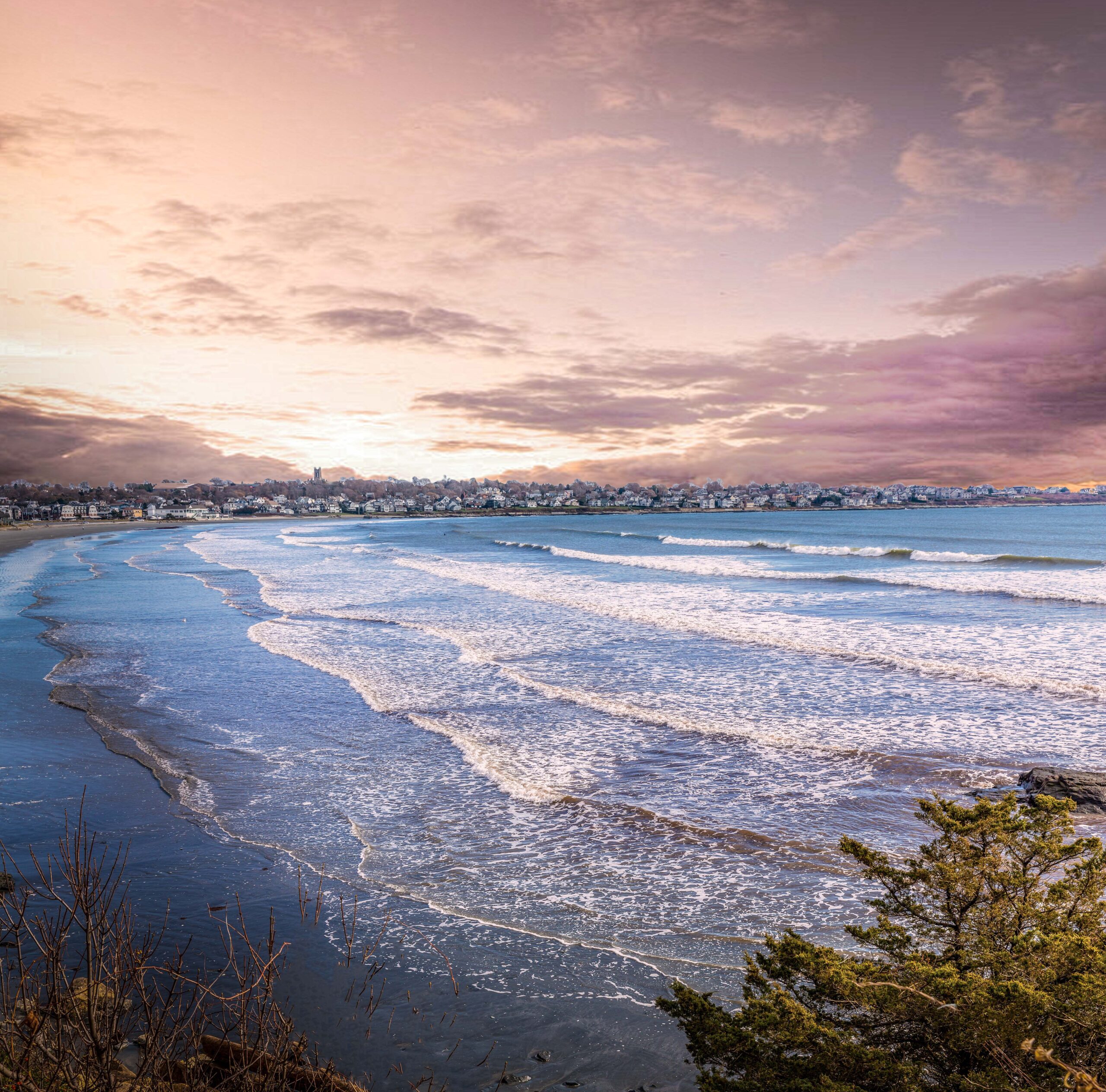
Newport’s Gilded Age mansions cover a lot of ground: architecture, decorative arts, and social history in one walk. Fashion students benefit from seeing period clothing up close, alongside the interiors and lifestyles that shaped it. A guided tour helps here. Much of that context isn’t obvious alone. Given the distance, plan an overnight stay. A rushed day trip won’t work.
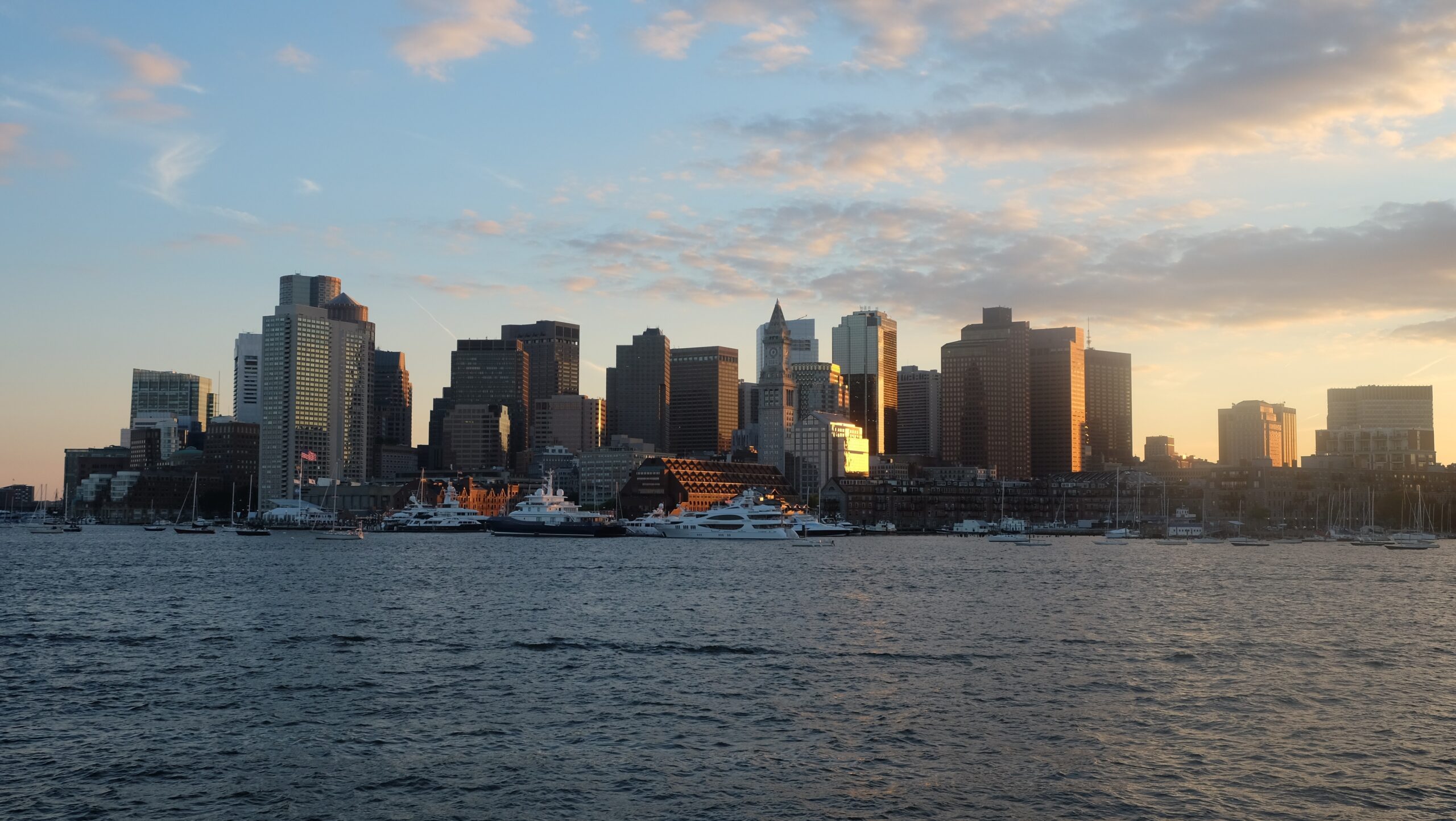
Boston can carry a full multi-day stop. Music groups find real performance institutions here. Theater groups can compare Boston’s scene to New York’s. History groups will run out of time first; there’s simply too much to cover. The long drive makes an overnight worthwhile.
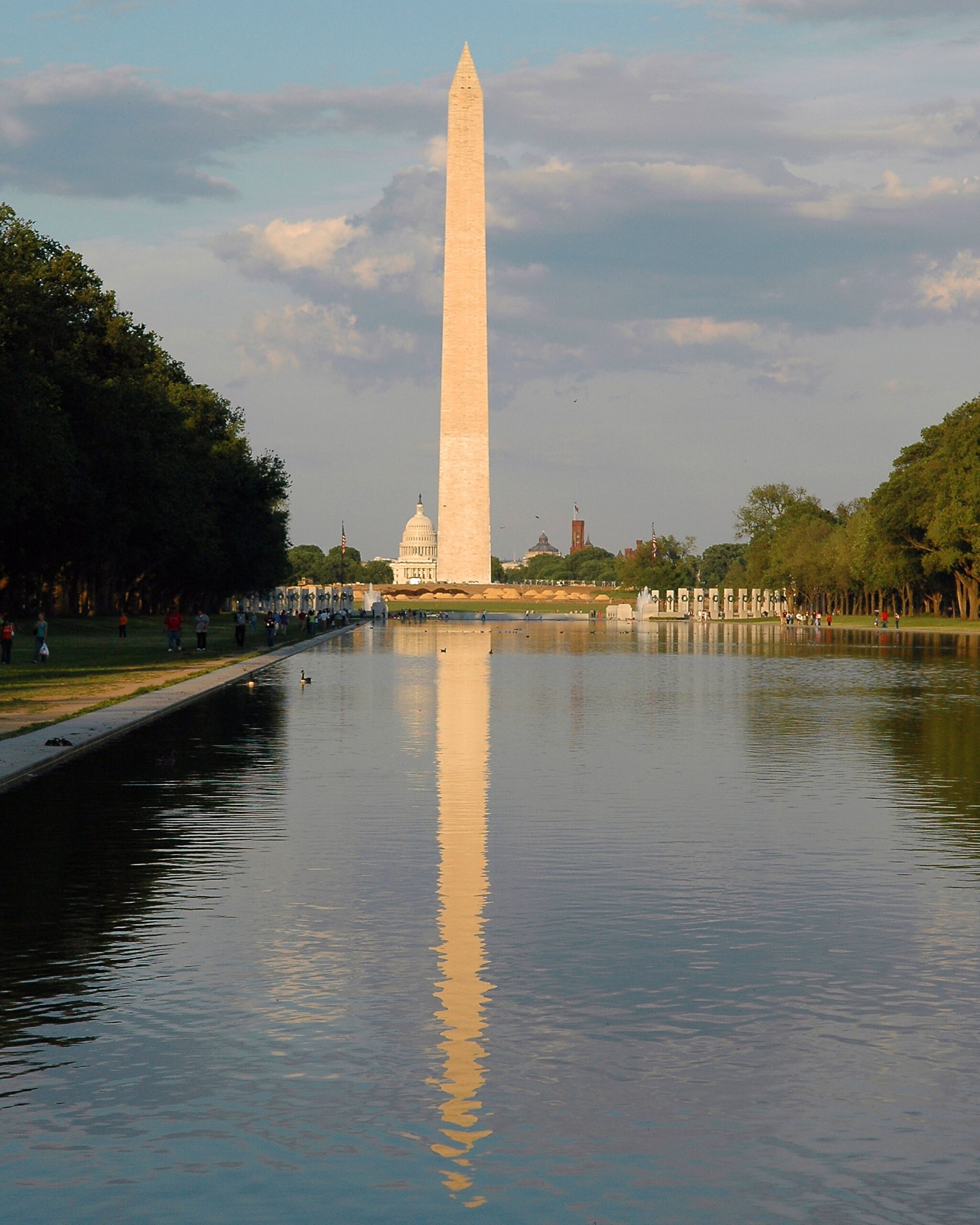
Washington, D.C.’s biggest advantage is price. The Smithsonian museums are free to enter, which makes budget conversations with administrators easier. Students cover art, history, government, and science in one trip. Plan ahead for timed passes, though. Several museums now require them. Build your schedule around confirmed reservations, not assumptions.
Cooperstown is a niche pick, but a strong one. It suits music and culture-focused groups. Summer is the best season to visit. The Glimmerglass Festival stages real opera and musical theater, well beyond what a small town suggests. The National Baseball Hall of Fame adds another angle. It is far enough out to warrant an overnight stay.
Is Adding Another Destination Actually Worth It?
A second destination should strengthen the learning. Not just stretch the itinerary. Ask a few real questions before committing:
- Does this destination support what students are studying?
- Can the group handle extra travel safely?
- Will the season work against your plans?
- Does this require an overnight stay?
- Is transportation eating into learning time?
- Is the added cost worth what students gain?
One well-chosen destination beats three rushed ones. Chaperone logistics get much simpler too.
How EE Tours Fits Into the Planning
EE Tours builds customized educational trips around New York City. We have done this for over a decade. Our itineraries focus on theater, dance, art, and fashion. Each one starts with the school’s actual goals, not a fixed template.
That same thinking decides whether an NYC add-on makes sense. An art group might value Philadelphia or the Hudson Valley. A performing-arts group might do better staying in the city. Either way, we build the New York portion around that focus. Broadway shows, workshops, backstage experiences, and gallery visits all get woven in through our NYC Educational & Fine Arts Tours for Student Groups.
One person handles your planning from start to finish. You won’t re-explain your group’s goals halfway through. If a weekend add-on sounds worth exploring, start here.
Make the Add-On Earn Its Place
The best weekend getaway isn’t automatically the farthest one. It’s the one that gives students something different. Choose a destination because it fits their learning. Then build the schedule around real experiences, not a checklist of attractions.