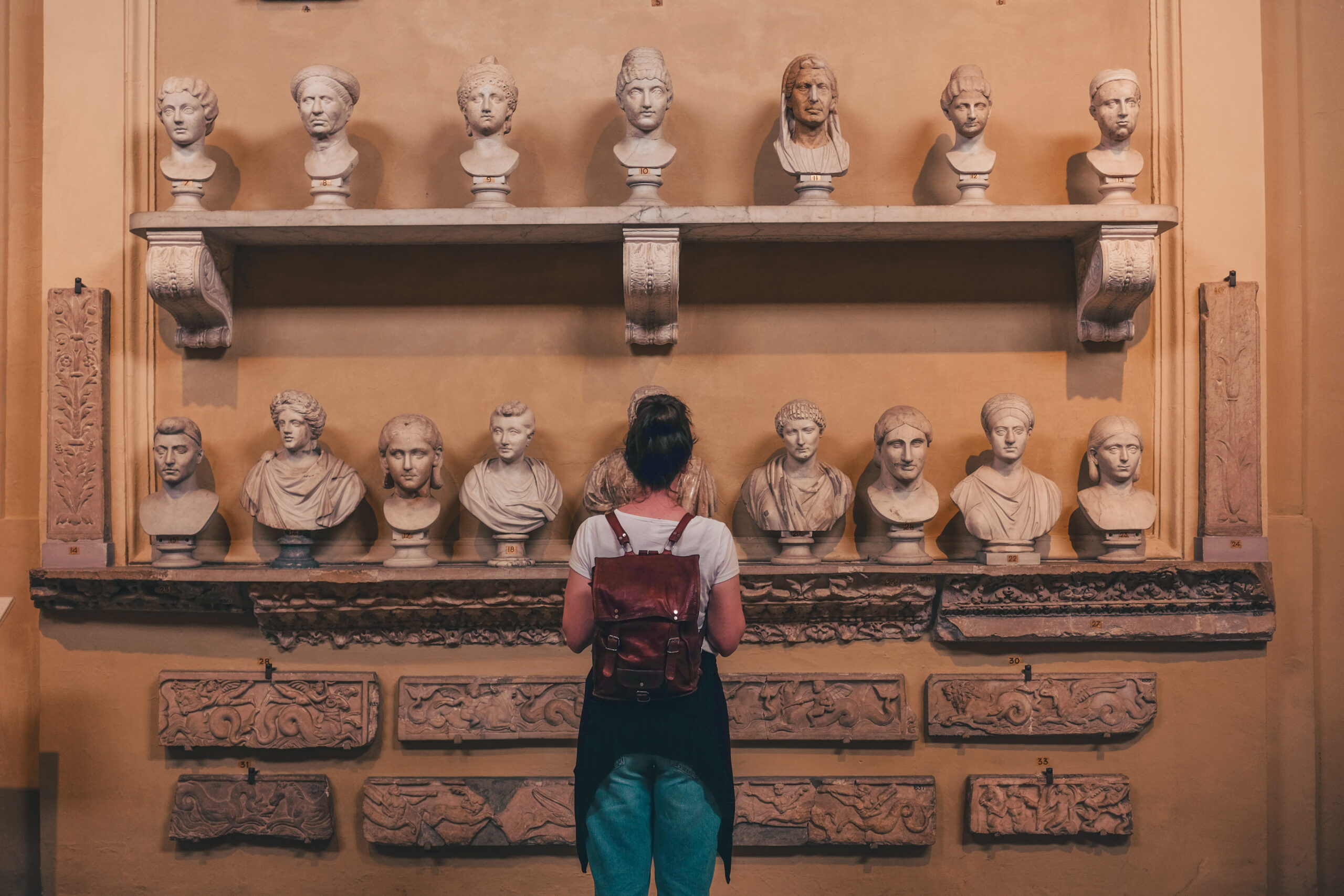
Chelsea galleries give students something a classroom cannot. It gives direct access to contemporary art without fancy slides or reproductions.
For art and fashion programs, the neighborhood adds a genuinely hands-on piece to an NYC trip. Students compare artists, spaces, and materials without hauling a group across the city between stops. That is half the battle when you are managing a group of teenagers on a schedule.
Chelsea isn’t one museum, though, and it is worth saying plainly. Galleries here run on their own hours and their own policies. Some are relaxed about groups walking in unannounced. Others want three weeks’ notice. A little planning upfront saves you an awkward moment at the door.
Why Chelsea Works for a School Art Trip
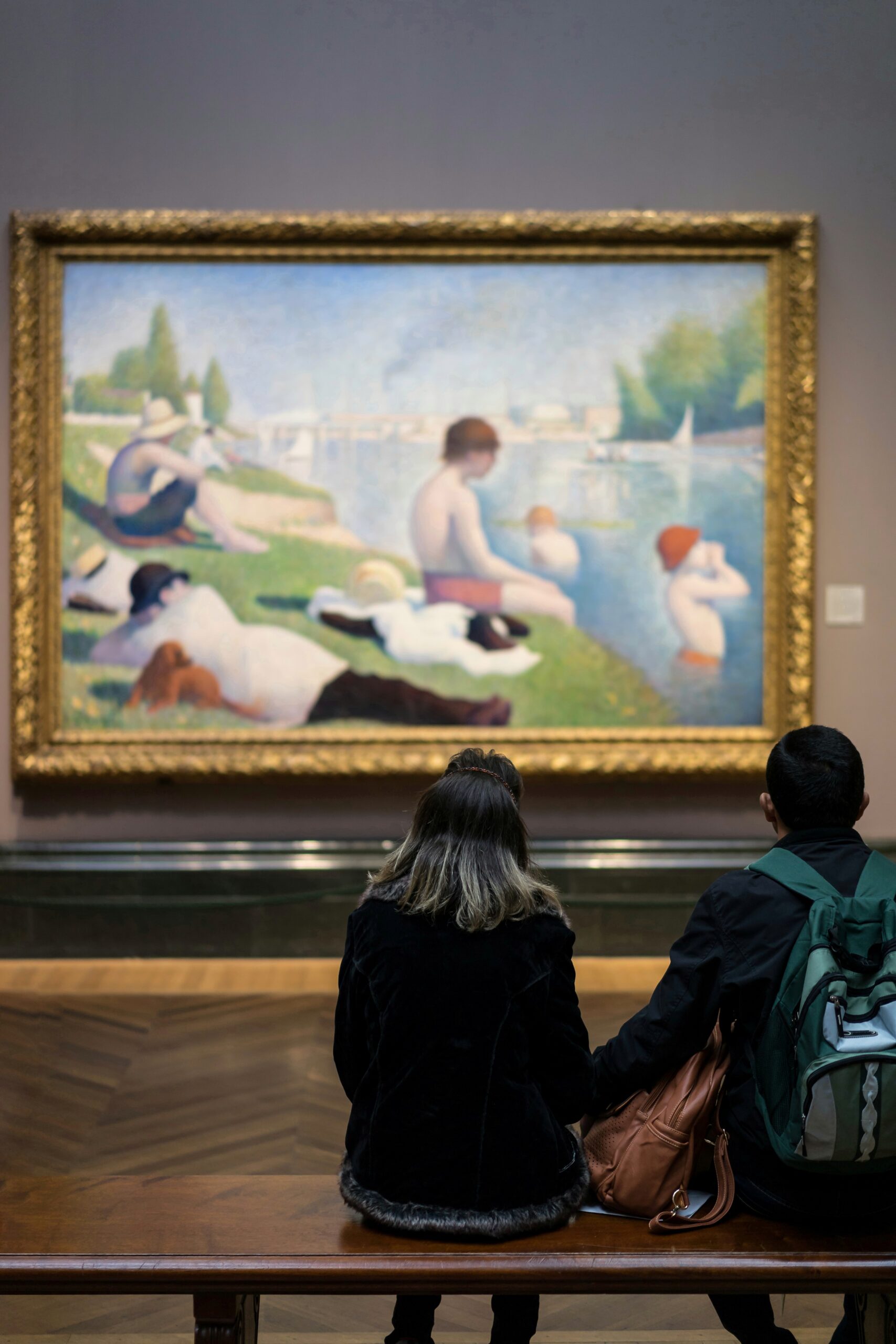
Chelsea became a major gallery district when galleries moved into old industrial buildings decades ago. They were chasing cheap rent and tall ceilings, mostly. That industrial look is still everywhere in the neighborhood today.
This history matters for students studying more than painting. A gallery walk can cover sculpture, photography, installation, and video, depending on what’s currently up.
And that is the catch. Exhibitions rotate constantly. Pick galleries based on what will actually be showing during your visit. Treat this list as a starting point, then double-check closer to your trip date.
1. David Zwirner
Where: 519, 525, and 533 West 19th Street; 537 West 20th Street
Best for: Contemporary art and large-scale exhibitions
David Zwirner runs several spaces across Chelsea. Its shows tend to feature established artists working at a scale that impresses students. The 19th Street locations run Tuesday through Saturday, 10am to 6pm.
Here is a question worth asking students directly. How is the gallery using scale and lighting to shape how you experience the work? And not what the piece is about, how the room makes you feel it.
2. Gagosian
Where: 555 West 24th Street
Best for: Contemporary art and large installations
Gagosian’s Chelsea location regularly hosts internationally recognized artists. It runs Tuesday through Saturday, 10am to 6pm. The shows change often, so check the current program before locking it into your itinerary.
Use this stop to talk about how commercial galleries differ from museums. Here, different presentations, different purposes, and different people decide what hangs on the wall.
3. Hauser & Wirth
Where: 542 West 22nd Street
Best for: Contemporary art, architecture, and exhibition design
This space covers 36,000 square feet, designed by Selldorf Architects. The building itself is half the lesson here. It is free to visit, and eligible groups can request a guided tour.
Good spot to get students talking about the relationship between a piece and the room built around it.
4. Pace Gallery
Where: 508, 510, and 540 West 25th Street
Best for: Contemporary art and large-scale exhibitions
Pace runs several spaces close together, all open Tuesday through Saturday, 10am to 6pm. That clustering makes a mini gallery walk easy without much backtracking.
Check what is actually up before you go. The experience shifts completely depending on the current show.
5. Printed Matter
Where: Bedrock Mini Storage, 231 11th Avenue
Best for: Artist books, publishing, and visual design
This one throws people off at first. Printed Matter isn’t a gallery in the usual sense. It is a nonprofit devoted to artist books and independent publishing.
That makes it useful for students interested in graphic design or fashion communication. It raises a good question too: how does an artist use a book as the actual artwork? Check current hours before adding it to your itinerary.
6. Dia Chelsea
Where: 537 West 22nd Street
Best for: Contemporary art, installation, and discussion
Free admission, long-term exhibitions, currently showing David Lamelas: The Machine through January 16, 2027. This is the one stop where you genuinely can’t wing it.
K-12 groups need reservations at least three weeks out. Guided groups cap at 20 students, with one chaperone per 10 kids. That structure works well for students who prefer guided discussion over open wandering.
7. C24 Gallery
Where: 560 West 24th Street
Best for: Contemporary art and emerging practices
C24 shows contemporary artists across media, shifting with the season. For students, it is a nice counterweight to the bigger commercial spaces.
Use it to talk about how artists actually build a career. Confirm hours before you go, this one shifts its schedule more than bigger galleries.
8. Yossi Milo
Where: 245 Tenth Avenue
Best for: Photography and contemporary art
Free to visit, open Tuesday through Saturday, 10am to 6pm. One of the better stops for a photography-focused group.
Use it to dig into how photographs get selected, printed, and framed. Decisions students rarely think about when scrolling past images on a phone.
How to Build a Chelsea Gallery Walk
You don’t need all eight in one afternoon. Trying to hit all eight usually means nobody actually looks at anything.
Three or four well-chosen stops beat racing through eight. A route that works reasonably well:
- Start around West 19th Street with David Zwirner
- Move south to West 22nd Street for Hauser & Wirth and Dia Chelsea
- Continue to West 24th and 25th Streets for Gagosian, C24, and Pace
- Finish at Yossi Milo if photography’s part of the curriculum
Adjust based on current shows, your schedule, and what your students are actually into.
What Teachers Should Check Before Visiting
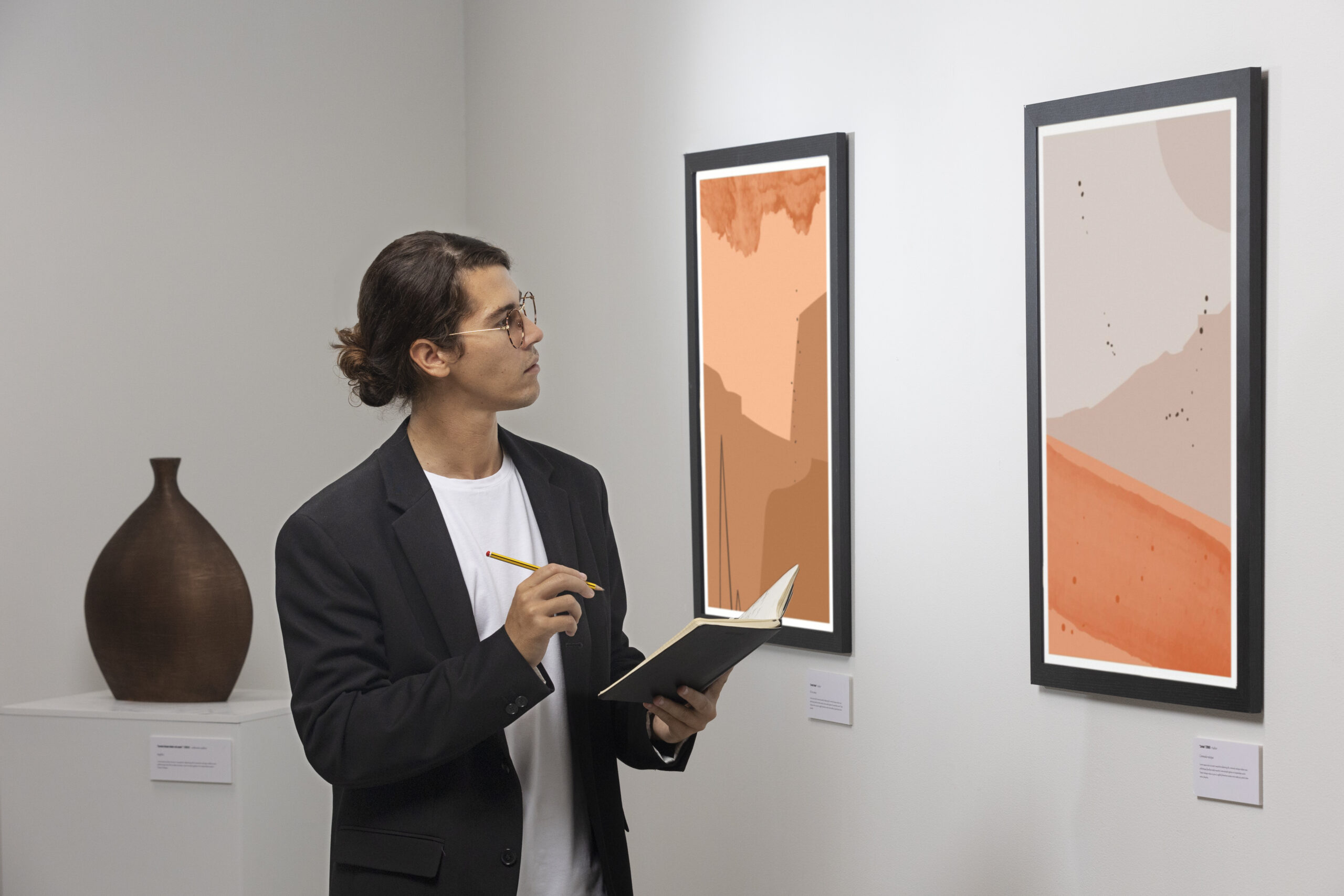
Chelsea galleries aren’t museums. Don’t assume the same rules apply everywhere.
Before locking in an itinerary:
- Check current exhibitions, they rotate often
- Confirm group policies, some galleries need advance notice
- Check hours, most run Tuesday through Saturday, but not all
- Ask specifically about school groups, individual rules don’t always apply
- Keep the stop count low, students need real time to look
- Build in breaks, a gallery walk tires people out faster than expected
- Bring one discussion question per stop
Turn Chelsea Into More Than a Gallery Walk
What students do with what they see matters more than how many stops you cram in. An art class might compare installation strategies across three spaces. Fashion students could study how artists use material and color.
This is basically how EE Tours approaches these trips too. With more than 30 years building customized New York fine arts tours, itineraries get built around a specific focus, not a cookie-cutter route.
For an art-focused trip, Chelsea can be one piece of something bigger. Pair it with museum visits, industry conversations, or workshops, whatever fits the group.
Chelsea doesn’t need to be another box checked off a list. Pick galleries that fit your curriculum. Give students real time to look, and let the exhibitions drive the conversation. That is when it stops being a field trip and starts being a lesson.
Frequently Asked Questions
Are Chelsea galleries free?
Most offer free admission, though policies vary by gallery. Confirm current visitor info before your trip.
How many galleries should students visit?
Three or four focused stops, generally. Trying to see all eight usually means rushing past everything.
Do school groups need reservations?
Some do. Dia Chelsea requires advance booking, three weeks minimum for K-12 groups. Check ahead for others.
Is Chelsea good for high school art students?
Yes. It exposes students to commercial gallery culture, exhibition design, and the business side of art.