A good Washington DC tour plan is more than a list of monuments. Timing, reservations, transportation, what your students actually want to get out of it, it all matters.
This three-day plan covers the National Mall, a few major museums, and some stops away from downtown. There is room to move things around depending on your class.
Why Three Days Works
Three days gives students room to breathe. Day one is Capitol Hill and the Mall. Day two, museums and memorials. Day three, you head out toward Georgetown, Mount Vernon, or Arlington.
Heading there in 2026? Worth checking the calendar for the city’s 250th-anniversary events. Washington’s special exhibitions run all year, and dates change often.
Day 1: Capitol Hill and the National Mall
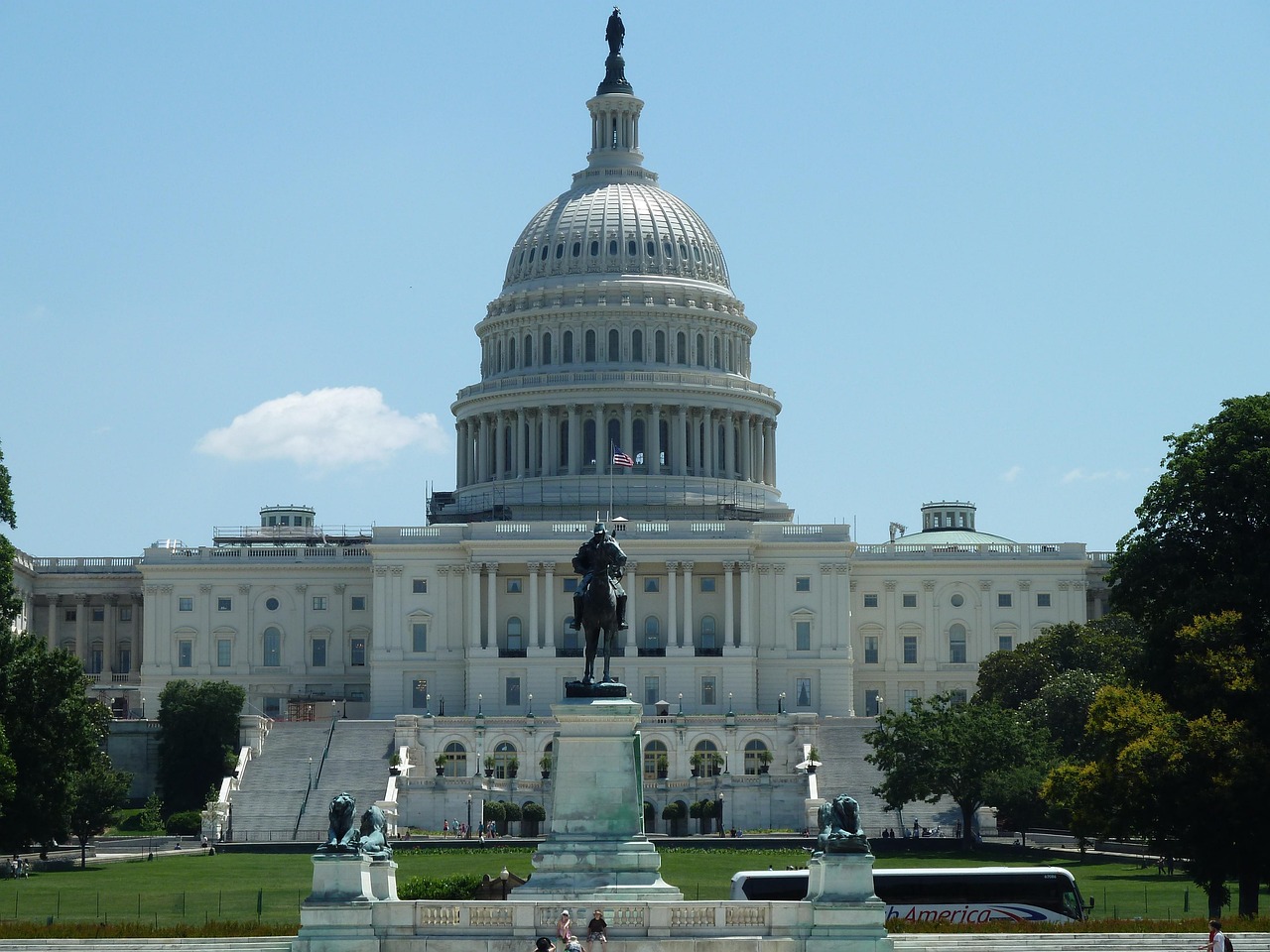
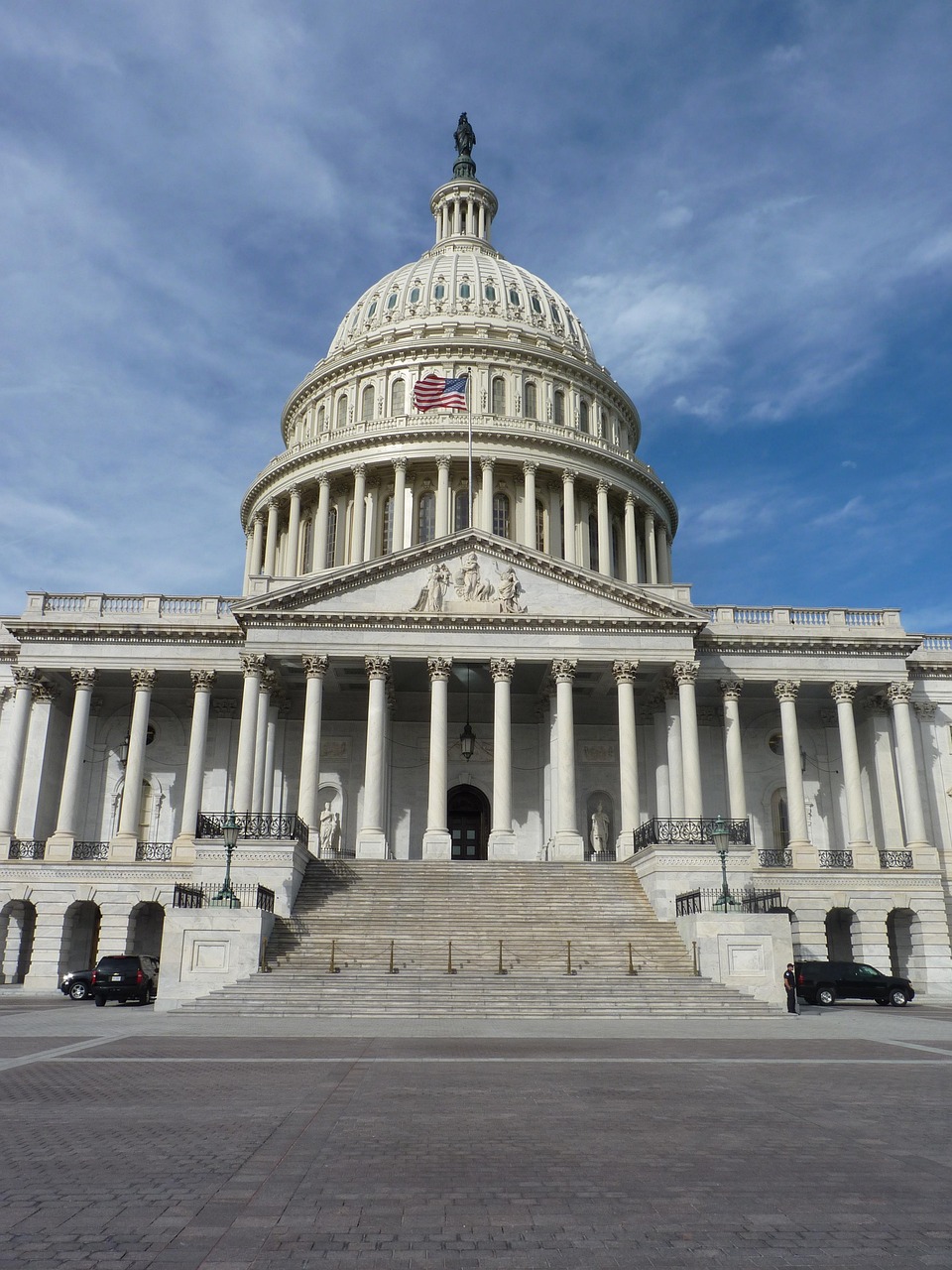
Start with the Capitol. For government or history classes, it is the natural first stop.
Tours are free, reservations recommended. You will typically walk through the Crypt, the Rotunda, and National Statuary Hall. Worth checking the Visitor Center’s educational programs ahead of time too.
From there, the Library of Congress. Even kids who couldn’t care less about libraries tend to stop and stare at the ceiling in the Jefferson Building. One catch: groups of 21 or more need timed-entry passes booked in advance, and guided tours aren’t running right now. Plan on exploring that one yourselves.
After lunch, the National Archives. This is where the Declaration, the Constitution, and the Bill of Rights actually live. Reserve free tickets ahead of time if you can, since timed entry saves a lot of standing around.
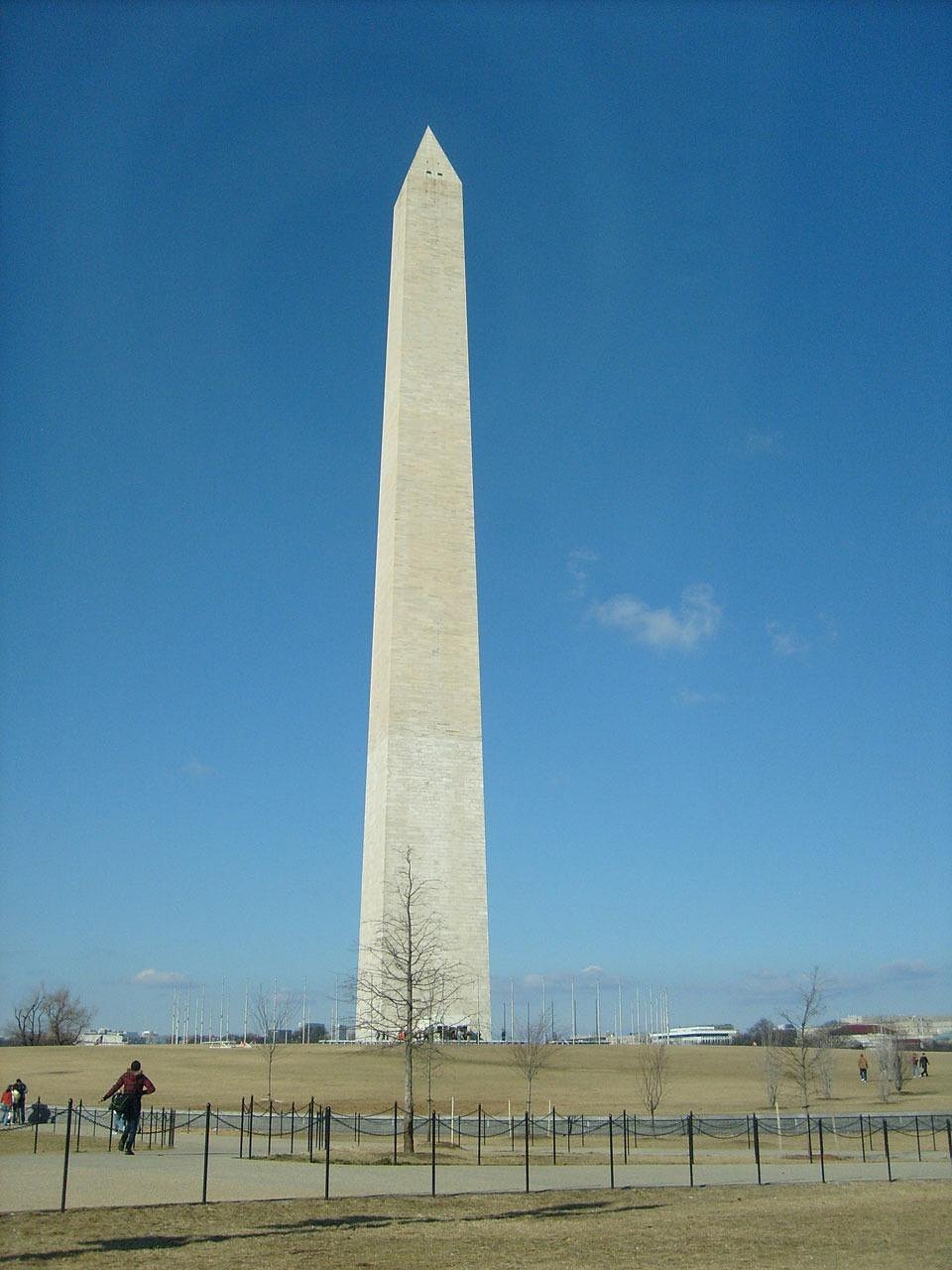
End the day near the Washington Monument. Admission’s free, but book online and there’s a $1 charge per ticket. Groups can reserve up to 55 tickets that way. No walk-ups for groups, so this needs to be locked in early.
Before you finalize day one:
- Confirm every reservation
- Leave room for security lines at federal buildings
- Build in walking breaks, especially for younger kids
- Bring water and snacks
Day 2: Museums and Memorials
Don’t try to do five Smithsonians in one day. It never works. Pick one, maybe two, that actually connect to what your students are learning.
History and government groups usually land at the American History museum or the African American History and Culture museum. Art students get more out of the National Gallery. And if your group’s into music or theater, don’t assume a history museum is your only option. DC has more range than people expect.
Once you are done, walk to the west end of the Mall. Lincoln, Vietnam Veterans, MLK Jr., they are all close enough to hit in one afternoon. The walking adds up fast with a big group, though, so a motor coach is worth it, especially if it’s hot out.
Day 3: Beyond the Mall
On the last day, you can consider a change of pace. Georgetown has got cobblestone streets, river views, and actual restaurants instead of another museum cafeteria. Good option after two straight days of monuments.
History groups might prefer Mount Vernon instead. It is outside the city, so add in extra travel time, and it works best if it ties back to something they are covering in class.
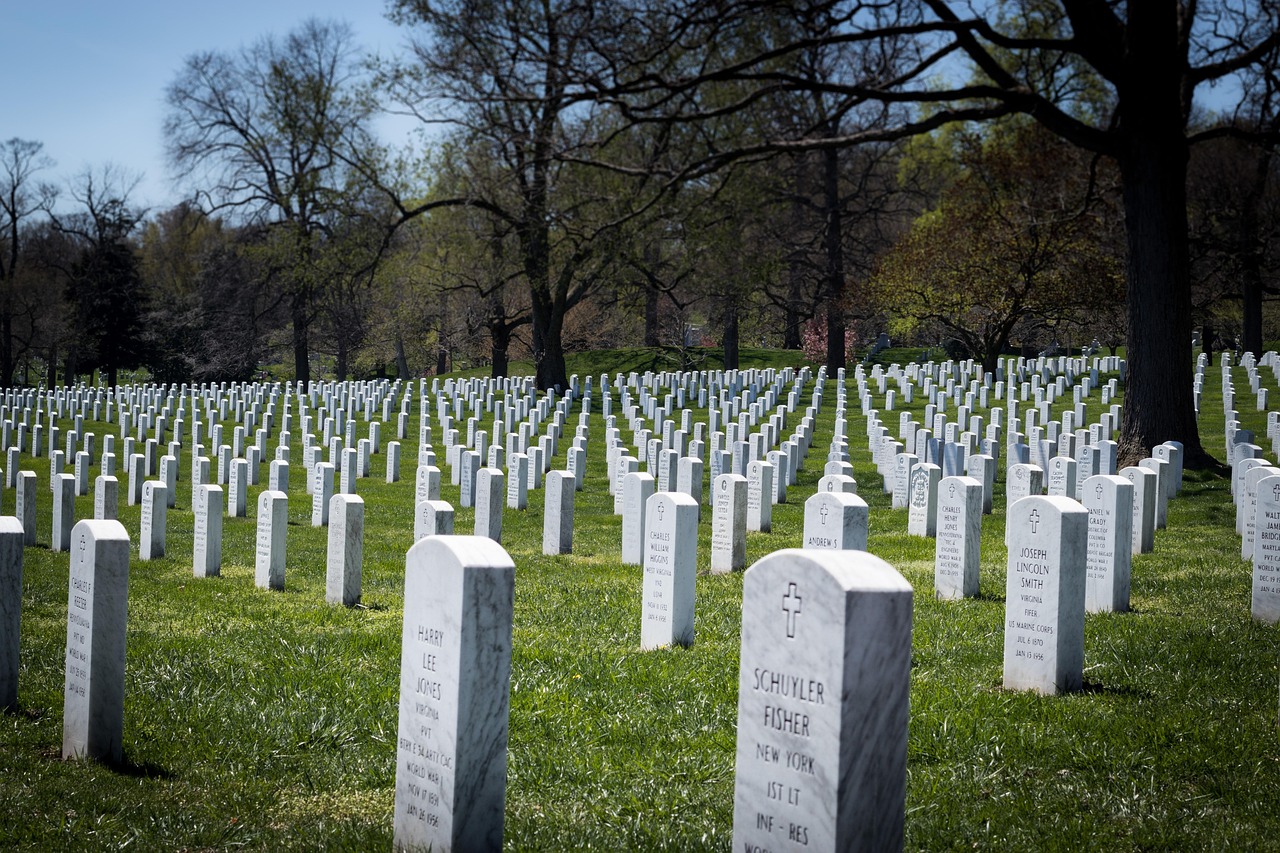
You could also visit Arlington National Cemetery for a quieter, more reflective experience. Students can watch the Changing of the Guard at the Tomb of the Unknown Soldier, held every 30 minutes from April through September and hourly from October through March. Don’t rush this stop. Give students time to understand and reflect on the experience.
Build It Around Your Group
Not every school trip needs to follow the same itinerary. A history class might spend more time at the National Archives, while government students could focus on the Capitol and Library of Congress. Art students might prioritize the National Gallery of Art, while theater, music, fashion, and culinary groups can build their schedules around their specific interests.
That is basically how EE Tours works. Thirty-plus years running specialty arts trips out of New York, and every itinerary starts with what the group actually wants, not a template we reuse for everybody. If DC Is one stop on a bigger trip, that same thinking helps figure out how much time it deserves.
Quick Planning Checklist
Planning point | Why it matters |
Group reservations | Several stops need advance booking |
Security | Federal buildings mean extra screening time |
Transportation | Mall’s walkable, but distances add up |
Museum picks | Two focused visits beat five rushed ones |
Meals | Big groups need more time than you’d think |
Weather | Heat, rain, cold all affect outdoor plans |
Chaperones | Regular check-ins keep everyone together |
Curriculum | Pick stops that actually tie back to class |
A Few Questions Worth Answering
- Is three days really enough?
Yes, if you pick a handful of things that matter instead of trying to see it all. - Is DC walkable?
The Mall, mostly. Everything else is farther apart than the map makes it look. - Should we book ahead?
For most major sites, yes. Check each one’s current policy before you go. - Good fit for specialty programs?
Definitely. History and government are the obvious ones, but art, music, and theater groups find plenty here too.
Planning It Yourself vs. Getting Help
You can absolutely plan this yourself. It gets a lot harder once you are juggling chaperones, hotels, buses, and a dozen reservations at once.
That is where a tour partner earns its keep. Less about doing it for you, more about starting with what your students actually need instead of handing you the same itinerary as everyone else.
Three days can cover a lot in Washington. The hard part is deciding what is actually worth your students’ time before you even get off the bus.