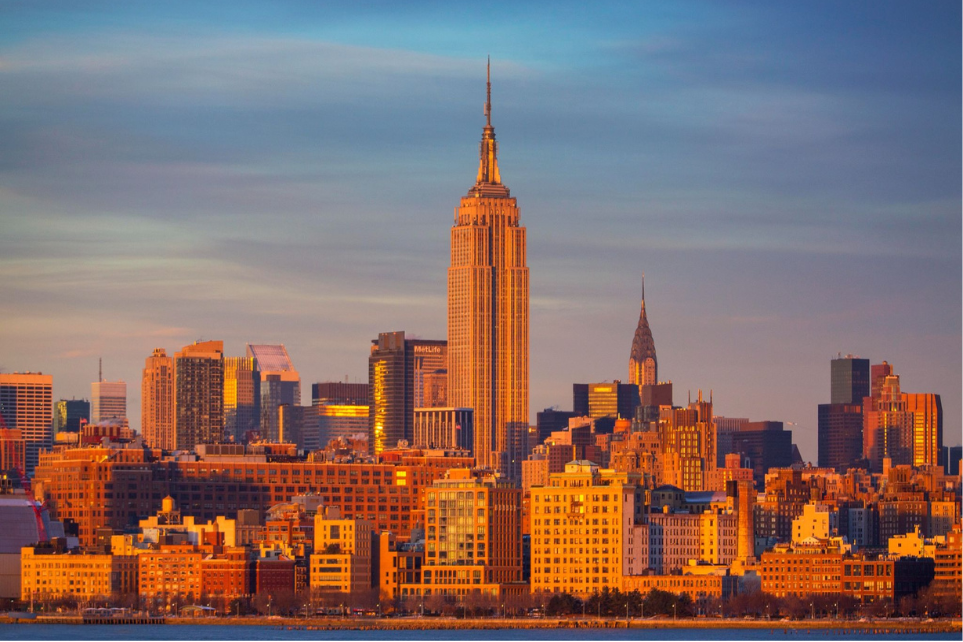
Midtown is the busiest slice of Manhattan, and that is part of the appeal. Once you know where to look, it is also the most rewarding stretch in the city. Forget wandering around hoping to stumble on something good. Build your day around these seven stops instead.
Some define Midtown slightly differently, but “roughly” protects you, sitting between the Empire State Building and the southern edge of Central Park. Everything below is within easy walking distance of that stretch.
At EE Tours, we have led group trips through this neighborhood for over three decades: theater programs, art programs, music and culinary trips, all kinds of things.
1. The Empire State Building
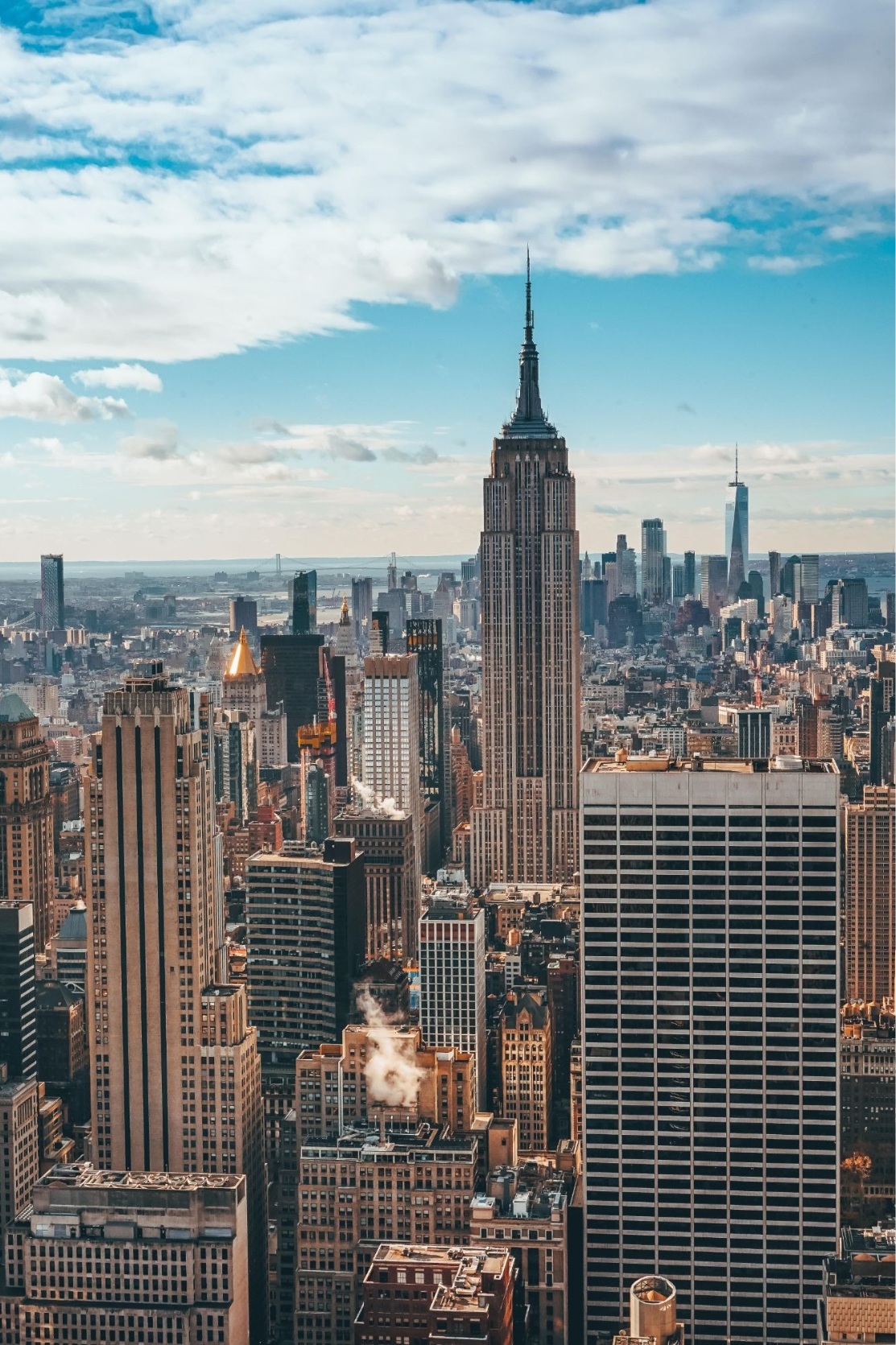
Few landmarks define New York quite like the Empire State Building. It has been the city’s top landmark since 1931, and standing on the 86th floor still feels different than any photo can show you. First-time visitors love it. So do architecture-focused groups.
2. Top of the Rock at Rockefeller Center
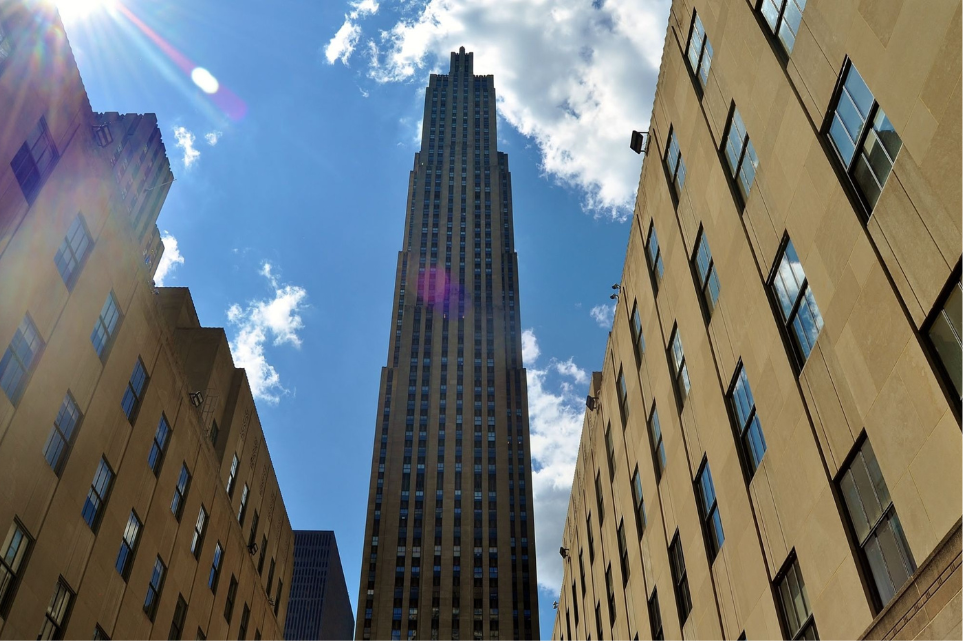
Worth doing both observation decks? If your schedule allows it, yes. Top of the Rock has one advantage the Empire State’s own deck can’t match: its view actually includes the Empire State Building. Summit One Vanderbilt has become another popular option in recent years.
3. The Broadway Theater District
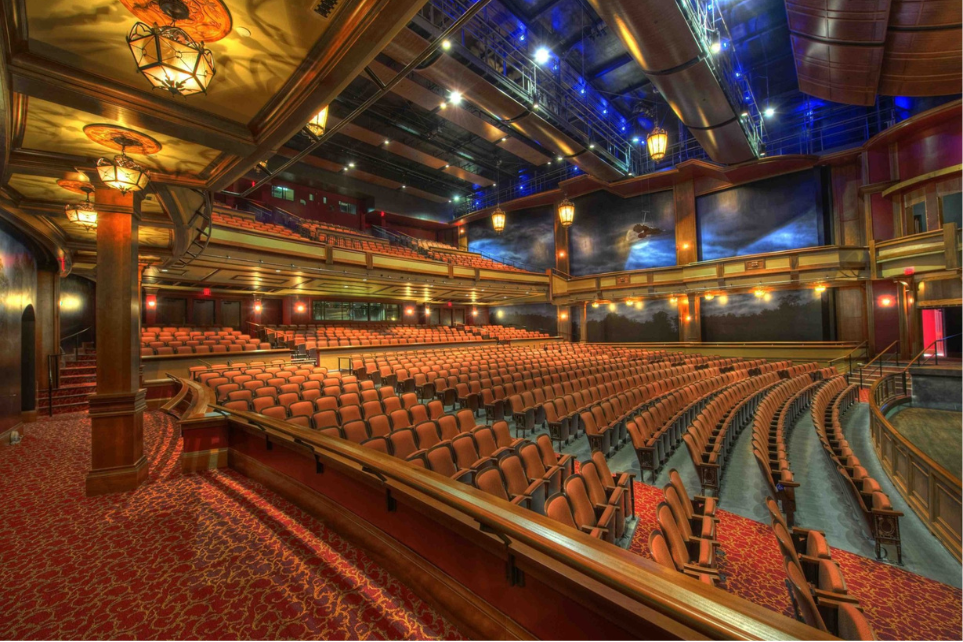
Few places capture Midtown’s energy better than the Broadway Theater District. Over 40 theaters sit within a few blocks, running everything from decades-old classics to brand new shows. If your group is theater-focused, this stop isn’t optional.
A couple things worth knowing before you book:
- Same-day discounted tickets are available at the TKTS booth
- Weeknight shows tend to have better availability than weekends
Watching a group of students see live theater for the first time — actually see it, not just sit through it — it is one of those moments teachers often remember long after the trip.
4. Bryant Park
Not everything needs to be loud, though. Bryant Park sits quietly behind the public library with free lawn seating and an easy, walkable layout. If your group needs a breather between big landmarks, send them here.
5. The New York Public Library

Right next door, the library deserves an actual visit, not just a photo from outside. Marble staircases and the famous Rose Reading Room make it one of the most photographed interiors in the city. Most first-timers skip it entirely. That’s exactly why it’s worth including.
6. MoMA, the Museum of Modern Art
If your group leans toward art or design, MoMA belongs on the list without much debate. You can shape guided tours around specific movements or eras, and the galleries stay organized enough that groups rarely get lost in them.
7. Times Square at Night
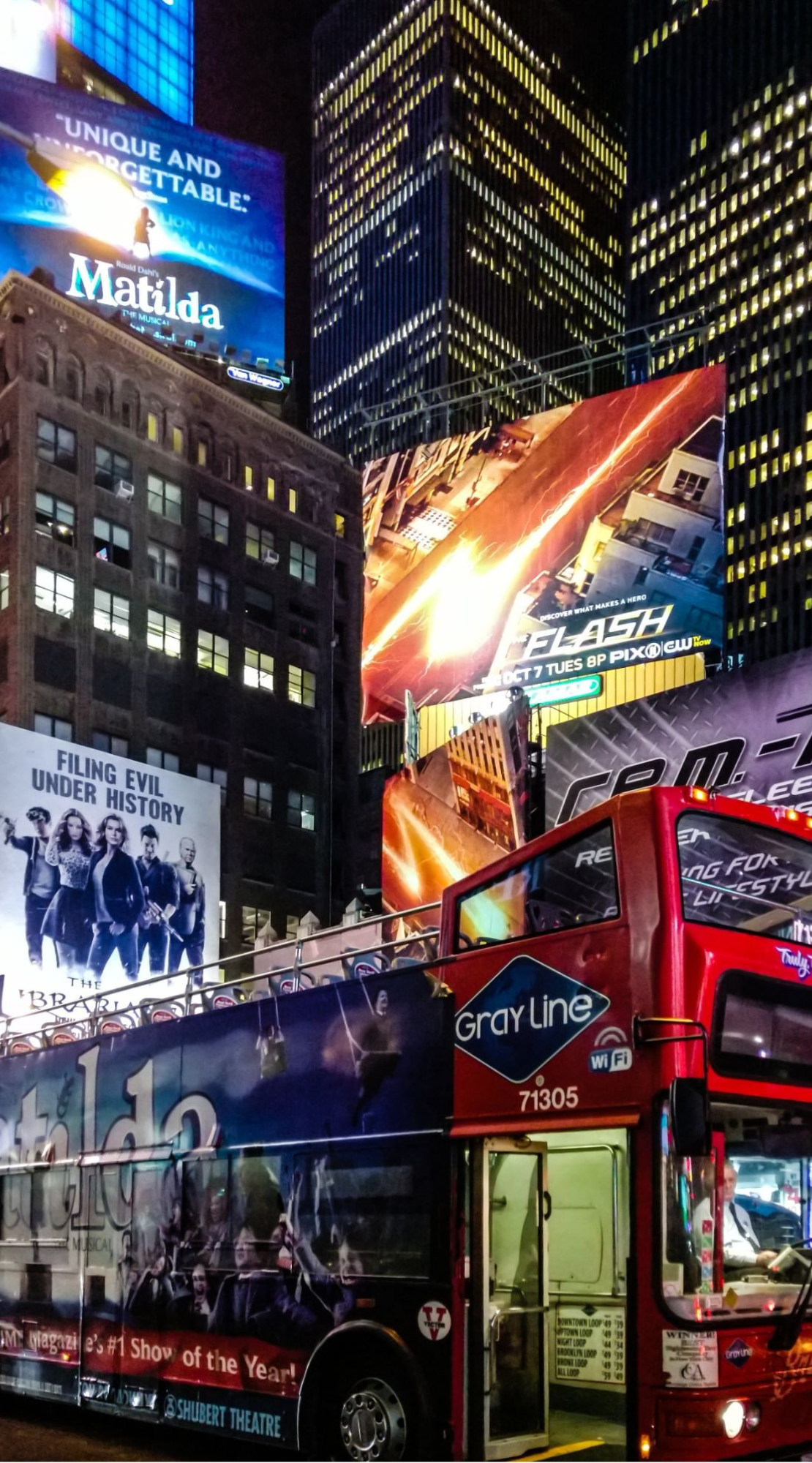
Save this one for the evening if you can. Times Square during the day is already busy enough. At night, it turns into something else — all light and motion. Is it a tourist trap? A little, sure. It’s also something worth experiencing once, especially for students who’ve only ever seen it in movies.
Beyond the Main Seven
Got a longer trip and want to stretch it further? A few more spots round things out nicely. Grand Central Terminal rewards anyone who actually looks up at its painted ceiling. Fifth Avenue makes for a good stroll past Tiffany’s, St. Patrick’s Cathedral, and Saks. And Summit One Vanderbilt, near Grand Central, is an immersive art and skyline experience most first-timers haven’t even heard of yet.
None of these need a full afternoon. Fold one in wherever your schedule has room. Groups traveling with EE Tours often add one of these three once the core seven are locked in.
Feeding a Group in Midtown
This part trips people up more than it should. Fast-casual spots near Bryant Park work well for a quick lunch between stops. Near the Theater District, most restaurants are already set up to seat groups on a schedule — they’re feeding pre-show crowds every night anyway. One proper sit-down meal, rather than grabbing food on the go all day, tends to keep everyone’s energy steadier by the afternoon.
Putting the Day Together
You probably don’t need all seven crammed into one day. Group them by energy and location instead. The Empire State Building and Times Square make a solid big-landmark pairing. Bryant Park, the library, and MoMA work better as a slower, culture-focused stretch.
This kind of planning is exactly what EE Tours handles for groups every season — building the itinerary around what students actually care about, not handing over a generic checklist. We have spent over a decade doing this for teachers and administrators who want more than a cookie-cutter tour, and Midtown is where it shows the most.
Midtown doesn’t ask you to choose between art, theatre, architecture, or history. It puts them all within a few city blocks. The only real question is which experience your group wants to start with.
FAQs
1. What Else Is Worth Seeing in Midtown?
Finished the main seven? Don’t head back just yet.
Grand Central Terminal deserves more than a quick walk through. Look up before you leave. The painted ceiling catches almost everyone by surprise. Fifth Avenue is an easy walk from there. You will pass St. Patrick’s Cathedral, Tiffany & Co., and Saks Fifth Avenue. Even window shopping feels like part of the experience.
Want something more modern? Try SUMMIT One Vanderbilt. The mirrored rooms are memorable. So are the skyline views. Most visitors don’t spend hours at these places. They fit naturally between bigger attractions. EE Tours often builds them into the day that way.
2. Where Should a Group Eat in Midtown?
Bryant Park has plenty of casual cafés. They work well for a quick lunch. The Theater District offers another good option. Many restaurants expect pre-show crowds. Large groups aren’t unusual there.
One proper meal usually works best. People get a chance to sit down. They recharge before the afternoon starts.
3. How Should You Plan a Day in Midtown?
Start at the Empire State Building. Mornings are usually quieter. Walk to Bryant Park next. The New York Public Library is right beside it. After lunch, visit MoMA or Rockefeller Center. Save Times Square for the evening. That’s when it feels most alive.
A slower pace almost always works better. People notice more. They remember more. That’s usually how EE Tours plans Midtown visits. Every group gets a different route. The itinerary follows their interests, not a template.