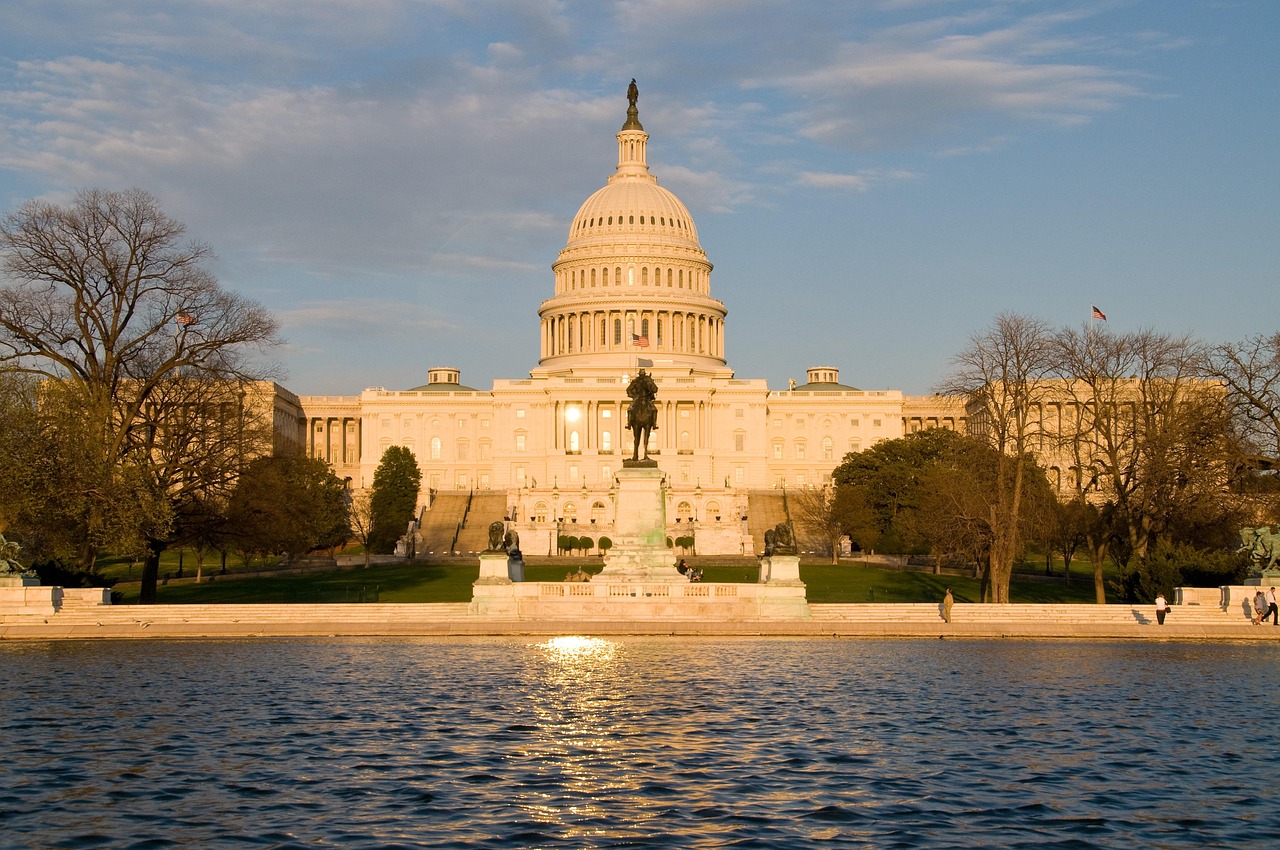
The best time to visit Washington DC is spring or fall. Mild weather makes the National Mall easy to walk. But the right season really depends on you. What do you want to get from this trip? Let us look at each season and see what fits your trip best.
At EE Tours, we have led group trips through DC for over three decades. Most groups are teachers with students studying art, theater, music, or history. Along the way, we have learned which months work well, and which ones catch people off guard.
Washington DC Weather by Season
Season | Avg. High | Crowd Level | Best For |
Spring (Mar–May) | 55–70°F | High | Cherry blossoms, walking tours |
Summer (Jun–Aug) | 85–90°F | Very High | Free concerts, long days |
Fall (Sep–Nov) | 55–75°F | Moderate | Foliage, festivals, comfort |
Winter (Dec–Feb) | 35–47°F | Low | Savings, quiet monuments |
1. Spring in DC: The City Wakes Up
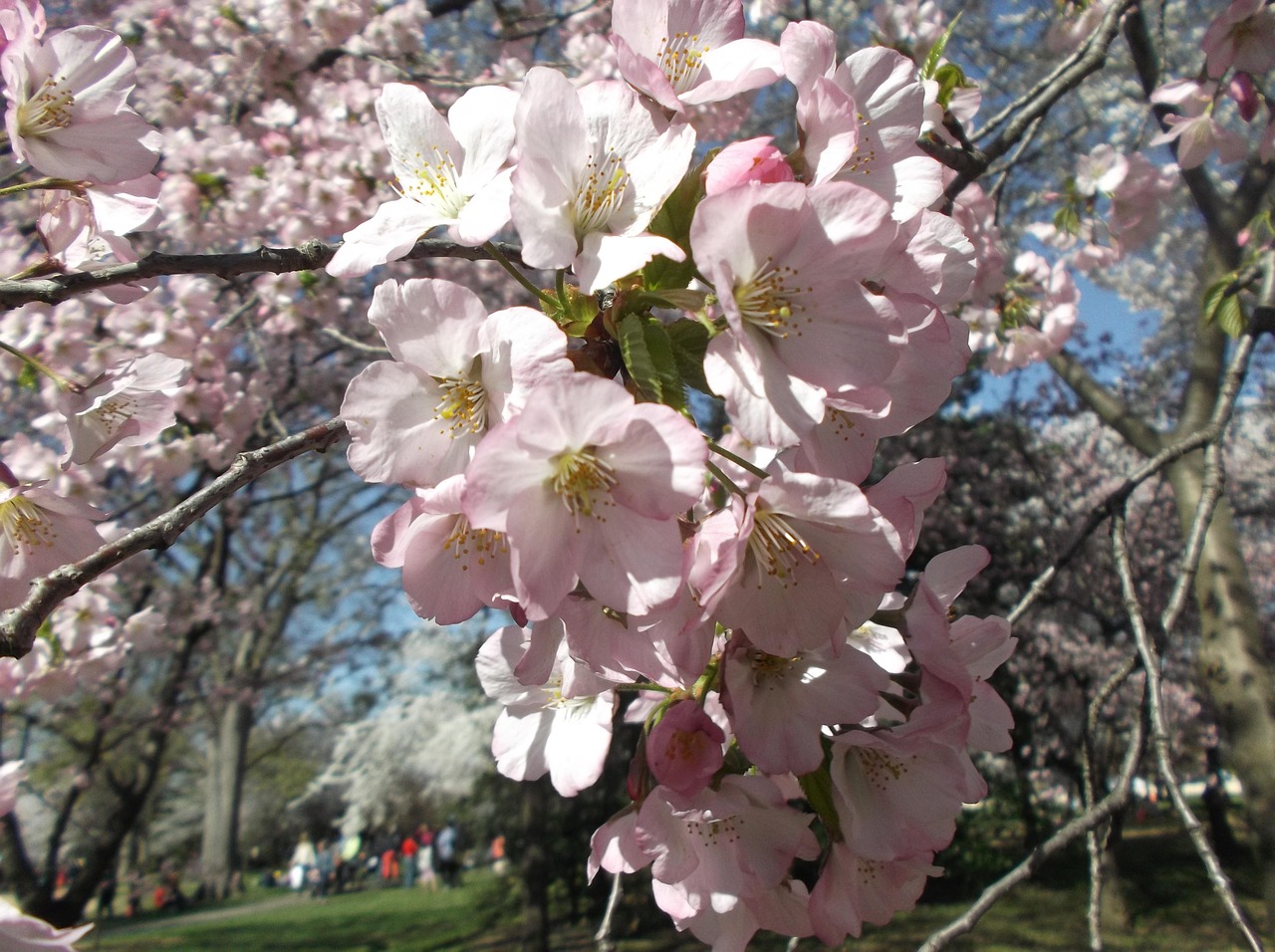
Spring is the season EE Tours books most often for school groups. The Tidal Basin fills up with pink blossoms. Winter’s chill finally starts to fade away. This is peak season, and for good reason. School groups often choose spring because it fits neatly into the academic calendar.
A few things to expect this season:
- Hotel prices climb through late March and April
- The Cherry Blossom Festival draws over a million visitors
- Rain showers pop up often, so pack a jacket
Peak bloom usually lands in late March or early April. That timing shifts a little every single year. Check the National Park Service’s Bloom Watch before booking your dates. Want great photos without fighting the crowd? Skip the packed Tidal Basin path this time. Try the U.S. National Arboretum or Dumbarton Oaks instead.
2. Summer in DC: Big Energy, Big Heat
Summer in DC runs loud, humid, and full of life. Free concerts pop up across the National Mall. Most attractions extend their hours all summer long. But let’s be honest about the heat here. DC summers get sticky and uncomfortable fast. Highs regularly climb well past 90 degrees.
Handle a summer trip like a local:
- Start sightseeing before 10 a.m. each day
- Save indoor museums for the hottest afternoon hours
- Carry water with you everywhere you go
3. Fall in DC: The Underrated Favorite
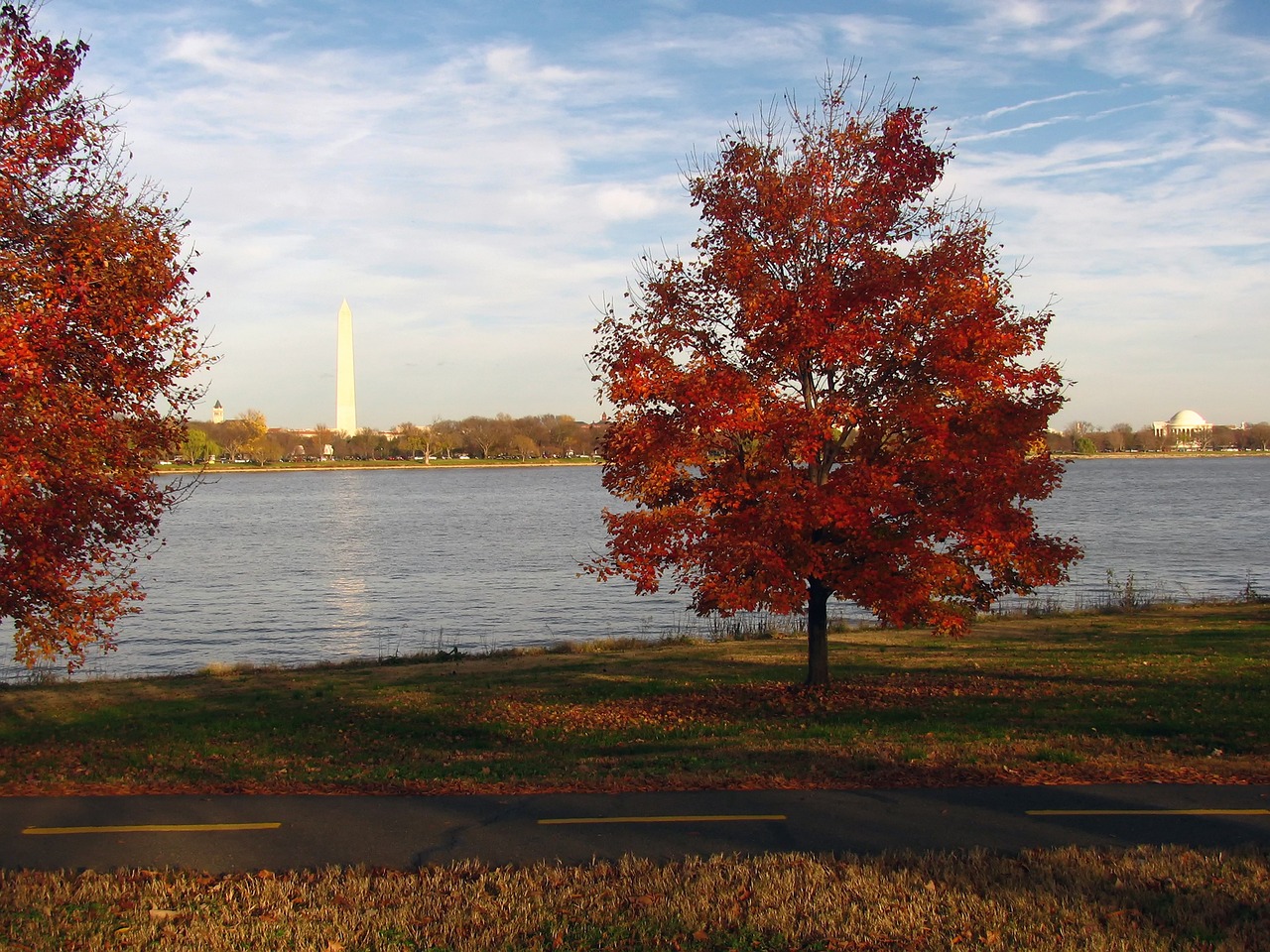
Many locals consider fall the city’s best season. Fall might be the best time to visit Washington DC. The heat finally breaks, and crowds thin out fast. Trees along the Potomac turn deep gold. October brings some of the best weather all year, with highs sitting in the 60s.
Fall also brings a packed events calendar. Neighborhood street fairs pop up across the city. The National Book Festival draws readers downtown too. For school groups studying literature or civics, fall often beats the spring rush. That is one reason EE Tours encourages more groups to consider fall travel. The slower pace simply suits specialty classes better.
4. Winter in DC: Quiet Streets and Real Savings
Winter gets overlooked, and that’s a shame. The days turn cold and short. But the National Mall feels almost empty then. Monuments glow softly against the dark winter sky. That quiet feeling just doesn’t happen in July.
Winter also brings noticeably better prices:
- Flights and hotels are often noticeably cheaper than spring.
- Museums are usually much quieter than during spring.
- Holiday displays add a festive touch downtown
One tip worth remembering, though, before you book. Skip Thanksgiving and Christmas week if you can. Crowds still show up even in cold weather.
Best Time to Visit DC with Kids
Families often skip winter, and that might be a mistake. Winter can be one of the best times to visit DC with kids. Shorter lines mean less waiting for tired little legs. Museums also stay warm and comfortable all day. If you would rather have milder weather, try early May or October. Both months offer comfortable temperatures without the peak-season crowds.
Cheapest Time to Visit Washington DC
If budget matters most, aim for January, February, or August. Hotel rates dip noticeably during these quieter months. Flights tend to get cheaper too during this stretch. August especially empties out once Congress heads into recess. You trade some heat, or some cold, for real savings.
Best Time to Avoid the Crowds
Mid-January through early March usually stays fairly quiet. That’s true most years, minus an inauguration year. Early November also works well, right before Thanksgiving hits. Here is another simple trick worth trying too. Visiting the monuments in the evening often means smaller crowds. Crowds thin out fast once the sun sets.
Which Season Fits Your Trip?
There is no single best time to visit Washington DC. It really just depends on what you value most. Spring is all about blossoms. Summer stretches the evenings. Fall slows everything down. Winter rewards people who don’t mind a coat.
Whatever season fits your calendar, plan ahead early. That is the real difference between a good trip and a forgettable one. EE Tours has spent over a decade building custom itineraries. We work with teachers, administrators, and specialty groups who want more than a cookie-cutter tour.
So, what season actually speaks to you most? The blossoms of April, or the long evenings of July? Maybe gold leaves in October, or quiet January nights?
FAQs
1. What is the cheapest month to visit DC?
January and February usually bring the lowest hotel rates. August tends to come in a close third.
2. Is DC too crowded in spring?
Peak cherry blossom week gets packed, no question there. But late April and early May stay much calmer. You still get nearly the same great weather.
3. Is winter worth visiting DC?
Yes, especially if you’re a family or budget traveler. Expect cold days, but also thin, manageable crowds. Prices drop noticeably across hotels and flights too.