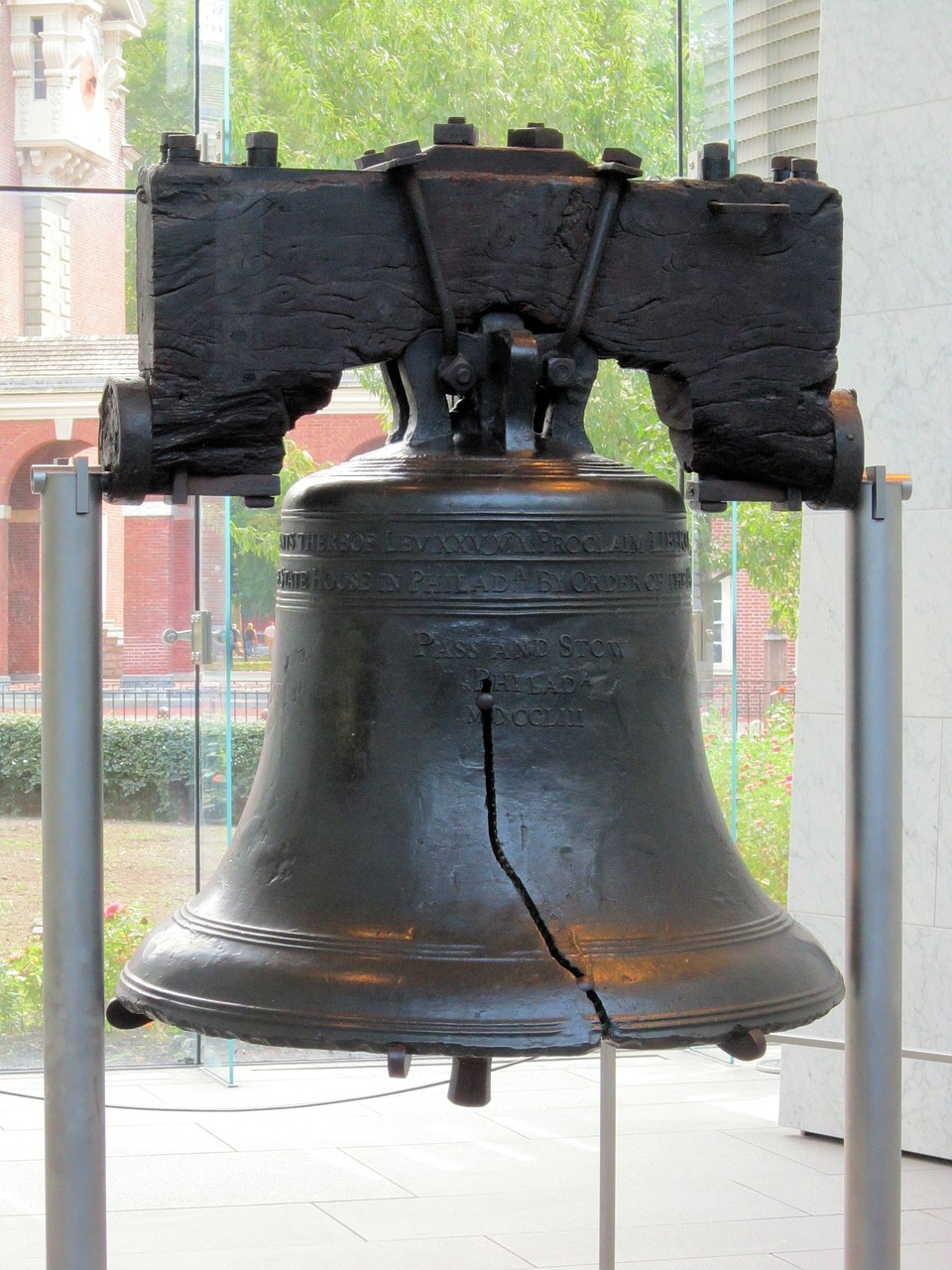
It is easy to lose count of how many times one may have walked past the Liberty Bell and still stopped to look at it. That’s kind of the whole pitch for Philadelphia. It is a city where the history isn’t roped off behind glass somewhere, you just kind of bump into it on your way to lunch. So if you are trying to figure out the real things to see and do in Philadelphia, here is an honest list, nineteen stops, updated for 2026, and I promise none of it is filler.
Quick heads up before we get into it: this covers the Liberty Bell, Independence Hall, Reading Terminal Market, the Rocky steps, Magic Gardens, the Barnes Foundation, First Friday, Eastern State Penitentiary, the Mütter Museum, Elfreth’s Alley, the Betsy Ross House, Boathouse Row, Fairmount Park, Rittenhouse Square, the waterfront piers, Chinatown, the Franklin Institute, and the Penn Museum. That’s already eighteen if you’re counting, and one more is coming up.
Start With the History
You are going to end up at the Liberty Bell whether you plan it or not, so let’s just call it number one and get it out of the way. It is free, doors open at 9 am, and the crack looks smaller in person than every photo you have ever seen of it, which makes it better somehow. Right next door is Independence Hall, and that’s your second stop. This is the actual room where the Declaration and the Constitution got signed, and standing in it is different than it did in a textbook. Grab tickets online ahead of time, they are free but timed and the walk-up line is rough.
Old City wraps around both, and it is a great option to just slow down here instead of rushing to check boxes.
Then Comes the Food
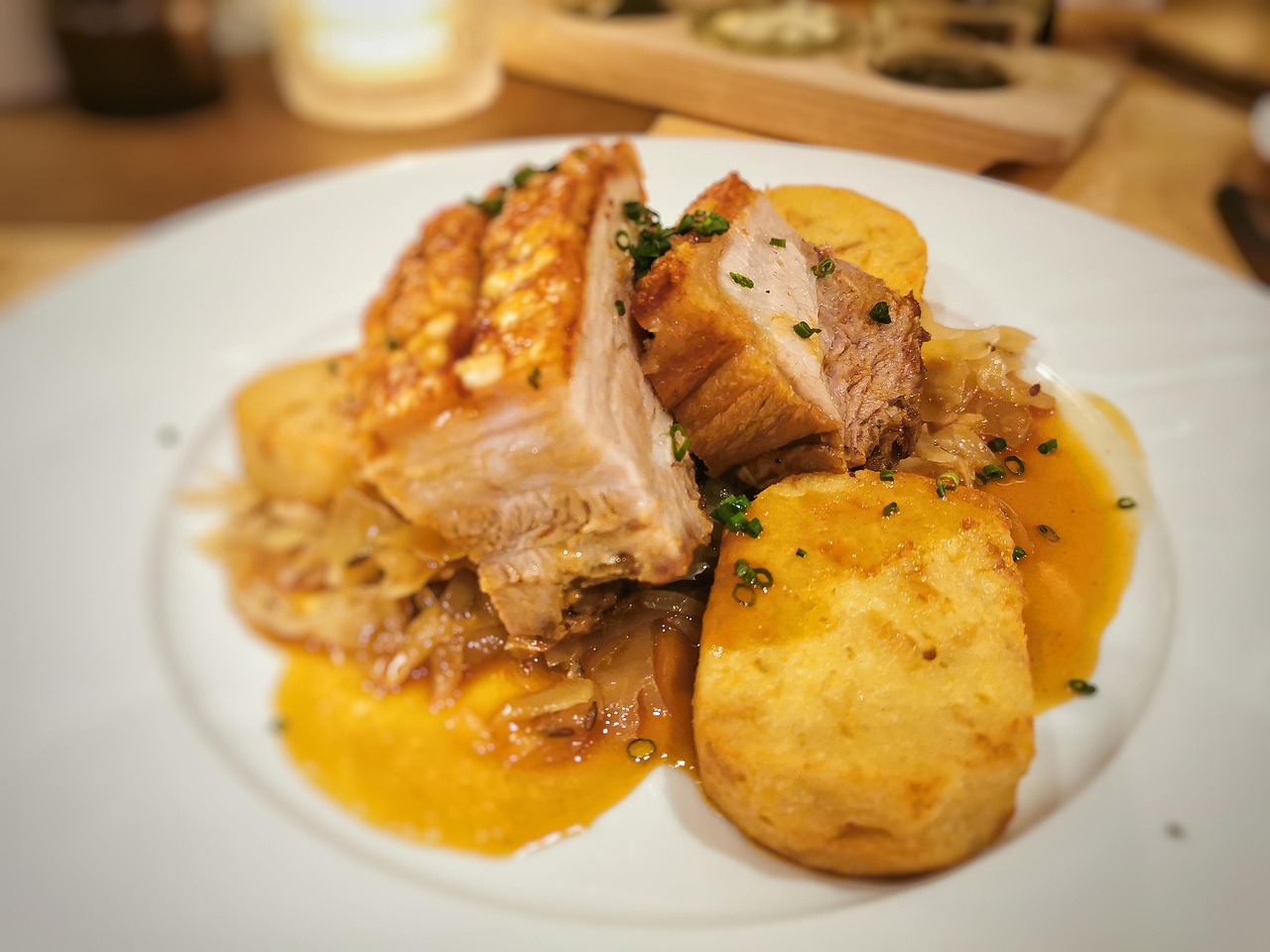
Reading Terminal Market is number three, and if you only do one indoor stop in this whole city, make it this one. Eighty-something vendors under one roof, and DiNic’s roast pork might, might, beat the cheesesteak as the best sandwich in town. Go hungry, don’t eat breakfast first, trust me.
Speaking of cheesesteaks, that’s four, and it’s less a food stop and more a rite of passage. Pat’s and Geno’s sit right across the street from each other in South Philly, and everyone in this city has a fierce, borderline unreasonable opinion about which one wins. Order it “whiz wit” if you don’t want to get side-eyed.
Art and Culture
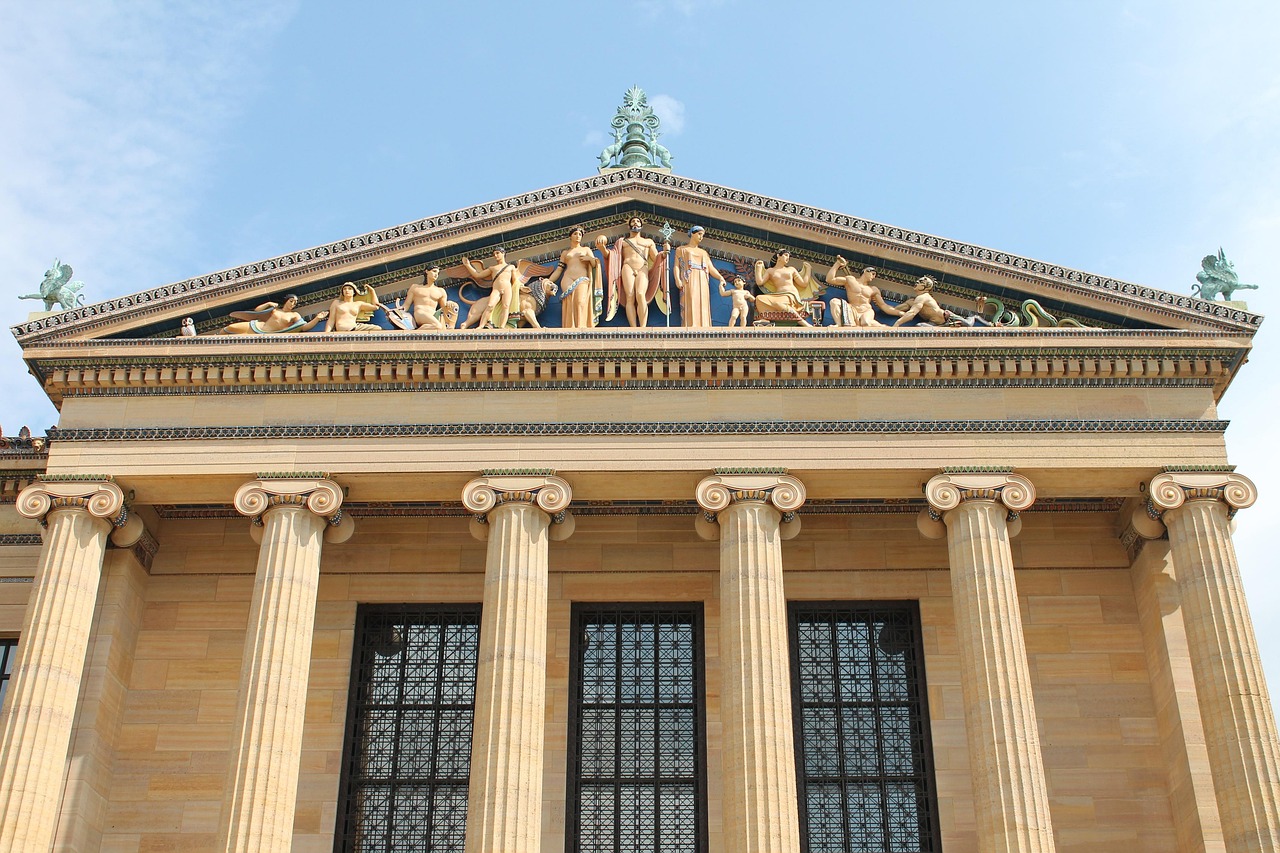
Number five has to be the Philadelphia Museum of Art. The collection’s genuinely excellent; Monet, Duchamp, Warhol, the whole lineup.
Six is Philadelphia’s Magic Gardens on South Street, an entire block covered floor to ceiling in mosaic tile by an artist named Isaiah Zagar, and no photo I’ve taken has ever done it justice. Seven is the Barnes Foundation, quieter, one of the best Impressionist collections you’ll find anywhere, hung in this weirdly personal, almost stubborn way that feels nothing like a typical museum. And eight, if your timing works out, is First Friday, when Old City’s galleries throw their doors open on the first Friday of every month and the whole neighborhood turns into one big art crawl.
Then It Gets a Little Weird, in a Good Way
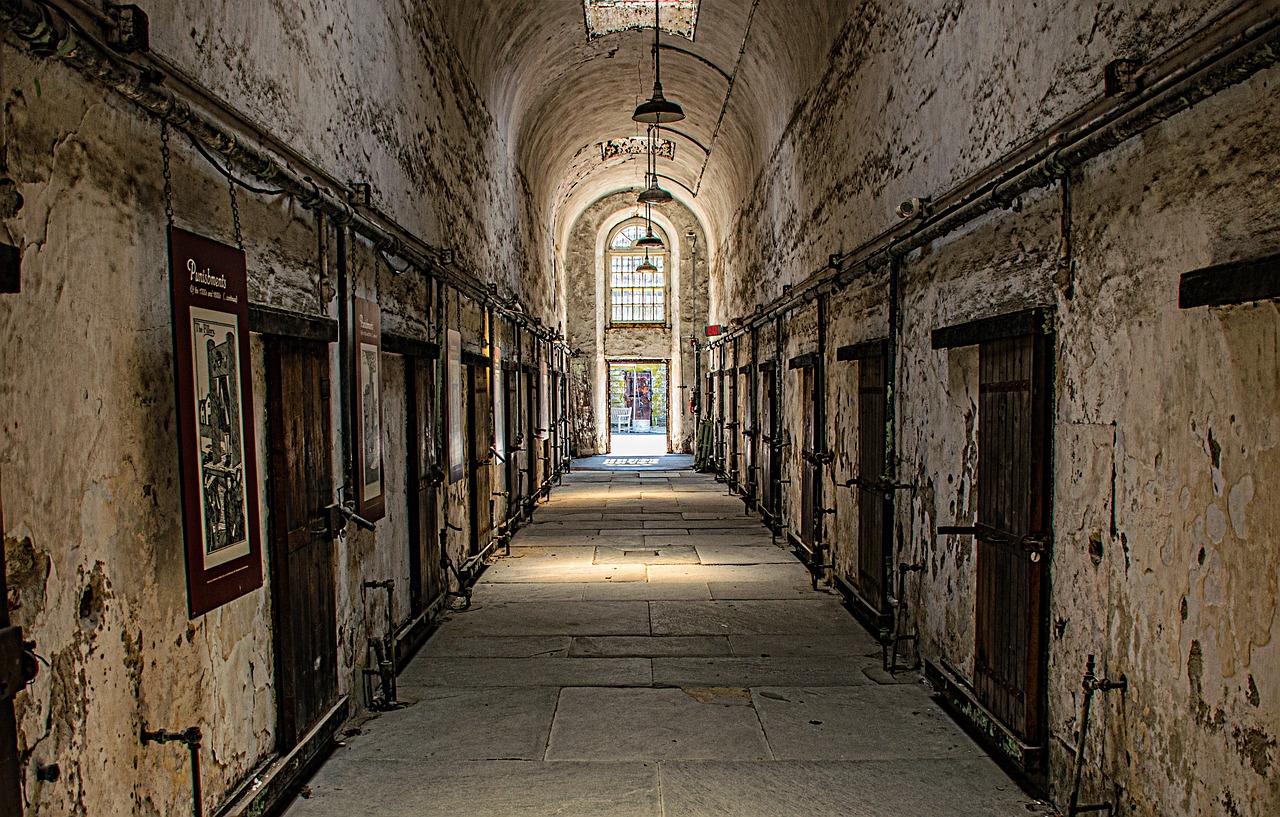
Nine is Eastern State Penitentiary, once the most famous, most expensive prison on earth, now this crumbling, genuinely unsettling place you can walk through. Not everyone’s cup of tea, but I still think about it. Ten, the Mütter Museum, is a cabinet of medical oddities tucked inside the College of Physicians, equal parts fascinating and mildly nauseating, budgeting a full hour.
Eleven is Elfreth’s Alley, often called one of the oldest residential streets still standing in the country, and walking it feels like slipping into another century for about ninety seconds before you’re back on a modern sidewalk. Twelve, the Betsy Ross House, costs a few dollars to get in, but seeing where the flag legend supposedly took shape is worth it if you’re already close by.
Parks, Rivers, and Just Wandering
Thirteen, Boathouse Row, is best seen from across the Schuylkill at dusk when the little lights on the historic boathouses come on. Fourteen is Fairmount Park itself, one of the biggest urban park systems in the country and a genuinely good place to walk off whatever you just ate. Fifteen, Rittenhouse Square, is leafy and upscale and full of good restaurants if you want a slower afternoon that isn’t packed with monuments.
Sixteen covers the waterfront piers, Spruce Street Harbor Park and Cherry Street Pier, hammocks and food trucks and skyline views that change completely depending on the season you visit. And seventeen is Chinatown, established back in 1871 and still thriving, packed with Cantonese, Korean, Vietnamese, and Japanese spots in just a few blocks.
Two Museums Worth Your Time as an Adult
Eighteen, the Franklin Institute, gets written off as a kids’ museum, but the exhibits on flight and space and the human body hold up just fine for a group with zero children in tow. And nineteen, the last one, is the Penn Museum, run by the University of Pennsylvania, home to world-class archaeology that somehow most visitors never even hear about. That’s the full list of things to see and do in Philadelphia for adults, at least the version I’d actually stand behind.
When to Actually Go
Spring and fall keep things easy, mild weather, thinner crowds than summer. If your group is leaning toward outdoor stuff like Boathouse Row or the piers, April through June is your window. Winter has its own charm too, Winterfest lights up the RiverRink and the museums get pleasantly quiet.
A Few Things I Would Tell a Friend
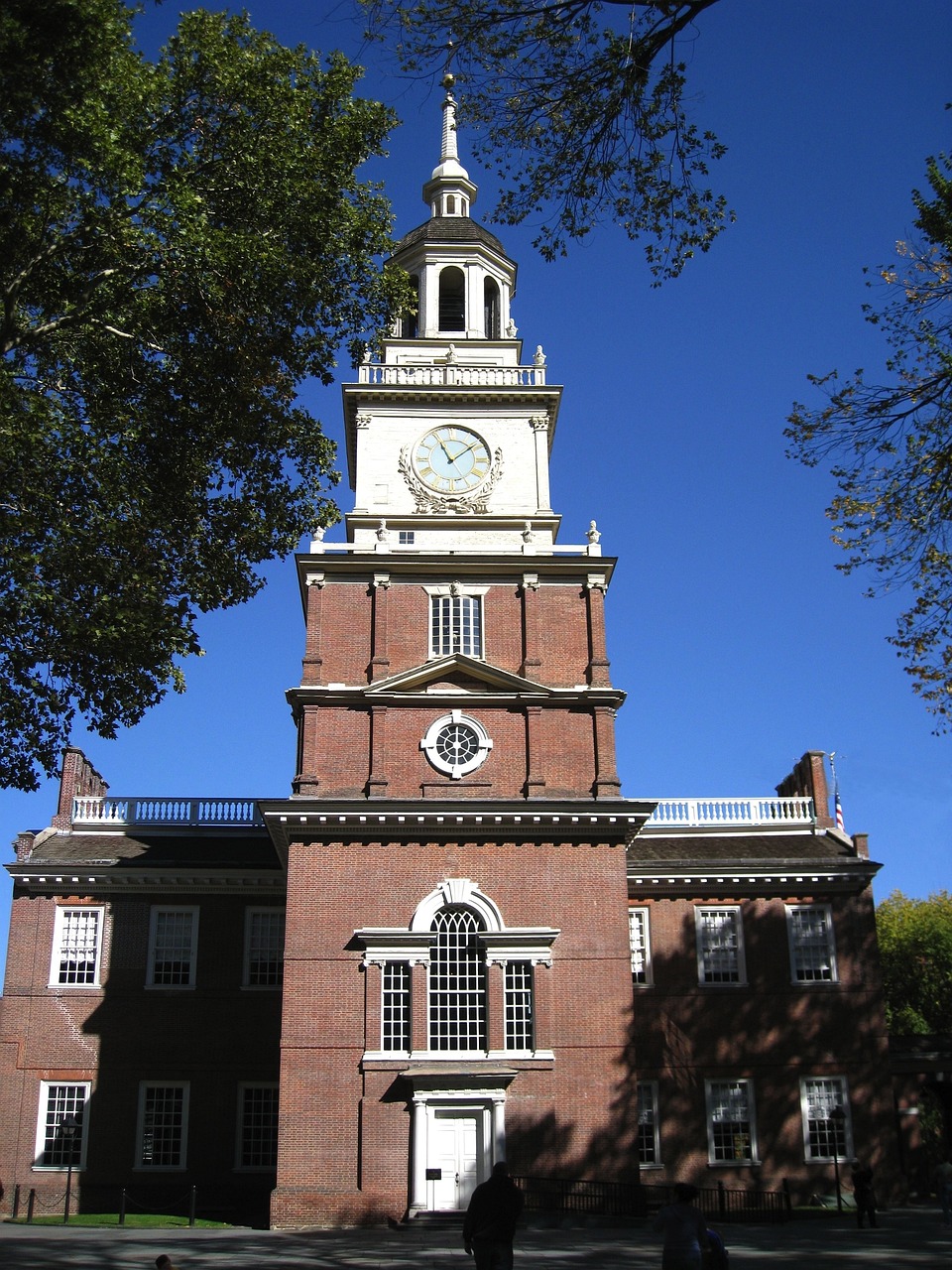
- Independence Hall tickets are free, but timed, book them ahead
- The Liberty Bell opens at 9 am, get there early or you will have to wait in line
- Old City’s cobblestones are rough on anything
What This Looks Like as a Group Trip
Here’s the honest question though. Nineteen stops sound great on paper, but how do you turn that into two or three days that don’t leave everyone exhausted by 2 pm? That’s usually where the wheels come off when people try to DIY it.
This is the exact gap EE Tours was built to fill. Thirty years in, and the whole thing started from one idea, that whoever’s leading your trip should actually know your group, not hand you a printed itinerary and vanish. Their Adult Tours program was built for groups like this, art crowds, theater people, food folks, and it starts by asking what you actually want out of the days, not by pulling out last year’s template. It’s a different feel from most Adult Tours you’d book through a generic operator.
If your group’s leaning arts and culture, pairing the Barnes with a First Friday night through EE Tours’ Adult Tours gets you both sides of Philadelphia, quiet and curated, then loud and communal, in the same trip. And because it’s a small operation on purpose, you’re talking to the same person the whole way through at EE Tours, not whoever happens to pick up the phone.
So, out of nineteen, which one sticks? The crack in the bell, the mosaic wall on South Street, or standing in the room where the Constitution got signed? Philadelphia hands you more of these than one trip really has space for.