Every senior trip conversation goes the same way. Somebody calls a meeting, somebody grabs a whiteboard, and within about ninety seconds someone’s said “Orlando.” Look, Orlando’s fine. It works. But talk to teachers who’ve actually done this more than once, and the trips that stick, the ones kids bring up at their five-year reunion, usually weren’t the first name on the board. They were the ones that matched the class. Here’s a running list of what keeps coming up, and why.
For the history-obsessed
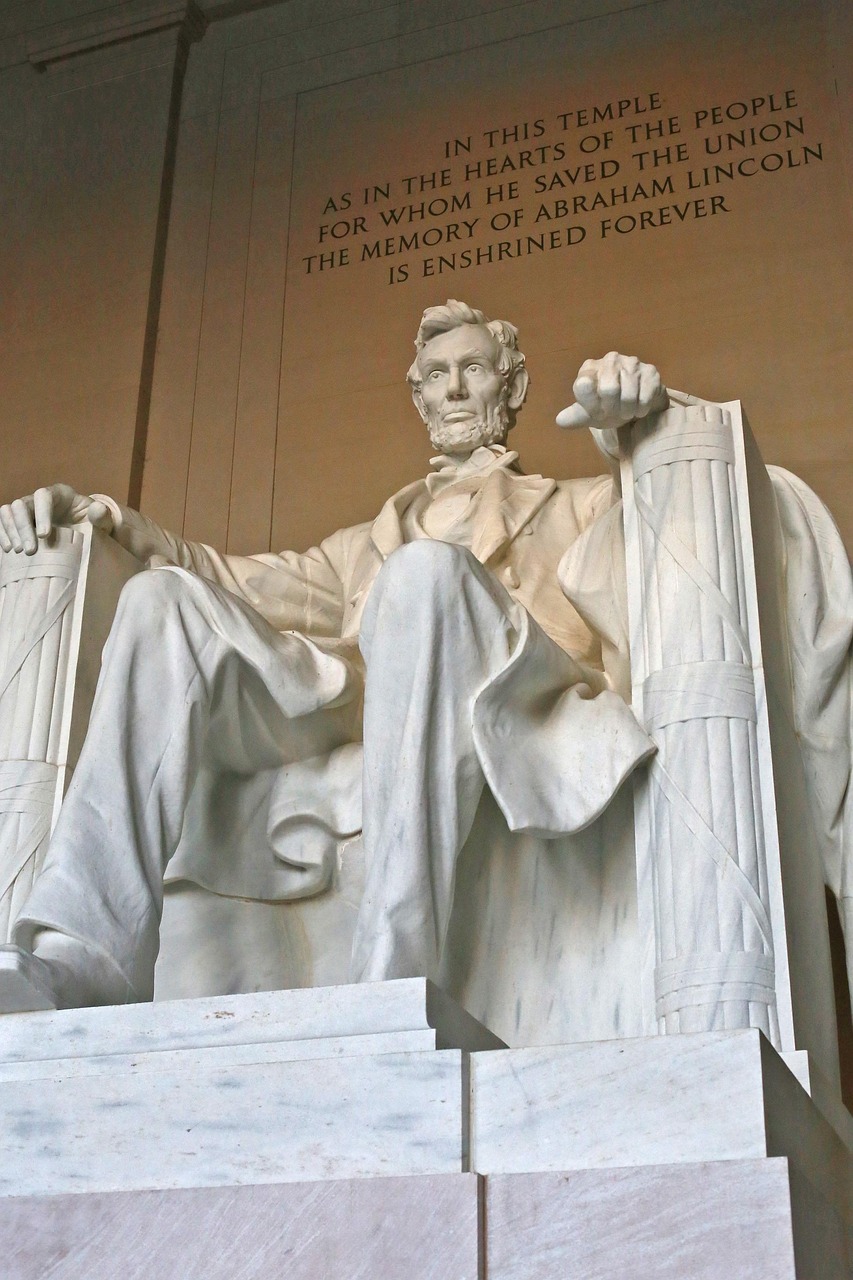
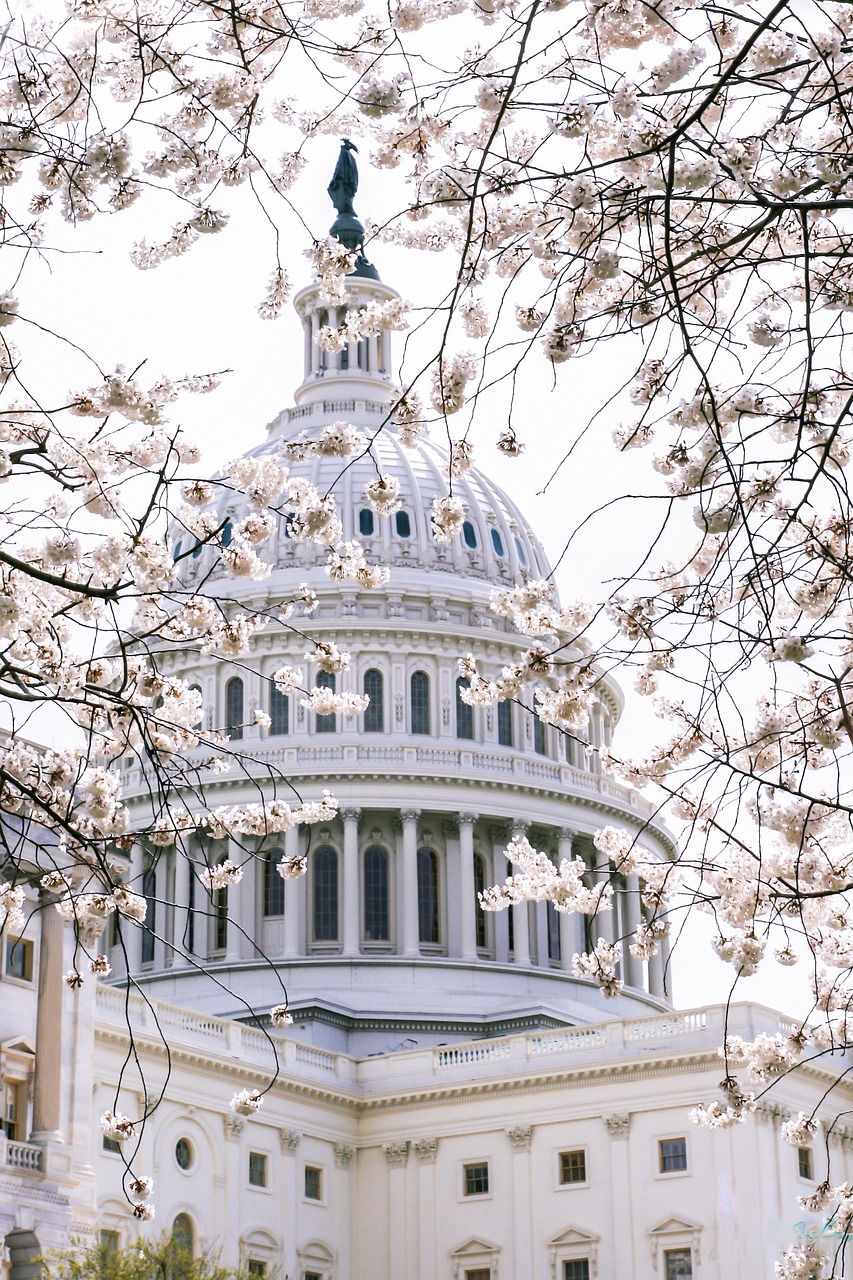
1. Washington D.C. is where most people land first, and honestly, it’s earned. There’s something about standing at the Lincoln Memorial that hits differently than reading about it. A group I know went dead silent walking through the Holocaust Museum, kids who never stop talking. And since the Smithsonians are free, half the budget fight is solved before it starts.
2. Philadelphia is right behind it. You stand in the room where the Constitution got signed, then twenty minutes later you’re running up the Rocky steps for photos like it’s a totally different trip. That whiplash is kind of the whole point.
3. Williamsburg, Virginia gets overlooked but shouldn’t. Fewer crowds, cheaper to get around, and costumed interpreters do something a slideshow just can’t.
4. Boston works for similar reasons. Walk the Freedom Trail and you’ve done a history unit without anyone realizing they were being taught something.
For the arts and performance kids
5. New York City still wins here, no contest. Same-day discount Broadway tickets are a thing if you know where to look, and one afternoon in the Chelsea gallery scene covers more contemporary art than most students see in four years.
6. Chicago deserves way more credit than it gets. The Art Institute holds one of the best collections in the country and nobody talks about it enough. Do the river architecture cruise too, it turns a subject that could be boring into something people lean forward for.
7. Nashville, if the class is music-heavy, is almost a no-brainer. Studio tours where kids see how a record actually gets made, plus the Country Music Hall of Fame, make it feel less like a vacation and more like they’re getting away with something fun disguised as school.
8. New Orleans rounds this group out, mostly for culinary, fashion, or music programs. The jazz history alone justifies the extra flight time.
For the class that wants a beach and a break

Not every group wants monuments. Sometimes they just want sand, a pool, and two days where nobody’s rushing to the next thing.
9. Myrtle Beach and 10. Virginia Beach comes up constantly for this. Boardwalks, group rates that won’t destroy the budget, and enough unstructured time that even the chaperones get to sit down. If the class has had a rough year, this often beats something more packed.
For the classes chasing one big shared memory

11. Orlando, again, earns its reputation. Theme parks aside, it’s just really good at giving a group one massive shared experience right before everyone scatters to different colleges.
12. Niagara Falls does something similar, no flight required. It photographs beautifully, it’s dramatic in person, and Toronto’s an easy add-on if there’s an extra day. Bring ponchos either way, the Maid of the Mist soaks everyone and that’s always the first photo that goes up.
13. San Francisco is for the group that wants scenery more than adrenaline. Alcatraz, the bridge, downtown you can actually walk without five things booked back to back. It’s foggy most mornings even in late spring, so tell them to pack layers.
The idea nobody puts on the whiteboard first
Staying regional almost never makes anyone’s first list, which is kind of a shame. A three-hour bus ride to a mid-size city with a solid museum or theater scene gets most of the experience for way less money. Pick somewhere with at least one free major attraction, build the schedule around one paid thing instead of five, and cut the trip to two nights instead of four, since travel eats the first and last day no matter how far you go.
Quick comparison if you are stuck choosing
Destination | Best for | Budget | Length |
Washington D.C. | History & civics classes | Low (free museums) | 2–3 days |
New York City | Theater & arts programs | High | 2–3 days |
Nashville | Music programs | Mid | 2–3 days |
Myrtle/Virginia Beach | Classes wanting downtime | Low–Mid | 3–4 days |
Orlando | Big shared “one memory” trips | High | 3–4 days |
Regional mid-size city | Tight budgets | Low | 2 nights |
Okay, so how do you actually book one?
This is usually where the real conversation starts, because picking a destination is the easy part. Matching it to what your specialty program needs is harder.
That is the call EE Tours tends to get. Thirty years doing this, and the pitch hasn’t really changed: whoever is planning your trip should understand what a theater kid or a culinary student is actually trying to get out of the days, instead of handing you a template built for somebody else’s group. Their tours program came out of that same instinct. One theater teacher who’s booked with them three years running told us, basically, “I never have to re-explain what our program needs anymore. They already know.”
If your school has worked with EE Tours before, that same coordinator can often carry the relationship into whatever comes next, alumni trips, staff trips, parent travel. Nothing flashy about it. You just talk to one person the whole time instead of getting bounced around.
FAQs
1. How far ahead should we book?
Most schools lock things in 9 to 12 months out, especially for spring trips to D.C. or NYC where hotels and timed tickets go fast.
2. What’s this actually going to cost?
A regional two-nighter can run a few hundred bucks a student. A multi-day NYC, D.C., or Orlando trip runs more. Someone who understands your program tends to mean you’re spending on what matters, not filler.
3. How many chaperones do we need?
Depends on your state and school policy, but one adult per 10 to 15 students is a reasonable starting point, more if the grade’s younger or there’s a lot of free time built in.
4. What do schools mess up most?
Waiting too long to book timed tickets. Nothing kills a trip faster than forty tired seniors stuck in a line that could’ve been sorted online weeks earlier.
Final Thoughts
Pack for weather that changes its mind constantly, whichever of these 13 you pick, and lock in timed tickets the second they’re available. A quick chaperone group chat the week before, covering meeting spots, curfews, what to do if someone’s phone dies, saves a headache once you’re actually there.
So which one would your seniors still be talking about years from now? The Smithsonian steps, a Broadway matinee, a Nashville studio session? Usually it’s not whatever looks best in a brochure. It’s whatever already sounds like them.