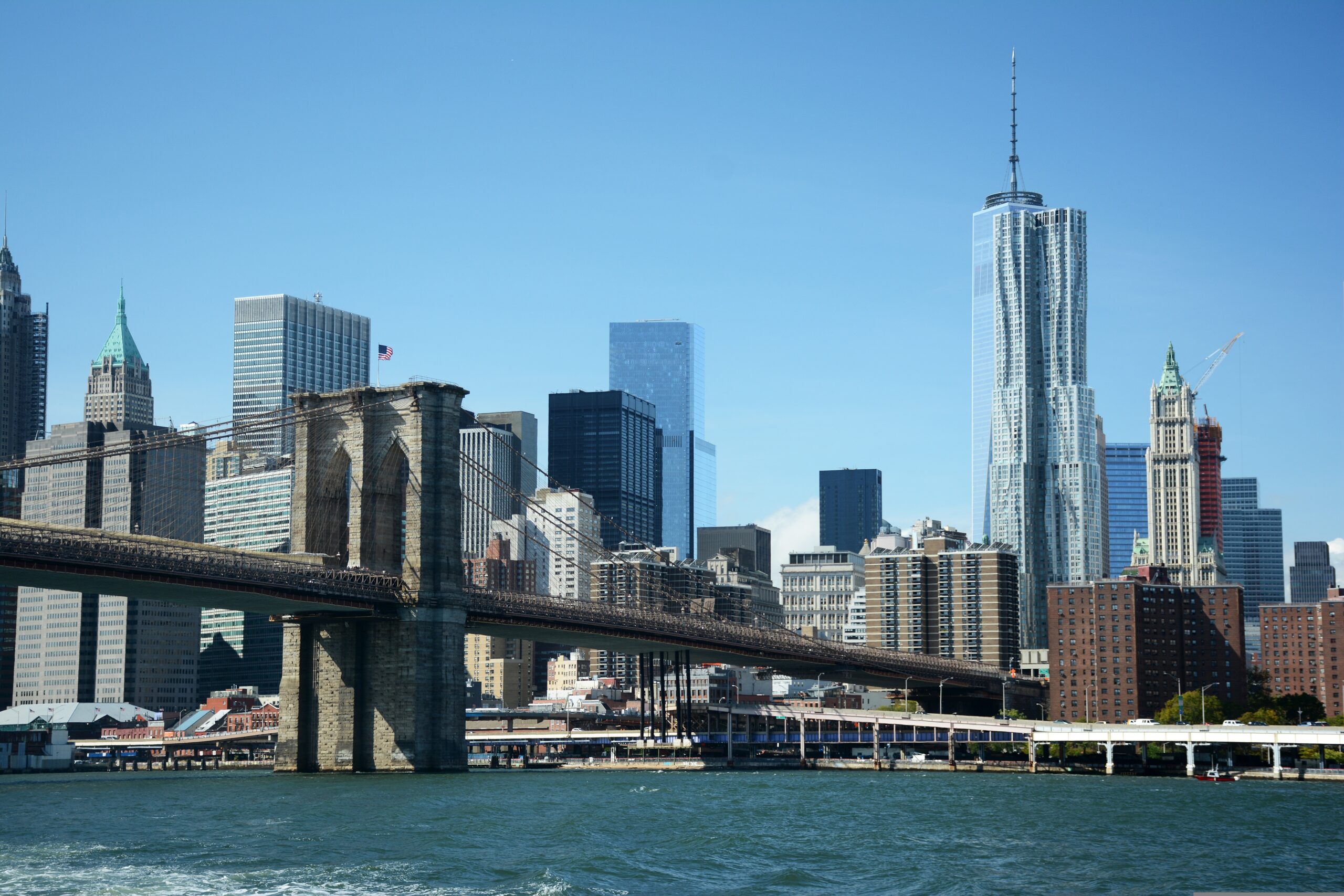
NYC for teens is much more than just Times Square.
Thirty years of student group tours through this city. The trips teenagers actually remember almost never match the standard list. They remember a Chelsea gallery on a Thursday evening. Hand-pulled noodles in Flushing they had never tasted before. The Brooklyn Bridge at 9am when the city’s still quiet.
This is not just a list of 20 things. It is the version of this trip that sticks.
Why NYC for Teens Hits Differently
Most cities have stuff for teenagers. New York has the real thing.
Fashion? You’re not looking at nice boutiques. You’re looking at the supply chain that runs American fashion, from the pattern makers in the Garment District to the storefronts in SoHo. Music? Not cover bands. The Apollo Theater, where Ella Fitzgerald won Amateur Night in 1934, is still running shows. That’s not a museum. That’s a working venue with a hundred years of weight in the room.
For a kid who’s figuring out whether what they love is a hobby or something bigger, a city that takes it seriously at full scale is a completely different kind of experience. Not better than school. Just different in ways school can’t touch. That’s exactly what the Educational and Arts Tours at EE Tours are built around.
For the Artistic Teen
1. Chelsea Gallery Walk
Are you able to include photos of these so the reader can see what these places are like
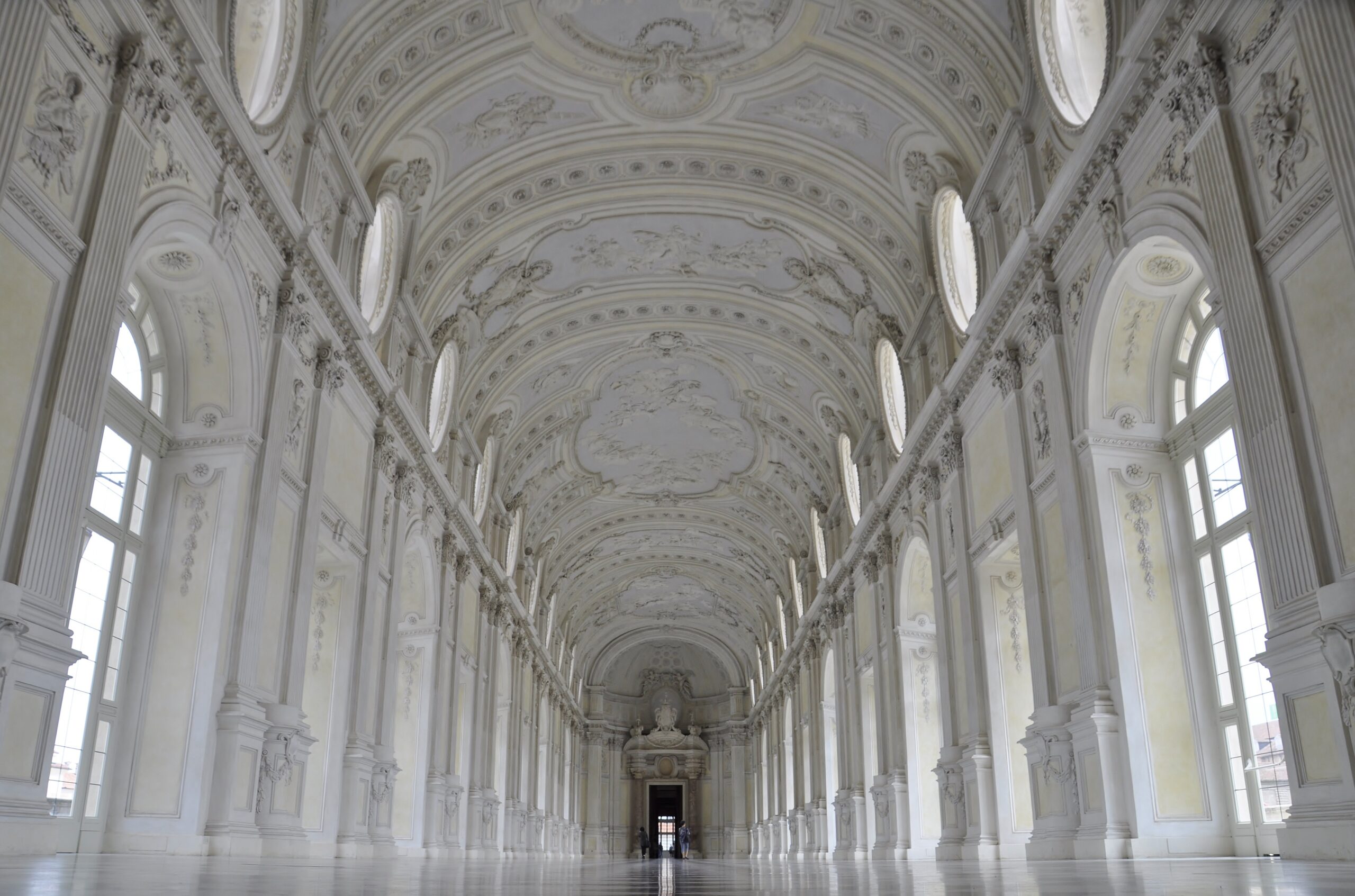
Here’s the thing nobody tells you about Chelsea. Thursday evening is when the galleries do their openings. Over 200 galleries in about ten blocks. Most of them are free. And instead of packed crowds and roped-off walls, you get working artists, collectors, gallerists who want to talk about what’s on the walls. Your teen is not a student visitor on Thursday evening. They’re just someone in the room. That distinction lands differently than you’d think.
Saturday afternoons? Same galleries, packed, impersonal. Go on a Thursday.
2. The High Line
It was a freight rail line. Now it’s an elevated park running through Chelsea with rotating public art installations year-round. Photography students, architecture obsessives, anyone into urban design, this is a mile of material. Start at Gansevoort Street and walk north. Don’t rush it. It rewards the people who slow down.
3. MoMA
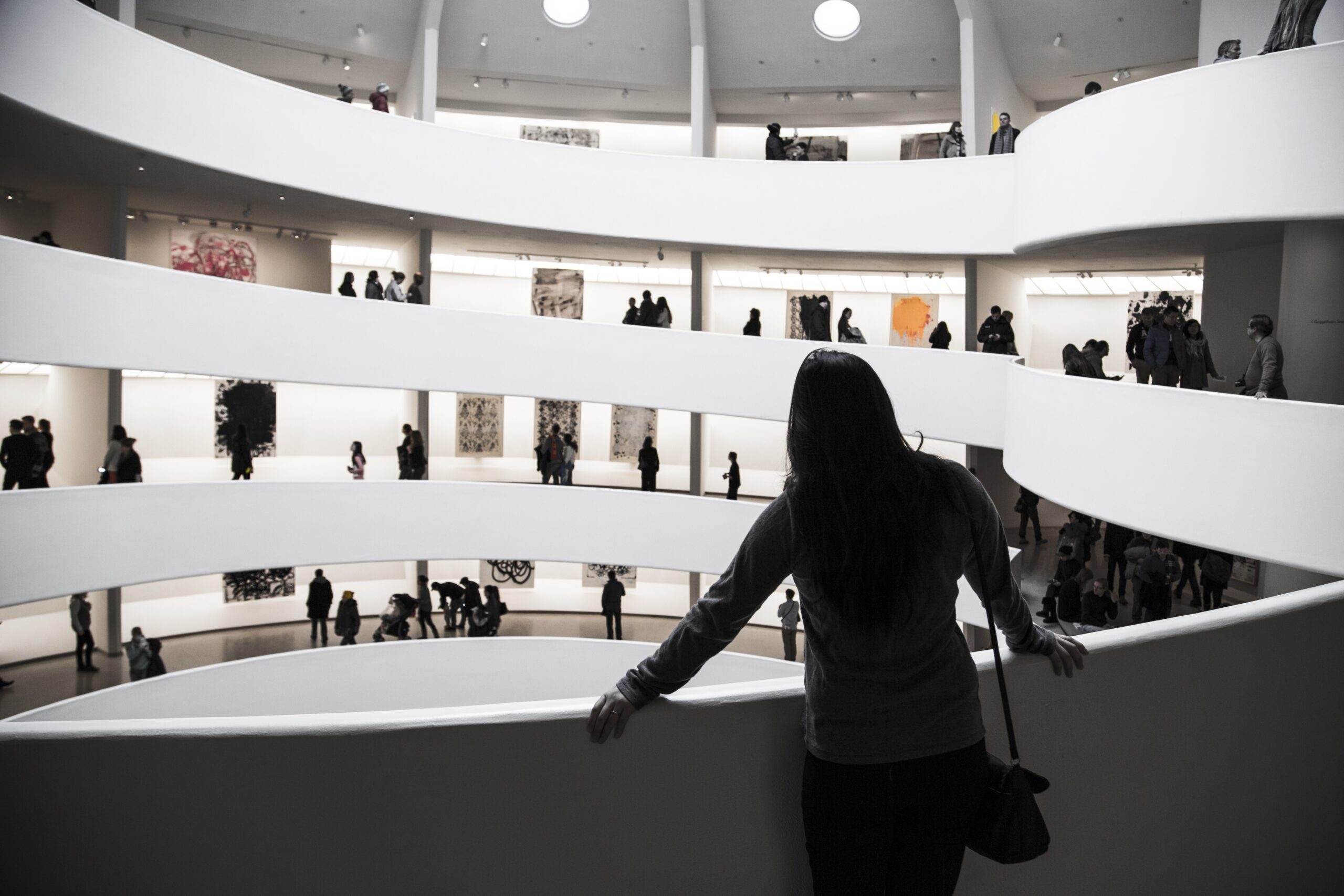
Van Gogh’s “Starry Night” is here, yes. So is Picasso, Warhol, 200,000-plus works across painting, photography, film, sculpture. But the temporary exhibitions are often better than the permanent collection, and they rotate constantly. October looks nothing like March. Adults pay around $30. Under 16? Free.
4. The Metropolitan Museum of Art
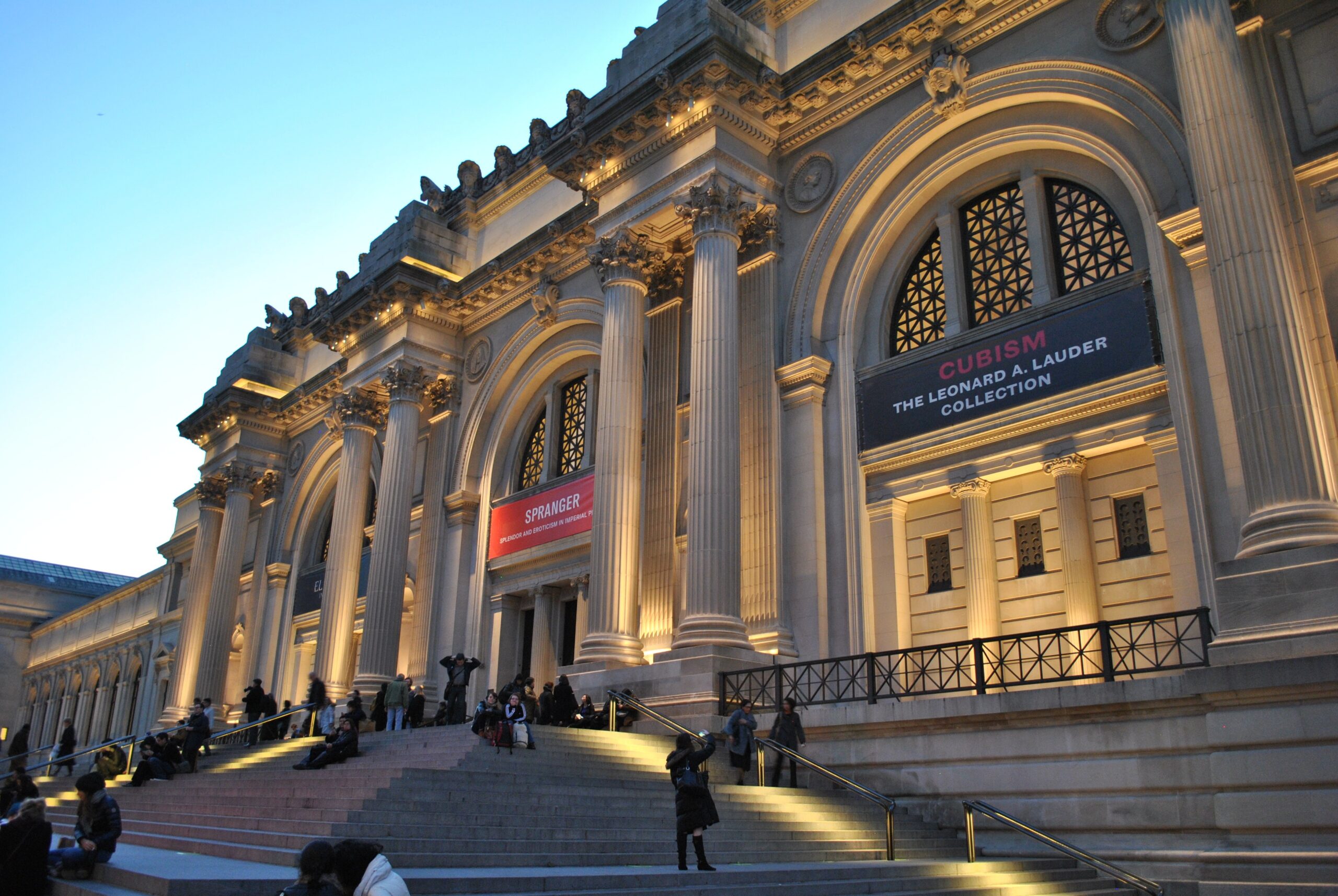
Don’t walk in without a plan. You will spend four hours wandering and leave feeling like you saw nothing. The Egyptian wing is the one that stops most teenagers cold, real mummies, actual artifacts from thousands of years ago, sitting in cases you can walk right up to. The musical instruments gallery surprises people who aren’t expecting it. Fashion-focused groups should time the visit around the Costume Institute exhibition. Out-of-state admission runs around $30 for adults; under 12 is free.
5. SUMMIT One Vanderbilt
Step onto the glass floor. Your brain briefly refuses. That’s not a figure of speech, even people who aren’t afraid of heights feel it. Mirrored rooms, light installations, views across the city in every direction. Teenagers love it because it photographs well, but also because it’s actually surprising in a way most observation decks aren’t. Go at dusk. Tickets are $45 to $55. Book ahead, especially weekends.
For the Teen into Theater and Music
6. Broadway (But Pick the Right Show)
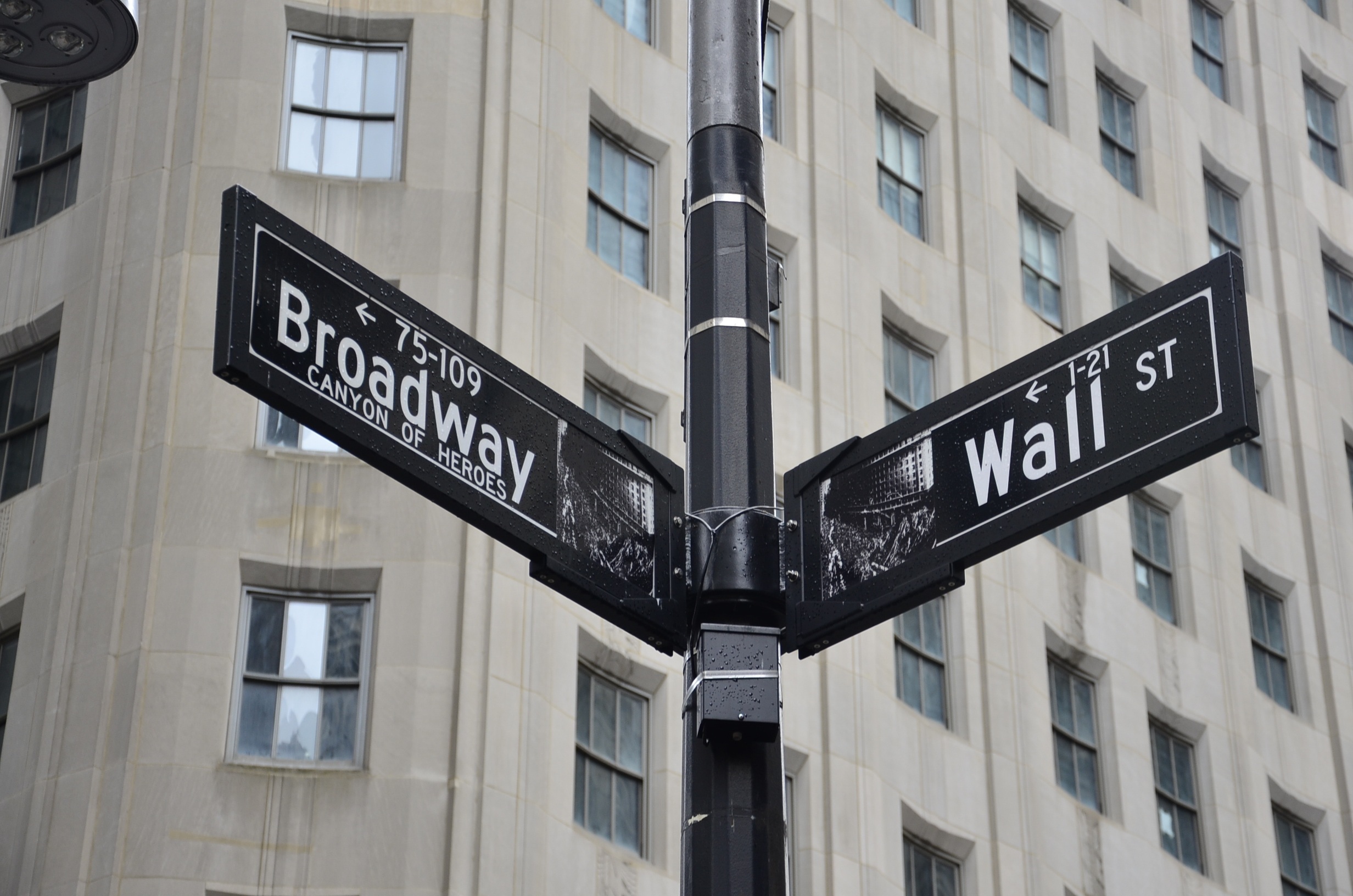
The show matters. Hamilton, if you can get tickets, is its own category. Harry Potter and the Cursed Child is a reliable win for anyone who grew up with the books. Wicked’s had real momentum lately. The Lion King holds for every age. And for theater students, watching work at this level isn’t recreation. It is education. Same as a music student hearing a great orchestra isn’t just listening for fun.
Before you pay full price, check the Theatre Development Fund’s student discount program and Broadway rush tickets. Good seats can come down to $30 to $60. Full price is $80 to $200-plus.
7. Hell’s Kitchen Walk
Most theater groups go straight to the theaters and skip the neighborhood where performers actually live. Hell’s Kitchen, 34th to 59th Street on the west side, is where working actors eat lunch between callbacks. Where voice teachers run back-to-back afternoon sessions. Walk 9th or 10th Avenue and you will pass casting offices and rehearsal studios with no signage. Because they are not tourist destinations. They are just where the work gets done. Restaurant Row on 46th Street has fed Broadway professionals for decades. No classroom gets your students this close to the actual world they want to enter.
8. Apollo Theater, Harlem

Ella Fitzgerald won Amateur Night here in 1934. She was 17. Billie Holiday, James Brown, Stevie Wonder, the Jackson 5, all on that stage before anyone knew their names. The building’s still active. Still running shows. Standing inside it is different from reading those names in a music history textbook, and music students in particular tend to go quiet in there in a way they don’t most places. That silence is worth a lot.
9. SummerStage in Central Park
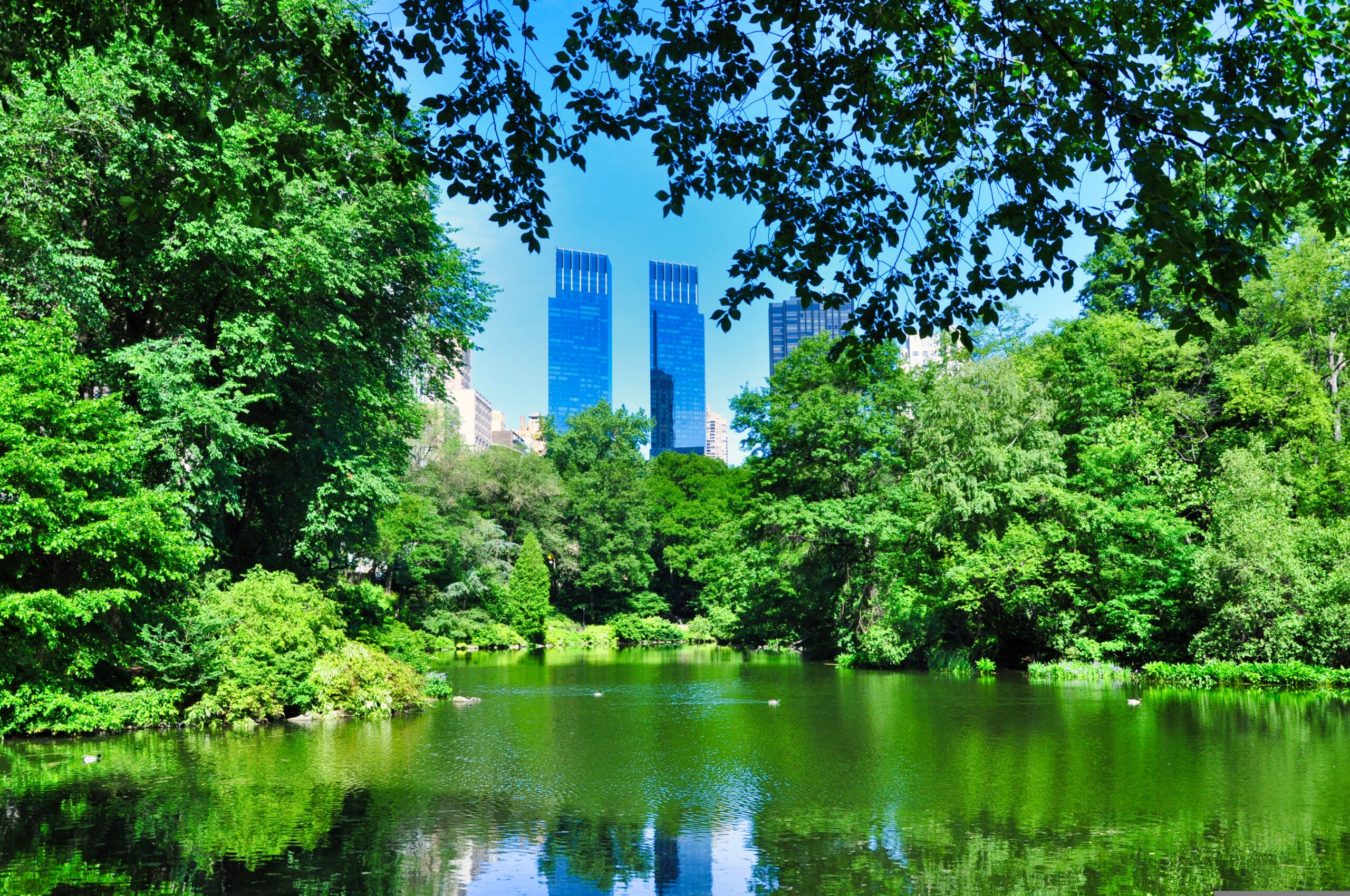
June through September, Central Park runs free concerts, dance performances, spoken word. Real lineups, jazz, hip-hop, classical, international artists. For teens who love live performance but can’t yet afford $150 concert tickets, this isn’t a consolation. It’s just a great free show in a great outdoor setting. Programming changes weekly, so check the schedule before you go and plan around something specific.
For the Foodie Teen
10. Smorgasburg, Williamsburg
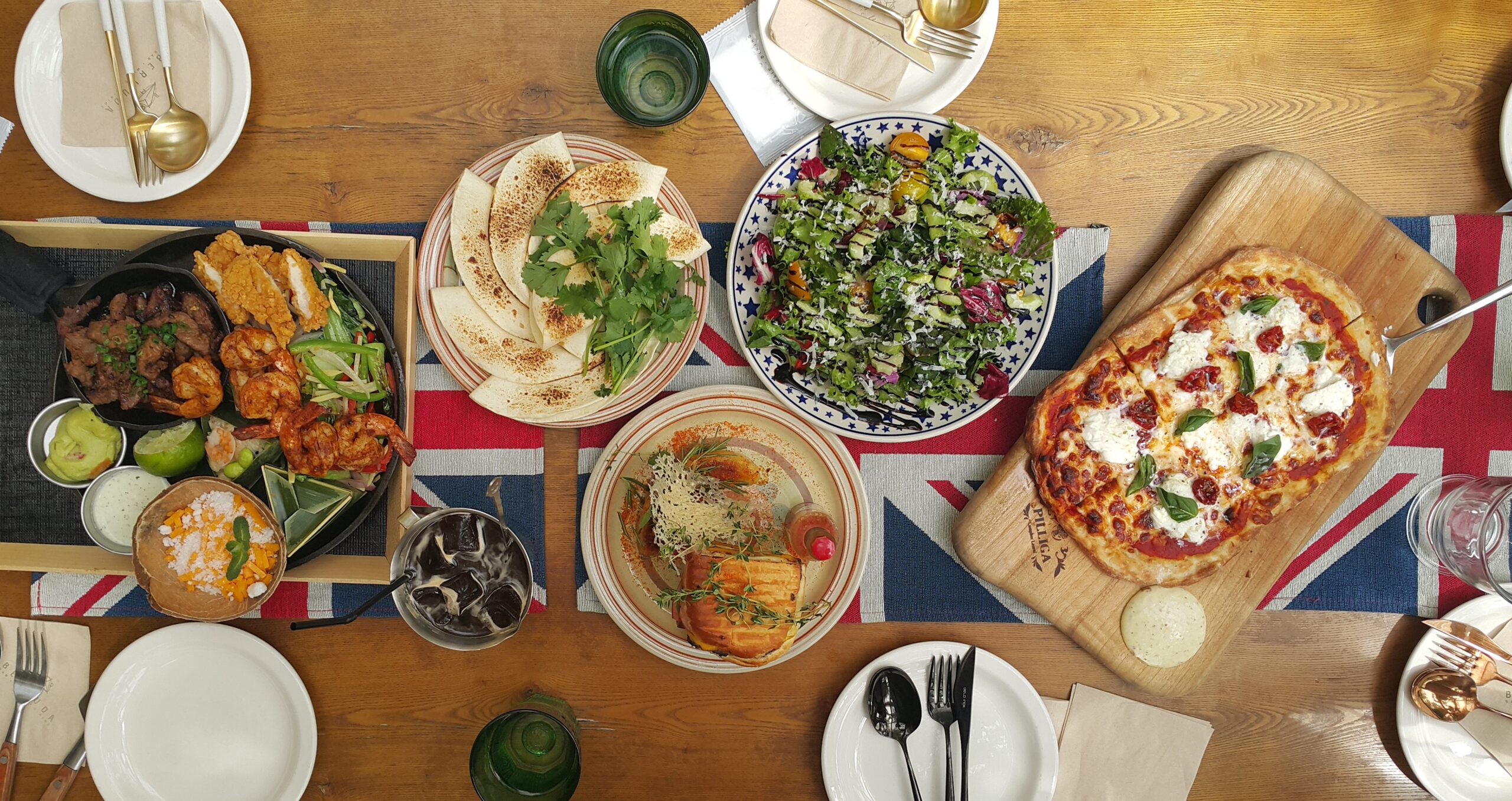
Every Saturday, 100-plus food vendors line up along the Williamsburg waterfront. Selling things that don’t exist anywhere else. Ramen burgers. Filipino BBQ. Desserts someone invented eight months ago with a line already forming. For culinary students, it’s a live case study in what it looks like to build a food brand around one very specific dish. For everyone else it’s just a great Saturday morning. Free to enter. Bring cash. Don’t eat beforehand.
11. Flushing, Queens
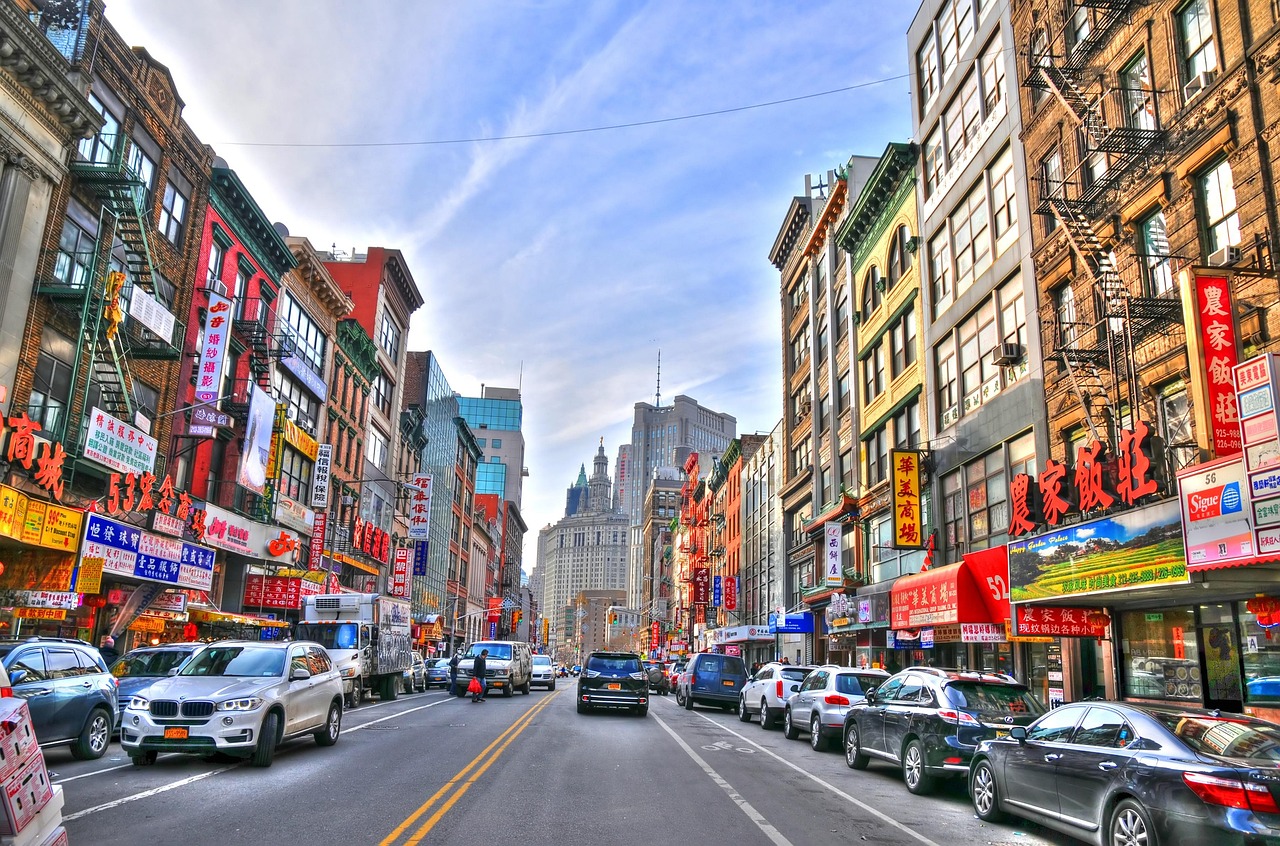
7 train from Times Square. About 30 minutes. When you get off, you are in one of the largest Chinese communities outside of mainland China. The underground food courts at New World Mall are something people who’ve been there don’t stop talking about. Hand-pulled noodles. Sichuan cold sesame dishes. Soup dumplings being made right in front of you. The variety in one food court covers more culinary ground than a semester of reading.
Here’s an assignment that works every time with culinary groups: each student picks one dish, finds where it comes from, explains what brought it specifically to Queens. The answers, immigration patterns, community economics, which generation cooked what, pull together more food history in one afternoon than most courses cover in a month. Bring cash. Most stalls don’t take cards.
12. East Village Food Tour
Jewish delis, Ukrainian diners, Japanese ramen shops, and small plates restaurants changing their menus weekly, all within a few blocks of each other. That’s not random. The East Village has absorbed wave after wave of immigrant communities for over a century and the food carries all of it. For culinary groups, a guided tour here is a working study in how food culture layers over time. What stays. What adapts. What each new community brought that the previous one didn’t have.
For the Thrill-Seeking Teen
13. The Edge at Hudson Yards
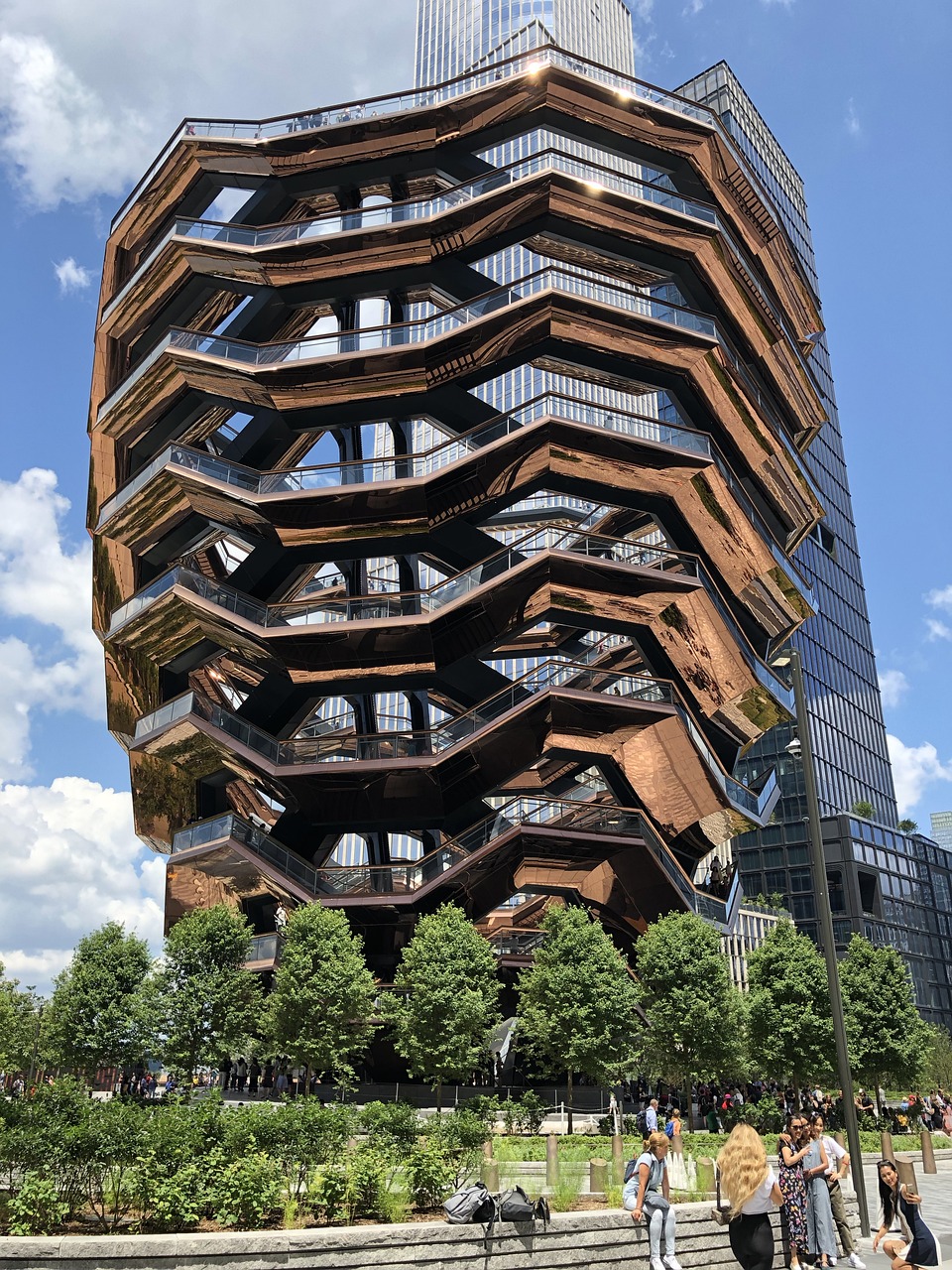
100 floors. Glass floor. A triangular platform extending out from the building with nothing underneath it. The Edge is the highest outdoor observation deck in the Western Hemisphere. For height-comfortable teens, it’s the most viscerally exciting thing in the city right now. Older teens can do the City Climb, literally leaning out from the building exterior on a harness. Not a metaphor. Tickets run $36 to $50. Book online before you arrive.
14. Sloomoo Institute
Your teenagers already know about this. It’s an immersive slime museum, walking on it, jumping into pits of it, making your own, getting it dropped on your head. Sounds like it’s for 8-year-olds. It isn’t. Groups of 16-year-olds go in skeptical and leave covered in slime and genuinely delighted about it. Loud, tactile, extremely photogenic. Unlike anything else in the city. Tickets run $38 to $44. Books out fast, reserve ahead.
15. Brooklyn Bridge Walk
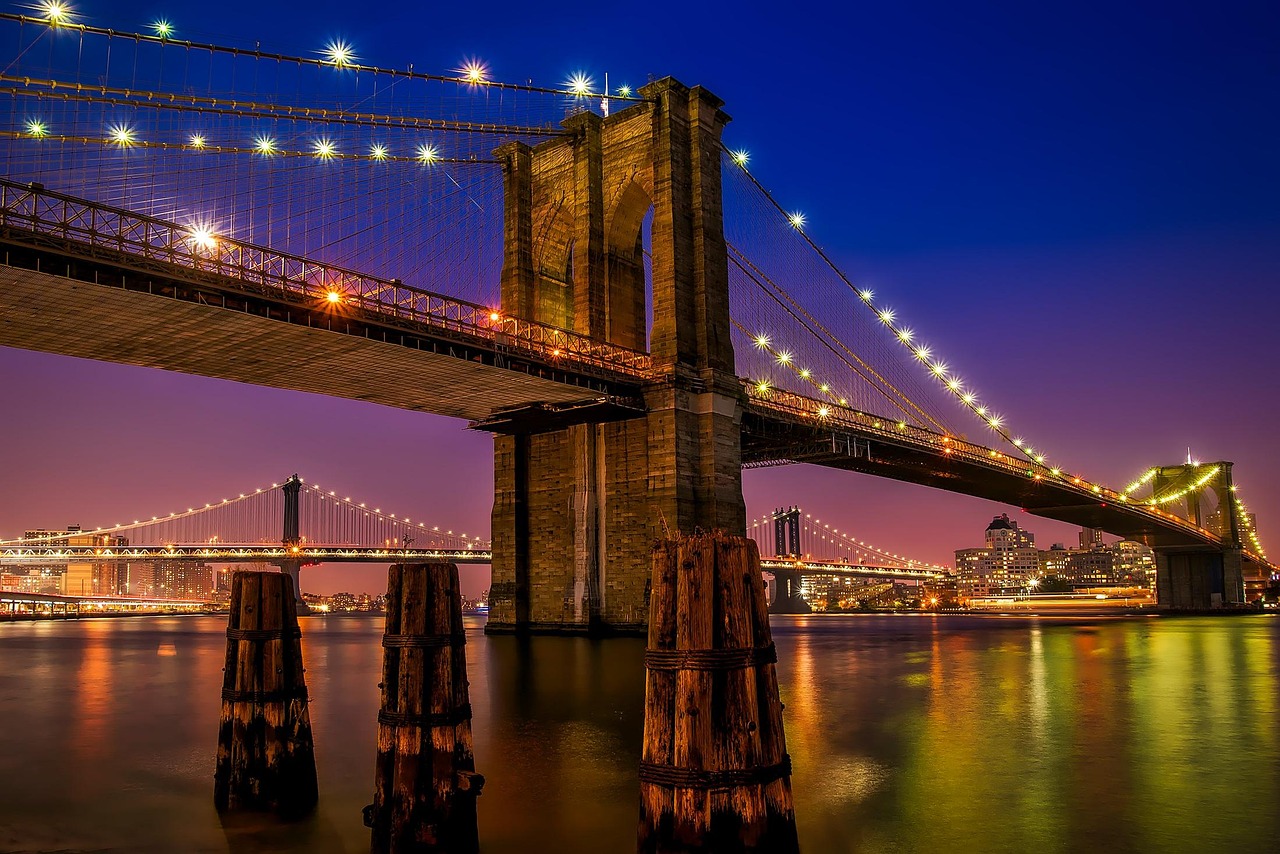
Free. About 30 minutes end to end. The skyline view from the middle of the bridge is different from any observation deck because you are at eye level, not looking down from above. Start Manhattan-side in the morning before crowds arrive. Finish in DUMBO and let the group explore before heading back. The bridge plus the DUMBO waterfront is one of the best free half-days in the city, full stop.
16. The Beast Speedboat
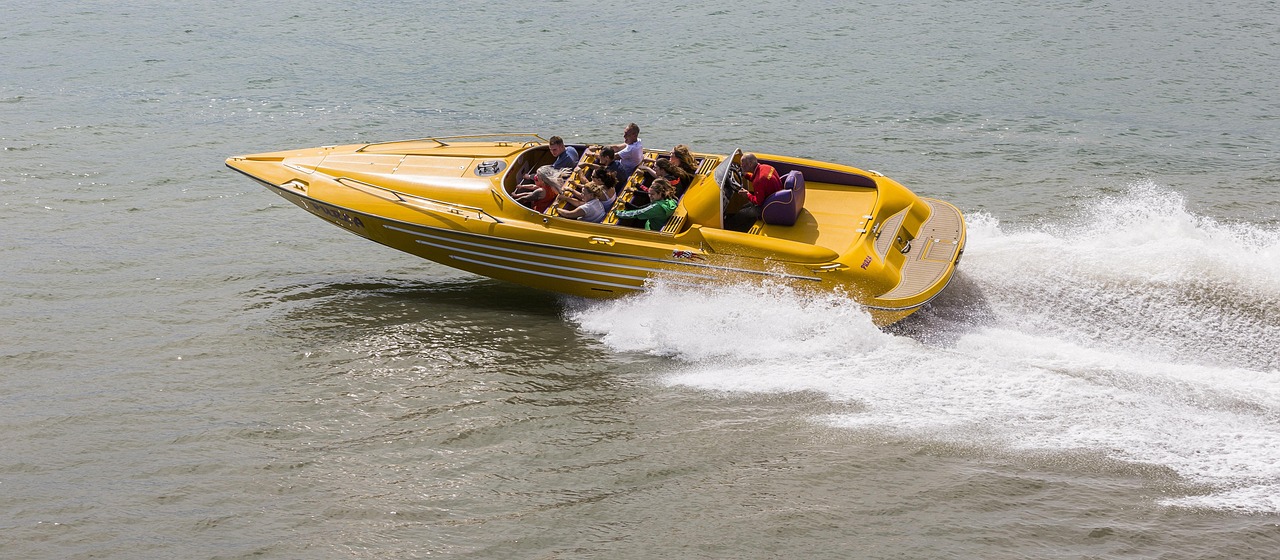
45 miles per hour down the Hudson River. Past the skyline. Close enough to the Statue of Liberty to feel how genuinely large it is. Loud, fast, very wet in the splash zones. Teenagers love it with zero reservation. It’s not educational, and that’s fine. Sometimes the best thing for a group is 30 minutes of everyone screaming together on a boat. Tickets run $32 to $39.
17. Escape Rooms
Beat the Bomb, Mission Escape Games, The Escape Game NYC, New York has some of the country’s best. They work for school trips because they’re fun and they genuinely build the team communication and problem-solving skills teachers actually care about. Best rooms fill fast. Book at least two weeks out.
18. Coney Island
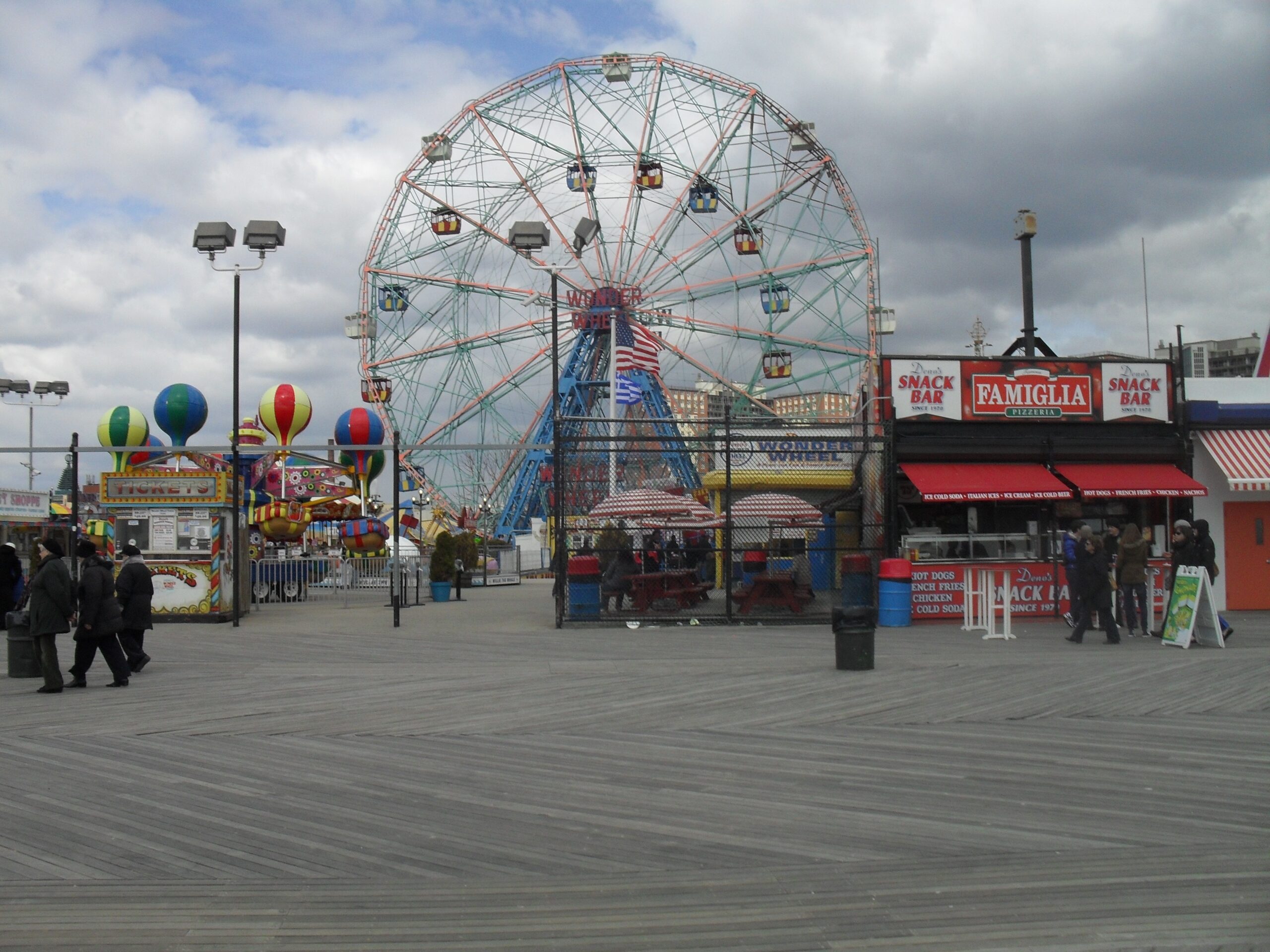
The Cyclone roller coaster, Nathan’s famous hot dogs, the New York Aquarium a short walk down the beach, a boardwalk that’s been running since 1903. Coney Island works best when nobody’s taking it too seriously. Retro, slightly chaotic, and teenagers find it exactly as entertaining as it looks. Friday summer evenings have fireworks over the beach. Not a bad way to close out a day.
For the Teen into Fashion and Design
19. Garment District to SoHo, Do Both

Most fashion group trips go to SoHo. That’s the retail result. The Garment District, 34th to 42nd on the west side, is the supply chain. Fabric suppliers, pattern makers, button and zipper wholesalers, sample rooms, small production houses filling orders right now. For fashion students who want to understand how a sketch becomes a garment, this neighborhood covers what SoHo can’t.
Do both in one day. Start in the Garment District at 10am, spend a couple of hours understanding how the industry actually runs. Then subway to SoHo and see what it looks like when it’s finished, the cast iron architecture, the cobblestone streets, storefronts from emerging independents to global luxury names. Give students a specific assignment before SoHo: find one brand whose physical store tells a story its website doesn’t. The neighborhood teaches visual merchandising just by existing.
20. Greenwich Village and Washington Square Park
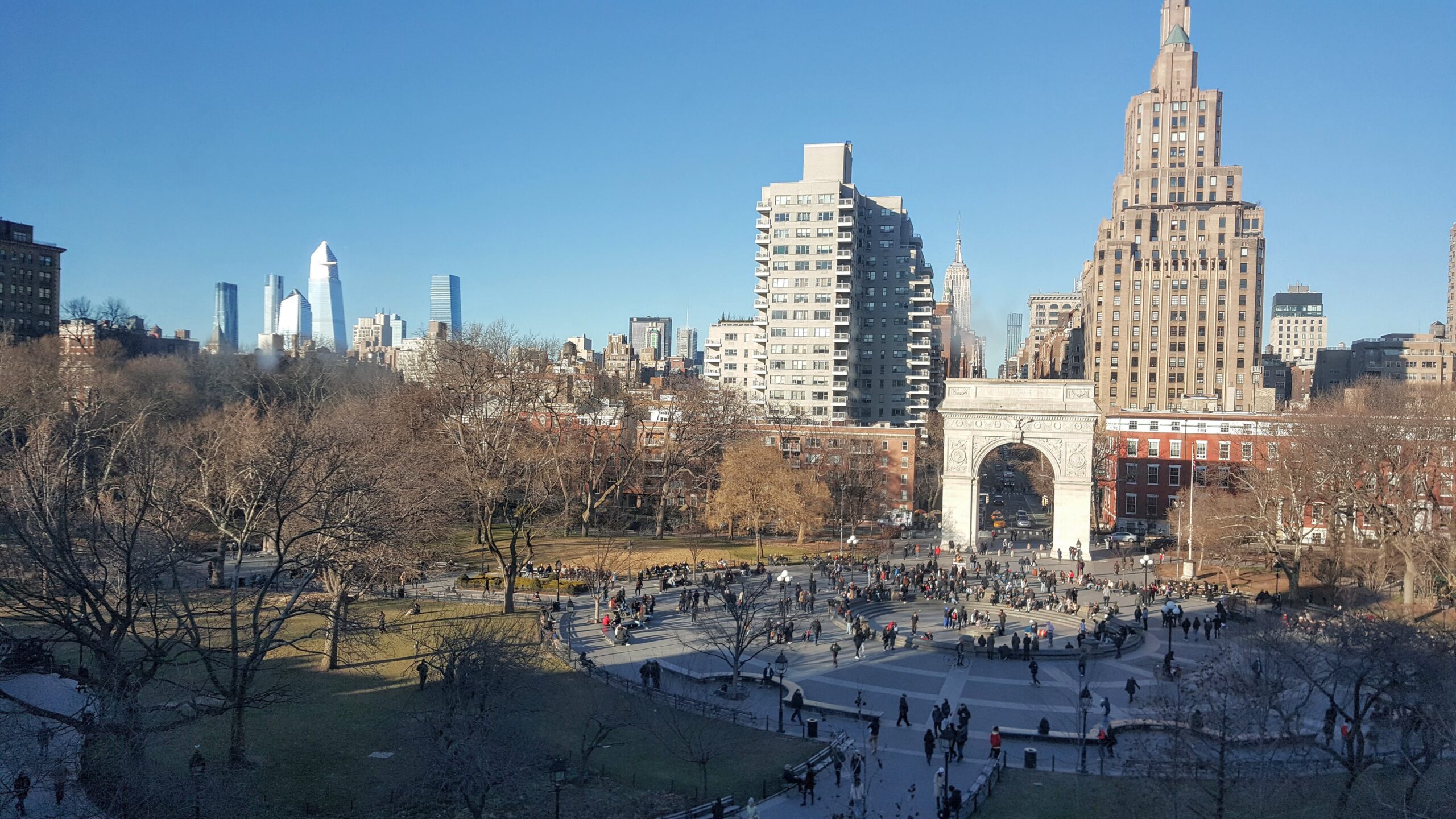
Bob Dylan’s first New York shows were on Bleecker Street. The Beat poets lived a short walk from where you’d be standing. NYU runs through the whole neighborhood and keeps the energy alive in a way older neighborhoods often don’t manage. Washington Square Park is the Village’s living room, chess players, street musicians, students arguing about things that actually matter to them, the occasional very heated debate at full volume. For any teenager who’s ever felt like they didn’t quite fit the expected mold, this neighborhood does something specific. Go with no tight schedule and let it work.
Free Things to Do in NYC for Teens
Teachers always ask this before building a group itinerary: can we do something real on a school budget? Yes, consistently. New York has more high-quality free things to do in NYC for teens than anywhere else we’ve worked.
The free experiences that actually earn a place on an itinerary:
- Brooklyn Bridge Walk, Free, 30 minutes, skyline views at eye level that no paid deck matches
- The High Line, Free to enter, rotating art installations, good for photography in any season
- Central Park, 843 acres, street performers, lakes, film locations, no admission ever
- SummerStage, Free live music and performances June through September, serious lineups
- Staten Island Ferry, Free 25-minute ride with full skyline and Statue of Liberty views, runs day and night
- Roosevelt Island Tramway, 4 minutes in the air over the East River for a MetroCard swipe; teens consistently call it one of the highlights of the whole trip, which tells you a lot about the gap between expensive and memorable
- Chelsea gallery openings, Free Thursday evenings, no reservation, actual world-class art
- Washington Square Park, Free, all day, some of the best people-watching in the city
The Tramway. Sixty-first Street in Manhattan, cable car, four minutes over the East River to Roosevelt Island and back. Most teenagers have never heard of it. It feels like something they found, not something a guide sent them to. That feeling is worth more than you’d expect.
Planning a Specialty Arts School Trip
Here’s the question teachers actually ask before booking: is a custom itinerary worth it, or can you use a guide like this and figure it out yourself?
After eleven years at EE Tours, honest answer: depends on what you want students to leave with. A general guide gets you to the right neighborhoods. A custom itinerary connects each experience to what the group is actually studying. Those produce different trips. One’s a good time. The other’s something they’re still talking about in October.
The questions that come up most:
“Is this more expensive than a standard package?” Often not. We’re not filling a bus to the same five landmarks. The day gets built around your program, which usually means cutting expensive tourist infrastructure and spending that budget on access that actually matters. Backstage theater. Working kitchen time. Gallery appointments instead of general admission.
“How far ahead do we need to book?” Three to six months for fall and winter trips. Backstage visits, professional kitchen access, gallery appointments, none of that gets arranged two weeks out.
“What if the group has mixed interests?” That’s normal. A morning in the Garment District for the fashion students, an afternoon in Hell’s Kitchen for the theater students, dinner in the West Village for everyone. A good day holds more than one focus.
“Will we always talk to the same person?” Yes. Not because it’s a selling point. Just because that’s how a small company works. Teachers who’ve dealt with large operators notice the difference immediately.
Costs, Seasons, What to Skip
When to come: Fall is the most underused season for group travel here. September through November means full Broadway, strong museum programming, comfortable weather, crowds that are nowhere near summer levels. Winter (January through March) means cheaper hotels and barely any tourist congestion. Spring books up fast. Summer is hot, expensive, packed. If summer’s the only option, outdoors in the morning, museums in the afternoon.
What things cost:
- Broadway: $80 to $200-plus full price; TDF student discounts and rush tickets drop this to $30 to $60
- SUMMIT One Vanderbilt: $45 to $55
- The Edge at Hudson Yards: $36 to $50
- Sloomoo Institute: $38 to $44
- The Beast Speedboat: $32 to $39
- MoMA: ~$30 adults; under 16 free
- The Met: pay-what-you-wish for NY residents; ~$30 out-of-state
What to skip:
- Times Square as an actual destination. Walk through, take a photo, leave. There’s no version of spending real time there that helps the trip.
- The Rockefeller Center ice rink at peak season. The queue and the price are both brutal. Bryant Park’s rink is bigger, cheaper, and a 10th of the crowd.
- Any restaurant with someone outside trying to hand you a menu. One more block. Every time.
Some of them come in skeptical. They’ve been on school trips before. They’ve seen cities. Then somewhere in the middle of the week the city gets one of them. A gallery in Chelsea. A bowl of noodles in Flushing they’d never tasted before. The Brooklyn Bridge at 9am when the river’s still quiet. And they realize some places actually live up to what people say about them.
What do you want your students to carry home that no classroom could have given them? Start there. Then visit eetoursinc.com or browse the Educational and Arts Tours page. We’ll build around your program, not someone else’s template.