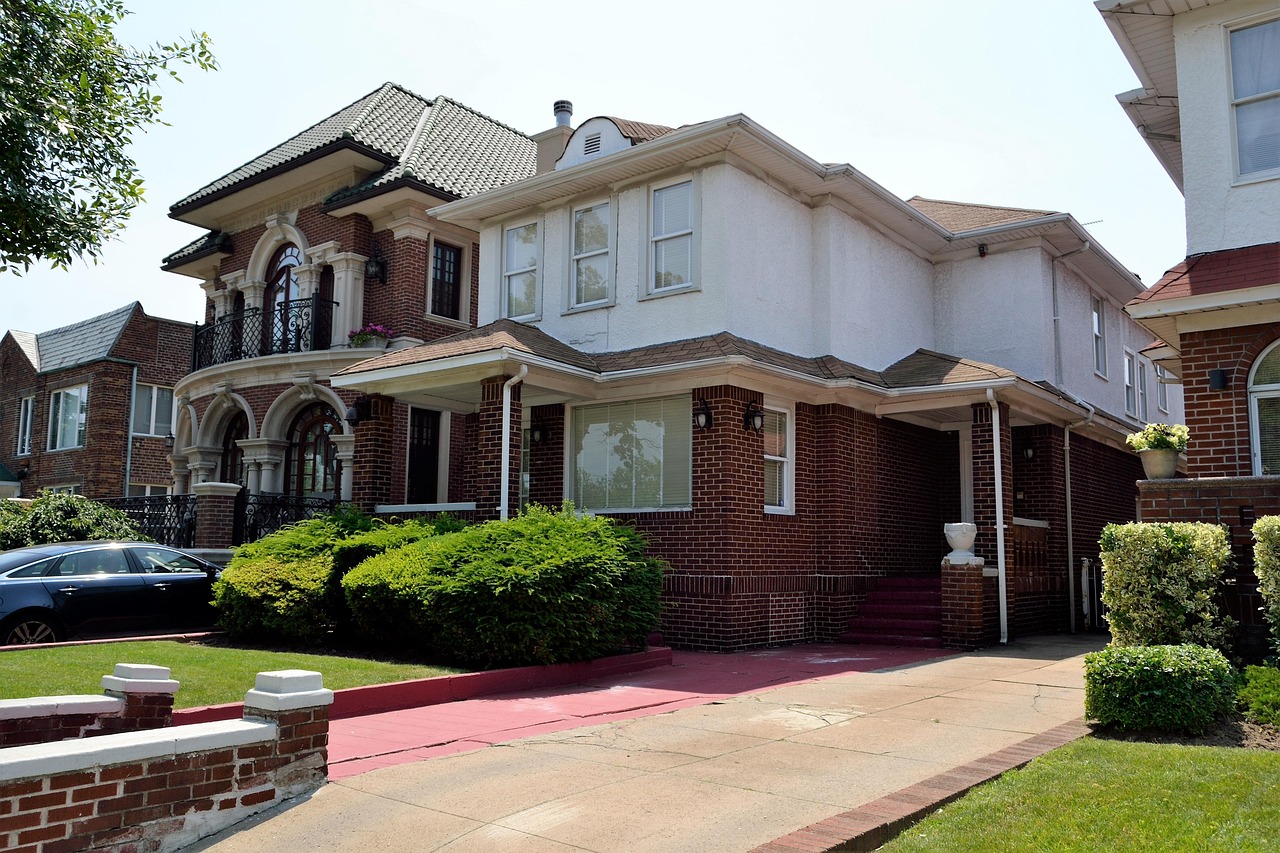
Times Square is fine for about eleven minutes. Then the costumed Elmos start circling and you realize you have spent $22 on a bottle of water. That is not New York. That is New York’s waiting room.
The actual city is in the neighborhoods and not the ones that end up on every “top ten” list written by someone who flew in for a weekend. We have been taking specialty groups through this city for over eleven years at EE Tours, and the best trips we have ever run had almost nothing to do with landmarks. They had everything to do with knowing exactly which corner of which neighborhood to stand on, and why.
The best New York trips aren’t built around hotel locations. They are built around what you actually want to experience. Food lovers won’t spend the day the same way theater fans will. Art enthusiasts will explore different streets than architecture buffs. That is why this guide is organized by interest, helping you find the neighborhoods that match the kind of New York you want to discover.
Why the Neighborhood You Pick Matters More Than the Hotel You Book
Here is something worth saying upfront: New York is not one place. It is more like fifteen different cities that happen to share a subway system. Walk twenty blocks in almost any direction and you will cross invisible lines between worlds — the cobblestone calm of the West Village into the market chaos of the Meatpacking District, or the gallery-white silence of Chelsea into the noise and history of Hell’s Kitchen. Each neighborhood has its own rhythm. Its own kind of people. Its own things worth knowing.
First-time visitors usually anchor in Midtown because that is where the familiar things are. Totally understandable. But real New Yorkers treat Midtown the way most of us treat the airport — a place you pass through on the way somewhere better. The neighborhoods are where the city actually happens, which is exactly why they are where your group’s best learning, eating, seeing, and experiencing will happen too.
How We Put This List Together
We did not sit down and Google “best NYC neighborhoods.” We pulled this from 30 years of building custom itineraries for specialty groups such as theater teachers from Ohio, culinary arts programs from Texas, fashion students from California who showed up expecting runway glamour and got something better. Every neighborhood on this list has been walked by us and recommended to a real group for a real reason. The selection criteria are pretty simple: does it go deep on a specific interest? Can a group actually get there without a logistics headache? And does it offer something that no other city in the country can replicate?
Those are the questions. Here are the answers.
Best NYC Neighborhoods for: The Arts – Theater, Music, and Visual Art
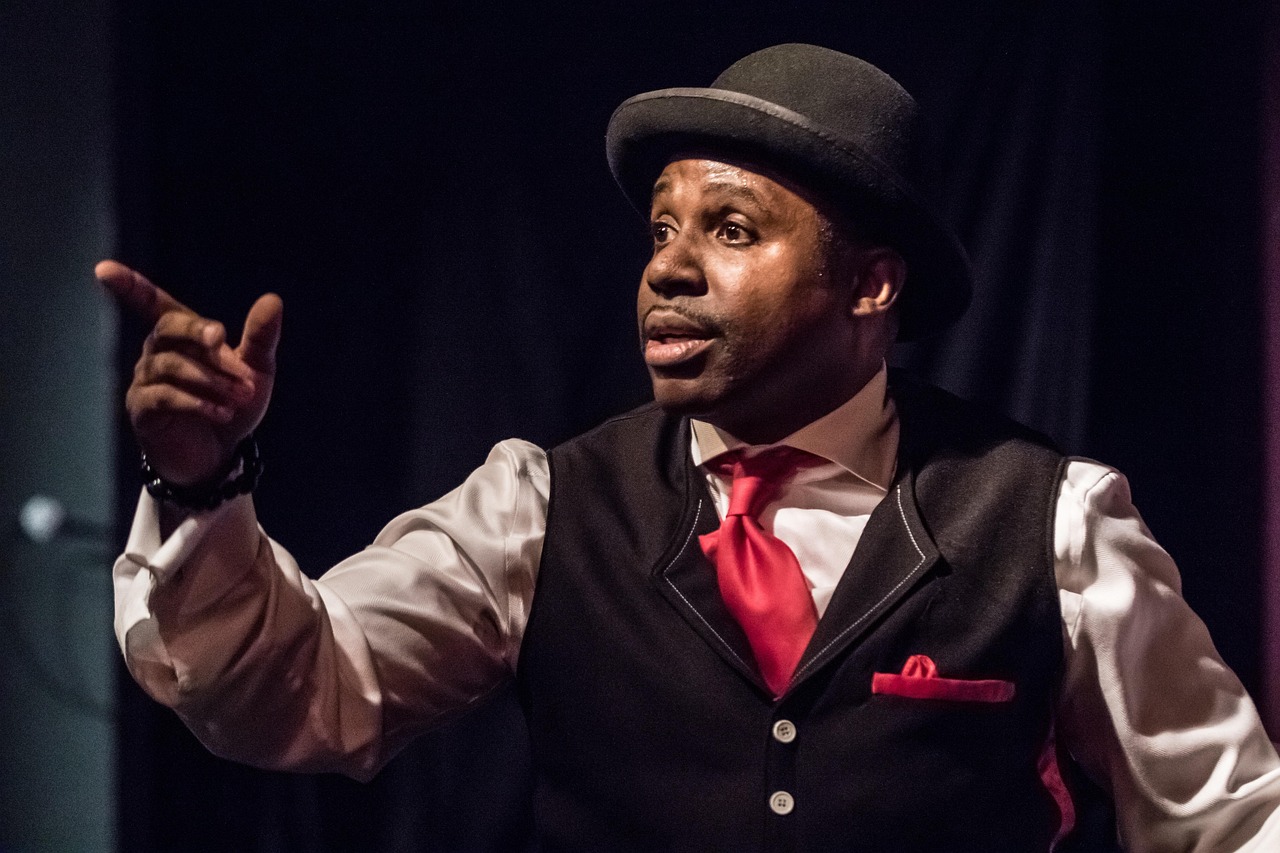
1. Hell’s Kitchen: Where Theater Actually Lives
Please include photos of each of these neighbourhoods
People think Broadway is the theater district. And sure, technically that is where the stages are. But the neighborhood where theater people actually live, eat, argue about Sondheim, and run lines over cheap wine? That is Hell’s Kitchen, and it runs from 34th to 59th Street on the west side of Manhattan.
Walk 9th or 10th Avenue on any weekday and you are surrounded by working actors between callbacks, voice coaches heading to afternoon lessons, and casting directors ducking into the Thai place on the corner. Restaurant Row on 46th Street has been feeding theater professionals for decades. It is not a tourist attraction. It is just where they eat. That is the difference between visiting a neighborhood and experiencing one.
When we bring performing arts groups here through EE Tours, the most common reaction from our groups is not excitement about a specific spot. It is the quiet recognition that this is a place where people actually do the thing they want to do with their lives. That is hard to manufacture. Hell’s Kitchen does not have to try.
It also happens to have cuisine from about fifteen different countries within a few blocks, and it is one of the cheaper parts of Manhattan to stay in. Both of those things matter when you are booking for a group.
2. Chelsea: Over 200 Galleries and Nobody Is Charging Admission
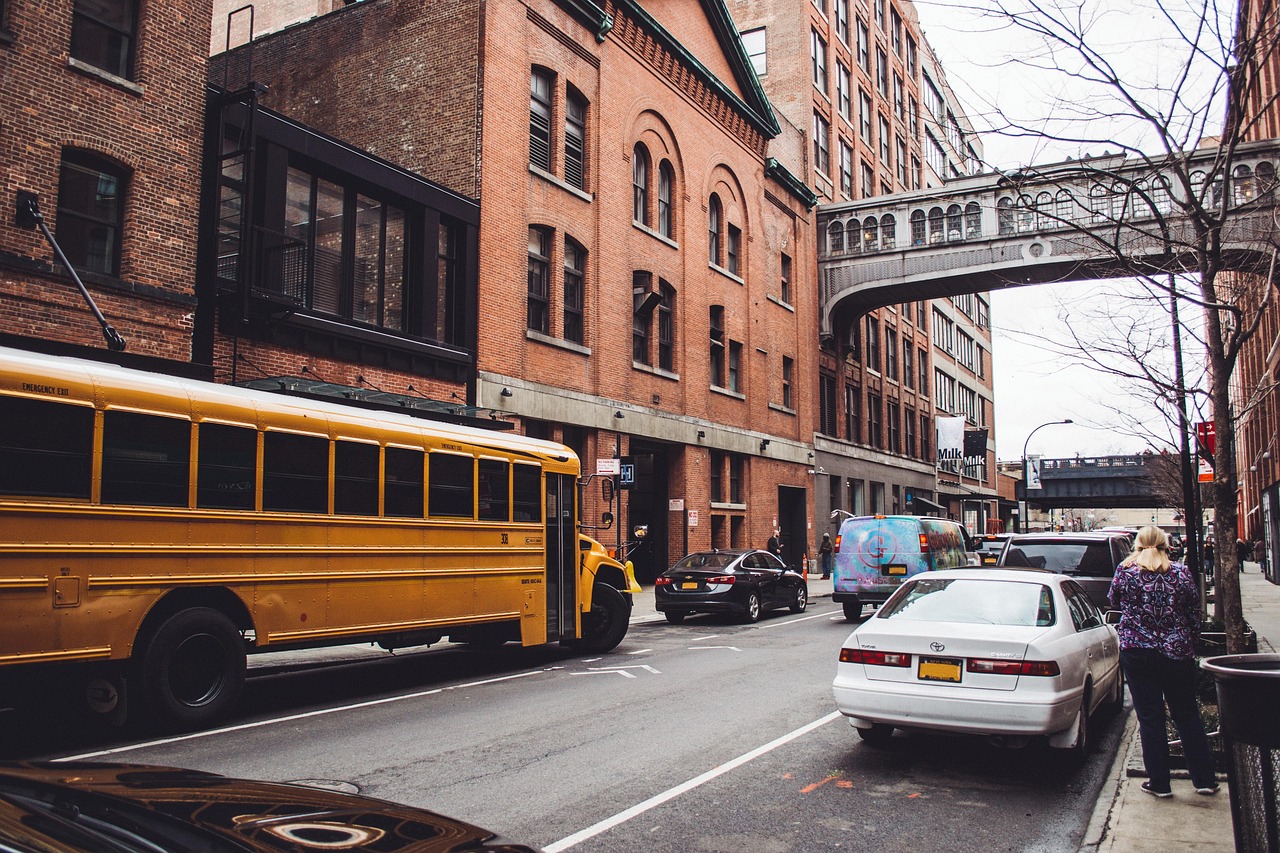
Chelsea is where contemporary art in New York lives, and it is genuinely one of the most underused educational resources in the city. Over 200 galleries sit between 20th and 29th Streets near the Hudson River, and most of them are free. Not “free with a suggested donation” free. Actually free. Walk in off the street, look at work that belongs in museums, walk out. Thursday evening openings are especially good: wine, conversation, and current work from artists who are actually alive and working.
The High Line runs right through the neighborhood on the elevated freight rail line that was converted into a park about fifteen years ago. Public art installations change seasonally. Chelsea Market, which occupies the old National Biscuit Company factory, handles lunch. And if your group has any interest in large-scale performance or installation work, The Shed at Hudson Yards is worth at least a few hours.
An honest Chelsea day looks like this: arrive at the High Line at Gansevoort Street around 10am, walk north through the galleries, eat at Chelsea Market around noon, and spend the afternoon in whatever gallery most surprised you. You will be tired in the best way by 4pm.
3. Harlem: Stop Treating This Like a Day Trip Detour
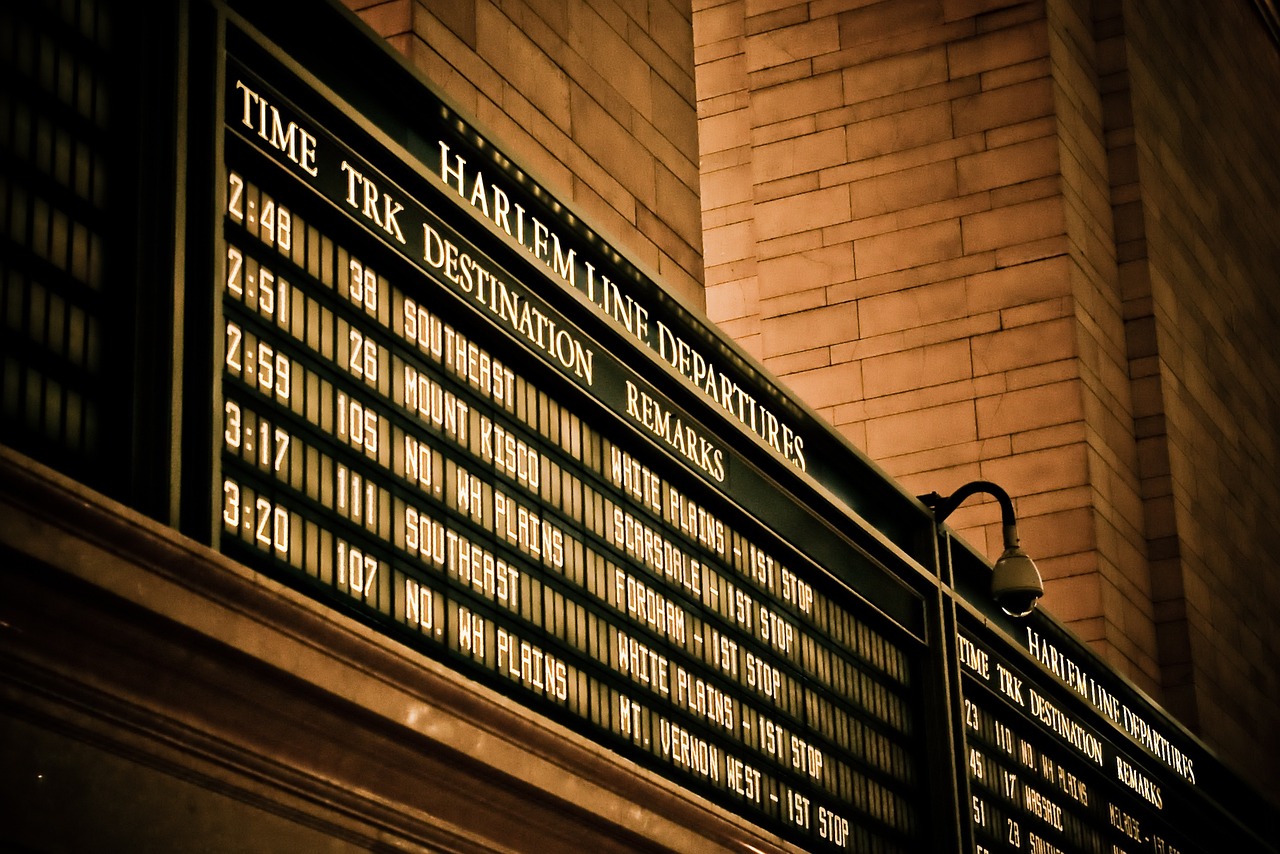
Harlem gets treated as an add-on by too many group itineraries. A quick stop at the Apollo, a soul food lunch, then back downtown. That is a waste. This neighborhood is one of the most culturally significant places in the entire country, and it rewards visitors who actually slow down.
The Apollo Theater on 125th Street ran Amateur Night starting in 1934. Ella Fitzgerald won it. Billie Holiday performed there. Stevie Wonder, the Jackson 5, James Brown. The building is still operating, still hosting live shows, and the history inside its walls is not museum history. It is living history unfolding on a working stage, giving music lovers and curious travelers a deeper appreciation of America’s rich performance culture.
The brownstone architecture lining the side streets is from the early 1900s and much of it is intact. Gospel music on Sunday mornings at churches like Abyssinian Baptist can stop a room cold. The food — proper soul food, not the Instagram version — takes hours to make and arrives like someone actually cared about your meal. Harlem is not optional for arts groups. It belongs at the center of the trip.
Best NYC Neighborhoods for: Food Lovers and Culinary Explorers
4. Flushing, Queens: The Argument for Leaving Manhattan
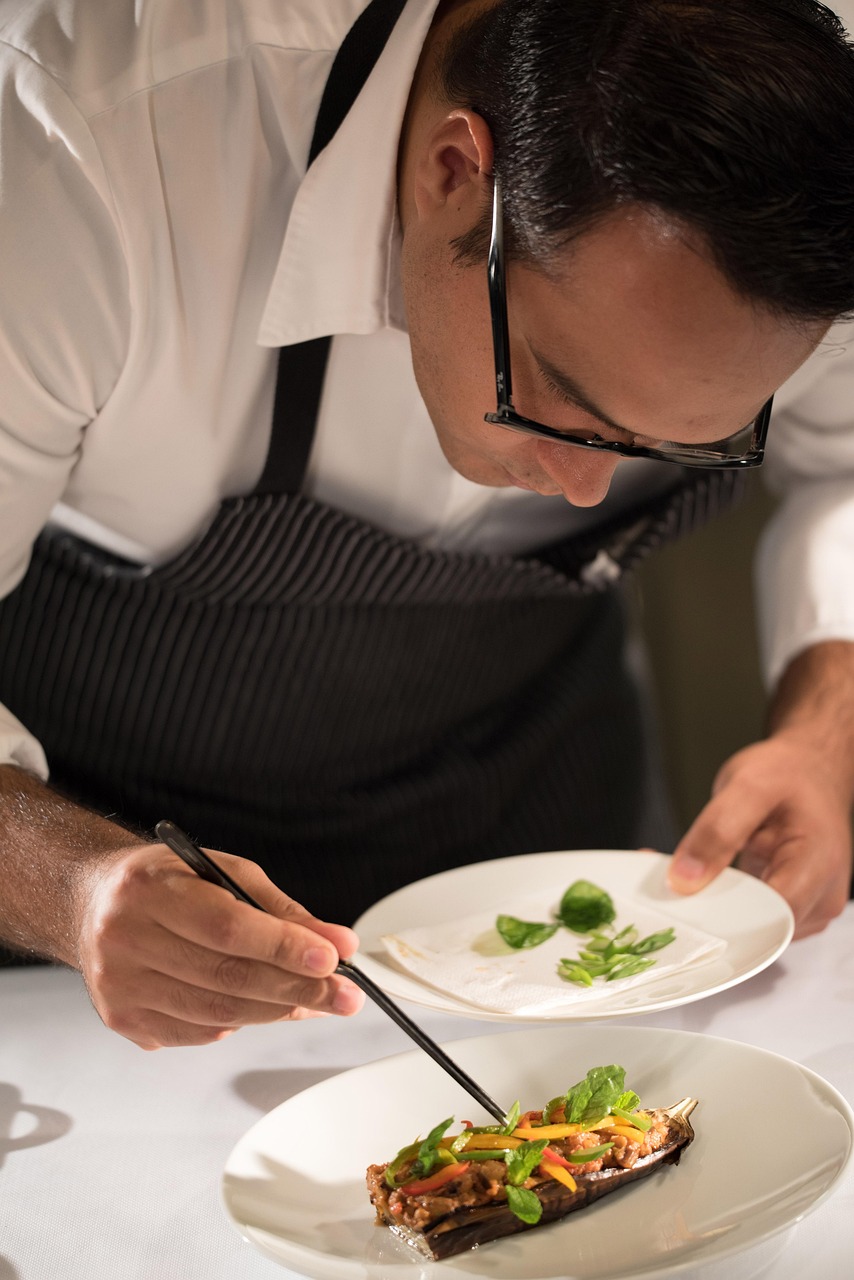
Most culinary group trips stay in Manhattan. That is a mistake that Flushing will immediately correct. This neighborhood in Queens holds one of the largest Chinese communities outside of mainland China, and the food is not the adapted, Americanized version — it is the real thing.
The underground food courts at New World Mall are the place to start. Stalls selling hand-pulled noodles, Sichuan cold sesame dishes, Taiwanese scallion pancakes, soup dumplings made to order. The variety in one food court is more comprehensive than most entire restaurant guides to Manhattan. Prices are honest. Nobody is charging you for the neighborhood.
A great way to experience Flushing is to order a dish you have never tried before, then learn where it originated and how it became part of Queens’ food scene. Every meal tells a story of immigration, local communities, and cultural exchange. You’ll leave with a deeper appreciation of New York’s culinary diversity than any guidebook could offer.
Things worth ordering while you are there:
- Soup dumplings (xiao long bao) — find a stall making them by hand, not reheating from frozen
- Beef noodle soup from a Sichuan stall, ideally with the chili oil on the side until you know how much you can handle
- Scallion pancakes off a cast iron griddle on the street, eaten immediately
5. Astoria, Queens — The Neighborhood That Does Not Need to Prove Anything

Astoria is genuinely underrated and seems happy about it. The Greek community here is one of the largest outside of Greece, and the Middle Eastern, Brazilian, and Eastern European populations that have grown alongside it have turned this neighborhood into one of the most diverse and interesting food destinations in the five boroughs. Without any of the prices that come with being in Brooklyn.
Sweet Afton on 36th Street is a craft cocktail bar that would get written up in every magazine if it were in Williamsburg. It is in Astoria, so it just operates quietly and stays consistently excellent. The Museum of the Moving Image covers film, TV, and digital media history in a way that surprises most visitors — the Jim Henson exhibition alone is worth the trip out. For culinary programs or world cultures classes, this neighborhood is the kind of place where you can spend a full day and leave genuinely more educated about how food and community actually relate.
6. Lower East Side: Where New York’s Immigrant History Still Has a Pulse
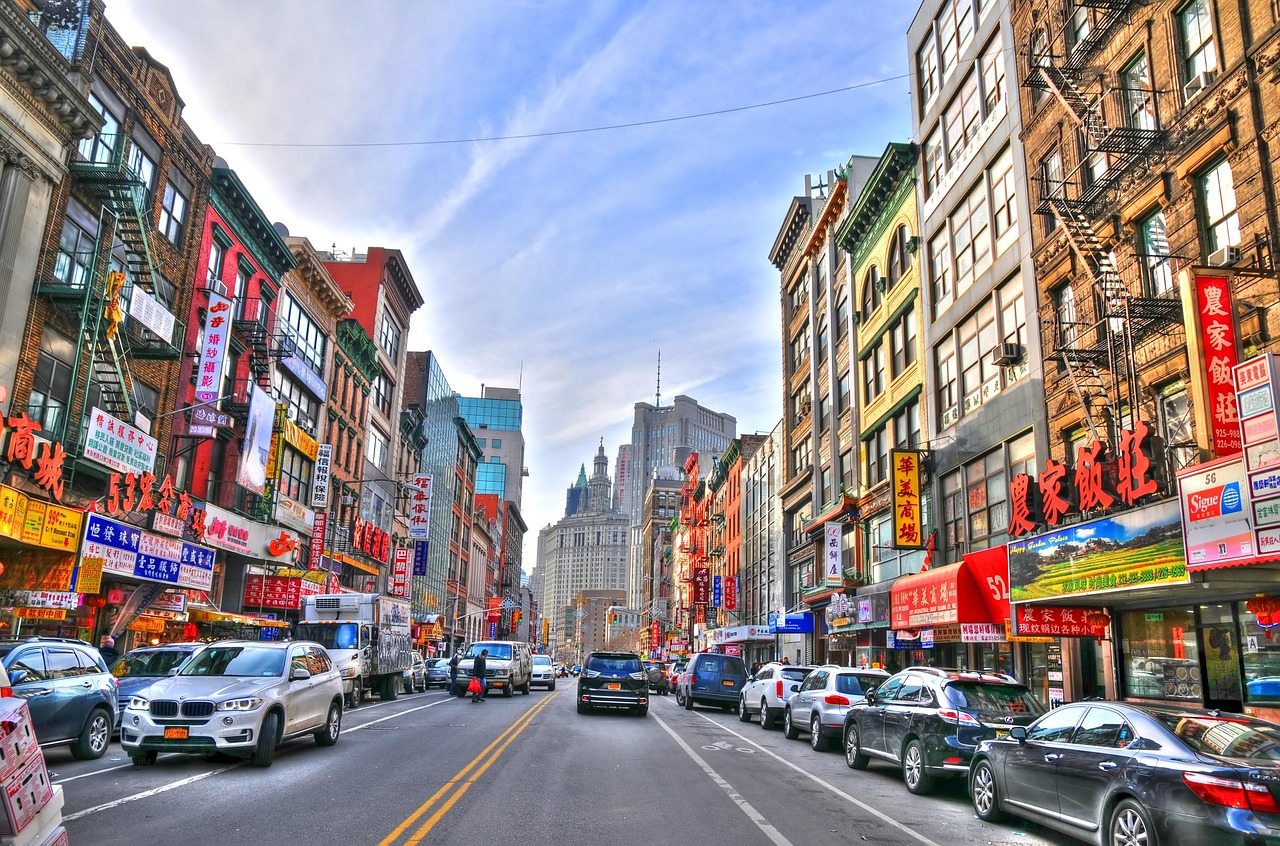
The Lower East Side spent over a century absorbing wave after wave of immigrants — Jewish, Chinese, Puerto Rican, Dominican — and the food scene still carries all of it. Russ & Daughters has been selling smoked fish and hand-rolled bagels since 1914. It still has a line out the door, which tells you everything you need to know about what it means to do one thing right for a very long time.
The neighborhood also has some of the most interesting new restaurants in the city, which creates a useful tension. Old pickle shops next to natural wine bars. Knish counters next to small plates menus that change weekly. Walking through the Lower East Side reveals how New York’s food culture has evolved over generations, blending long-standing traditions with fresh ideas without losing its character.
Best NYC Neighborhoods for: Fashion and Design
7. SoHo: A Semester of Retail Design on One Street
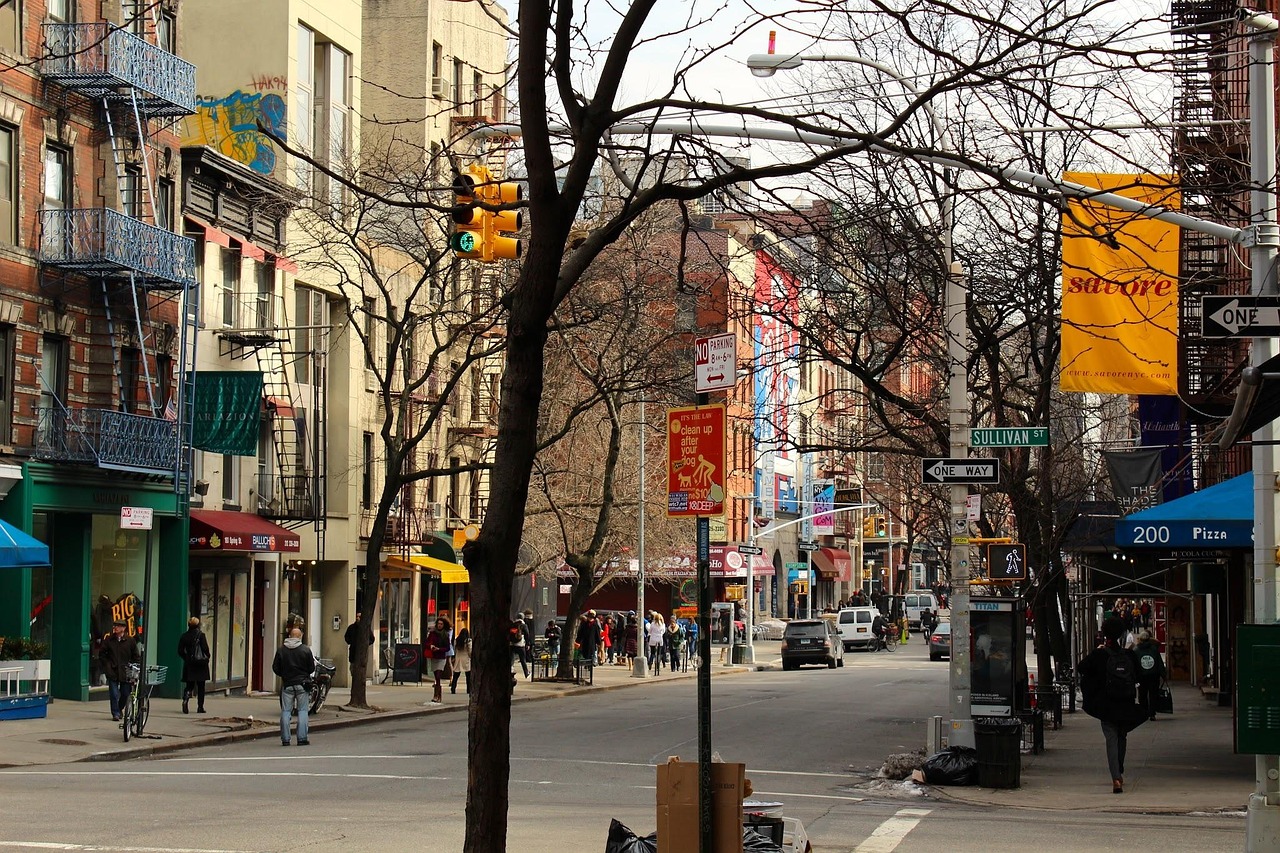
SoHo stands for South of Houston, and it earned its reputation. The cast iron architecture from the 1800s, the cobblestone streets, the way the natural light hits the storefronts in the afternoon — none of it was designed for Instagram. It was designed for manufacturing. The aesthetic is an accident of history that fashion and design co-opted, and the result is a neighborhood that teaches visual language just by existing.
The storefronts run from emerging independent designers to flagship luxury brands, and the way each one uses window display, spatial design, and brand identity is a live case study in retail merchandising. A half-day here for fashion enthusiasts is worth more than a textbook chapter. Give them a specific assignment — document three different approaches to window display, or find one brand whose physical store tells a story their website does not — and watch what they bring back.
8. Nolita: Small, Specific, and Worth Finding
Nolita (North of Little Italy) does not show off. It is six or seven blocks of independent boutiques, good coffee, and brunch spots with lines that form before they open. The designers selling out of these storefronts operate on taste, not volume. The neighborhood is close enough to SoHo that most people walk straight through it on the way to somewhere else, which is exactly why the people who discover it tend to return.
If you are wondering about the best NYC neighborhoods to live in, Nolita comes up in conversations with people who want the downtown energy without the crowds SoHo pulls on weekends. Carroll Gardens, Cobble Hill, and Greenpoint come up in those same conversations, for what it is worth.
9. Garment District: The Part of Fashion Nobody Photographs
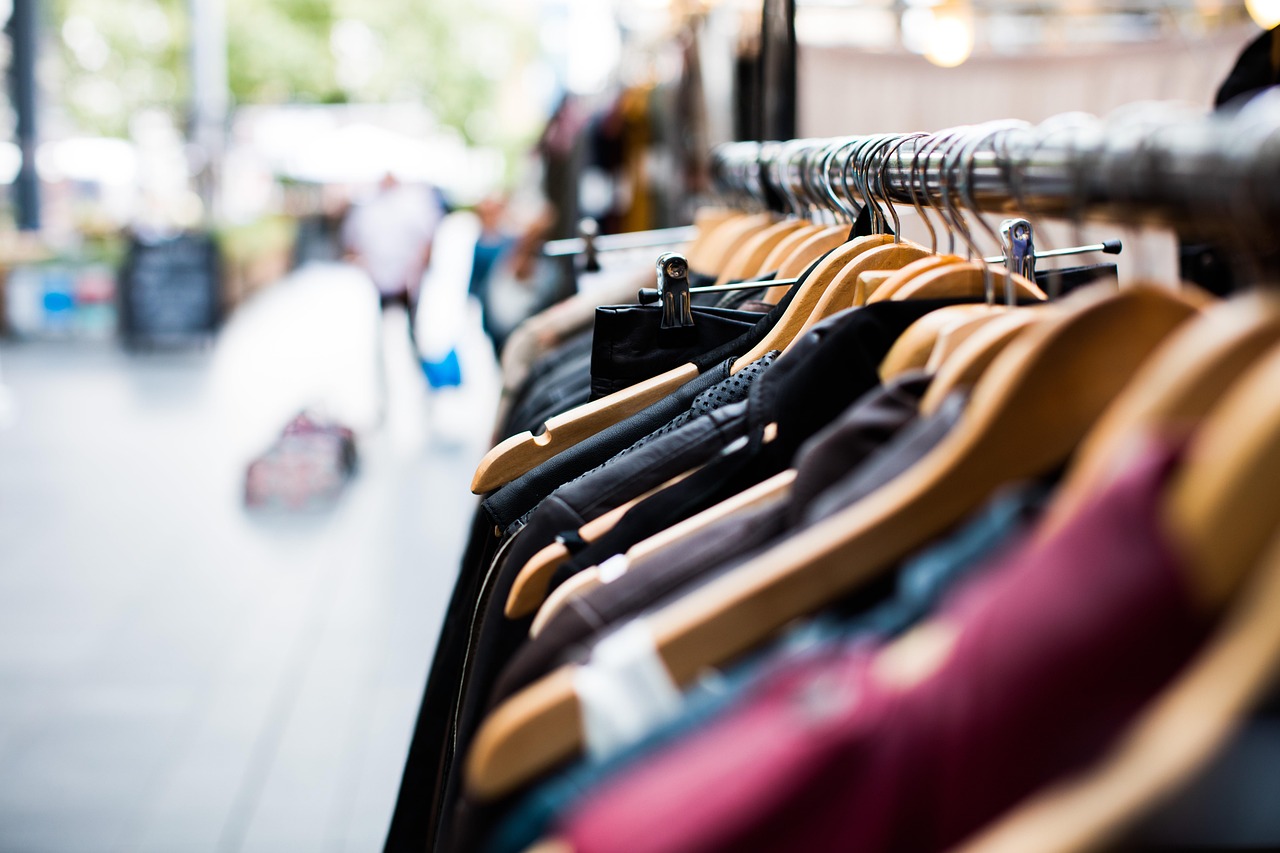
Fashion tours almost always skip the Garment District. We think that is backwards. This stretch of Midtown Manhattan, roughly 34th to 42nd between 7th and 9th Avenues, is where the actual supply chain of American fashion has operated for over a hundred years. Fabric suppliers, button and zipper wholesalers, pattern makers, sample rooms, small production houses. The unglamorous backstage of an industry that gets celebrated on runways and magazine covers.
For fashion lovers who want to understand the full picture, not just what something looks like when it is finished, but the decisions, compromises, and economics that shaped it before it got there, this neighborhood teaches what SoHo cannot. The two work well together as a full-day pairing: start in the Garment District to understand the industry, end in SoHo to see the results.
Best NYC Neighborhoods for: History, Architecture, and Film
10. Tribeca: Where the Architecture Is Still Standing
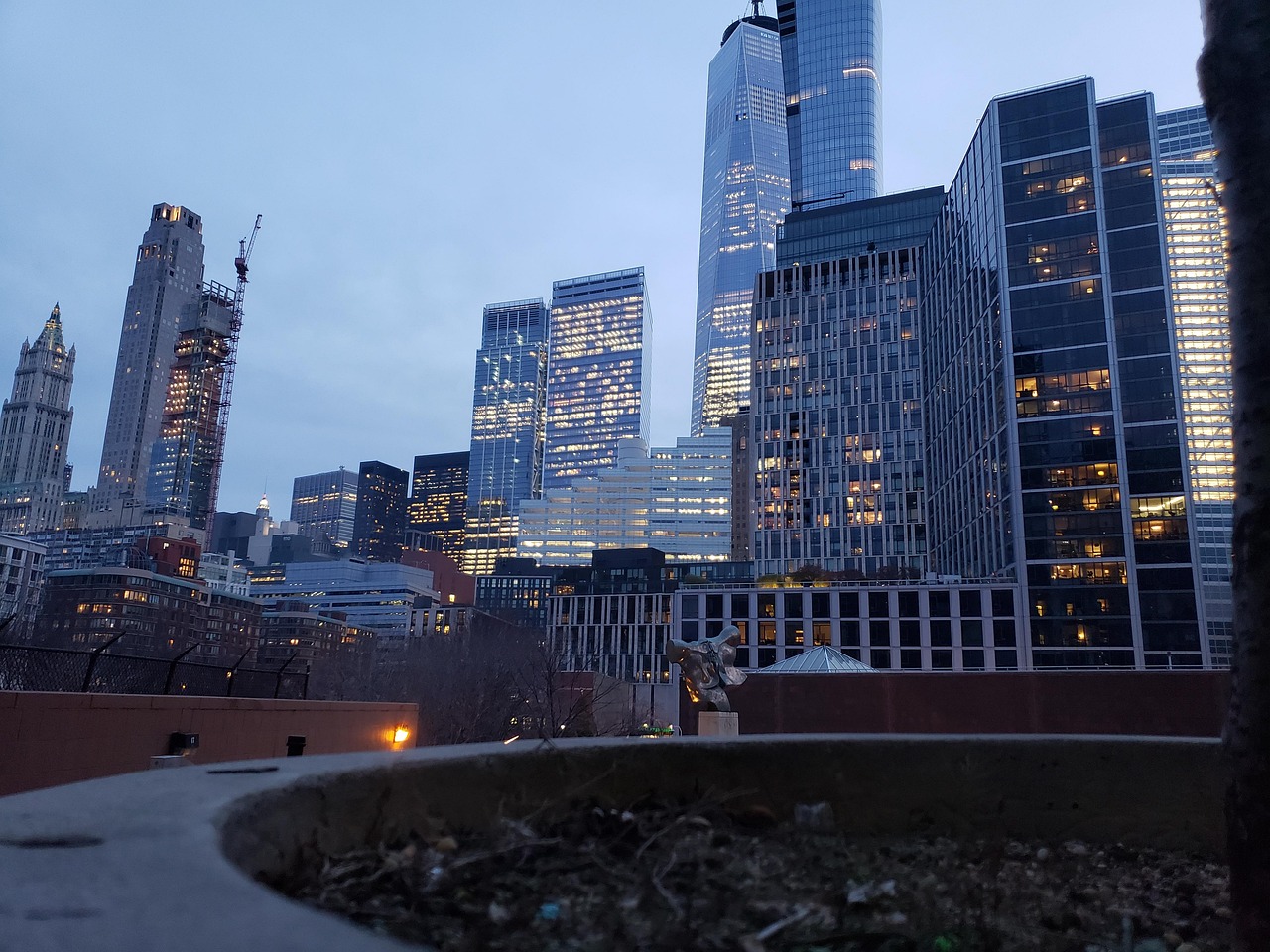
Tribeca (Triangle Below Canal Street) has the most concentrated collection of 19th-century cast iron architecture in the United States outside of SoHo. These buildings were built for industry — printing, manufacturing, warehousing — and the cast iron facades were a cost-effective way to imitate more expensive stone. Most of them survived because they were not worth demolishing. Now they are some of the most coveted real estate in the city.
Harrison Street Row, one block east of Greenwich Street, is a block of Federal-style townhouses from the early 1800s that somehow survived everything — the Civil War, urban renewal, the real estate booms that flattened everything around them. Standing there feels slightly surreal. For architecture programs or history groups, this block alone earns the subway ride.
Robert De Niro helped launch one of the world’s most respected film festivals here, which fit the neighborhood — Tribeca has always had that cinematic, quiet-money energy. Excellent restaurants, almost no foot traffic compared to SoHo three blocks north, and the kind of streets that make people stop and actually look up.
11. DUMBO, Brooklyn: Built for the Camera
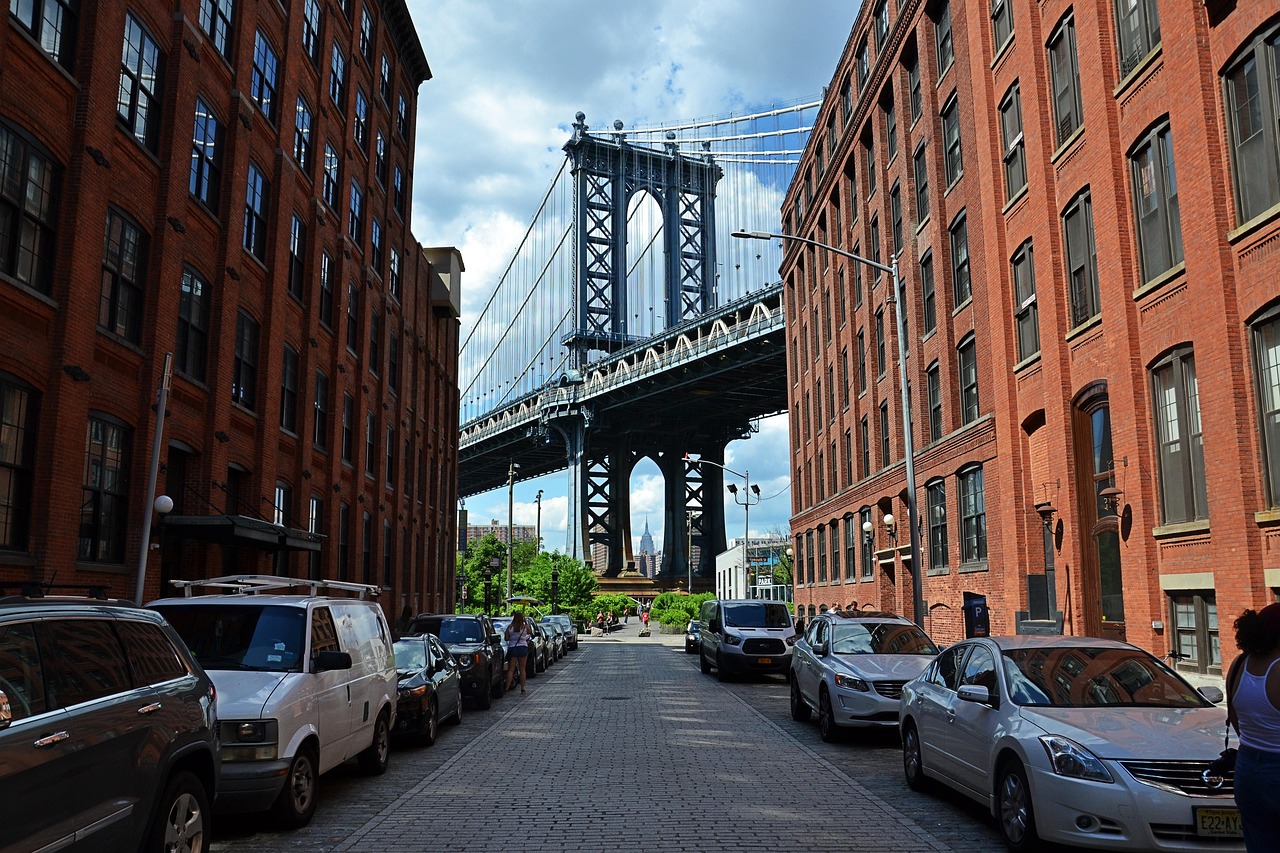
The gap between the Manhattan and Brooklyn Bridges on Washington Street in DUMBO is one of those rare New York shots that genuinely earns its reputation. It appears in films, in advertisements, on the covers of things. It is also just a nice street to stand on, which is easy to forget when something gets that famous.
Beyond the photograph, DUMBO has contemporary galleries, tech companies operating out of converted warehouses, and waterfront access that gives you some of the best views of the East River and both bridges from any ground-level vantage point in the city. Jane’s Carousel — a fully restored 1922 merry-go-round operating inside a glass pavilion on the water — is one of those details that makes you realize how seriously this neighborhood takes its own history. For photography, film studies, or architecture groups, a half-day in DUMBO is never wasted.
12. Greenwich Village: The Primary Source
The Village has been the home of bohemian New York for over a century. Bob Dylan played his first New York shows on Bleecker Street. Allen Ginsberg wrote in apartments a short walk from Washington Square Park. The folk revival, the Beat poets, the early gay rights movement — enormous chapters of American cultural history happened in about a square mile of this neighborhood.
NYU runs through it now, which keeps the intellectual energy alive and loud. Washington Square Park still functions as the neighborhood’s public living room — chess players, street musicians, students sprawled on the grass, the occasional heated philosophical debate happening at high volume. For writing programs, cultural studies, or any group interested in how American creative culture actually developed, Greenwich Village is not a tourist stop. It is the primary source material.
Best NYC Neighborhoods in Brooklyn and Queens That Are Often Skipped
This needs to be said plainly: treating Manhattan as “New York City” and everything else as optional is the single most common mistake visitors make. Brooklyn and Queens together hold millions of people, most of the city’s cultural diversity, and some of its best neighborhoods. They also tend to be cheaper, less crowded, and more willing to let you have a good time without charging accordingly.
13. Williamsburg is what happens when creative people get priced out of Manhattan and decide to build something better. For about two decades it has been Brooklyn’s most recognizable neighborhood, and while the rents have climbed considerably, the energy is still there — Smorgasburg on weekends along the waterfront, excellent music venues, independent shops that are not chains, and a view of the Manhattan
skyline at sunset that competes with anything you can see from inside Manhattan.
14. Greenpoint sits at the northern tip of Brooklyn with strong Polish roots and a quieter creative scene than its neighbor to the south. Ceramics studios, independent bookstores, small-batch coffee roasters, vintage shops that have not been staged for tourists. It feels like a neighborhood people actually chose, which is a quality that is harder to find than it sounds.
15. The Upper West Side does not need to be discovered — it has been one of the city’s great residential neighborhoods for decades. Lincoln Center anchors the south end. The American Museum of Natural History anchors the north. Riverside Park runs along the Hudson in between. For performing arts groups focused on classical music, opera, or ballet, spending time here connects the academic study of those disciplines to where they actually live in this city.
Want to build a trip that actually fits your program? Visit eetoursinc.com or check out the Adult Group Tours page and let’s figure out where your group belongs.
FAQs
1. Which NYC neighborhood is safest for a group?
The West Village, Chelsea, SoHo, Hell’s Kitchen, the Upper West Side, and Midtown are all well-traveled and safe for groups. DUMBO, Williamsburg, and Brooklyn Heights are equally fine. As with any city, late nights in unfamiliar areas require common sense. The neighborhoods in this guide are well-lit, well-populated, and well-suited for group travel.
2. What is the best NYC neighborhood for a group visiting for the first time?
Flatiron or the West Village for general first-timers. Both are central, walkable, full of good restaurants, and feel genuinely like New York without the sensory overload of Midtown. For specialty groups, the answer is whichever neighborhood best matches the program focus — and that is a conversation worth having before you book anything.
3. Which neighborhood has the best food?
Depends what you are eating. For sheer global variety, Flushing wins and it is not close. For high-end dining, the West Village and Tribeca are consistent. For food history and diversity, the Lower East Side. For a single afternoon of eating everything in sight, go to Flushing, bring cash, and do not eat breakfast first.
4. Is Brooklyn worth visiting or is it overhyped?
DUMBO, Williamsburg, Greenpoint, and Park Slope are genuinely worth visiting. They are less crowded than Manhattan, often cheaper to eat in, and feel more like places where real people live. For specialty groups, the outer boroughs frequently offer better access to the actual subject matter — culinary programs especially have no reason to stay in Manhattan the whole time.
5. How many neighborhoods can we realistically visit in one day?
Two, done properly. Three if they are close together and you eat well and move efficiently. Five neighborhoods in a day means 45 minutes per neighborhood, which means you saw five things from the outside and understood none of them. Slow down. The city rewards it.
6. Which neighborhood is best for arts education groups specifically?
Hell’s Kitchen for theater. Chelsea for visual arts. Harlem for music and cultural history. Greenwich Village for writing and American cultural history. If your program spans more than one discipline, Chelsea and the West Village cover enough ground between them to make a full and genuinely educational day.
7. What are the neighborhoods to watch in the next few years?
Ridgewood and Sunnyside in Queens are both growing fast in terms of food, arts, and residential interest. Bushwick in Brooklyn is still a strong creative hub. In Manhattan, FiDi (the Financial District) is quietly becoming a real neighborhood with restaurants and arts programming that did not exist there five years ago.