If you’re wondering how to visit NYC for the first time, here’s something nobody tells you.
The city is easier to enjoy when you stop trying to see all of it.
That sounds backwards.
Most people arrive with a long list. Times Square. Central Park. Statue of Liberty. Broadway. Brooklyn Bridge. Museums. Food spots they saved six months ago. Then they spend the whole trip racing from one place to another.
By the last day, they’re tired.
And oddly enough, they often remember less than the people who did half as much.
We’ve seen it happen for years.
At EE Tours, we work with groups focused on theater, music, art, fashion, and culinary experiences. Some arrive with detailed schedules. Others come with a few ideas and an open mind. The second group almost always has more fun.
New York has a way of rewarding people who leave a little room for surprises.
The First Surprise Is How Big Everything Feels
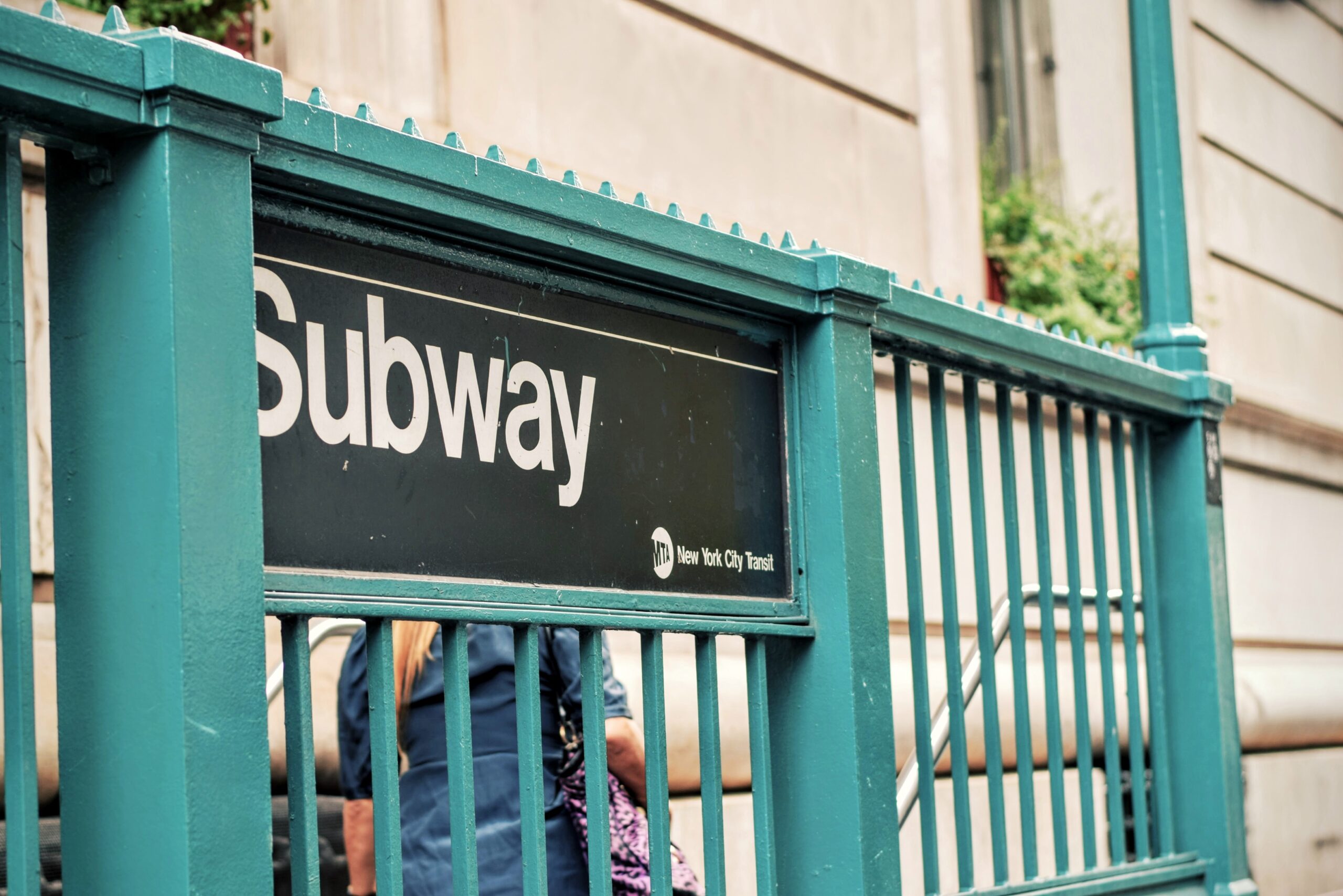
People know New York is large.
Then they get here.
That is when it clicks.
The subway map suddenly looks bigger. The blocks feel longer. The number of things happening around you at the same time feels almost ridiculous.
A first-time visitor might look at a map and think two attractions seem close together. Then they spend forty minutes walking between them. Nobody really understands New York from a screen. You understand it when you’re standing on a busy sidewalk trying to decide whether you need coffee, lunch, or a nap.
Usually all three.
The Mistake Almost Everyone Makes
The biggest mistake is simple.
People plan too much. They schedule every hour. They book attractions back-to-back. They build an itinerary that looks great on paper. Then New York happens.
A museum takes longer than expected. A restaurant turns out to be incredible. Someone wants to spend another hour in Central Park.
A Broadway show runs late. Suddenly the perfect schedule starts falling apart.
That is not a problem. That is the trip.
Some of the best travel memories begin with plans that changed.
Broadway Usually Ends Up Being the Favorite
Every year we meet people who are unsure about Broadway.
They wonder if it is worth the ticket price. They wonder if it will live up to the hype. Then they walk out of the theater. And spend the next two days talking about it. There is something about seeing a show in New York. The audience energy feels different. The performers know exactly where they are.
Even people who rarely attend theater often become fans for one night. For many groups traveling with EE Tours, Broadway ends up becoming the thing everybody remembers.
Not the hotel.
Not the itinerary.
The show.
The Moment New York Starts Feeling Real
It usually happens away from the famous attractions.
Not in Times Square.
Not at the top of an observation deck.
It happens somewhere unexpected.
Maybe you’re sitting on a bench in Washington Square Park. Maybe you’re walking through Greenwich Village without a destination. Maybe you’re eating pizza from a place that doesn’t appear on any travel list. Suddenly the city stops feeling like a tourist destination.
It starts feeling like a place where people actually live.
That is when New York becomes interesting.
Museums Feel Different Here

Even people who don’t usually visit museums often make an exception in New York. The collections are hard to ignore.
You can spend hours inside The Met and still feel like you’ve barely scratched the surface. The same thing happens at MoMA.
And The Whitney. The trick is not trying to see everything. Nobody does.
People often remember one painting. One exhibit. One room.
Years later, that single memory matters more than the dozens of exhibits they rushed through. That is especially true for educators, art groups, and lifelong museum lovers.
One Neighborhood Can Tell You More Than Ten Attractions
Visitors often focus on landmarks.
Locals focus on neighborhoods. That difference matters. Spend a few hours in SoHo and you’ll notice one side of New York.
Walk through Harlem and you discover something completely different. The Upper West Side has its own rhythm.
So does DUMBO. So does the East Village.
You could spend a week exploring neighborhoods and never feel bored. That is one reason many experienced travelers return to New York again and again. There is always another corner worth exploring.
Couples Usually Discover This Pretty Quickly
Many people search for fun activities in NYC for couples.
They expect a list of attractions. The reality is usually much simpler. Some of the best moments happen without much planning.
Walking through Central Park near sunset. Sharing dessert in a tiny restaurant. Watching the skyline from Brooklyn Bridge Park.
Taking a ferry ride just to see the city from the water. The city provides the backdrop. The experience fills in the rest.
Why Groups Travel Differently
Planning a trip for yourself is one thing.
Planning for twenty people is something else entirely. Teachers understand this better than most. You are thinking about schedules. Tickets. Transportation. Communication. Budget. Safety. Attendance. The trip starts feeling like a second job.
That is one reason specialized programs like NYC Adult Group Tours continue growing in popularity. The logistics become easier. The focus shifts back to the experience.
That is where it belongs.
The Advantage of Working With a Smaller Company
One thing group leaders often mention after working with EE Tours is communication.
Or more specifically, consistency. They appreciate speaking with the same person throughout the process. That may not sound exciting. Until you’ve worked with a large company. You call one day and speak with one person. You call again and speak with somebody else.
Then somebody new takes over. Then somebody else.
Eventually nobody seems to know the details of your trip. Smaller companies operate differently. The relationship feels more personal because it actually is.
The Experiences People Talk About Later
Years after a trip, something interesting happens.
People forget details.
They forget hotel room numbers. They forget exact schedules.
Sometimes they forget attraction names. But they remember experiences.
They remember laughing during an interactive challenge like Blackout. They remember the Broadway performance that exceeded expectations. They remember a meal that turned into a two-hour conversation. Those moments stay around. Everything else fades.
New York Looks Different in Fall and Winter
Add a photo(s) of New York during this time of year
Spring gets most of the attention.
It always has. But fall might be the city’s best-kept secret. The weather becomes easier.
The parks change color. The crowds feel different. Then winter arrives. Holiday lights appear. Storefront displays become events. The whole city feels slightly more cinematic. Visitors who only think about spring often miss a version of New York that locals genuinely love.
So How Should You Visit NYC for the First Time?
Probably the same way you would approach any remarkable city.
With curiosity. With a little flexibility.
With enough planning to stay organized and enough freedom to be surprised. You do not need to see everything. You do not need the perfect itinerary.
You definitely do not need to check every landmark off a list. The people who enjoy New York most are usually the people who leave room for the unexpected. Because years from now, the thing you remember probably will not be the attraction itself.
It will be the moment attached to it. And those moments rarely happen according to schedule.
FAQs
1. How many days should I spend in New York on my first visit?
Most first-time visitors find that three to five days gives them enough time to see major attractions, explore a few neighborhoods, enjoy local food, and experience the city without feeling rushed.
2. Is New York City overwhelming for first-time visitors?
It can feel overwhelming at first because there is so much happening at once. Most visitors settle into the rhythm quickly once they stop trying to see everything and focus on a few meaningful experiences.
3. What is the best area to stay in for a first NYC trip?
Midtown Manhattan is a popular choice because it offers easy access to Broadway, major attractions, public transportation, and many of the places first-time visitors want to explore.
4. Is Broadway worth it if I am not a theater fan?
Many people who rarely attend live theater end up loving Broadway. The atmosphere, talent, and energy often make it one of the most memorable parts of a New York trip.