New York City has about 25,000 restaurants. That number sounds exciting until your group of 30 is standing on a Midtown sidewalk arguing about where to eat. A food trip to New York City with a group isn’t just about hunger. It’s about decisions, timing, pacing, and making sure nobody ends up at an Olive Garden three blocks from Chinatown.
Here’s the thing. Group food trips work best when someone already knows the city’s eating rhythms. NYC doesn’t reward guessing. But go in with a plan, and the food alone makes the whole trip worth it. Every borough has a different flavor profile. Every neighborhood has a story behind the dish. That’s the part most groups miss.
This guide covers what to actually expect, start to finish.
Manhattan Isn’t the Only Borough Worth Eating In
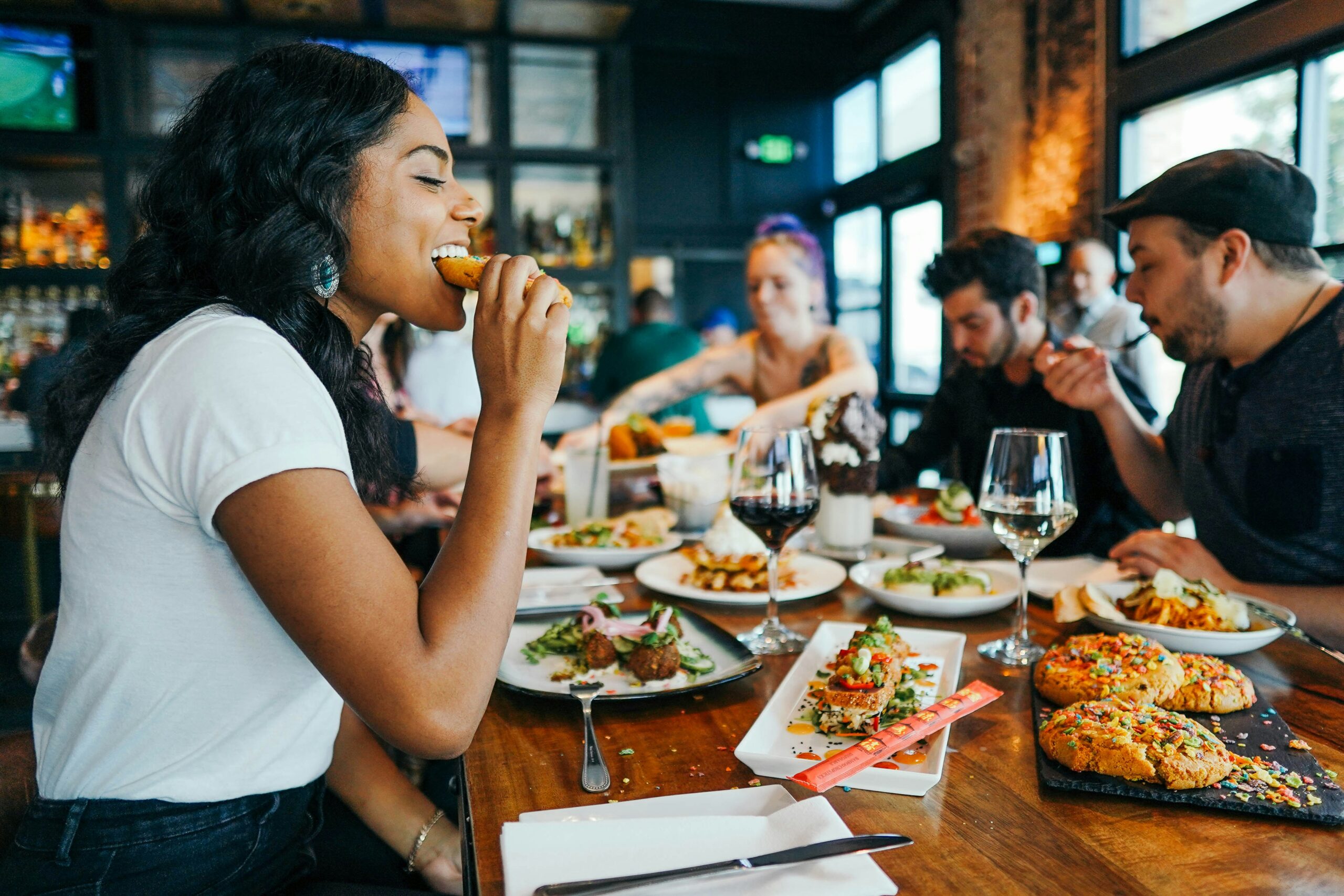
Most groups default to Manhattan. And look, Manhattan delivers. Greenwich Village alone has Italian bakeries, delis, and pizza joints that have been in business for 60-plus years. You’re not going to have a bad meal there. But groups that only stay in Manhattan miss something big.
Queens is where the real variety shows up. Jackson Heights alone covers food from over 160 countries in a single neighborhood. Flushing’s Chinatown is larger than Manhattan’s.
You can eat Tibetan momo, Uruguayan pastries, and Bengali street snacks within a 20-minute walk. That kind of range doesn’t exist anywhere else in the US. Honestly, it barely exists anywhere in the world.
Brooklyn has its own pull. The borough runs from old-school Italian red sauce in Carroll Gardens to trendy tasting stops in Williamsburg to West Indian roti in Crown Heights. For groups that want variety without too much walking, a coach tour through Brooklyn neighborhoods gets the job done cleanly.
Here’s a rough breakdown of what each area does best:
Neighborhood | Best For | Food Type |
Greenwich Village | Classic NYC first-timers | Pizza, Italian pastries, deli |
Chinatown + Little Italy | History + flavor | Dumplings, mochi donuts, cheesecake |
Jackson Heights, Queens | Global variety | South Asian, Latin American, Tibetan |
Flushing, Queens | Asian food lovers | Dim sum, Peking duck, hand-pulled noodles |
Brooklyn (multiple) | Urban food culture | Pizza, Afro-Caribbean, craft food stalls |
Lower East Side | Immigrant food history | Jewish deli, pickles, knishes |
Most group food trips pick one or two of these. Three in a day is doable. Four gets tiring fast.
What Actually Gets Put in Front of You
A guided foodie tour in NYC typically runs two to three hours and hits five to eight stops. Each stop is a tasting, not a full plate. Think half a bagel with lox, two dumplings, a slice of pizza, and a scoop of something. By stop five, the group is full. That’s the design.
What surprises most groups is the storytelling piece. The guide doesn’t just hand over food and walk. They explain why this specific bakery has been here since 1910. They tell you what neighborhood this block used to be 40 years ago. The food and the city’s history run together. It’s actually one of the smarter ways to learn New York.
Some things to expect in terms of food stops:
- Pizza: New York style, thin crust, foldable. Every tour hits at least one solid slice shop.
- Bagels: Fresh, hand-rolled, not the frozen ones. This matters more than people think.
- Dumplings: Whether it’s Chinatown or Jackson Heights, expect something stuffed and hot.
- Cheesecake: New York-style, dense, not the fluffy kind. Junior’s is a famous name.
- Specialty stops: Depend heavily on the neighborhood. Could be knishes, roti, mochi, or empanadas.
Dietary restrictions are worth flagging early. Most tour operators handle gluten sensitivities and vegetarian needs when told in advance. Groups that wait until the first stop to mention it create chaos. Don’t do that.
Logistics That Actually Matter for Groups
Group logistics on a food trip aren’t complicated. But there are a few things that catch people off guard.
Walking is the main format. Most food tours cover 1.5 to 2 miles on foot across two to three hours. That’s not a hike. But it’s not a bus ride either. Groups with older members or anyone with mobility concerns should ask specifically about walking distance before booking. Some operators do coach-based tours for larger groups. That’s worth knowing.
Group size changes the pricing math fast. Twenty people split a flat guide fee and venue booking. Forty people split it further. Per-person cost often drops when group size goes up past 30 or 35. It’s one of the few situations where a bigger group is actually cheaper per head.
Timing on the street matters. NYC sidewalks in Midtown and lower Manhattan are genuinely packed, mostly from 11am to 2pm. Groups that move through food stops during those windows deal with crowds at every turn. Morning starts around 9am or 10am is smoother. Late afternoon pickups from 3pm to 5pm also work well. Avoid the midday peak if the schedule allows it.
A few practical things to tell every person before the trip:
- Eat a light breakfast. Not nothing. Not a full meal. Light.
- Wear shoes made for walking. This sounds obvious. Groups learn it the hard way.
- Bring small bills. Not every stop takes cards, especially older family-run spots.
- Skip coffee before the tour. Some stops include it. Others pair drinks with food.
- Phones out for photos are fine. Just keep moving. Don’t hold up the group for a shot.
When to Go: Timing the Food Trip Right
Spring is the most forgiving window. April through June gives mild weather, manageable crowd levels, and full access to all neighborhoods. Outdoor markets open back up. Food trucks run properly. The city itself looks good, which adds to the whole trip.
Fall works just as well. September and October bring food festivals, harvest menus, and the kind of cool air that makes walking actually pleasant. Summer is doable but warm. Groups in July and August are walking through the heat between stops. It gets tiring faster than people expect.
Winter is the low season, and that’s not automatically bad. Fewer tourists, better table access, and prices sometimes drop. But check the outer borough tour availability carefully. Some Queens and Brooklyn walking tours scale back between December and February.
Why a Guided Tour Makes More Sense Than Going Solo
Twenty-five thousand restaurants. One afternoon. The math doesn’t work without help.
A local guide doesn’t just know where to eat. They have relationships. Some of the best stops on NYC food tours don’t advertise, don’t take walk-in crowds, and don’t care about Yelp reviews. Guides get access. Groups that try to recreate a food tour from a blog list end up at tourist traps because the places that look good online and the places locals actually eat are often completely different.
For groups specifically, the coordination value alone is worth it. Someone else handles the route, the reservations, the timing, and the head count at each stop. The group just shows up and eats. That’s what most groups actually want from a food trip to New York City, even if they don’t say it that way.
E.E. Tours builds custom culinary tours for groups in New York City. Whether it’s a school trip, an adult group, or a corporate outing, the structure fits the group rather than the other way around.
4 FAQs About a Group Food Trip to New York City
Q1: How much does a group food trip to New York City typically cost per person?
It varies by borough, group size, and what’s included. Most guided group food tours range from $60 to $120 per person for a two to three hour walking tour with five to eight tastings. Larger groups of 30 or more often see the per-person cost drop because fixed costs get split further.
Q2: How many people can join a group food tour in NYC?
Public walking tours usually cap at 12 to 25 people. Private and custom group tours don’t have the same ceiling. Groups of 30, 50, or more are handled through private bookings where the operator plans the route, transportation, and stops around the group’s size and pace. A coach-based format often works better for groups above 40.
Q3: Do NYC food tours work for people with dietary restrictions?
Yes, but the group needs to flag it early. Most operators can substitute stops or dishes for vegetarians, gluten-sensitive guests, or people with specific allergies. Halal options are easy to find in many neighborhoods, especially in Queens. The issue comes when restrictions are mentioned at the first stop. Give the operator at least a few days’ notice before the tour date.
Q4: Is a food trip to New York City suitable for school groups?
Absolutely. Food tours are among the more engaging formats for school groups because they combine eating with neighborhood history, cultural context, and local storytelling. Kids who wouldn’t sit through a museum often stay fully engaged on a food tour. Tour operators experienced with school groups adjust the pacing, keep portions appropriate, and often build in educational context about immigration, food culture, and NYC history throughout the route.