May is kind of perfect for Washington DC. The thing about DC in May is the weather’s finally cooperating after those unpredictable spring months. You’re looking at temperatures climbing from the low 70s to nearly 80 degrees Fahrenheit by month’s end. Warm enough for shorts, cool enough that you won’t be drowning in humidity. Not yet, anyway. That comes later.
And here’s what nobody tells you. While everyone rushes to DC for cherry blossoms in March, May gives you something different. Calmer crowds. Lower hotel prices. The city is breathing normally again. Plus, you’ll still catch some late-blooming cherry varieties, and the whole place is just… green. Explosively green.
If it’s your first time in the capital, here are the seven places you absolutely need to hit.
1. The National Mall and Its Iconic Memorials
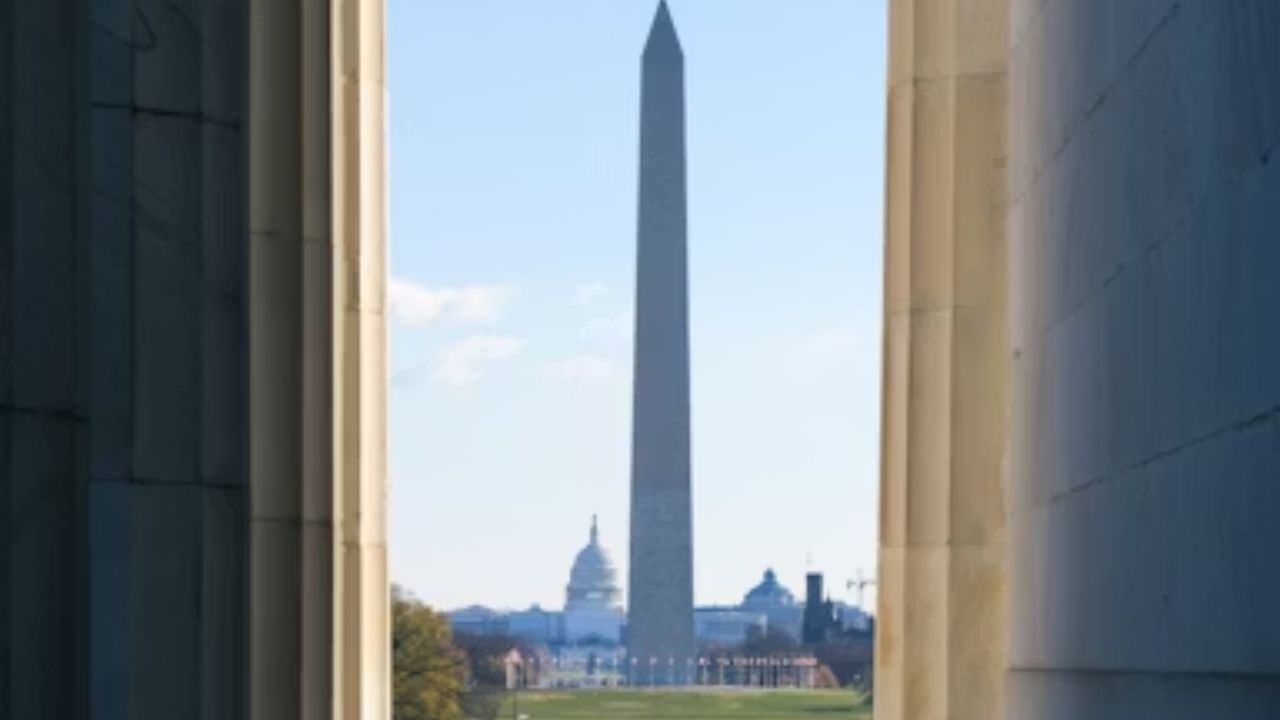
Starting here because, honestly, where else would you start?
The National Mall isn’t just a place. It’s two miles of American history stretched between the Capitol Building and the Lincoln Memorial. And in May, the trees lining the pathways are in full leaf, the grass is actually green (not trampled brown from winter), and the whole thing feels… different. Better.
What You Need to See:
- Lincoln Memorial at the western end, all marble columns and that massive seated Lincoln statue. Nineteen feet tall. Makes you feel small in the best way.
- The Washington Monument rises 555 feet in the center. Pro tip? Book your tickets online at Recreation.gov ahead of time. They’re free, but they go fast, especially on weekends. There’s a $1 service fee, but trust me, it beats standing in line at 8:45 AM hoping for same-day tickets.
- The Reflecting Pool between them. The views from either end? Instagram won’t do them justice, but you’ll try anyway.
- World War II Memorial, Korean War Veterans Memorial, Vietnam Veterans Memorial. Heavy stuff. Important stuff.
The whole stretch is about 10.5 miles if you do the full loop, hitting everything. Most people? They walk in portions. Pick your battles. Wear comfortable shoes. This is not negotiable.
May means you can actually enjoy being outside here. The weather cooperates. Rangers are on duty. Everything’s open. And because peak tourist season hasn’t quite hit yet, you might actually get a moment of quiet contemplation at the Lincoln Memorial. Might.
Our guided tours cover the major memorials and monuments with expert storytelling and no crowds. See our Educational/art tour options on our tours page.
2. Smithsonian Museums (Pick Your Poison)
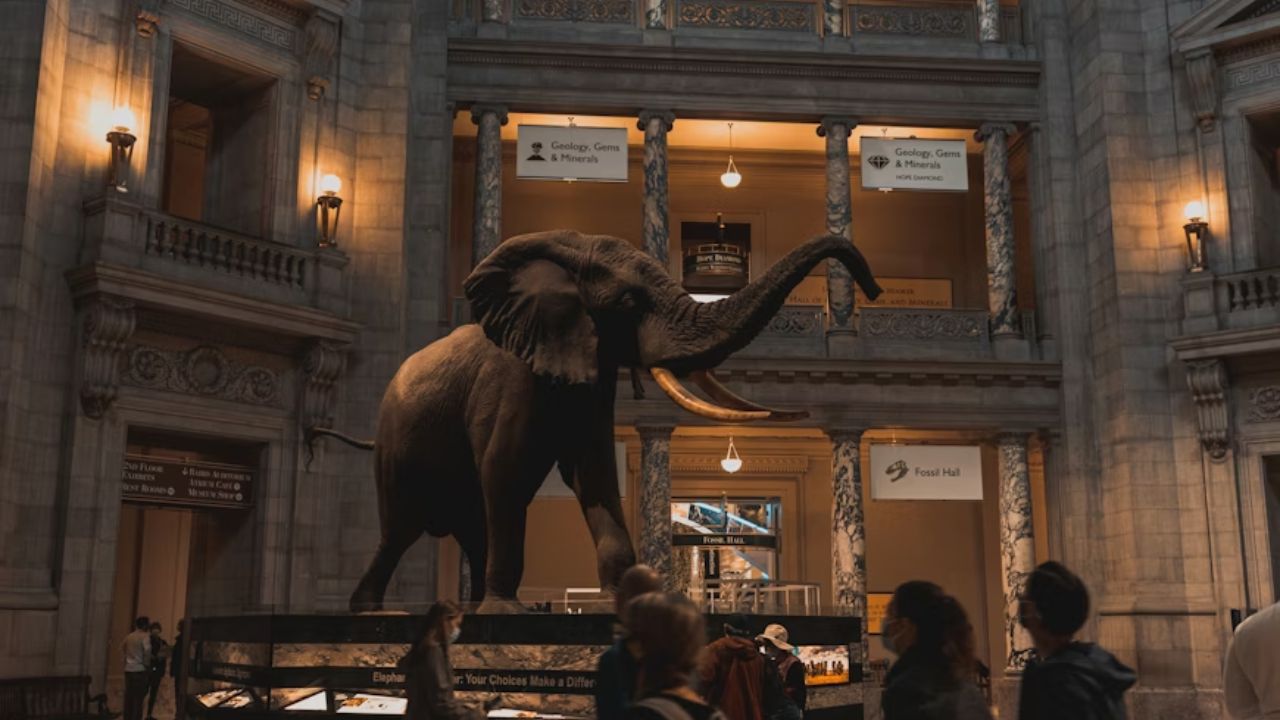
Free museums. World-class collections. Air conditioning when you need a break.
Washington DC has 17 Smithsonian museums, most of them clustered around the National Mall. And they’re all free. No tickets required. Just walk in. This is why DC spoils you for other cities.
The Heavy Hitters:
- National Air and Space Museum: Planes. Rockets. The Wright brothers’ stuff. It’s massive, it’s fascinating, and kids lose their minds here. Fair warning, though, parts might be under renovation, so check their website first.
- National Museum of Natural History: That Hope Diamond everyone talks about? It’s here. Also dinosaurs. Also, literally everything about the natural world. The Deep Time exhibit alone could eat up half your day.
- National Museum of American History: The original Star-Spangled Banner. Abraham Lincoln’s top hat. Dorothy’s ruby slippers. American history in object form.
- National Gallery of Art: Not technically Smithsonian but close enough. Two buildings, East and West. Renaissance to modern. They’ve got the only Leonardo da Vinci in the Western Hemisphere. Also works by Van Eyck, Raphael, Monet, and Rodin. It’s staggering.
- Smithsonian American Art Museum: Up near Penn Quarter, it shares a building with the National Portrait Gallery. Less crowded than the Mall museums. More intimate. The building itself, this old Patent Office Building, is worth the trip.
Here’s the thing about May. School groups haven’t descended en masse yet. You can actually see the exhibits without elbowing through crowds. You can spend time. Read the placards. Actually absorb stuff.
Pick two museums max per day. Maybe three if you’re superhuman. More than that, and everything blurs together.
To make the most of the Smithsonian museums and nearby Mall sites without feeling overwhelmed, join one of our guided museum and historic tours; explore details at our Educational/Art tours.
3. Georgetown (For When You Need a Break from Monuments)
Georgetown is older than Washington, D.C. itself. Founded in 1751, a full 40 years before the capital. Cobblestone streets, Federal-style rowhouses, the whole historic charm thing. But also? Shopping. Restaurants. The waterfront. It’s where DC goes to feel less like a government town.
Why May Works Here:
M Street and Wisconsin Avenue form the heart of it all. Over 450 shops and restaurants are packed into walkable blocks. You’ve got your high-end boutiques (Alice + Olivia, Rag & Bone), your mainstream stores (Anthropologie, H&M), and your local spots. May means patio dining. Outdoor seating along the waterfront. No frozen fingers, no heat stroke.
The Georgetown Waterfront Park along the Potomac? Perfect in May. People-watch. Rent a kayak if you’re feeling ambitious. Grab cupcakes from Georgetown Cupcake (yes, from the TV show, yes, there’s still a line, yes, they’re worth it). Or hit Baked & Wired if you want the locals’ alternative.
The food scene here is wild. Everything from Martin’s Tavern, where JFK proposed to Jackie (seriously, they’ve got the booth marked) to Fiola Mare, where the Obamas celebrated birthdays. French bakeries, Italian markets, global cuisine. Budget accordingly.
Don’t Miss:
- The C&O Canal towpath for a peaceful walk
- Tudor Place if you’re into history (Martha Washington’s descendants lived here for six generations)
- Book Hill for art galleries and antique stores
- Old Stone House, DC’s oldest building, built in 1765
Getting here is the only pain. No Metro stops directly in Georgetown. You’re taking a bus, Uber, or walking from Foggy Bottom. But May weather makes the walk pleasant.
4. U.S. Capitol Building and Capitol Hill

The big dome. The one you’ve seen in every movie about American politics.
Tours of the Capitol are free but you need advance reservations through your senator or representative’s office. Or book through the Capitol Visitor Center website. They fill up, especially in May when the weather’s nice, and school groups start planning end-of-year trips.
The tour takes you through the Rotunda (that massive domed space), the National Statuary Hall, and the Crypt. Your guide explains how laws are made, where different chambers are, and the building’s history. It’s formal. It’s structured. It’s exactly what you’d expect.
But Capitol Hill is more than just the building.
The Neighborhood:
- The Supreme Court is right next door. You can sit in on oral arguments if you show up early (they’re first-come, first-served)
- Library of Congress. Three buildings. The Thomas Jefferson Building alone is worth it just for the architecture. Murals, mosaics, and the Main Reading Room that looks like something out of a palace.
- Eastern Market on weekends. Farmers’ market, crafts, food stalls. It’s where locals actually go.
May means the grounds around the Capitol are blooming. Cherry trees, yes, but also magnolias and forsythia. The colors against that white building? Photos don’t do it justice.
Walking the neighborhood in May is just… pleasant. Tree-lined streets, historic rowhouses, little parks. Stanton Park has cherry blossoms too, with way fewer tourists than the Tidal Basin.
5. Tidal Basin (Yes, Even in May)
People are most familiar with the Tidal Basin as the place to see cherry blossoms at the end of March. The peak bloom attracts more than a million visitors. Total chaos.
However, the trick is to visit in May instead.
While the main Yoshino cherry trees will have finished, other varieties will flower later. The double, pink flowers of Kwanzan cherry trees come into bloom most often at the end of April and continue into early May. And the people? They are just gone. Very much gone.
The 2.1, mile path around the Tidal Basin affords you substantial views of the three memorials:
The Jefferson Memorial lies on the south side. It’s domed, surrounded by columns, very classical. The bronze statue of Jefferson inside is 19 feet tall. His sayings decorate the walls. Franklin Delano Roosevelt Memorial. Four outdoor galleries, each for one of FDR’s terms. Waterfalls, statues, his words about fear and hope.Martin Luther King Jr. Memorial.
The Stone of Hope is a symbol of what is possible and is “emerging” from the Mountain of Despair. The image of Dr. King is carved on a 30 foot high wall. Very moving. You can do it on foot. You can even hire two or four, person paddle boats and take a ride on the water. May means the water’s not chilly, the air’s not hot. It’s just perfect.
Heads up: a construction project is underway to raise the flood wall. Some sections of the northern and eastern paths might be affected.
6. National Arboretum (The Place Locals Don’t Want You to Know About)
This is the spot tourists miss. And locals kind of like it that way.
The U.S. National Arboretum sits in Northeast DC, about 10 minutes from the Capitol. 446 acres of gardens, meadows, and trees. It’s huge. It’s peaceful. And in May? It’s absolutely exploding with color.
What Makes It Special:
The cherry blossom viewing here extends longer than the Tidal Basin. Different varieties, different bloom times. You’ll see whites, pinks, and deep reds. And because the trees are spread across three miles, you’re not shoulder-to-shoulder with strangers.
But there’s more:
- The National Capitol Columns. These 22 Corinthian columns originally supported the U.S. Capitol’s east portico. When the Capitol expanded in the 1950s, they moved them here. Now they stand in this meadow, looking like ancient ruins. Completely surreal.
- Azalea Collection. May is the azalea season.The hillsides are full of color. Thousands of plants.
- Asian Collections with magnolias, dogwoods, and more.
- Bonsai Museum. Some of these trees are centuries old.
You need a car to get here, really. Or a rideshare. But once you’re there? You can drive the loop or walk the trails. Pack a picnic. Take your time. It’s the anti-monument experience. Nature instead of marble.
7. Museums Off the Mall (When You’ve Had Enough of Crowds)
The Smithsonians on the Mall get all the attention. But some of the best museums in DC are tucked away in neighborhoods.
National Portrait Gallery and Smithsonian American Art Museum: Share the old Patent Office Building near Penn Quarter. The building itself is Greek Revival gorgeousness. Inside? Every American who mattered, captured in portraits. Presidents, activists, celebrities. The American Art Museum side has everything from colonial paintings to video game art. No, seriously.
The Kogod Courtyard between the two museums has this undulating glass canopy. Perfect for a break. Café, seating, natural light.
Newseum: Okay, it’s closed now. Ignore that reference if you see it in old guides.
National Museum of the American Indian: Actually on the Mall but often overlooked. The building’s limestone exterior curves like natural rock formations. Inside, Native American history is told by Native Americans. Different perspectives. Important perspective.
International Spy Museum: Moved to L’Enfant Plaza a few years back. New building, better exhibits. Real spy gadgets. Actual espionage stories. Interactive stuff. Not free (admission runs about $25-30), but if you’re into that kind of thing…
May means these smaller museums are even quieter than usual. You can spend quality time. Actually engage.
Planning Your Washington DC in May: The Practical Stuff
Weather Reality Check:
Temperatures range from the low 70s to high 70s, maybe hitting 80°F by month’s end. Some sources predicted May 2025 would be wetter than normal, especially early in the month. Pack layers. Bring a light rain jacket. Comfortable walking shoes are non-negotiable.
Getting Around:
Transportation | When to Use It | Cost Range |
Metro | Most attractions, avoiding parking hassles | $2-6 per ride |
Walking | National Mall area, Georgetown to monuments | Free (wear good shoes) |
Rideshare/Taxi | Georgetown, Arboretum, off-hours | $10-30 depending on distance |
Capital Bikeshare | Waterfront, connecting areas | $2 per 30 minutes |
Tour Bus/Trolley | Overview on day one, elderly/mobility issues | $40-70 per person |
The Metro’s your friend. Smithsonian Station dumps you right on the Mall. Capitol South gets you to Capitol Hill. Foggy Bottom is closest to Georgetown (but you’ll still walk).
Timing Strategies:
Early mornings own the monuments. Seriously. Hit the Lincoln Memorial or Tidal Basin at sunrise and you’ll have it mostly to yourself.
Museums open around 10 AM. Get there at the opening. You’ll beat the crowds by an hour.
Late afternoons work for Georgetown. Lunch rush is over, the dinner crowd hasn’t arrived, and shops are open.
Food Thoughts:
The Mall has food trucks. They’re overpriced but convenient. Bring snacks and water.
Georgetown has everything but a budget for it. $15-20 for casual lunch, $40-100 for a nice dinner.
Eastern Market on Capitol Hill does Saturday brunch right. Reasonable prices, local vibe.
What to Skip:
You can’t do everything. You just can’t. So skip:
- Madame Tussauds, unless wax figures are your thing
- Most of the touristy restaurants right on the Mall (overpriced, mediocre)
- Trying to see every Smithsonian in two days (you’ll hate everything by museum four)
The Bottom Line on Washington DC in May
May is the month that gives you the perfect balance.
Not only is the weather great, but the crowd levels are reasonable too, and you can get to all places and services without any hassle. At the same time, the city is fresh and green, with all the blossoms except the cherries.
You’ll be walking around a lot. Your feet will be sore. You’ll manage to see three days’ worth of sights in just three days that will seem impossible to you. You’ll do picture, taking in front of the monuments that you have seen in the school textbooks and photographs, and yet they will surprise you again by their grandeur.
Visitors to DC for the first time usually fall into two groups: those who want to do everything and get exhausted by the second day, and those who decide on their priorities and actually have a nice time.
Be the latter.
Make a selection of your monuments, then go for museums, make sure to have some zoning out time at Georgetown, sitting by the Tidal Basin, or getting lost in the Arboretum. Washington DC in May is a great time to get to know not only the city’s monuments but also the fascinating and beautiful capital, a city very much open to all of us.
Walking shoes in your bag, camera all charged, monument tickets booked online ahead of time. Now you can experience this city that has been waiting for you to see what American history is like when it’s carved in marble, hung in galleries, and blossoming in gardens.
May in DC? You nailed it.
If you’re planning your first Washington DC trip in May and want guided insights into the monuments, museums, Tidal Basin, and spring energy without the hassle, contact us to customize your perfect itinerary.
FAQs
Is May a good time for first time visitors to Washington DC?
Yes. May offers comfortable weather, active outdoor spaces, and fewer crowds than peak summer, making it easier to explore monuments and museums without feeling rushed.
How many days are enough to see Washington DC in May?
Three to four days works well for a first visit. This allows time for the National Mall, a few museums, key memorials, and at least one neighborhood outside the tourist core.
Are museums and attractions crowded in Washington DC in May?
Some popular museums get busy late in the morning, especially on weekends, but overall, crowds are manageable. Visiting early in the day or late afternoon helps avoid peak congestion.