Planning a student visit to SoHo requires balancing engagement, structure, and educational value. It’s either gonna be amazing, or you’re gonna lose three kids to the Supreme store while two others are having a meltdown because their feet hurt from the cobblestones, and you’re standing there wondering why you didn’t just show them a documentary about New York instead.
When planned thoughtfully, the experience can be highly effective for student learning. Because Soho isn’t like… It’s not the Museum of Natural History where everything’s labeled, and there’s a clear path to follow. SoHo’s layered mix of commerce, architecture, and cultural activity makes it particularly valuable as a real-world learning environment. Real learning happens in the mess, not in the sanitized version.
The following sections outline activities that consistently work well for student groups visiting SoHo. Not the theoretical stuff that sounds good in a lesson plan. The actual things to do in Soho, NYC, that support sustained engagement and active participation among students.
Observing SoHo’s Historic Cast-Iron Architecture
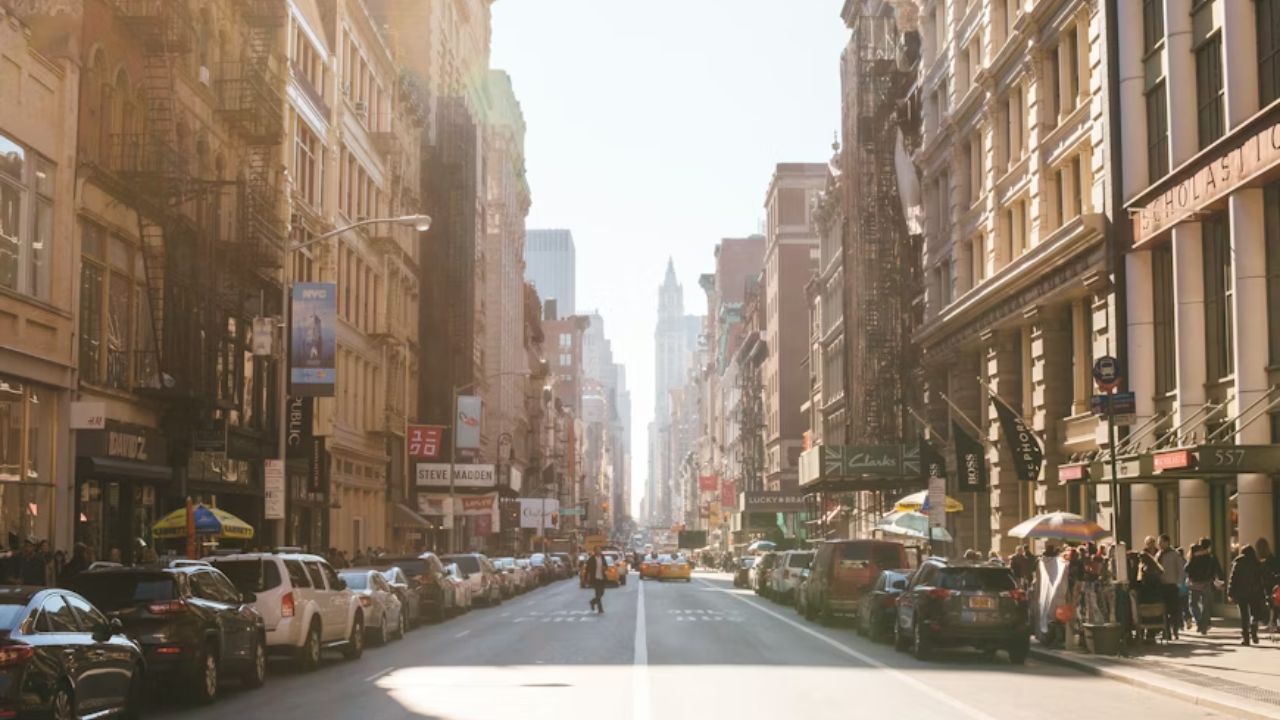
SoHo’s cast-iron architecture is one of the neighborhood’s most defining features. But here’s how you make students actually care instead of pretending to care while they’re thinking about lunch.
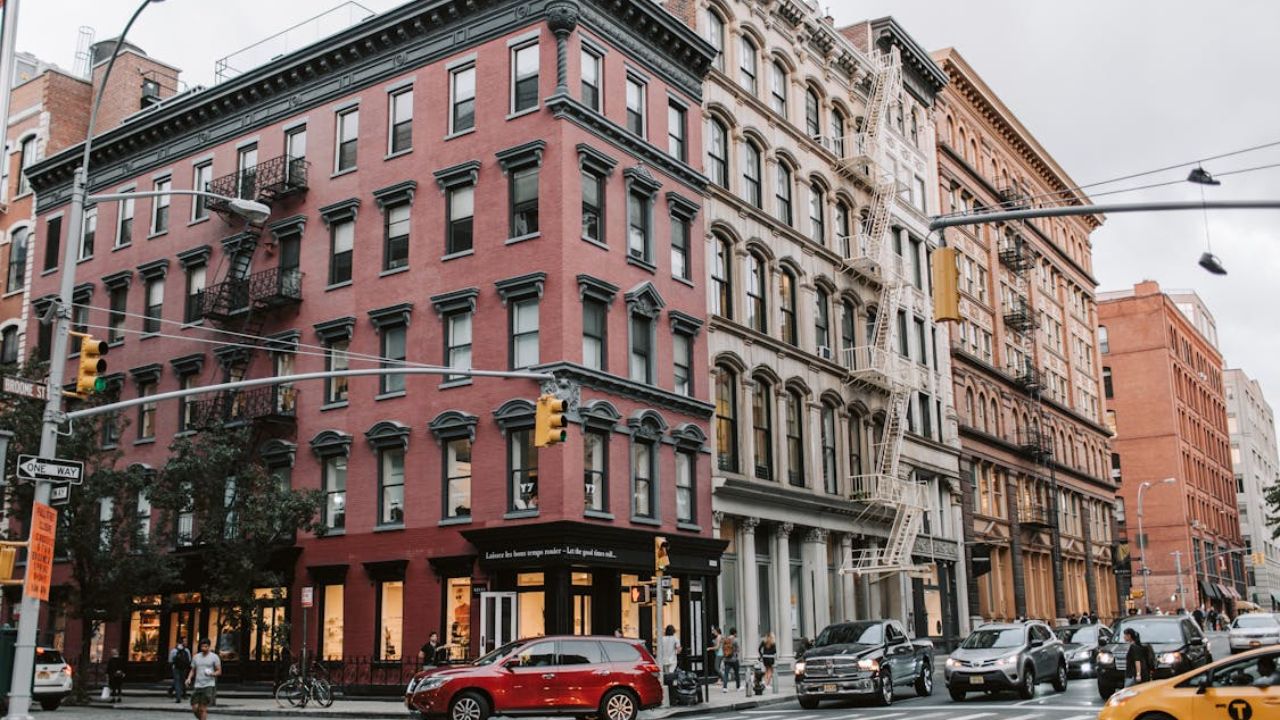
These buildings from the 1850s-1880s weren’t supposed to be pretty. They were solving a specific problem: how to build large factory spaces that won’t burn down every five years? Stone was too expensive. Wood kept catching fire. Cast iron was the answer because you could mass-produce it and it didn’t burn.
The decorative parts? Total accident. Turns out when you’re casting iron, it’s just as cheap to make fancy designs as plain ones. So architects went wild with it because why not?
Greene Street between Grand and Canal is where you want to go. Our guided walks bring these cast-iron stories and urban history to life. Explore our Art Tours designed for student groups.
The highest concentration of these buildings is anywhere in the world. And here’s what’s cool, you can see how different architects tackled the same problem in completely different ways. Some went super ornate. Others kept it simple. Kind of like when you give students the same essay prompt and get thirty totally different responses.
While technically known as Belgian blocks, these streets are commonly referred to as cobblestones, students will start complaining about them within like ten minutes. Use that. Ask them if we should just rip these out and pour smooth concrete. Suddenly, you’ve got a real argument going about whether we should preserve uncomfortable old things just because they’re historic. Way more engaging than lecturing about urban planning.
Fire escapes are everywhere, and nobody thinks about them until you mention the Triangle Shirtwaist fire. 146 workers died in 1911, most of them young women, because they couldn’t escape the burning building. After that, fire escapes became mandatory. So those rusty staircases aren’t decoration – they’re evidence of people fighting for workplace safety after a tragedy.
Experiencing these historical elements in place provides context that supports a deeper understanding
Visiting Contemporary Art Galleries in SoHo
This is where Soho gets interesting in ways museums can’t match.
In a museum, there’s wall text telling you what to think. Audio guides explaining the deeper meaning. Curators have pre-selected and contextualized everything. It’s safe. It’s controlled.
Unlike traditional museum settings, galleries offer a different learning dynamic. You walk in, and there’s just… art. And a price tag. Artwork pricing can vary significantly, often prompting discussion about value and market dynamics, like $50,000 for a photograph or $200,000 for a painting. And you have to figure out for yourself if it’s actually worth that or if someone’s just really good at marketing.
That discomfort is the whole point. Students have to form opinions without someone telling them what the “correct” opinion is.
Plan to hit like four or five galleries within a few blocks. The variety in Soho is kind of insane:
- One place showing photographs about social justice
- Next door has abstract paintings that don’t look like anything recognizable
- Down the street, someone’s making sculptures from trash and found objects
- Around the corner there’s video art on multiple screens
This forces students to think about what even counts as art. Why is one piece worth $75,000 while another is $750? Is expensive art automatically better? Who decides what’s good? How do artists make a living doing this?
Most galleries are actually pretty cool about student groups if you give them a heads up. The staff know they’re cultivating future art buyers. Ask good questions, and they’ll often open up about how the market actually works, how they pick artists, and what collectors look for.
The contrast between fancy galleries with perfect white walls versus scrappier spaces showing emerging artists also teaches something about how presentation affects value independent of the actual art quality.
We coordinate gallery access and facilitate meaningful discussions. Know how our Educational/Art tours make art accessible and engaging for students.
Study How Stores Manipulate You (I Mean “Market”)
Retail environments can also serve as effective case studies in consumer behavior when approached analytically. But retail environments teach SO much about consumer psychology and market positioning if you frame it right.
Students aren’t buying stuff (hopefully, because Soho prices are ridiculous). They’re observing and analyzing.
How do stores arrange products to make you want to buy? Why does this brand use a minimalist design while that one goes maximalist? What are pricing strategies communicating beyond just cost? How do window displays tell stories?
Independent boutiques trying to survive next to massive corporate chains raise real economic questions. Rent in Soho is like $300+ per square foot per year. How does a tiny shop stay in business while competing with Nike or Supreme, who can afford to lose money on individual stores?
The brands students already know from Instagram. Supreme with the line around the block, Nike flagship with a basketball court inside, Glossier doing their pink millennial thing; that creates an immediate connection. They’ve seen this stuff online. Now they’re inside these carefully designed spaces meant to make them feel specific emotions about products.
Once students start recognizing these persuasive techniques, they see them everywhere. That’s media literacy developing without feeling like a boring lesson.
Explore Food as Immigration History
The restaurant mix in Soho tells stories about who came to New York and when.
Japanese bakeries next to Italian cafes next to French bistros next to Thai places next to Mexican restaurants. All within like three blocks. Each one represents immigration patterns and cultural adaptation.
How did these cuisines end up here? How have they changed from their countries of origin? What gets preserved and what gets modified for American tastes?
Pricing differences are wild and worth discussing. Why is lunch $12 at one spot and $35 next door for basically the same amount of food? Who can afford to eat where? How do expensive restaurants change who feels welcome in a neighborhood?
For student groups on budgets (most of them), be super clear about meal plans beforehand. Otherwise kids wander into places where an appetizer costs what they thought they’d spend on lunch and it gets awkward fast.
But even without buying food, just watching how restaurants signal their target customers through design, menu language, and service style teaches market segmentation better than any business textbook.
Look at What’s Left of Street Art
Most of Soho’s famous street art got removed or painted over as the neighborhood got fancier and more commercial. What’s left tells interesting stories.
Some murals were commissioned by property owners and preserved. Other graffiti got scrubbed immediately. Why the different treatment?
When does unauthorized art become culturally valuable enough to preserve? Who decides? Does commercial success legitimize work that started as illegal graffiti? Should property owners have absolute control over their walls?
These aren’t easy questions with clear answers, which is exactly why they’re worth discussing with students.
Soho’s trajectory shows how street art gets absorbed into the commercial system it originally rebelled against. Work that started as an anti-establishment protest ends up in galleries selling for huge amounts. Are those artists winning or selling out? Both? Neither?
Understand Gentrification By Seeing It
Soho is basically a gentrification case study you can walk through.
Industrial buildings housed factories. Manufacturing left. Rents dropped. Artists moved in. Artists made it cool. Galleries came. Wealthy collectors came. Retail stores came. Artists got priced out.
The very people who created Soho’s value couldn’t afford to stay once that value was recognized. That pattern repeats in cities everywhere – Brooklyn, Portland, Austin, wherever.
Students can observe the current mix: remaining galleries next to luxury retail, old loading docks converted to restaurant patios, factory floors turned into multi-million dollar lofts.
The discussion gets complicated fast. Gentrification improves some neighborhood aspects (less crime, better services) while displacing long-time residents. There’s no simple good-guy bad-guy story. That complexity makes it educationally valuable.
Our knowledgeable guides help unpack these real-world changes during the tour. Check out our custom NYC group tours tailored for school field trips and deeper discussions.
See Economic Inequality Right In Front Of You
Soho makes economic stratification super visible.
Students see stores where one item costs more than their family spends on groceries for a month. They watch people casually buying luxury goods while delivery workers and service employees hustle around them. The people shopping and the people working clearly exist in different economic realities.
This isn’t about making students feel guilty. It’s about recognizing how economic systems create different opportunities for different people. That awareness builds empathy and critical thinking about structural stuff.
The conversations that come out of these observations often go deeper than teachers expect.
Navigate A City Without Following A Map
Beyond specific content, Soho teaches urban literacy that students use forever.
They learn to read neighborhoods. Navigate complex spaces. Make decisions about routes and timing. Handle themselves in unfamiliar environments.
This practical navigation builds confidence that transfers to other situations. Students who successfully get themselves through Soho can handle other cities.
The neighborhood’s walkability plus density create perfect conditions for developing these skills while still supervised.
Practical Stuff That Actually Matters
Timing: Weekday mornings, 10am-1pm, work best. Galleries are open, stores aren’t packed yet, and sidewalks are manageable. Weekends are a nightmare of crowds.
Walking: Plan for 2-4 miles, but those cobblestones are brutal. Someone will wear the wrong shoes and complain within twenty minutes guaranteed. Build in rest stops.
Groups: 15-20 students is ideal. Bigger groups should split up with separate chaperones following different routes.
Budget: Gallery visits are free. Architecture is free. Food is the main cost; budget $10-20 per student for lunch. Subway is $2.90 each way. Total usually runs $15-40 per student.
Weather: Spring and fall are perfect. Summer is miserably hot. Winter works if you plan more indoor time. Avoid major shopping periods when crowds get insane.
Communication: Someone will get separated from the group. Just accept this. Have buddy systems and clear meeting times/locations.
Safety: Soho’s safe during the day. Real concerns are traffic; those intersections get chaotic with cars, bikes, delivery trucks, and pedestrians all competing. Students need clear rules about crossing streets carefully.
What Students Actually Take Away
Urban literacy skills. Critical thinking about art without being told what to think. Understanding economic systems through observation. Historical thinking involves seeing how spaces transform. Media literacy involves recognizing persuasive techniques.
Most importantly, maybe, experiencing New York as a real place where people live and work, not just tourist landmarks to photograph.
That understanding changes how students see cities generally. These experiences complement classroom learning by reinforcing real-world application and critical thinking skills.
FAQs
Why is SoHo a good choice for student group visits
SoHo offers walkable streets, cultural depth, and a manageable pace that supports observation, discussion, and group learning.
Are activities in SoHo suitable for different age groups
Yes. The neighborhood’s flexibility allows experiences to be adapted based on student age, interests, and educational goals.
How can educators ensure a smooth group experience in SoHo
Clear structure, defined routes, and professional planning help maintain safety, engagement, and effective time management for student groups.