Here’s what nobody tells you about visiting the 9/11 Memorial. You leave feeling hollowed out. Not in a bad way, exactly. More as you’ve just witnessed something so heavy that your brain needs time to process it. And that’s where most tourists mess up. They try cramming more serious historical sites into the afternoon, piling gravity on top of gravity until the whole day feels like wading through concrete.
There’s a better way. And it involves understanding that SoHo sits just twenty minutes north, ready to remind you that cities survive, that creativity persists, that life keeps insisting on beauty even when darkness tries shutting it down.
Why This Route Actually Makes Sense (Beyond Just Geography)
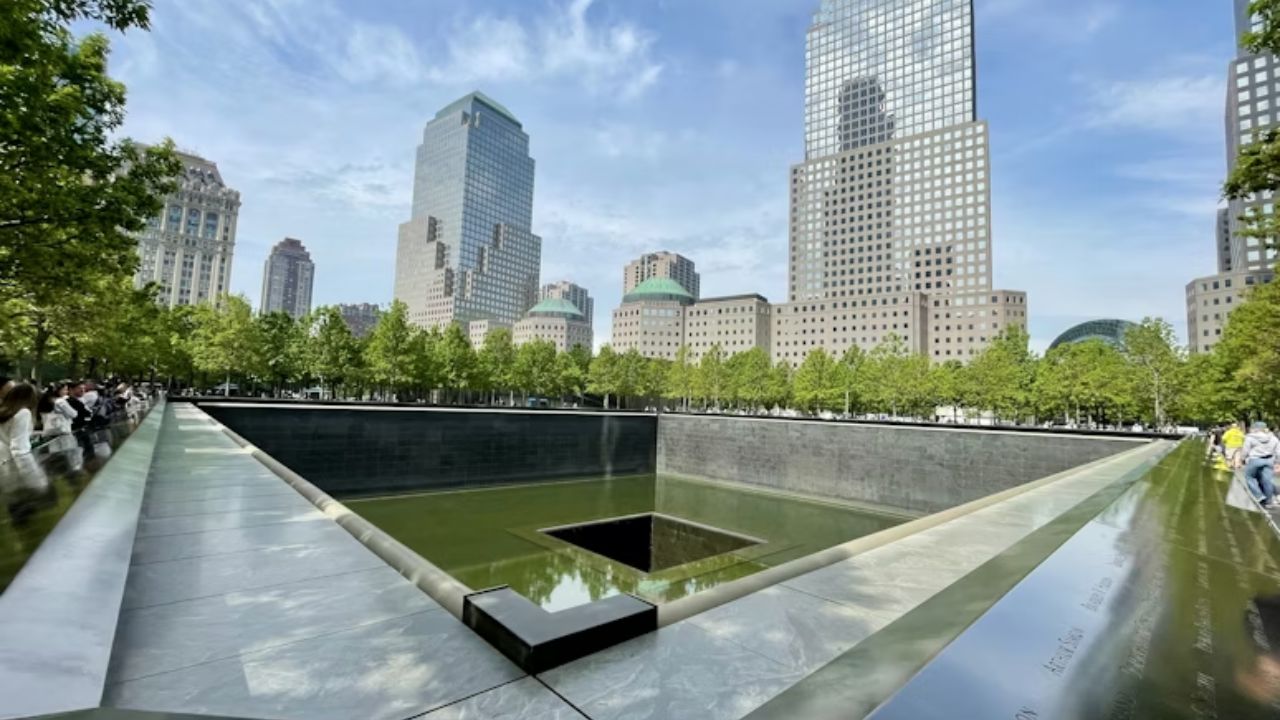
The Financial District and 9/11 Memorial pull you into one headspace. Reflective. Somber. Historically weighted. You’re thinking about events that changed everything, about loss that still echoes, about the fragility of normalcy we all take for granted.
Then you walk north. The buildings gradually shift from imposing stone to cast-iron facades. Fewer suits, more paint-splattered jeans. Gallery windows replace bank branches. And suddenly you’re somewhere that operates on a completely different frequency.
We need reminders that, despite everything, people still make art. People still open cafes. They still argue passionately about whether abstract expressionism means anything or if it’s all just expensive nonsense.
Things to do in Soho, New York, become more than activities when you approach them this way. They’re part of processing what you just experienced downtown. The galleries offer visual language when words fail. The street art demonstrates that walls can hold beauty instead of just holding up buildings. The simple act of getting amazing coffee reminds you that small pleasures matter, maybe now more than ever.
Starting Downtown: The Morning That Sets Everything Up
Get to the 9/11 Memorial early. 9 AM is early. Not just because crowds thin out (though they do). But because morning light hits those reflecting pools differently. The names etched in bronze catch the sun at angles afternoon shadows hide. You can actually hear the water. Think. Process.
The Museum needs at least two hours. Maybe more. Don’t rush it. The artifacts and testimonies demand your full attention. That scorched fire truck. The last voicemails. The timeline of that morning was presented in excruciating detail. It exhausts you in ways physical activity doesn’t quite capture.
Walking through the Financial District afterward feels like moving through living history:
- Trinity Church has stood at Broadway and Wall Street since the 1840s, outlasting everything
- The graveyard holds Alexander Hamilton’s tomb, plus other figures whose names fill history books
- Stone facades from the 1800s stand next to Art Deco masterpieces from the 1920s
- The Charging Bull sits where tourists swarm, but the surrounding architecture tells bigger stories
Weekday mornings add another layer. The neighborhood actually works. Commuters flood stations. Coffee carts do crazy business. You’re not just seeing where history happened but where global finance keeps happening, largely unchanged in spirit from when J.P. Morgan walked these same streets.
The Walk Between: Why This Transition Matters
Twenty minutes north on foot. Not far enough for a taxi, not close enough to happen accidentally. This distance matters more than you’d think.
The route itself tells stories. Buildings shift character as you move through TriBeCa into SoHo. Fewer imposing stone structures, more converted warehouses. Street life changes. Creative types replace suits. Coffee shops multiply. Gallery windows appear showing art instead of stock tickers.
Use this walk for decompression. Grab coffee in TriBeCa. Sit on a bench. Let your mind shift gears naturally instead of forcing the transition. Some people need this quiet space between heavy emotional work and lighter afternoon exploration. Others process by walking, letting physical movement help mental movement.
Either way works. The point is recognizing that you can’t jump directly from memorials into gallery browsing without some kind of buffer. Your brain needs permission to let go of morning weight before engaging with afternoon creativity.
For a guided version that enhances this journey from downtown to SoHo with context and stories along the way, check out our customized NYC walking tours.
Landing in SoHo: What Actually Works After Heavy Mornings
Things to do in Soho, New York, that complement downtown visits share certain qualities. They engage your senses without overwhelming them. They invite participation without demanding it. They remind you beauty persists without pretending darkness doesn’t exist.
Gallery Hopping as Visual Therapy
SoHo’s galleries offer something museums don’t. Freedom. No prescribed route. No audio guide. No feeling that you’re supposed to understand everything or you’re somehow failing at culture.
Walk in. Look at what draws you. Leave when you’re ready. That’s it. That’s the whole game.
Smaller galleries especially welcome genuine curiosity. The person at the desk is often the curator or even the artist. Ask questions. “Why did they choose these colors?” “What’s the story behind this series?” “Is this artist local?” Real conversations happen here that never occur in big institutions where guards watch your every move.
The variety across galleries means something connects with almost everyone:
- Abstract pieces that let your mind wander
- Street photography capturing everyday moments
- Sculpture you can walk around, seeing from all angles
- Installation works that surround you completely
- Emerging artists taking risks that established names won’t
Moving between spaces becomes meditation. Visual input gradually replaces morning heaviness with something lighter, though still meaningful. Your thoughts shift from what you witnessed downtown to what you’re experiencing now. Both matter. Neither cancels out the other.
Our expert-led gallery walks are designed exactly for this kind of emotional transition; discover more on our Educational/Art Tour.
Street Life and Unexpected Discoveries
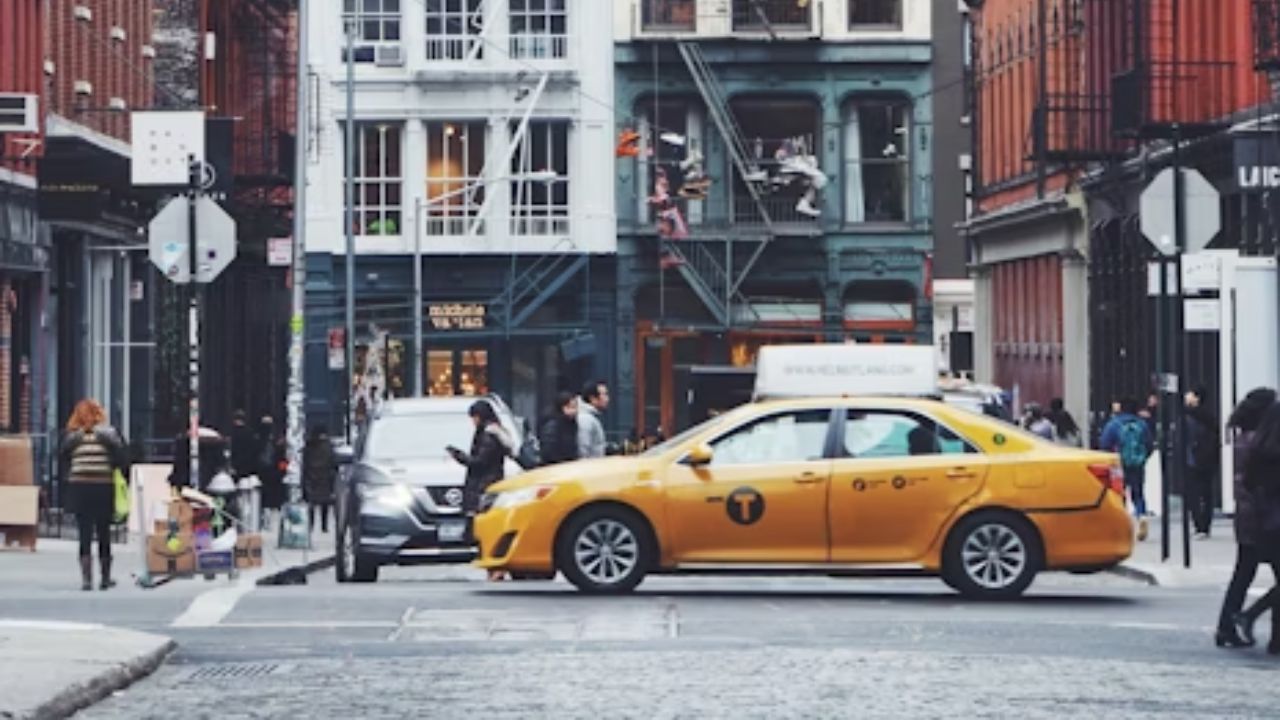
SoHo’s streets function as galleries without admission fees. Murals cover entire buildings. Installations appear in corners you’d walk past if you weren’t paying attention. Street performers create spontaneous moments of weirdness or joy or both.
The cobblestones themselves slow everyone down. You can’t rush across uneven stones while texting. This forced presence helps people actually see their surroundings instead of photographing them reflexively and then moving on.
Weekday afternoons hit the sweet spot. Busy enough to feel vibrant, not so crowded that moving becomes frustrating. The mix of people creates interesting scenes:
- Fashion students sketching on corners
- Business people grabbing late lunch
- Artists hauling portfolios between appointments
- Tourists figuring out that those cobblestones really aren’t stroller-friendly
- Locals who somehow navigate these streets in heels
Everyone’s participating in the neighborhood’s ongoing story. You’re not separate from it, watching from outside. You’re in it, part of the flow.
Food That Means Something
After emotionally intense mornings, food becomes important in ways beyond just fuel. It’s comfortable. It’s a pleasure. It’s a reminder that humans have been gathering around good meals since we figured out fire.
SoHo delivers across every budget. Quick casual spots perfect for refueling between galleries. Places worth lingering over for hours, turning lunch into an experience. Coffee shops that take their espresso seriously enough to make you reconsider what coffee should taste like.
The neighborhood’s food scene reflects its artistic character. Creative menus. Interesting presentations. Spaces are designed with the same aesthetic attention that galleries bring to exhibitions. But also perfect versions of classics. That ideal grilled cheese. Pastries that justify butter’s existence.
Choosing where to eat becomes exploration rather than interruption. Reading menus in windows. Asking strangers for recommendations. Follow your nose toward whatever smells incredible. These small interactions reconnect you with cities’ social aspects after morning’s isolated emotional work.
Shopping Beyond Consumption
Here’s the thing about SoHo retail. It can actually be interesting even if you hate shopping. Because it’s not just about buying stuff.
Independent boutiques curate impossibly specific inventories. Vintage shops are organized by era with museum-level care. Art supply stores where you could lose hours even if you haven’t touched a paintbrush since elementary school. Bookstores specializing in photography or design, or architecture.
These spaces invite browsing as entertainment, purchase optional. Touching fabrics. Flipping through art books. Trying on vintage sunglasses. Physical activities that ground you back in ordinary pleasure after extraordinary sorrow.
For processing heavy emotions, this kind of engaged distraction works remarkably well. Your mind occupies itself with aesthetic decisions and tactile experiences instead of cycling through morning’s weight endlessly.
Going Deeper: What Most Visitors Miss Completely
Things to do in Soho, New York that add real value require moving past obvious attractions. This means curiosity. Questions. Openness to unexpected discoveries.
The Architecture Most People Ignore
SoHo’s cast-iron buildings represent the largest collection anywhere. These structures weren’t designed to be beautiful. They were utilitarian. Quick to construct, fireproof, with huge windows for factory lighting. That they became architectural landmarks happened accidentally.
Walking specifically to notice building details transforms casual sightseeing into appreciation:
- Ornate cornices and columns, all cast iron painted to look like stone
- Original freight elevators are still visible in some buildings
- The way facades were essentially 19th-century prefab construction, revolutionary then
- How upper floors often show their original purpose, while ground floors are renovated into retail
Imagine these streets when they housed actual manufacturing facilities instead of just luxury retail boutiques. The contrast between past purpose and present use tells stories about how cities evolve, often in unexpected directions.
Our knowledgeable guides bring these cast-iron buildings and hidden artistic history to life; explore options on our Educational/Art Tour.
Finding Working Artists
Many working artists got priced out of SoHo decades ago. But some remain, tucked into upper floors or squeezed between retail spaces. Finding them requires curiosity and a willingness to explore.
Look for unmarked doors between storefronts. Notice buzzers listing artist names. Pay attention to windows showing easels or pottery wheels. Some studios welcome visitors during specific hours. Others host open studio events.
The willingness to engage, to ask if visiting is possible, sometimes yields incredible access. Artists discussing their process, inspirations, and struggles with balancing commercial viability and artistic integrity. These interactions humanize the art world in ways galleries sometimes don’t.
Seeing someone actually working, surrounded by failed attempts and experiments in progress, demystifies the creative process. It reminds you that every finished piece in every gallery came from someone sitting alone in a studio, trying things, messing up, trying again.
Hidden Spaces Worth Discovering
SoHo rewards wanderers who abandon main streets for side alleys. Small courtyards appear between buildings. Tiny parks offer benches and unexpected quiet. Back entrances to galleries show loading docks where art arrives in wooden crates.
These discoveries can’t be mapped or scheduled. They happen through wandering with attention. By taking the less obvious route. Through following curiosity when something catches your eye.
The emotional value of discovery, of finding something yourself rather than being directed to it, creates ownership. That courtyard becomes your courtyard in memory. The mural you found by turning down a random street feels like a personal gift from the city.
Late Afternoon: When Everything Starts Making Sense
As the afternoon stretches toward evening, the full arc of the day starts cohering. Morning’s solemnity. The transition through changing neighborhoods. Immersion in SoHo’s creative energy. Together, these create something more complete than any single stop provides.
Sitting in a cafe, watching street life flow past, offers time for integration. The contrast between neighborhoods stops feeling contradictory. Of course, cities contain both memorials and art galleries. Of course, the same place holds spaces for grief and spaces for joy. Of course, we need both within hours of each other.
This is how humans function. How cities function. How life continues despite and because of everything that tries to stop it.
Practical Stuff That Actually Matters
Timing this itinerary requires a realistic assessment of your energy and emotion. The 9/11 Museum demands significant reserves of both. Starting downtown by 9 AM allows thorough exploration before exhaustion sets in. Arriving in SoHo by early afternoon means encountering the neighborhood at its most accessible.
Comfortable shoes matter more than you think. Financial District streets mix polished stone with old sidewalks. SoHo’s cobblestones look charming but turn ankles fast. Prioritize comfort or accept that you’ll be hurt by evening.
Weather impacts everything:
- Rain makes memorial visits more emotionally intense
- Heat exhausts faster, reducing capacity for afternoon wandering
- Cold means more coffee stops, less outdoor exploration
- Perfect weather days get crowded quickly
Bring water and snacks. Obvious advice that gets forgotten in emotional intensity and exploration excitement. Blood sugar crashes turn art appreciation into irritated stumbling through galleries.
Evening: Extending or Wrapping Up
SoHo transitions beautifully as daylight fades. Gallery windows glow. Restaurants fill with dinner crowds. Energy shifts from daytime hustle to evening sophistication without losing essential character.
Some people end their day here with dinner. Others return downtown for sunset views from the Brooklyn Bridge. Both work. The key is recognizing your personal energy levels after a full day spanning heavy history and creative exploration.
For those staying, evening walks through SoHo reveal different aspects. Architecture lights dramatically. Street art glows under street lamps. The crowds are thin enough that cobblestone echoes return. There’s magic to these neighborhoods after dark that daytime visits miss entirely.
Quick FAQs: Pairing SoHo with the Financial District & 9/11 Memorial
- How long should I spend at the 9/11 Memorial and Museum before heading to SoHo?
Most people find 1–2 hours at the memorial pools plenty for reflection and photos (it can feel emotionally heavy, so don’t rush yourself). If you’re also doing the 9/11 Museum, budget 2–3 hours total; it’s powerful and detailed. That leaves plenty of afternoon energy for SoHo’s shopping, galleries, and wandering. Starting early (memorial opens at 8 am) lets you finish the serious part by midday and enjoy a lighter, more upbeat vibe in SoHo afterward.
- What’s the easiest way to get from the 9/11 Memorial to SoHo?
Walking is actually lovely and takes about 25–35 minutes (roughly 1 mile) along Broadway or Church Street through TriBeCa; great if the weather’s nice and you want to ease into the day. Subway is fastest: grab the N, Q, R, or W train from Cortlandt Street (right by the memorial) to Prince Street or Canal Street in SoHo; only 5–10 minutes. Rideshare or taxi is the quickest door-to-door (under 10 minutes), but traffic can slow you down during peak hours. Most visitors mix walking one way and the subway the other.
- Is it too emotionally heavy to do the 9/11 Memorial in the morning and then go shopping/eating in SoHo the same day?
It can feel like a big shift at first, but honestly, most people find it works really well. The quiet, reflective morning at the memorial gives the day depth and meaning, while SoHo’s creative, lively energy in the afternoon acts like a gentle reset. The contrast actually makes the whole day feel more balanced and memorable. If you’re worried about the mood swing, start with a lighter SoHo exploration and save the memorial for late afternoon when things wind down; both ways work beautifully.
See SoHo the Right Way After Downtown Manhattan
After a powerful visit to the Financial District and the 9/11 Memorial, the last thing anyone wants is to feel rushed or lost about what to do next. That’s where a guided SoHo experience makes all the difference. With local guides who know the stories behind the streets, easy walking routes, and a pace that lets the day settle naturally, EE Tours helps groups move from history to culture without missing a beat. It’s relaxing. It’s thoughtful. And it turns a full day in Lower Manhattan into one smooth, meaningful experience that actually feels complete.