You know that feeling when you walk into a neighborhood and immediately sense there’s more happening than what you can see? That’s SoHo on any given day. The cobblestone streets look charming enough in photos, but there’s this whole other layer.
Stories tucked into corners. Art that means something specific to the people who live here. Galleries that change the entire trajectory of someone’s career, hidden behind doors you’d walk right past.
Most people visiting New York add SoHo to their itinerary because, well, you’re supposed to. They grab coffee, take some pictures of the cast-iron buildings, and maybe peek into a couple of obvious galleries. Then they leave thinking they’ve “done” SoHo. Except they haven’t really experienced it at all.
That’s where immersive experiences in NYC tour companies actually make a difference. Not the cheesy double-decker bus kind. The real ones. Small groups. Local guides who’ve been part of this scene for years. People who can point at a random wall and tell you why that particular spot has been a battleground for street artists since the 90s.
Why You Actually Need Someone Who Knows These Streets
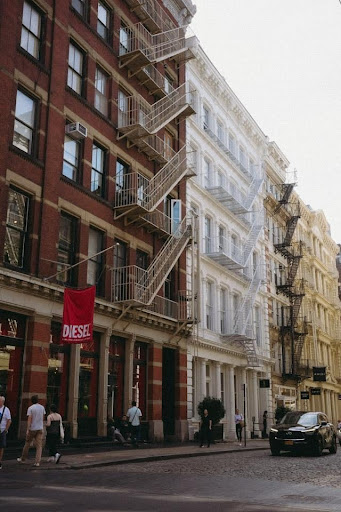
Look, nobody wants to be that person following a guide with an umbrella held high. We get it. But SoHo’s different. Walking around solo means you’ll see buildings. Nice ones. Maybe some street art that looks cool for Instagram. But you won’t understand any of it.
The guides who run proper tours here aren’t reading from scripts. A lot of them are artists themselves. Former gallery assistants who spent years learning which spaces matter and why. People who watched this neighborhood transform from actual artist lofts (when artists could afford them) into whatever it’s becoming now, with luxury condos and flagship stores.
They know things you can’t Google:
- Which galleries actually welcome walk-ins versus which ones make you feel like an intruder
- The story behind that mural that looks random but is actually about a rent strike from 2003
- Where Basquiat used to hang out before anyone knew his name
- Which buildings still have original freight elevators that artists used to haul massive canvases
This information changes everything. Suddenly, you’re not just looking at stuff. You’re reading the neighborhood like a book where every page matters.
Our local artist-guides bring exactly that insider perspective; explore our SoHo on our Educational/Art Tour for small-group walks that go far beyond the surface.
The Gallery Scene (The Real One, Not the Tourist Version)
Here’s what the guidebooks won’t tell you. Those five famous galleries everyone visits? They’re fine.. But they’re also crowded, intimidating, and staffed by people who can smell tourists from across the room.
The galleries that actually matter, the ones where real collectors find emerging artists, the spaces where you might see something that genuinely surprises you… Those require knowing where to look. And more importantly, how to act once you’re inside.
Immersive experiences in NYC guides created through proper gallery walks teach you the unwritten rules. You can take your time looking at a piece. Nobody’s rushing you. Questions are welcome, not just tolerated. The person working the desk might chat with you about the artist’s process, their inspiration, and why this particular show matters right now.
Smaller galleries operate totally differently from museums. There’s no map, no audio guide, no prescribed route through the space. You’re supposed to wander. Linger. React. And when you’re part of a group with a guide who knows the curator or represents artists themselves, suddenly you’re not an outsider anymore.
People in these groups start having actual conversations about the work. Someone asks why abstract art costs so much when “anyone could paint that.” Another person who studied design in college explains color theory. The guide shares what they know about the artist’s background, their other work, and how this fits into larger movements. It becomes this whole thing where everyone’s learning from each other, not just absorbing information passively.
With expert guidance, you navigate these spaces confidently; book our immersive Educational/ Art Tour for an impressive experience to NYC Gallery Crawl & Street Art, and get access to the real scene.
Reading Walls Like They’re Telling You Something (Because They Are)
Street art in SoHo isn’t just decoration. It’s not random spray paint. Every single piece exists for specific reasons, in specific locations, put there by artists who chose those exact spots intentionally.
Without context, you see colorful walls. With someone who understands the scene, those walls become conversations. Arguments, really. About gentrification. About who gets to claim public space. About whether art belongs in galleries or on streets, or both, or neither.
The guides who specialize in street art know ridiculous amounts of detail:
- Which crews have been active in this neighborhood for decades
- Why do certain spots get painted over immediately, while others stay protected
- The difference between commissioned murals (paid, legal, sometimes corporate) and guerrilla pieces (unpaid, illegal, purely expressive)
- How to spot tags from artists who’ve since become internationally recognized
They’ll point out paste-ups you’d miss completely. Explain why that weathered poster probably went up last week, carefully distressed to look older. Show you the same corner from three different years through photos, demonstrating how the art reflects the neighborhood’s political and economic state.
This matters way more than it sounds like it would. Because suddenly you’re not just in New York looking at graffiti. You’re understanding how cities work. How communities communicate through images when words aren’t enough. How art becomes activism without anyone officially declaring it.
The Logistics Nobody Thinks About (Until They’re Stuck on a Crowded Sidewalk)
Moving ten people through SoHo requires actual skill. The sidewalks aren’t wide. Delivery trucks block paths constantly. Gallery doors are heavy and temperamental. Street performers set up right where you need to gather.
Professional guides make this look effortless because they’ve done it hundreds of times. They know:
- Which corners have enough space for the group to circle up safely
- What time of day specific galleries get slammed versus when they’re manageable
- How to time the route so you’re not fighting weekend shopping crowds
- Where bathrooms are (honestly, this matters more than people admit)
Timing these tours correctly makes an enormous difference. Summer weekends turn SoHo into a human traffic jam. Winter weekdays leave galleries practically empty, which sounds great until you realize some places are closed or operating on reduced schedules. Spring and fall hit that sweet spot where the weather cooperates, and crowds stay reasonable.
Group size matters too. Six to twelve people can actually have conversations. Everyone hears the guide without needing microphones. Questions don’t get lost. You can duck into smaller spaces without overwhelming them. Larger groups turn into cattle drives where half the people can’t hear, and nobody feels like they’re really participating.
Going Deeper: Tours Built Around Actual Themes
Generic “highlights of SoHo” tours still exist, but they’re boring. The better option? Immersive experiences in NYC companies now offer incredibly specific explorations built around legitimate themes.
Want to understand feminist art history through SoHo galleries? There’s a tour for that, led by someone who can connect the dots between pioneers from the ’70s and artists working today. Interested in how photography and street culture intersect? Guides who are photographers themselves can show you the exact spots where iconic images were captured.
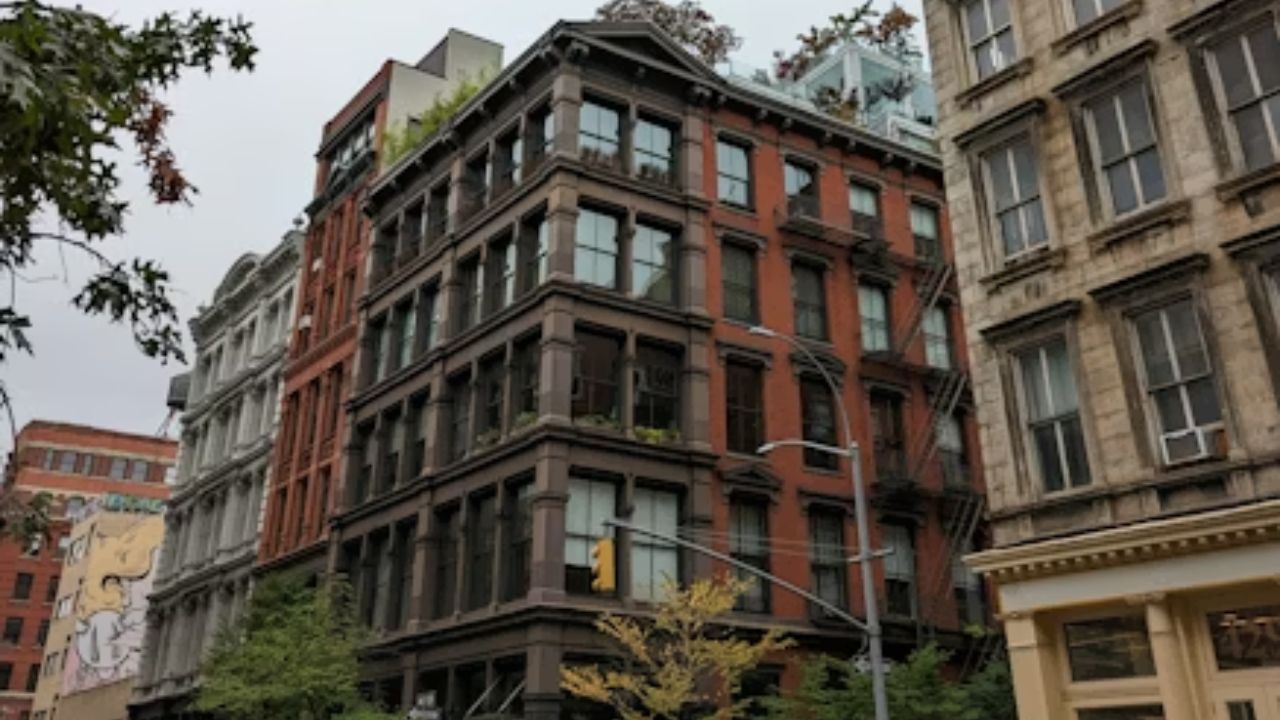
Architecture nerds can spend three hours just understanding cast-iron construction, preservation battles, and how buildings designed for manufacturing got converted into the most expensive residential real estate in the city. Food people can combine art viewing with stops at places that fed starving artists decades ago and somehow survived gentrification.
These focused tours attract people who actually care about the subject. The discussions get better. Everyone’s engaged rather than politely nodding along. You might join solo and leave with new friends who share your specific obsession with, say, abstract expressionism or urban planning, or whatever brought you there.
We specialize in these focused, theme-based journeys; see our full range of customized NYC private group tours tailored for corporate teams, schools, or art enthusiasts.
What Groups Actually Get From This (Besides Photos)
Corporate teams have figured out that exploring SoHo together beats another painful trust-fall exercise or escape room outing. Something about looking at challenging contemporary art together breaks down the weird professional walls people maintain at offices.
Suddenly, the quiet person from accounting has passionate opinions about color composition. The executive who seems intimidating admits they don’t understand modern art at all. Everyone laughs about being equally confused by that one installation piece. Shared confusion creates bonding just as effectively as shared knowledge.
These experiences stick because they’re genuinely interesting. Not forced. Not fake. You’re learning things, moving through interesting spaces, having spontaneous conversations that would never happen in a conference room. People reference the tour for months afterward. Inside jokes develop. “Remember that gallery where none of us could figure out which way the paintings should hang?” becomes shorthand for embracing uncertainty.
Making It Work For Everyone
Good tour operators think carefully about accessibility now. Physical accessibility presents challenges in a neighborhood built two centuries ago, but routes can be planned around limitations. Wheelchair users, people with mobility issues, anyone who can’t handle extensive walking… guides work with these realities rather than pretending they don’t exist.
Language matters for international groups. Many guides operate in multiple languages, or operators arrange translators. The visual nature of art helps bridge gaps, but verbal context remains crucial.
Inclusive guides avoid assumptions about what people know or value. They create space for different interpretations. Art means different things across cultures. Good guides recognize this and let conversations develop organically rather than imposing single “correct” readings.
Why This Beats Wandering Around With Your Phone
Three hours with someone who knows SoHo delivers more actual understanding than three days using Google Maps and Yelp reviews. The concentration of galleries, street art, and architectural significance means you experience a remarkable variety without wasting time on subways.
The neighborhood’s compact. Roughly from Houston to Canal, Lafayette to West Broadway. Everything’s within comfortable walking distance. This density works perfectly for groups with limited time. A lunch break becomes a street art education. An afternoon before dinner turns into an intensive gallery crawl.
What Actually Sticks
The real value isn’t what you see during the tour itself. It’s what changes afterward. You enter galleries anywhere now without feeling lost. You notice urban art in your own city and actually think about what it might mean. You understand that neighborhoods have layers available to anyone willing to look carefully.
Groups exploring together create bonds that last. That photo everyone took becomes a shared reference point. The debate about whether something qualifies as art gets mentioned years later. The guide’s story about the artist who lived without heat becomes a legend.
SoHo rewards attention and curiosity. It opens itself to people willing to move slowly, look carefully, and ask questions. Guided experiences provide structure and knowledge that transform visits into genuine understanding. You leave knowing more about art, cities, community, and how all three intertwine in ways that matter everywhere, not just here.
Quick FAQs: What People Usually Want to Know
How long do these SoHo art tours typically last?
Most guided tours run 2 hours; long enough for real depth without wearing everyone out. Some stretches are longer if groups want more galleries or extra street stops. Private ones adjust easily to fit your schedule.
Are the tours suitable for kids or beginners?
Absolutely. Many guides tailor content; simpler explanations for younger folks or those new to art. Street art often feels more approachable and fun for kids. Groups of all ages enjoy the mix of looking, walking, and talking.
Do we need to book in advance, and what about group size?
Yes, book ahead; popular tours fill up fast, especially on weekends. Private options work great for groups of 10 to 50. Smaller ones feel intimate; larger ones can still stay personal with good guidance.
What’s the best time of year or day for these experiences?
Spring and fall bring perfect weather. Mornings beat crowds and let you catch galleries when they’re fresh. Weekdays often feel quieter than weekends.
Experience SoHo the Way It’s Meant to Be Seen
If exploring SoHo sounds better when it comes with real stories, local insight, and time to actually understand the art, EE Tours makes that happen. Their guided group experiences focus on small groups, knowledgeable local guides, and a relaxed pace that lets everyone connect with the neighborhood instead of rushing through it. From hidden galleries to powerful street art, every stop has meaning and context. It’s a smart, engaging way to experience SoHo that feels less like a tour and more like discovering the city with someone who truly knows it.