School trip planning isn’t a hobby. It’s a balancing act.
You’ve got:
- Learning goals to meet
- Logistics to manage
- Student energy levels to consider
- And you still want the experience to feel exciting and not exhausting
That’s why choosing the Best short trips from NYC matters so much. If you pick the right destinations, ones that mix education and engagement, you don’t just get minor memories. You get big takeaways. Students remember what they experienced, not just what they “checked off.”
For groups coming from New York City, the goal is simple: maximize impact in minimal travel time. Keep kids energized. Keep the learning anchored to real places. Avoid long, wasted bus hours. And make sure the trip feels like more than just a field visit.
Below is a deep, step-by-step guide to planning short trips from NYC that do just that.
Philadelphia: History That Doesn’t Feel Like a Textbook
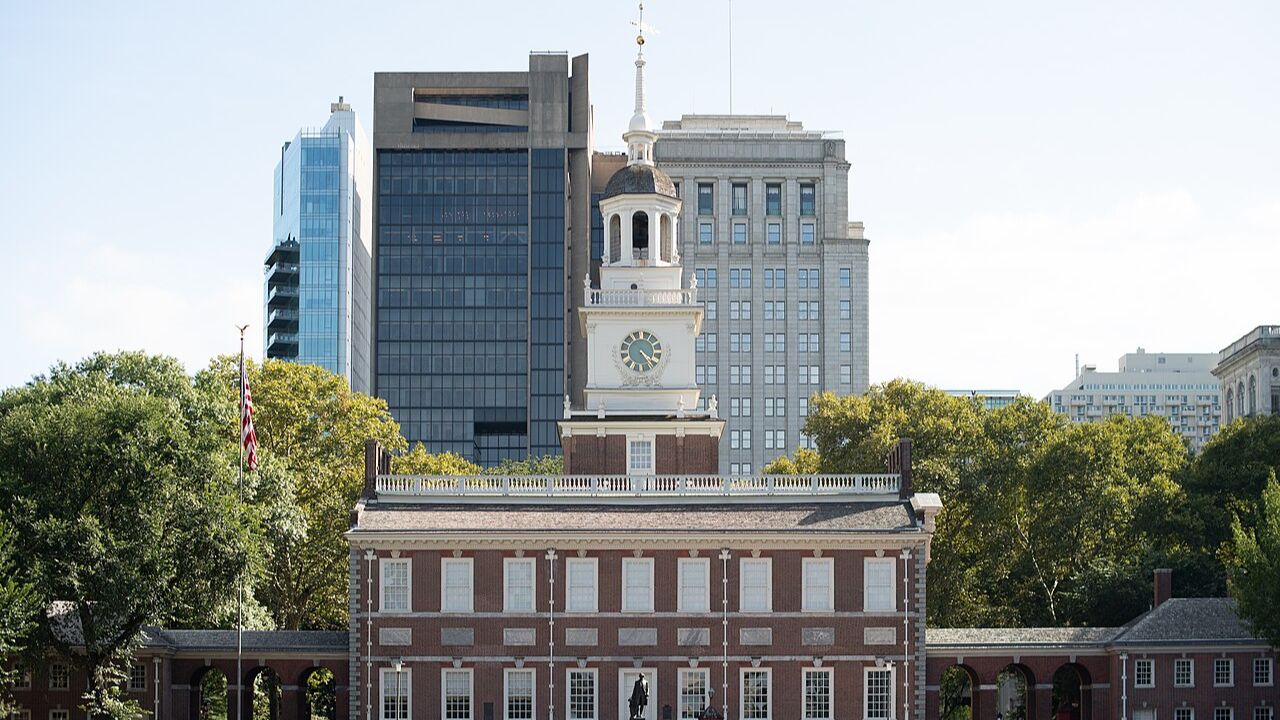
Philadelphia sits roughly two hours from Manhattan, making it perfect for day trips or easy overnights. This is one of the reasons it’s become such a classic destination for the best short trips from NYC itineraries.
Independence Hall and Beyond
Independence Hall requires advance reservations, and tours fill up fast during peak school trip season. Booking months ahead isn’t paranoid planning; it’s necessary. The tours are timed and limited in size, which actually works in your favor because smaller groups get better access.
The Liberty Bell sits right next door in its own pavilion, free and requiring no tickets. But don’t just let students snap selfies and move on. The crack tells a story. The inscription means something. The bell’s history with abolition movements adds layers that most people miss.
Philadelphia offers depth beyond the standard Independence National Historical Park circuit:
- The Constitution Center provides interactive exhibits making civics education actually engaging
- Eastern State Penitentiary shows criminal justice history sparking serious discussions
- Reading Terminal Market demonstrates urban food culture and local commerce
- The Franklin Institute combines science education with hands-on exploration
The city’s walkability matters too. Most major sites cluster within a reasonable distance, meaning less time on buses and more time actually experiencing locations. Students see how urban planning works, how neighborhoods function, and how history layers into modern city life.
Many school groups make it a standalone one-day trip or combine it seamlessly with DC itineraries, such as those detailed on our tours page.
Making It Educational Without Being Boring
The secret to Philadelphia trips? Connect everything back to the questions students actually care about. How do societies decide what’s fair? What makes a rule worth following? How did people without the internet or phones coordinate a revolution?
Frame visits around big questions instead of memorizing dates. Use locations as evidence for arguments that students construct themselves. Let them grapple with contradictions, like the founding fathers writing “all men are created equal” while owning slaves. That cognitive dissonance creates the kind of learning that sticks.
Boston: Revolutionary History Meets Modern Innovation
Boston clocks in at about four hours from New York, pushing boundaries of comfortable day trip territory, but perfect for overnights. The extra travel time pays off because Boston delivers education across multiple disciplines in ways few cities can match.
The Freedom Trail provides built-in structure for exploring revolutionary history. This three-mile walking path connects sixteen historically significant sites, creating a narrative thread helping students understand how events connected and built on each other.
Revolutionary Sites That Resonate
The Freedom Trail hits major spots worth your time:
- Boston Common and the State House for government discussions
- Granary Burying Ground where Paul Revere and Samuel Adams are buried
- Old South Meeting House where the Boston Tea Party was planned
- Old North Church with its “one if by land, two if by sea” lantern signal
- USS Constitution, the world’s oldest commissioned naval vessel still afloat
Each location offers different entry points into revolutionary history. Some students connect with military aspects. Others get fascinated by the propaganda and communication methods revolutionaries used. The variety means different learners find different hooks.
Science and Innovation Angle
Boston isn’t just history. The city’s concentration of universities and research institutions creates opportunities for STEM-focused trips:
- The Museum of Science offers hands-on exhibits spanning multiple scientific disciplines
- New England Aquarium provides marine biology education with conservation messaging
- Harvard and MIT campuses show students what top-tier universities actually look like
- Innovation districts demonstrate how cities foster technology and entrepreneurship
For groups wanting to combine history and science, Boston delivers both without feeling forced or scattered. You’re showing students how past and present connect, how revolutionary thinking applies to different fields.
Boston’s subway system (the T) is older and less intuitive than New York’s, but still functional for groups. The city’s relatively compact downtown means most educational sites cluster within manageable distances. Weather matters more because you’re walking outside significantly more
Washington DC: The Ultimate Civics Classroom
DC deserves mention in any discussion of best short trips from NYC because it’s doable as an overnight and delivers unmatched government and history education. The four-hour drive from Manhattan makes same-day trips technically possible but exhausting. Two days and one night create the minimum viable timeframe.
For school groups, professional operators handle the logistics to make this short trip impactful and stress-free; explore options like our educational/art tours.
Why DC Works
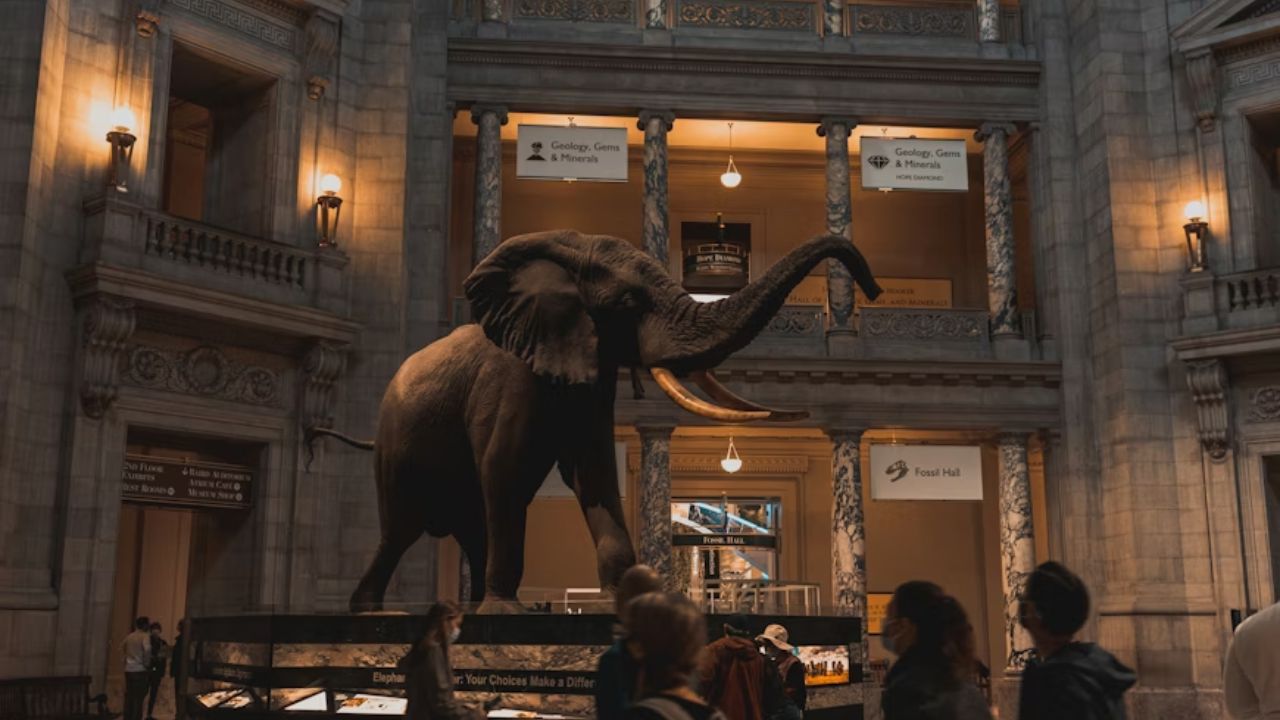
The Smithsonian museums alone justify the trip. Nineteen museums and galleries, most clustered around the National Mall, offer free admission to world-class collections. The National Museum of American History, Air and Space Museum, and Natural History Museum provide options matching virtually any curriculum focus.
The monuments and memorials spread across the National Mall create opportunities for discussions about memory, commemoration, and how societies choose to represent their histories. The contrast between different memorial styles demonstrates how artistic choices communicate meaning.
Government in Action
DC offers something no other city can: access to functioning government institutions. Capitol tours show where laws get made. The Supreme Court reveals how the judiciary operates. Even without inside access, seeing these buildings in person transforms abstract civic concepts into a concrete reality.
The challenge with DC? There’s so much to see. Every group needs to prioritize ruthlessly, accepting they’ll miss significant sites. Trying to see everything means experiencing nothing properly. It’s better to focus on three or four locations and spend real time there.
The Hudson Valley: Nature and History Combined
Sometimes great trips don’t require traveling to other major cities. The Hudson Valley, stretching north from the city along the Hudson River, offers completely different educational opportunities working particularly well for younger students or groups wanting outdoor components.
West Point Military Academy
The United States Military Academy sits about fifty miles north of Manhattan, making it an easy day trip destination. West Point offers more than military history. The campus itself demonstrates architecture, the location showcases strategic geography, and the institution raises questions about service, duty, and civic responsibility.
Tours require advance arrangement and security clearances, but they provide access to the academy’s museum, portions of campus, and often stunning views from various overlooks. The setting alone makes an impression. These buildings perched above the river create an almost castle-like atmosphere capturing students’ imagination.
Historic Estates
The Hudson Valley preserves numerous historic estates functioning as time capsules of different American eras:
- Washington’s Headquarters in Newburgh shows Revolutionary War command operations
- Franklin D. Roosevelt’s estate in Hyde Park reveals presidential history
- The Vanderbilt Mansion demonstrates Gilded Age wealth and architectural grandeur
- Philipsburg Manor and other living history sites show colonial and early American daily life
These locations work particularly well for younger students or groups studying specific historical periods. The estates tell stories about how people actually lived, what technology they used, and how social classes differed. That tangible connection to daily life often resonates more than battlefield history.
Outdoor Education
The Hudson Valley’s natural beauty creates opportunities for environmental science education:
- Storm King Art Center combines outdoor sculpture with landscape appreciation
- Bear Mountain State Park offers hiking and ecology lessons
- Hudson River itself becomes a case study in environmental recovery
For schools wanting to integrate physical activity with learning, the Hudson Valley delivers. Students can hike, explore, and engage with nature while still hitting educational objectives around ecology or conservation biology.
Making Short Trips Actually Educational
Here’s the uncomfortable truth: location matters less than execution. You can visit the most historically significant site in America and have students learn nothing if the trip lacks structure and purpose.
Pre-Trip Preparation
Students who arrive at locations without context miss most of the value. Pre-trip lessons should cover:
- Historical or scientific background of what they’ll see
- Key questions to consider during the visit
- Specific things to look for or pay attention to
- Vocabulary and concepts they’ll encounter
- Connection to current classroom units
Assigning students to become experts on specific aspects creates ownership. When someone’s responsible for explaining one monument or teaching peers about a particular historical figure, they engage differently than passive observers.
During-Trip Engagement
Scavenger hunts, photo challenges, or collection assignments keep students actively engaged:
- Finding specific architectural features
- Photographing examples of particular concepts
- Interviewing staff or other visitors with permission
- Sketching or documenting observations in field journals
The goal isn’t busywork. It’s transforming passive observation into active investigation. Students should be doing something with what they’re seeing, not just looking and moving on.
Post-Trip Integration
The learning doesn’t stop when the bus pulls back into the school parking lot. Post-trip projects that synthesize experiences cement knowledge:
- Presentations teaching classmates about discoveries
- Essays connecting trip observations to larger themes
- Creative projects inspired by what they experienced
- Comparisons between different locations visited
Assessment should focus on insight and application rather than memorizing facts. Did students understand the big ideas? Can they connect trip experiences to broader concepts?
FAQs About Planning School Trips From NYC
How long should a short trip from NYC take?
Most educational short trips aim for 1 to 3 days, depending on the distance and age of students. Anything much longer risks fatigue without a deeper payoff.
What grade levels benefit most?
Trips can be adapted for all ages, but the structure, pacing, and depth of content shift depending on the maturity and educational needs of the group.
How much should teachers prepare students in advance?
Pre-trip sessions always pay off. Even 1–2 focused lessons on the destination enrich the experience and help students connect deeper once they arrive.
Do short trips require parents’ permission?
Yes, all school travel must follow district guidelines and obtain official permission from guardians. Clear communication reduces confusion.
Ready to Make Every School Trip Count?
Planning a school trip can feel like juggling a hundred things at once, but it doesn’t have to be overwhelming. With EE Tours, every short trip from NYC becomes meaningful, safe, and fun. We handle the details, from educational activities that tie into classroom lessons to smooth travel logistics and guides who know how to make learning exciting. Whether it’s history, science, or culture, the focus stays on giving students experiences and memories that stick long after the trip ends. Let us help turn your next school adventure into a journey students will remember.